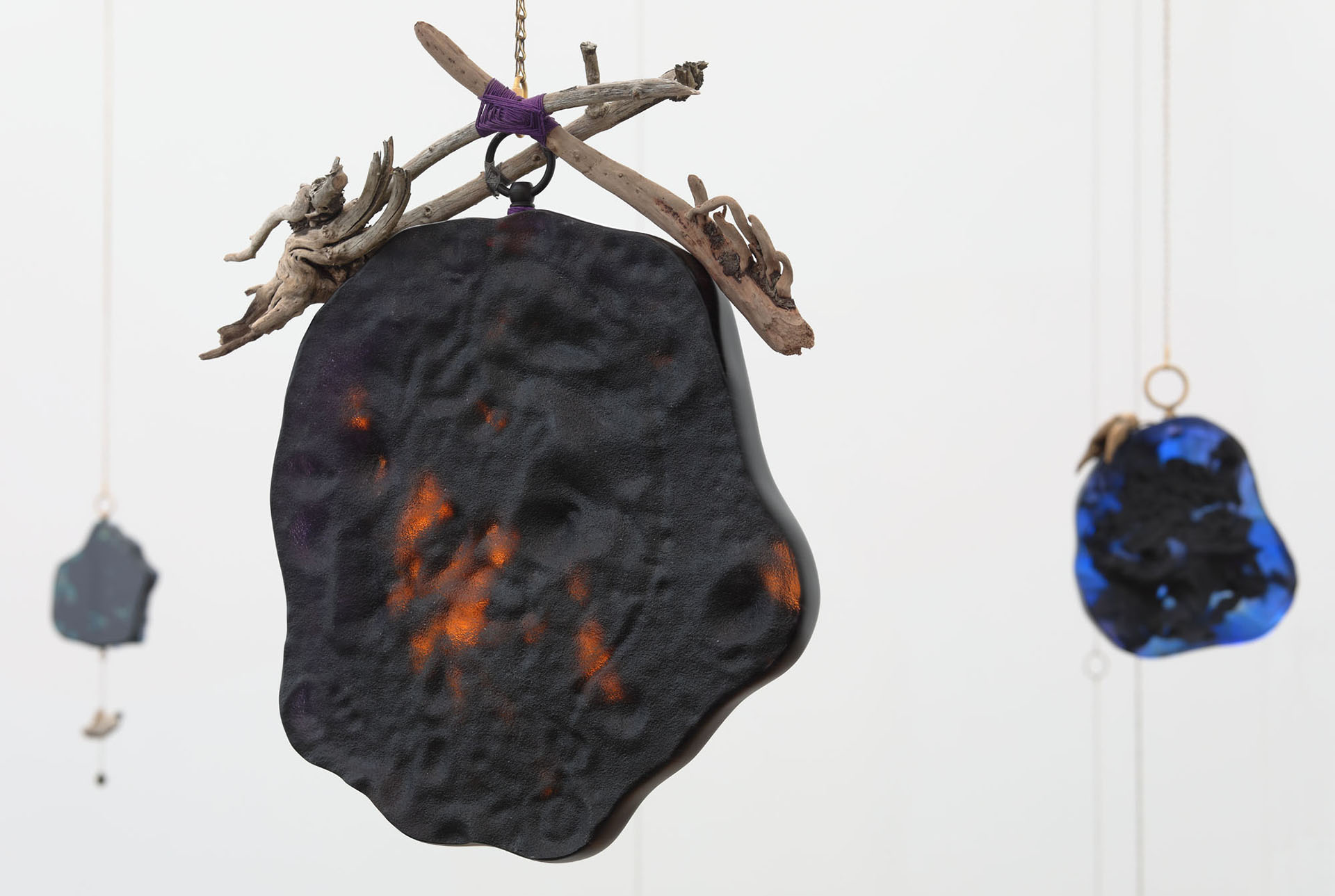
Disquiet in the Sand, 2025
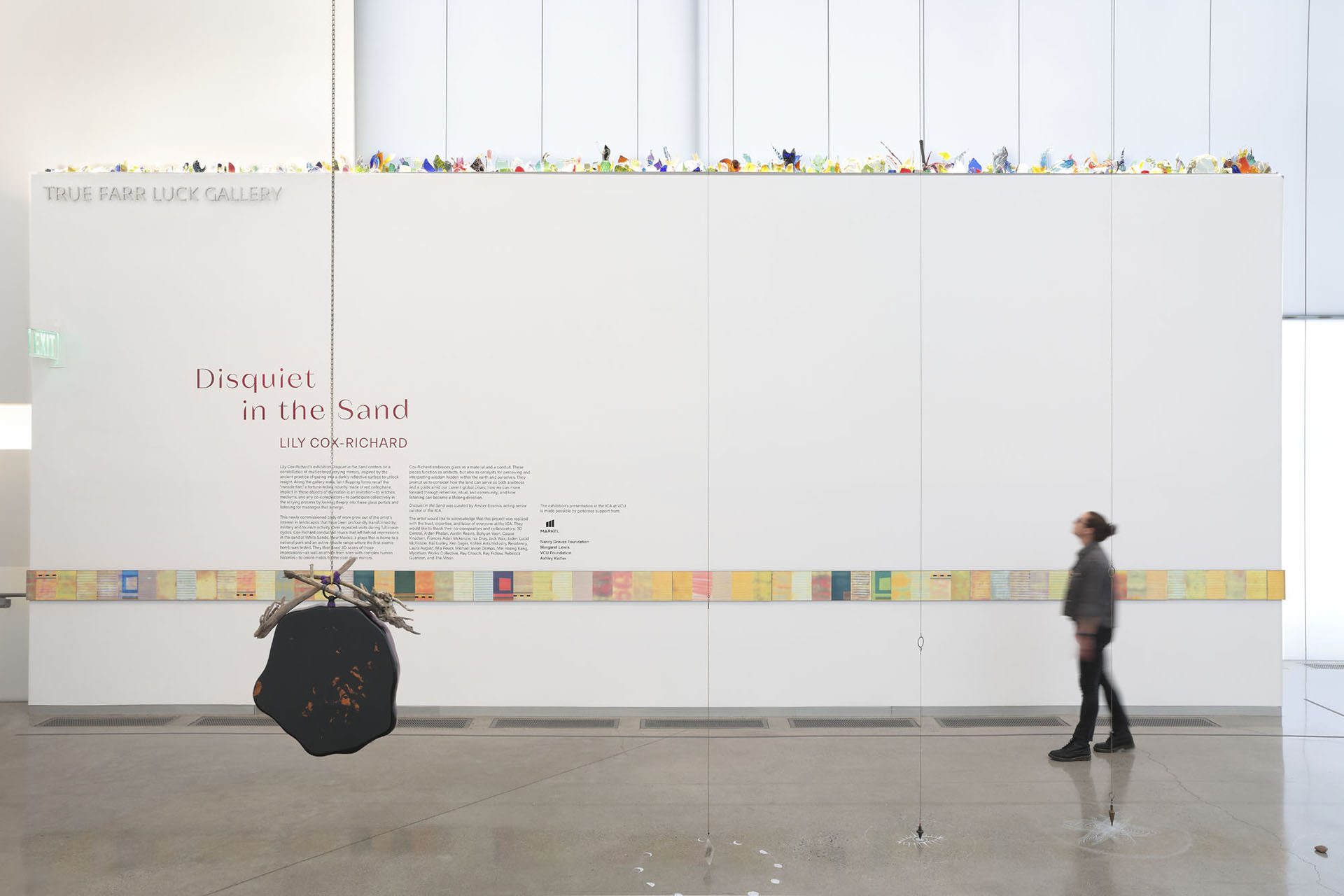
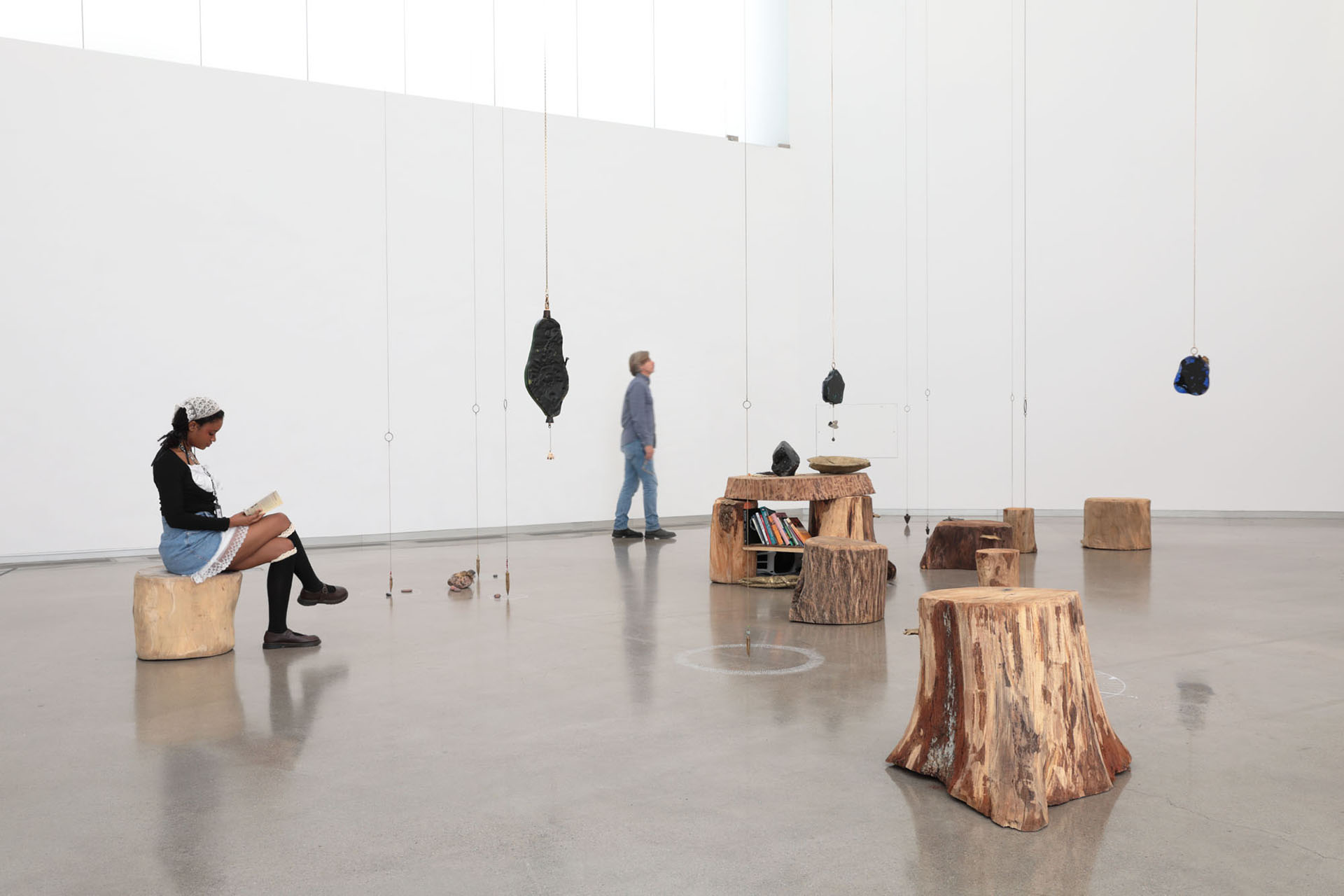
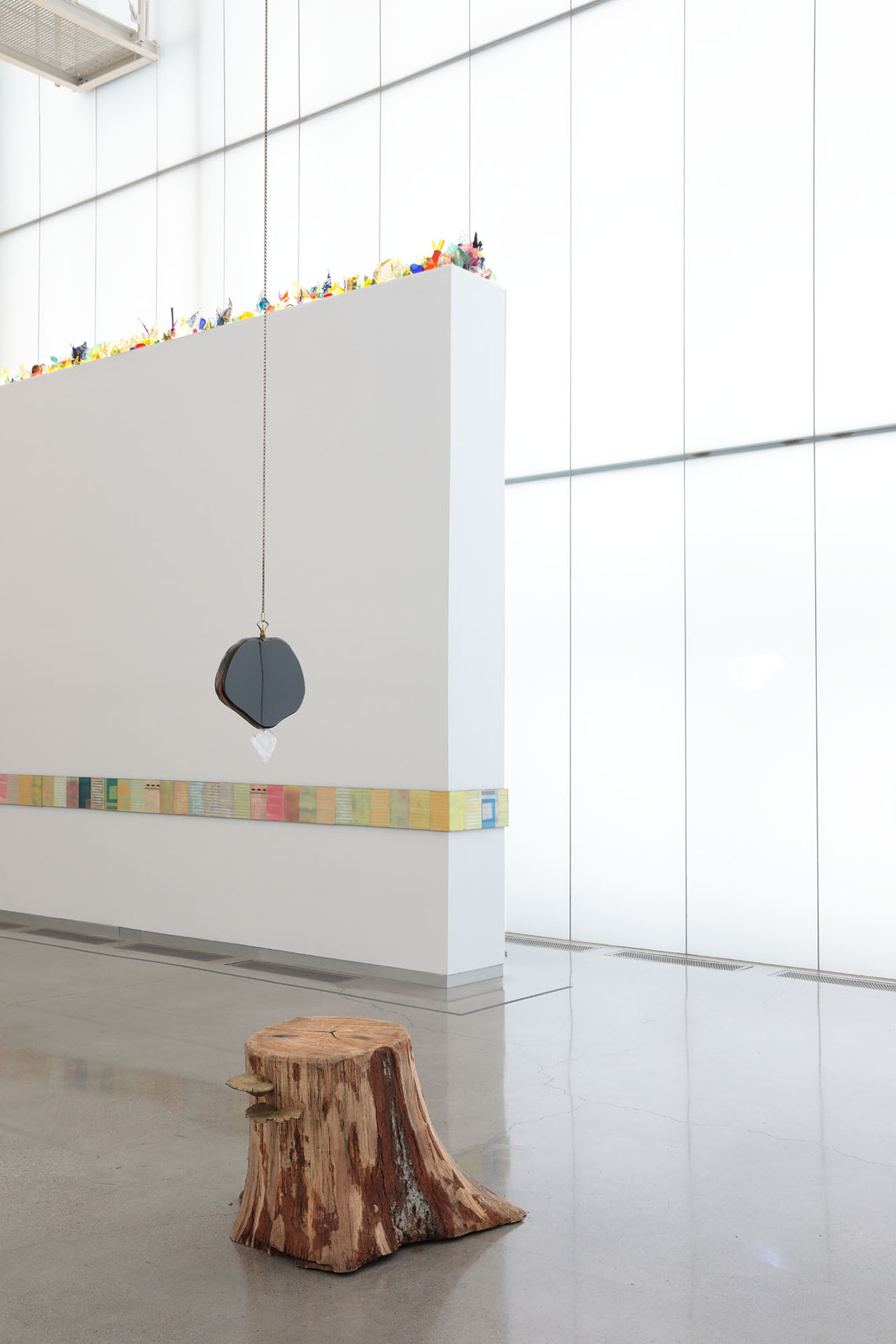
Disquiet in the Sand
August 15, 2025 – February 22, 2026
Institute for Contemporary Art (Richmond, VA)
Related Materials:
Notes:
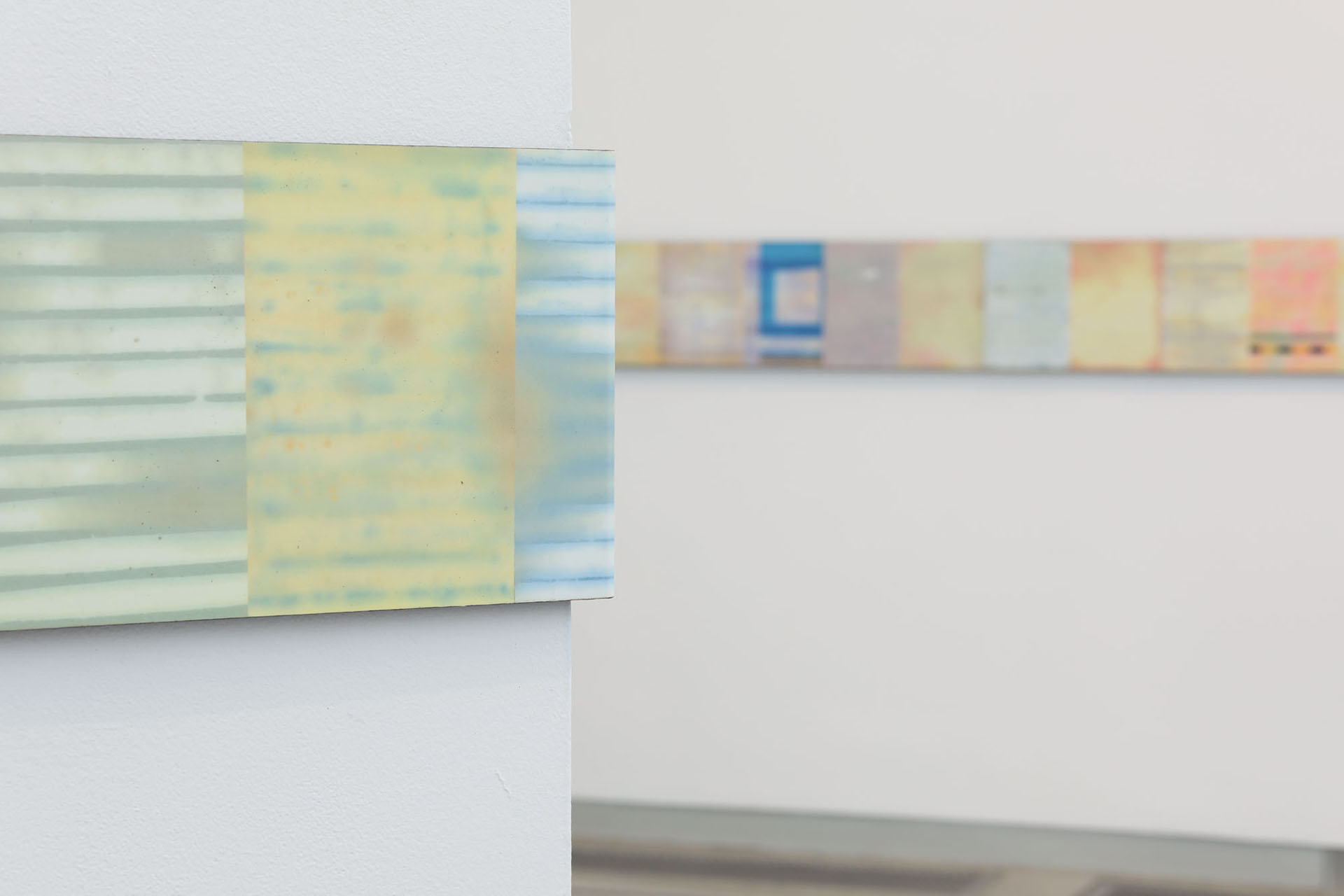
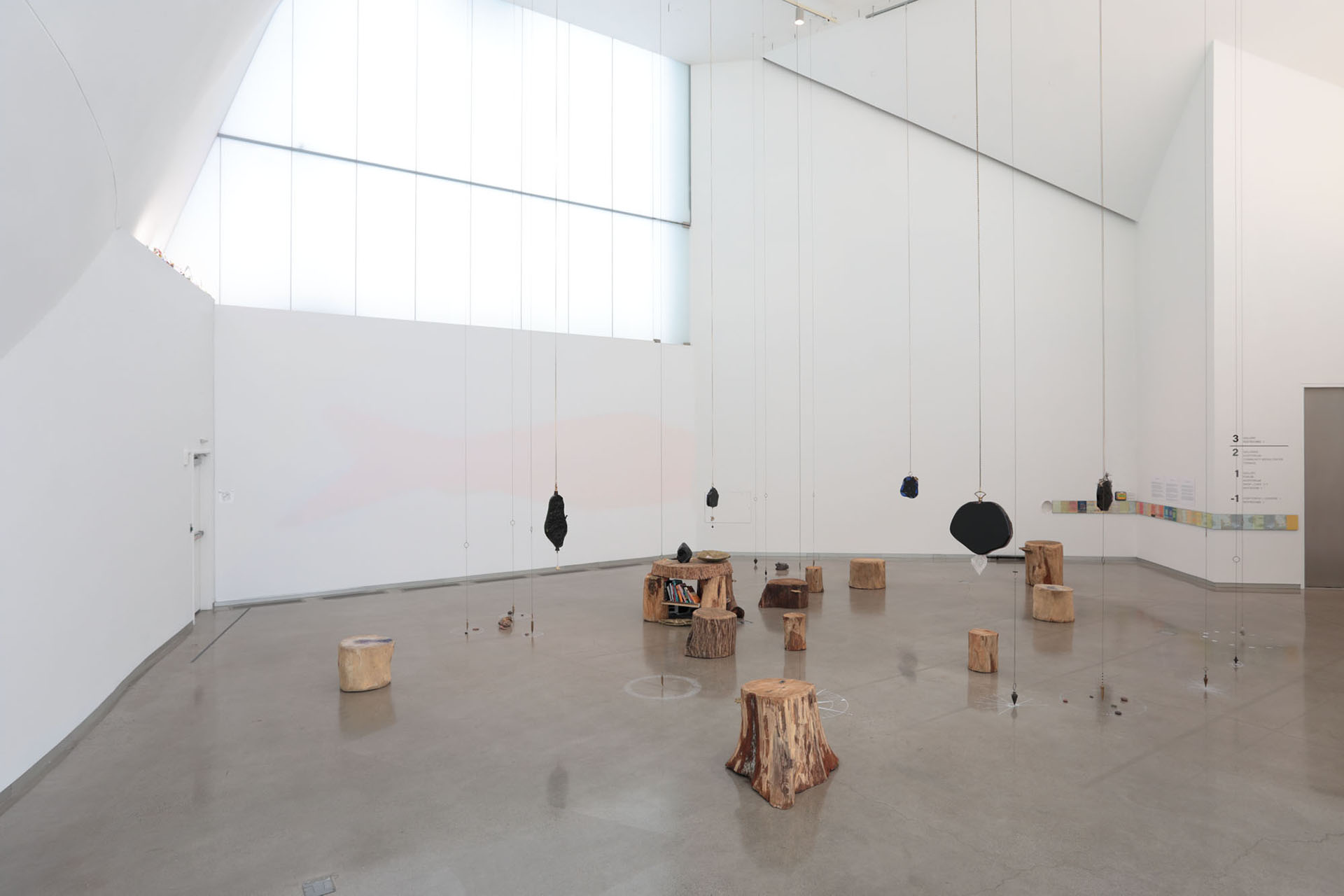
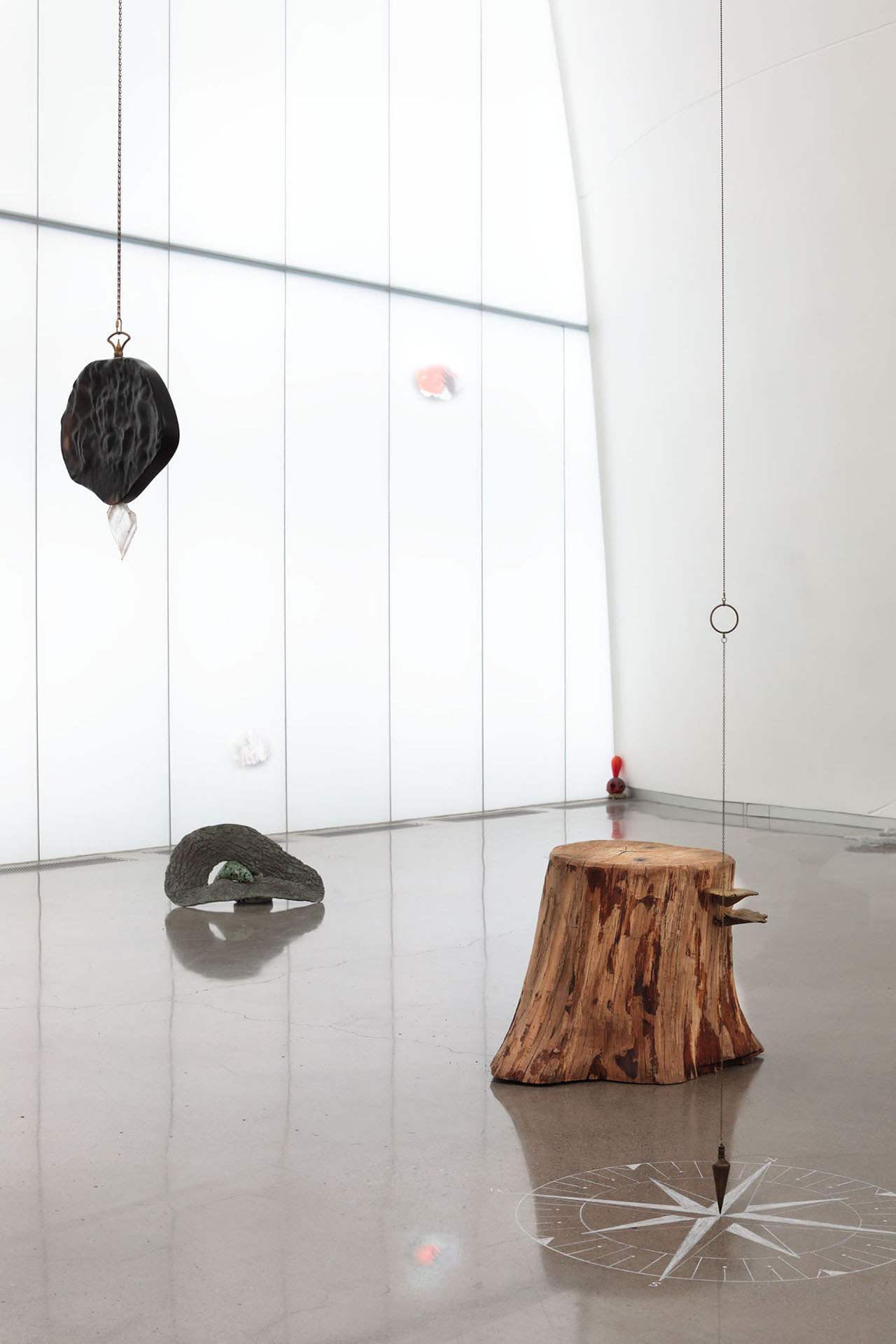
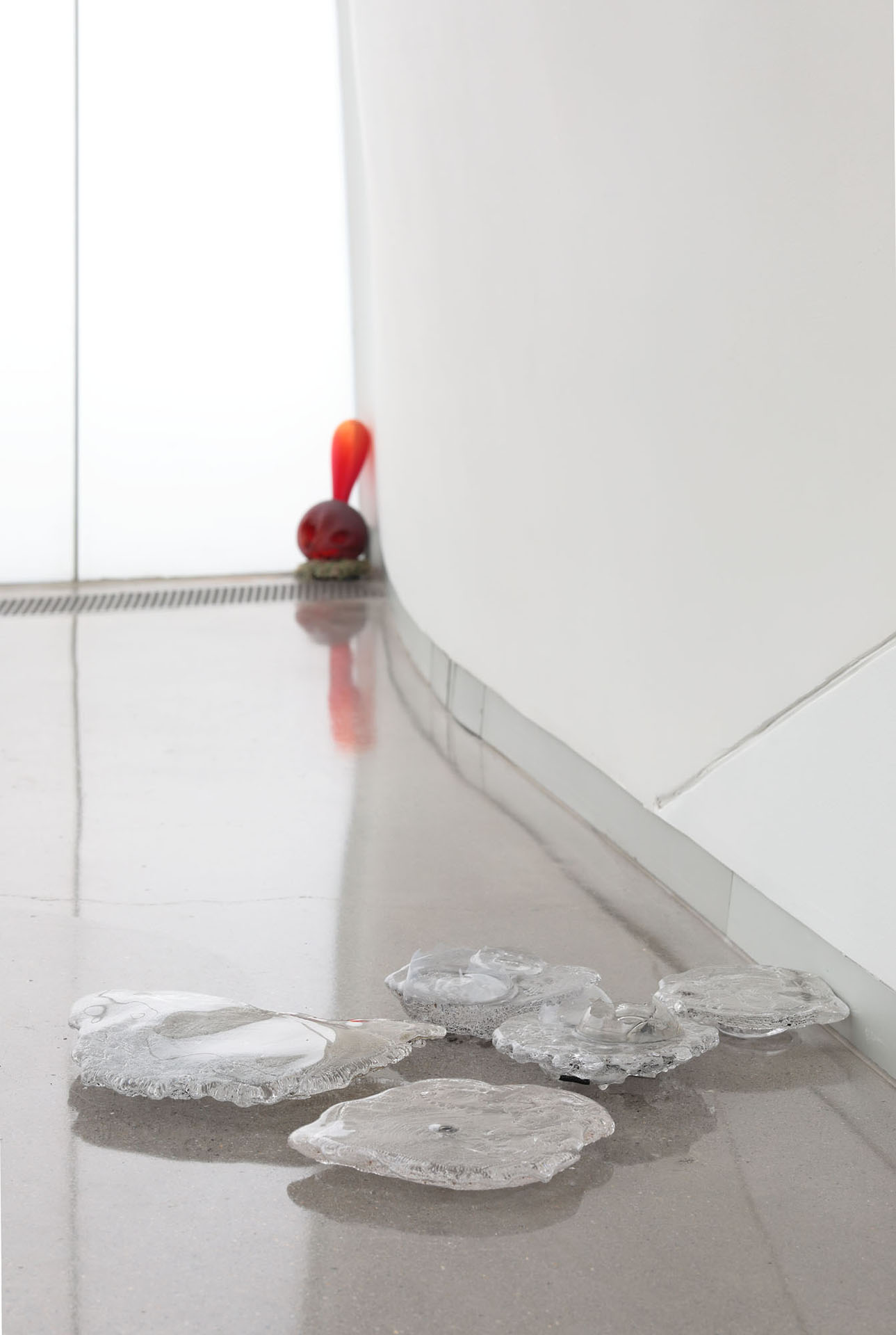
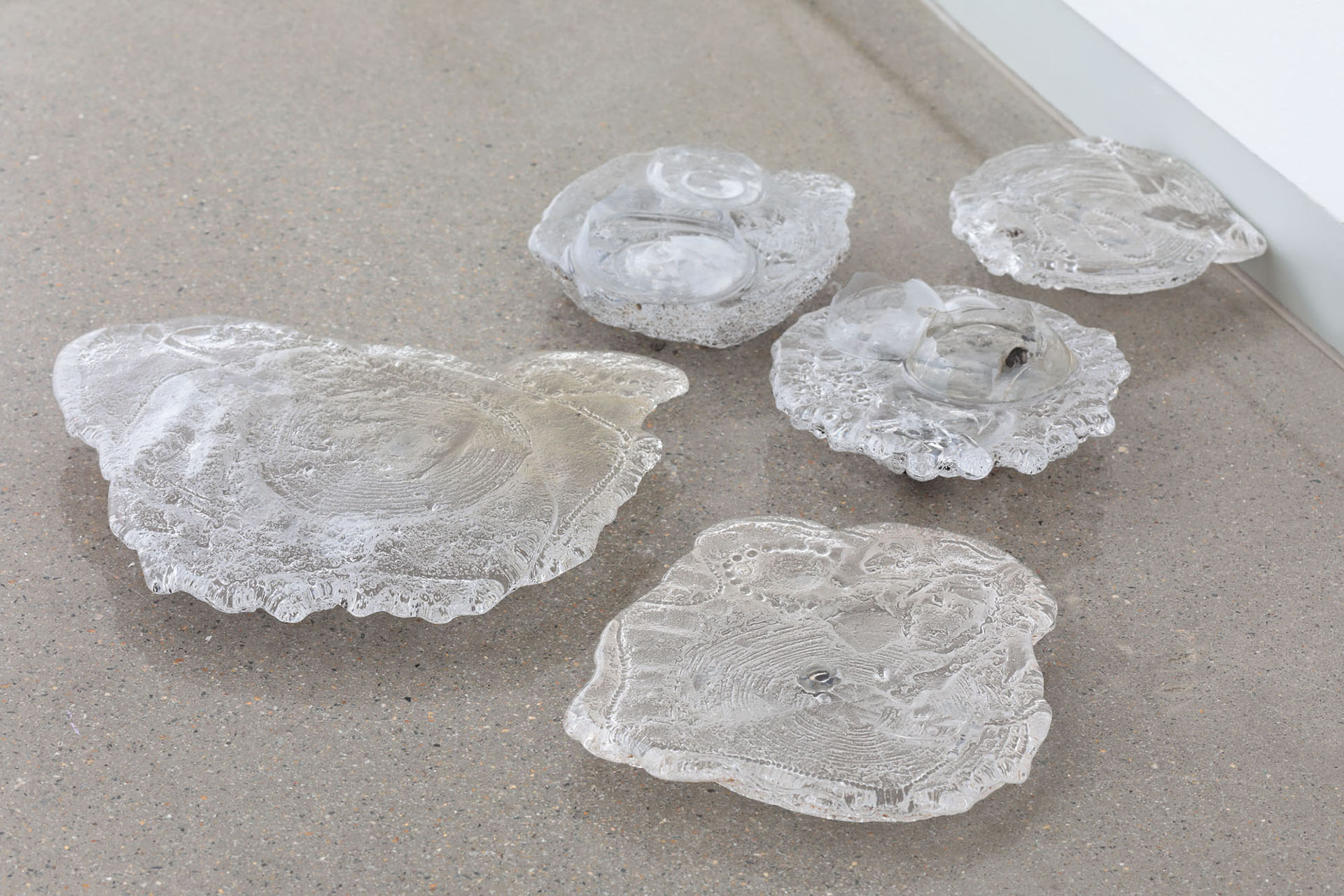
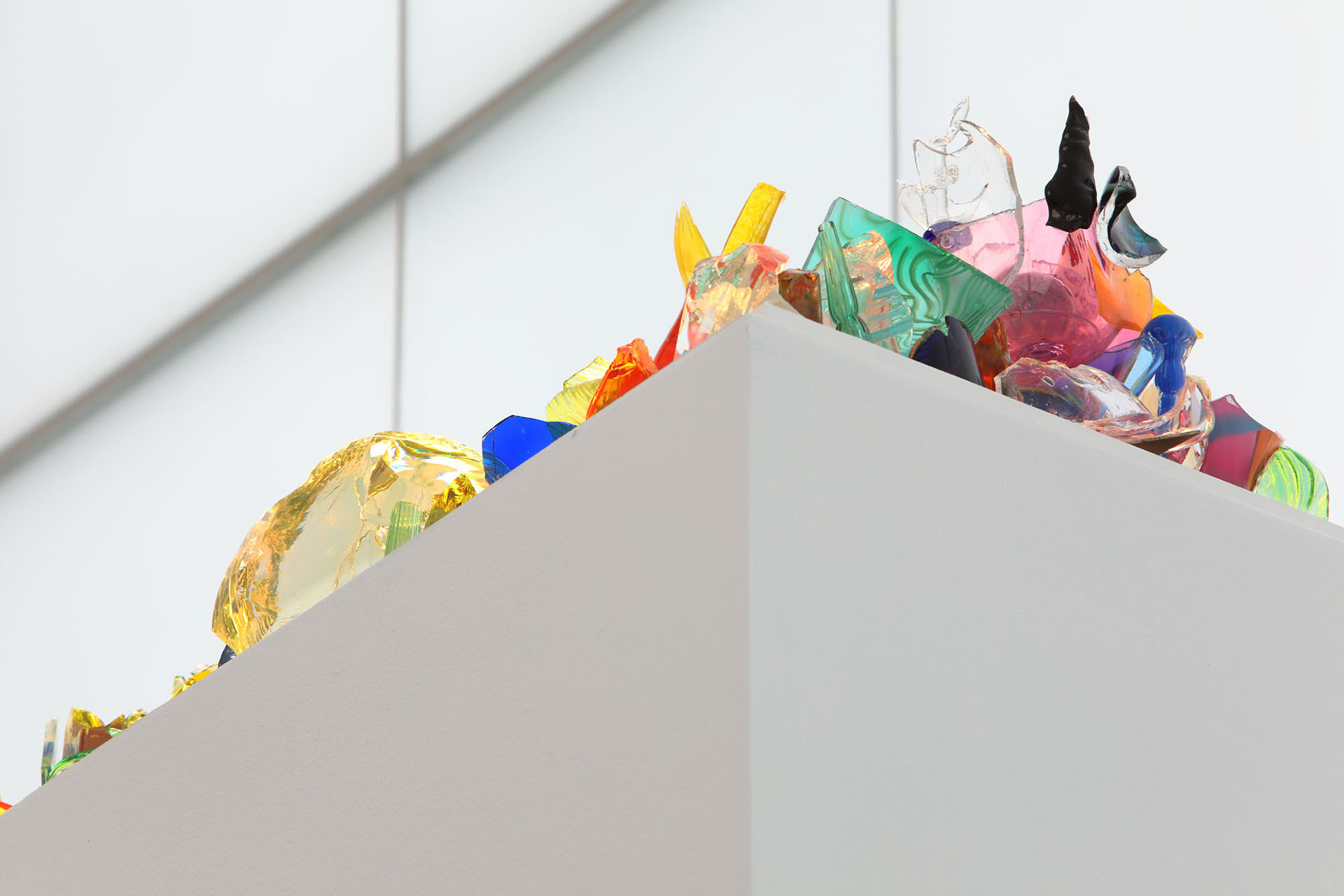
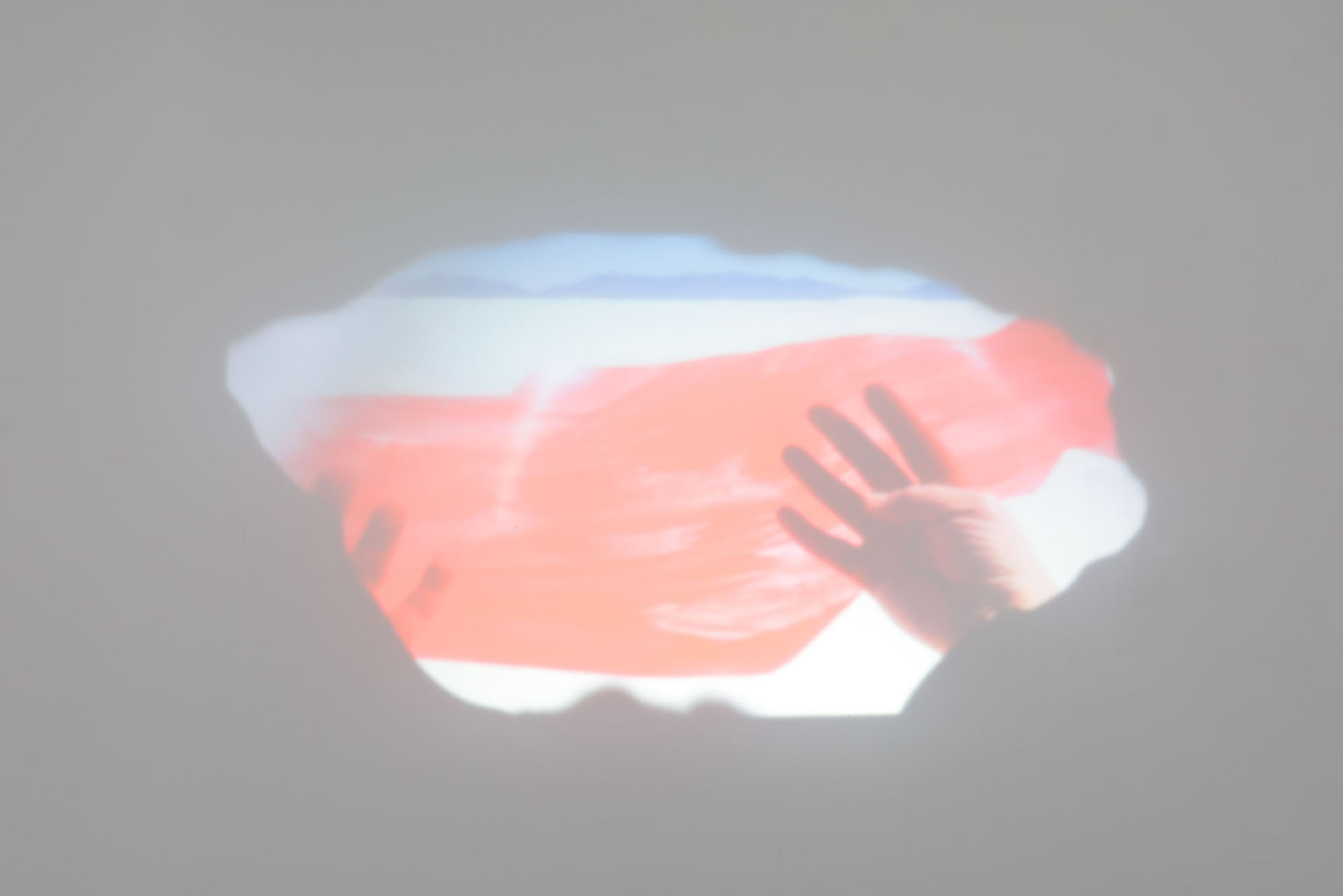
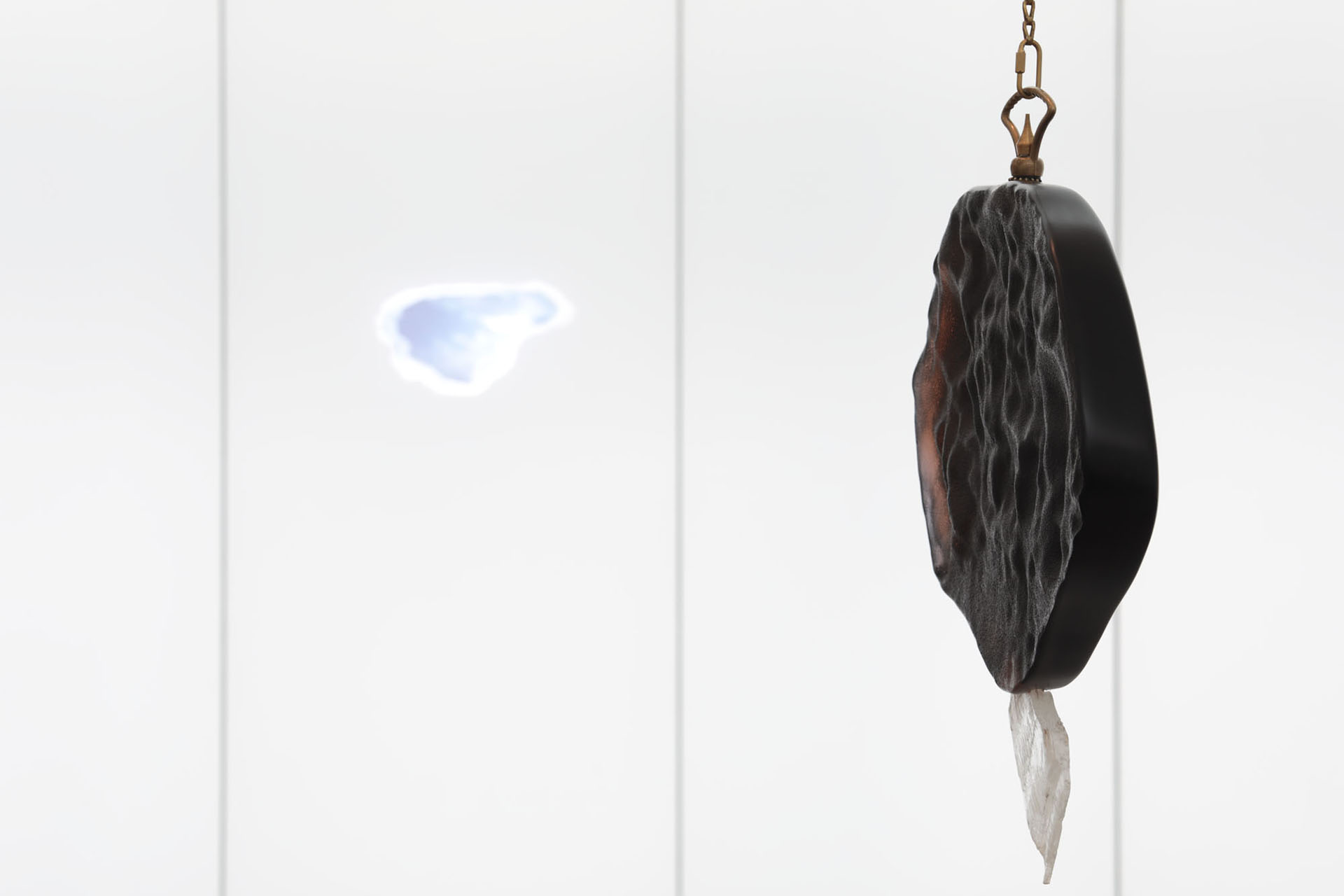
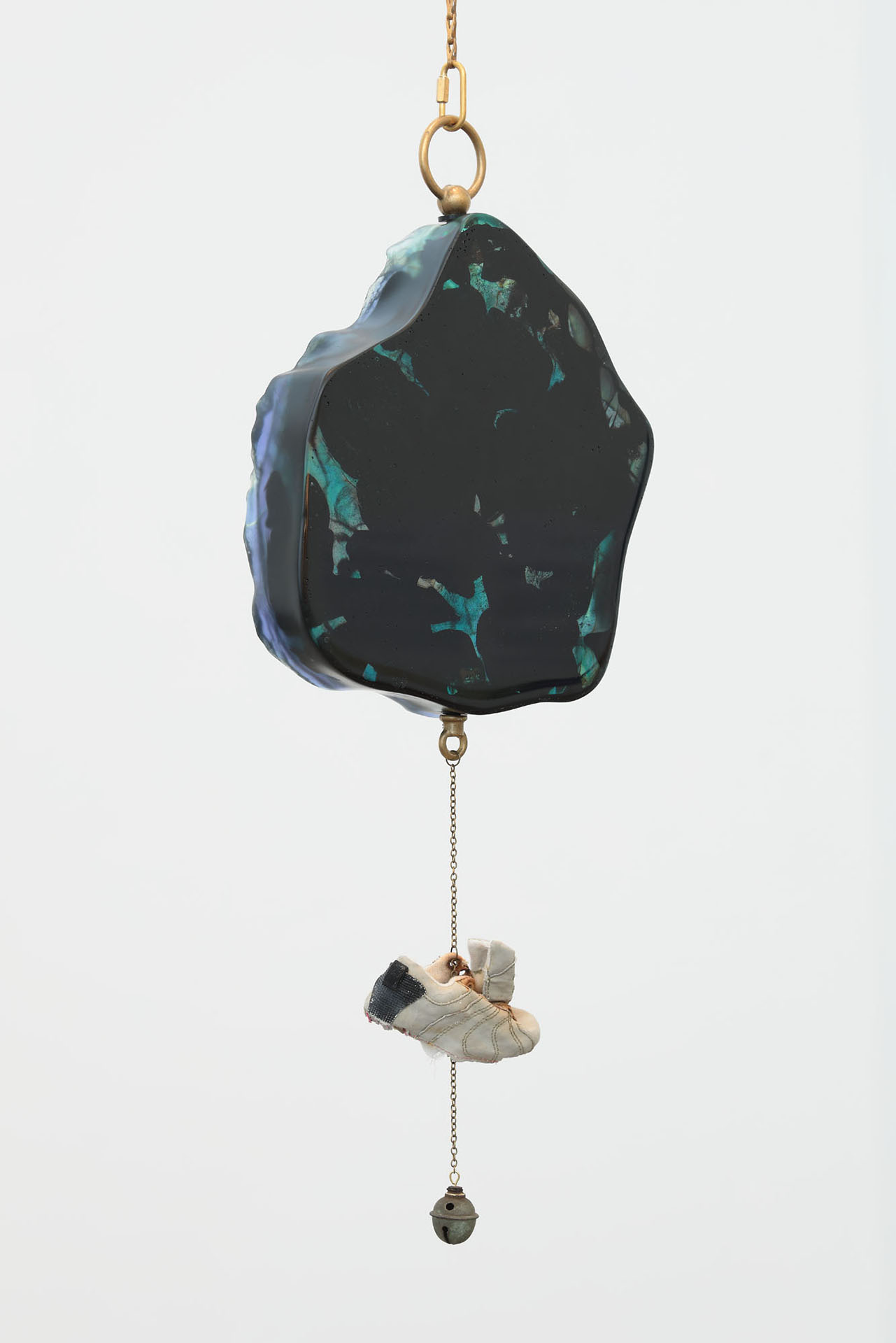
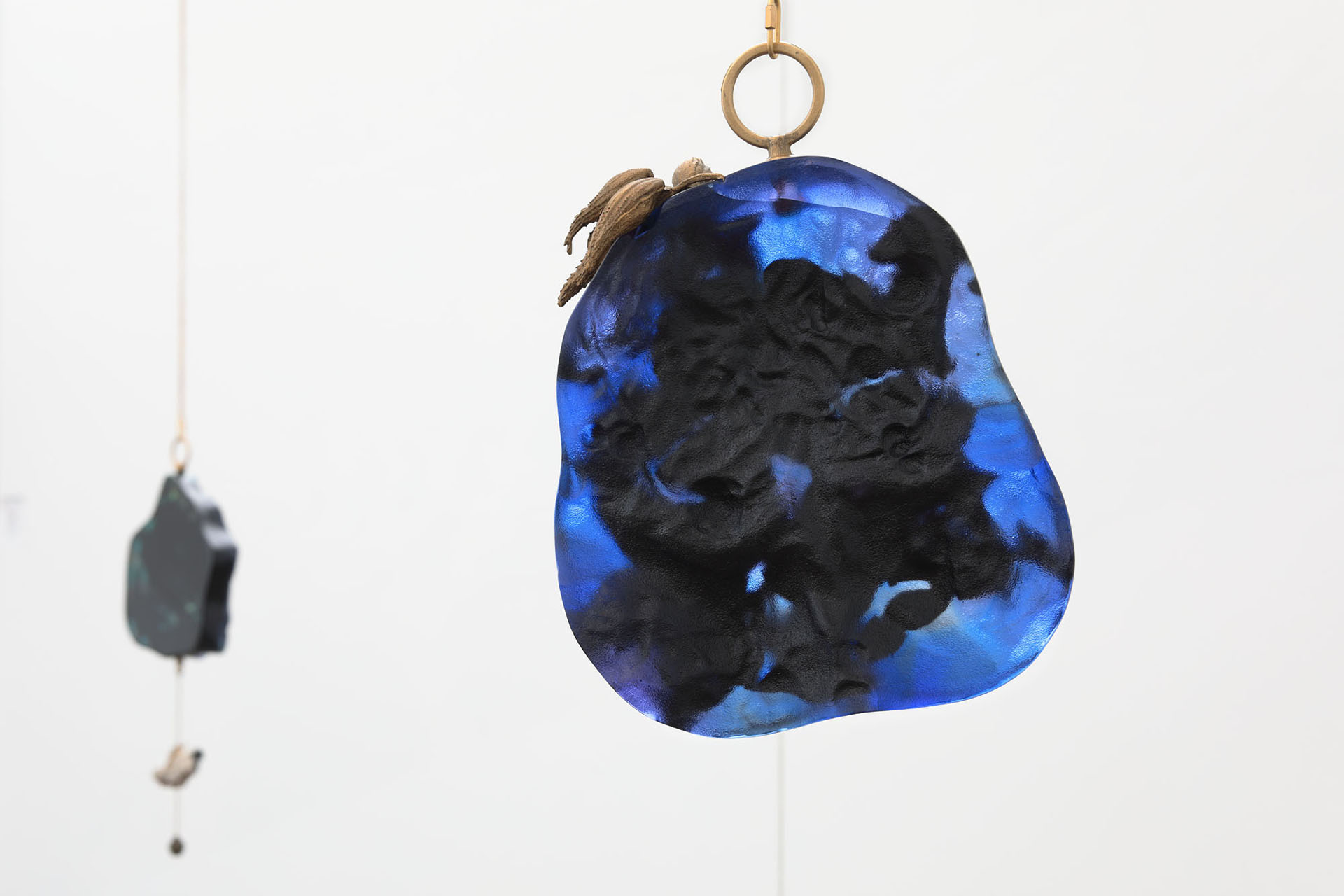
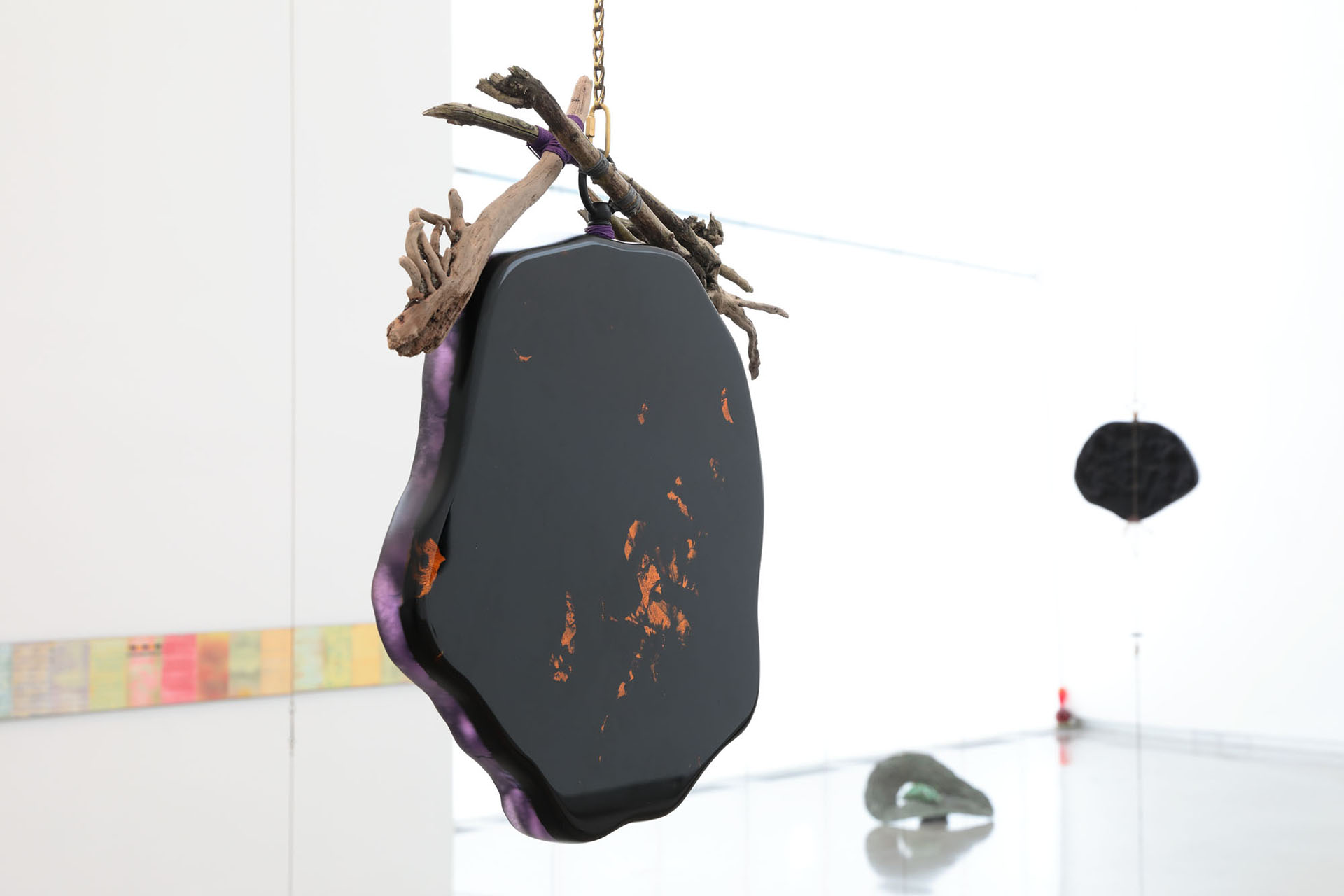
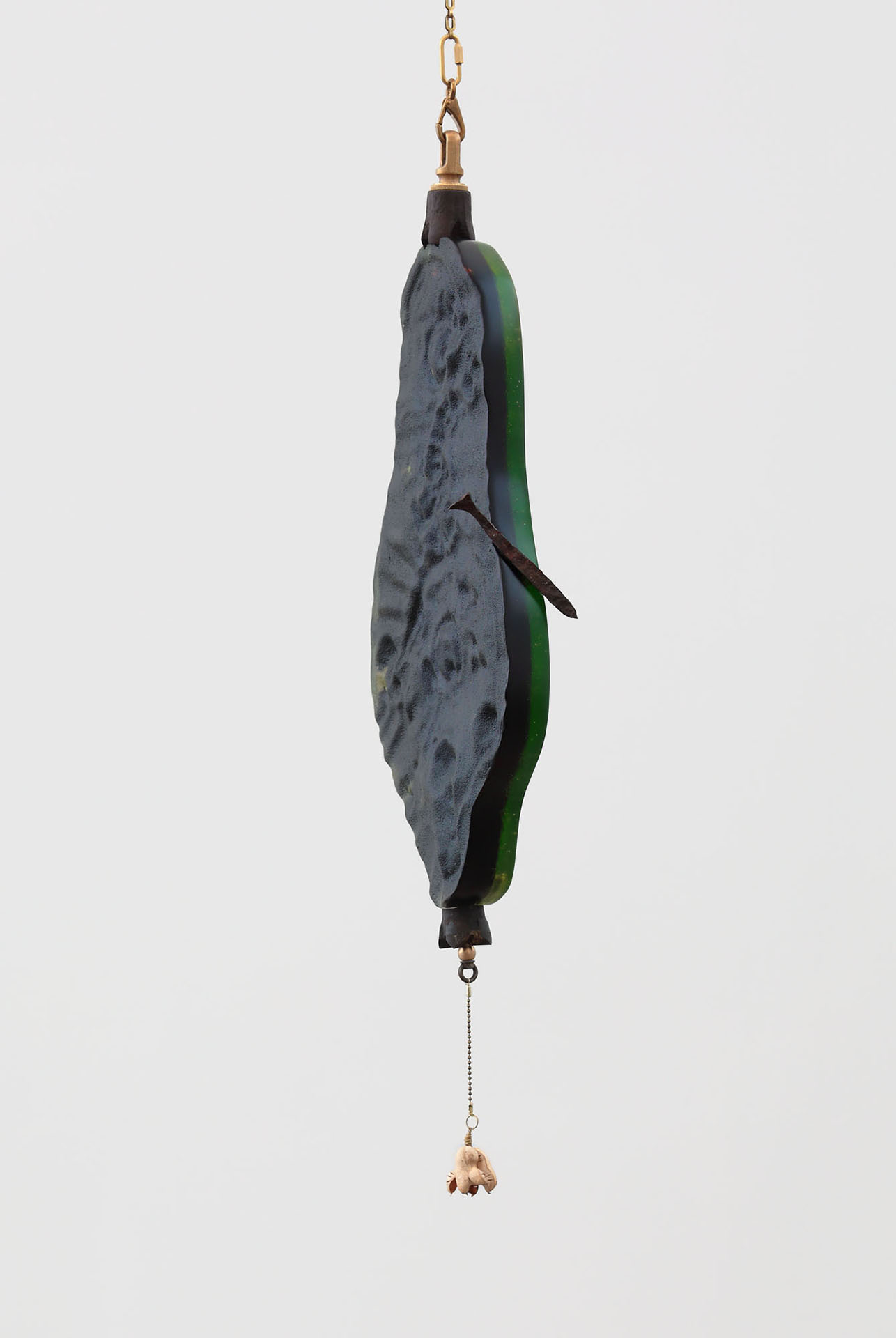
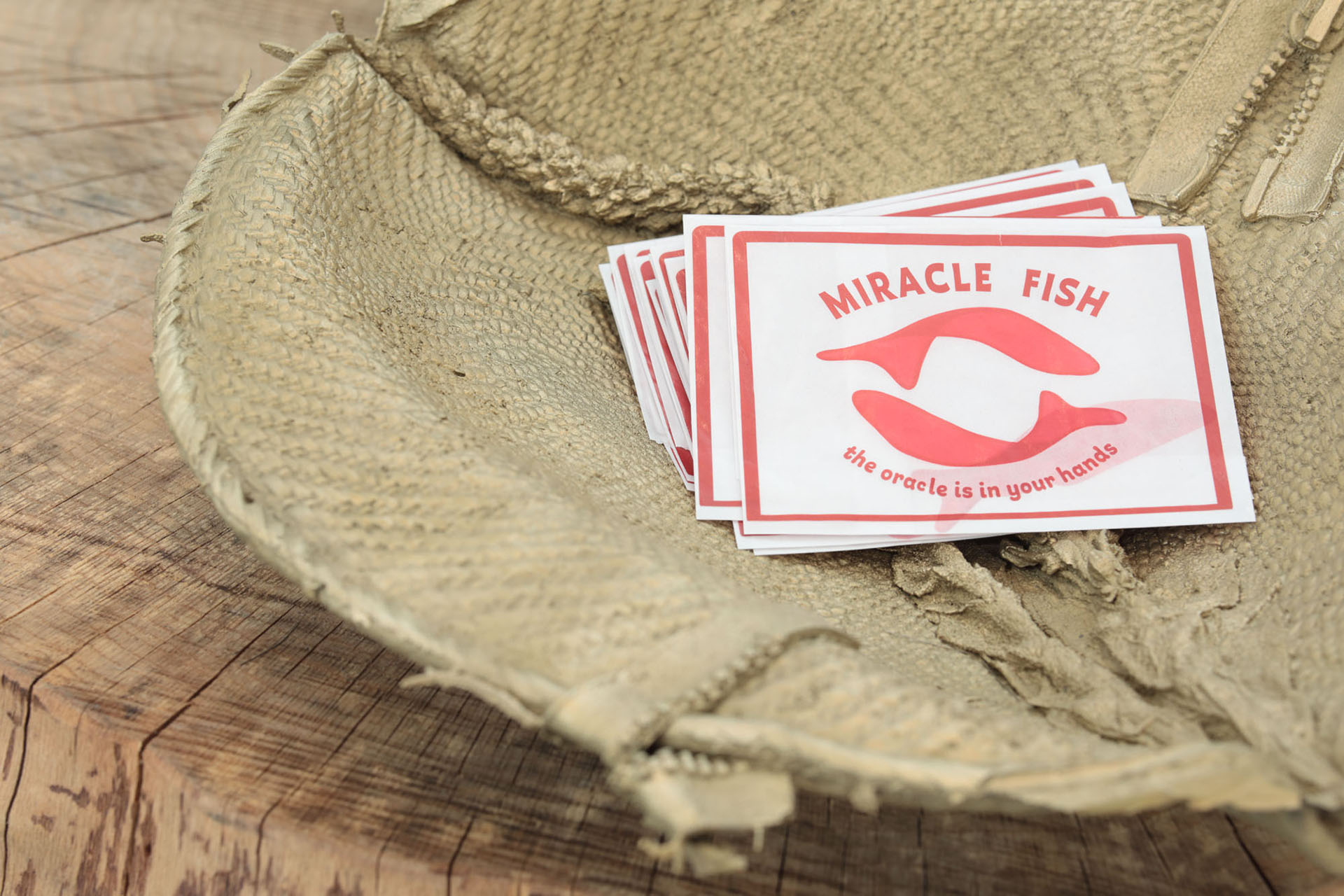
Lily Cox-Richard’s exhibition Disquiet in the Sand centers on a constellation of multicolored scrying mirrors, inspired by the ancient practice of gazing into a darkly reflective surface to unlock insight. Along the gallery walls, faint flapping forms recall the “miracle fish,” a fortune-telling novelty made of red cellophane. Implicit in these objects of divination is an invitation—to witches, mediums, and any co-conspirators—to participate collectively in the scrying process by looking deeply into these glass portals and listening for messages that emerge.
This newly commissioned body of work grew out of the artist’s interest in landscapes that have been profoundly transformed by military and tourism activity. Over repeated visits during full-moon cycles, Cox-Richard conducted rituals that left behind impressions in the sand at White Sands, New Mexico, a place that is home to a national park and an active missile range where the first atomic bomb was tested. They then used 3D scans of those impressions—as well as others from sites with complex human histories—to create molds for the cast glass mirrors.
Cox-Richard embraces glass as a material and a conduit. These pieces function as artifacts, but also as catalysts for perceiving and interpreting wisdom hidden within the earth and ourselves. They prompt us to consider how the land can serve as both a witness and a guide amid our current global crises; how we can move forward through reflection, ritual, and community; and how listening can become a lifelong devotion.
Disquiet in the Sand was curated by Amber Esseiva, acting senior curator of the ICA.
List of Works:
Scrying Portal: White Sands, New Mexico, October 2024
cast glass, mining bits, found material, hardware
Scrying Portal: Tellen at Lake Michigan, October 2024
cast glass, cast brass, found material, hardware
Scrying Portal: Parque del jaguar, Tulum, Q.R., December 2024
cast glass, selenite, found material, hardware
Scrying Portal: White Sands, New Mexico, March 2025
cast glass, selenite, found material, hardware
Scrying Portal: First Landing, Virginia, May 2025
cast glass, driftwood, found material, hardware
Sill Swarm, 2025
multichannel video installation
editor and animator: Frances Adair Mckenzie
The Massive Ocean Inside, 2025
large video projection
editor: Frances Adair Mckenzie
Cauldron of Bats, 2025
bats in window
third eyelid blinks transparent eyeball, 2025
owl in window
Miracle Fish, 2025
risograph on glassine, cellulose acetate
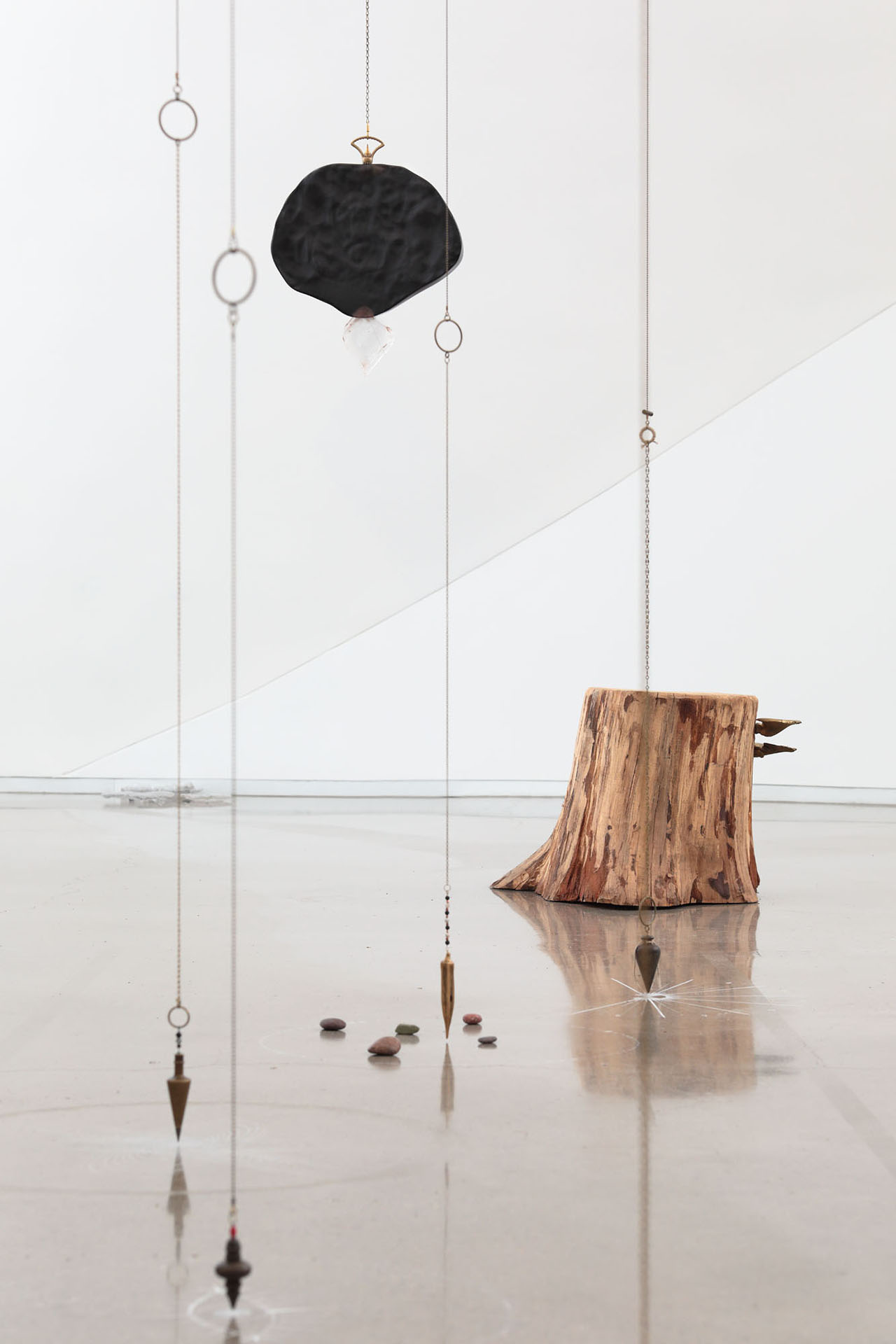
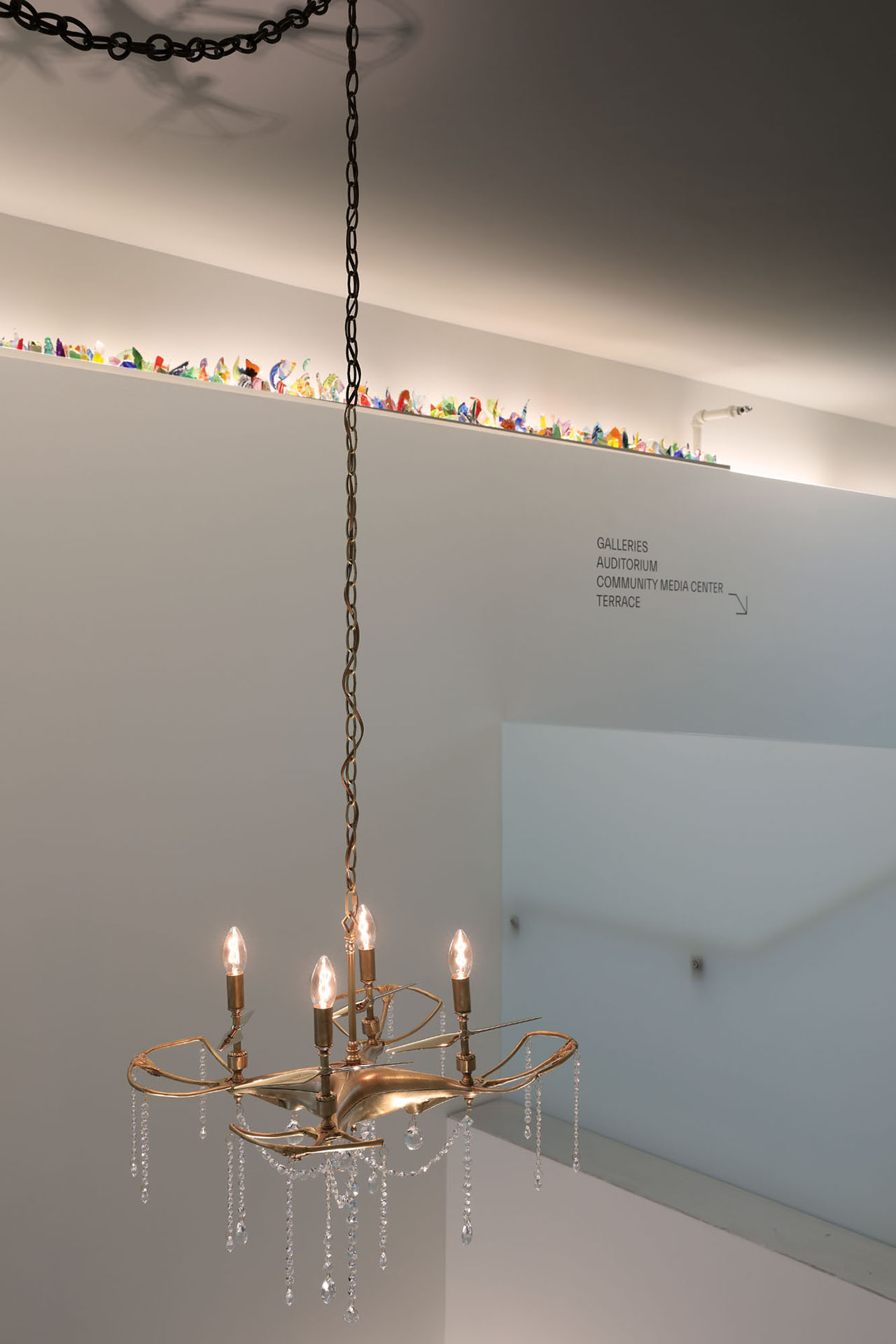
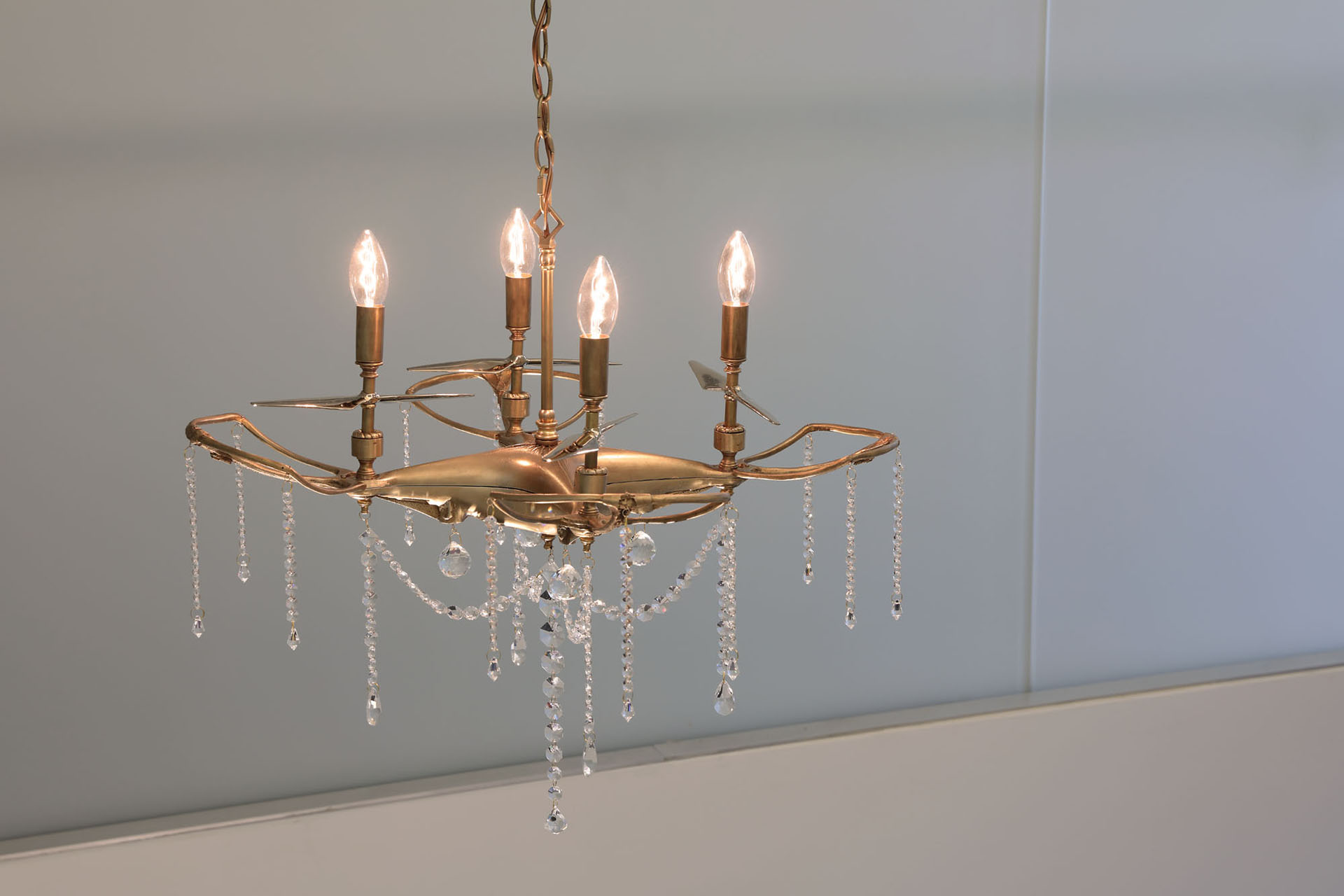
Drone Chandelier No. 2, 2025
cast brass, PVD gold-plated brass, found crystal, lead crystal, lighting hardware, wiring
Viewing/resting places, 2025
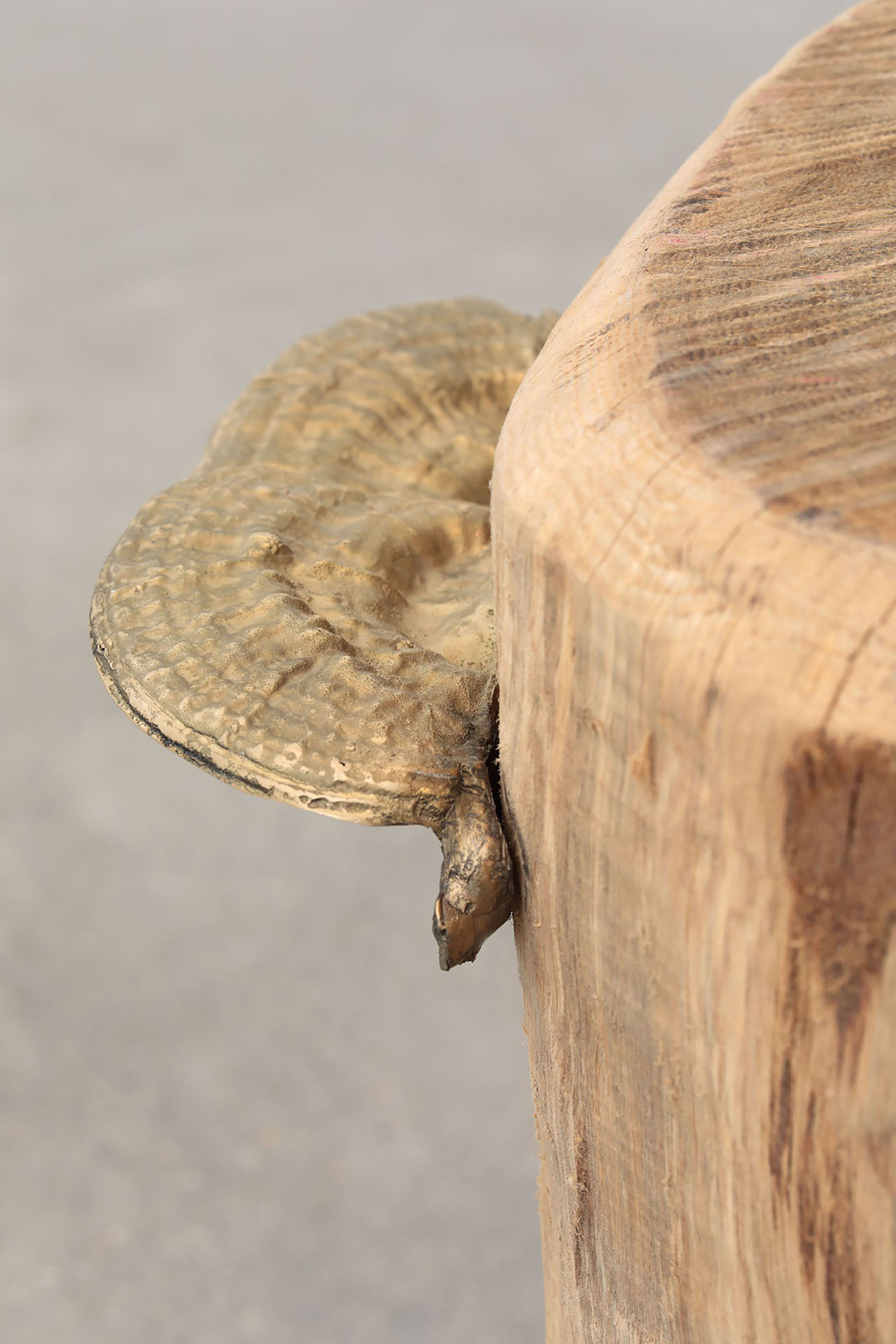
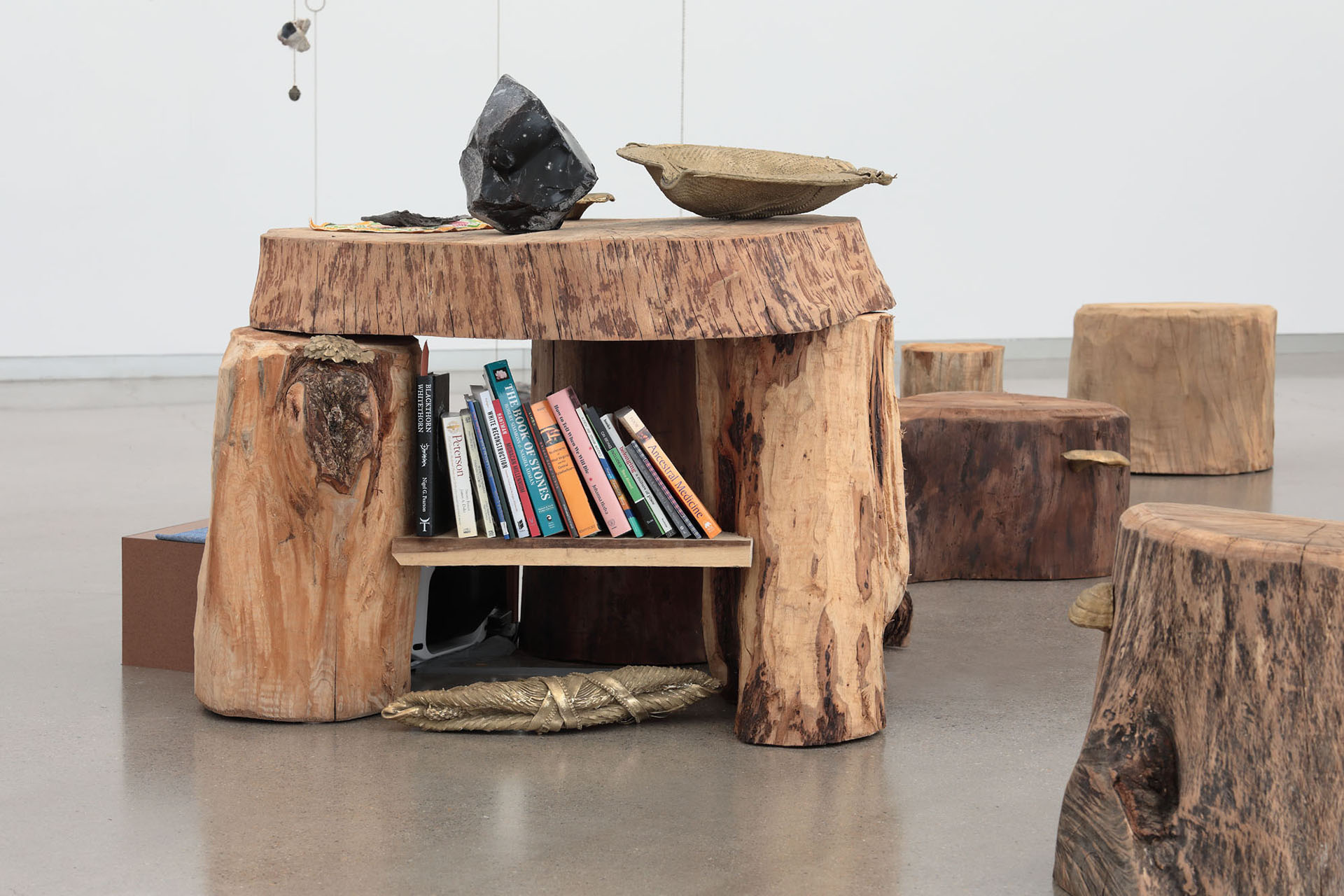
tree stumps, jesmonite, cast brass
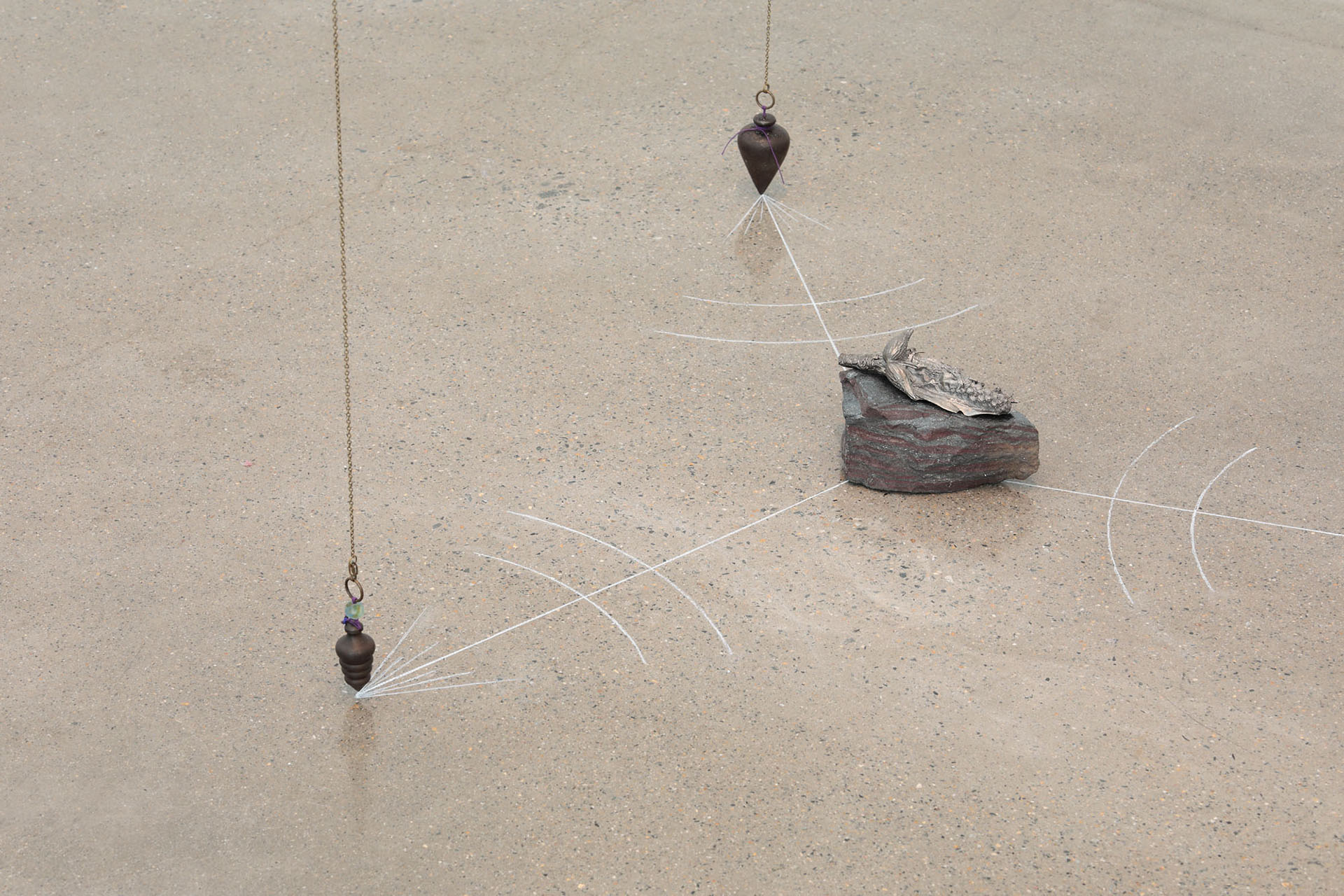
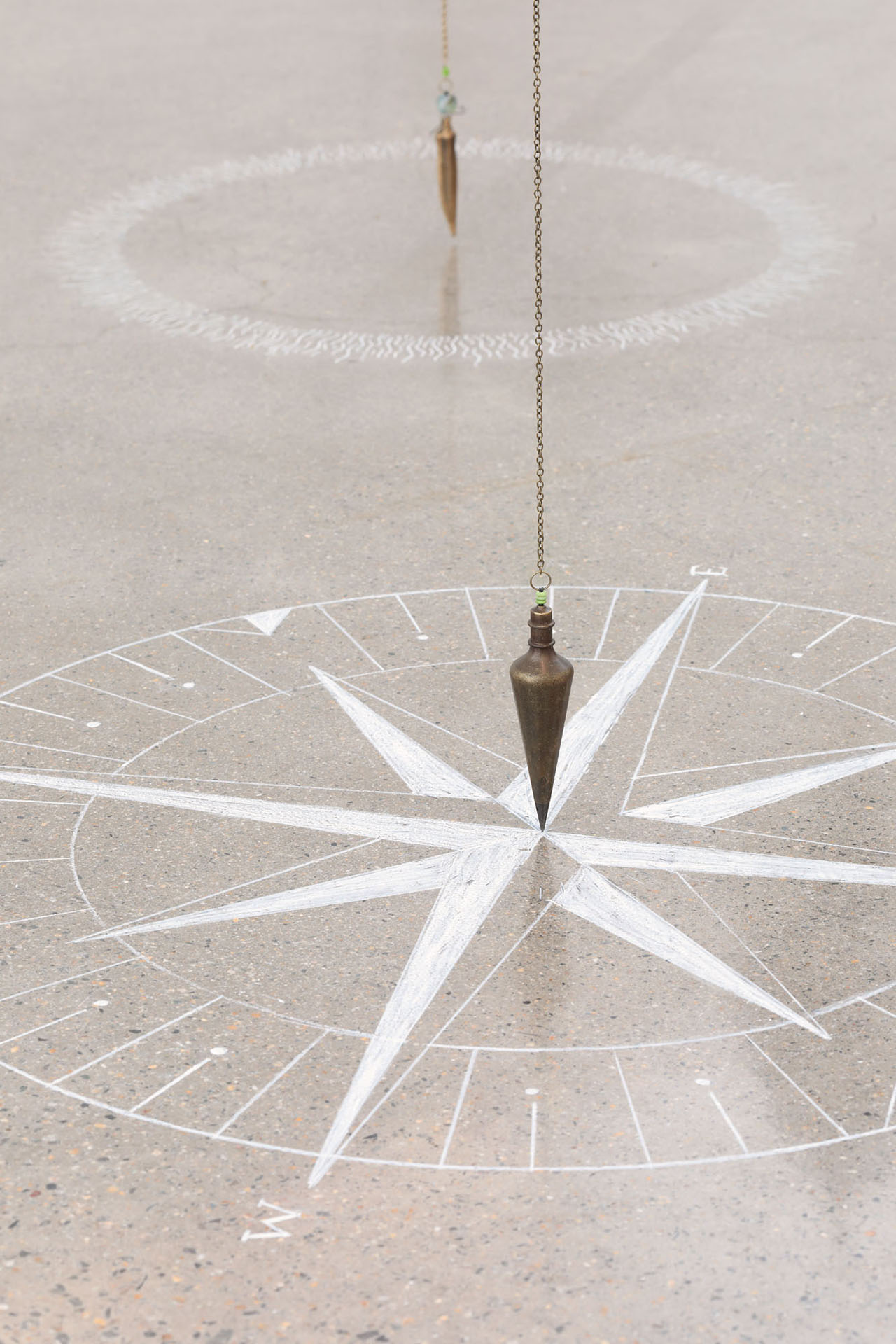
Pendulums, 2025
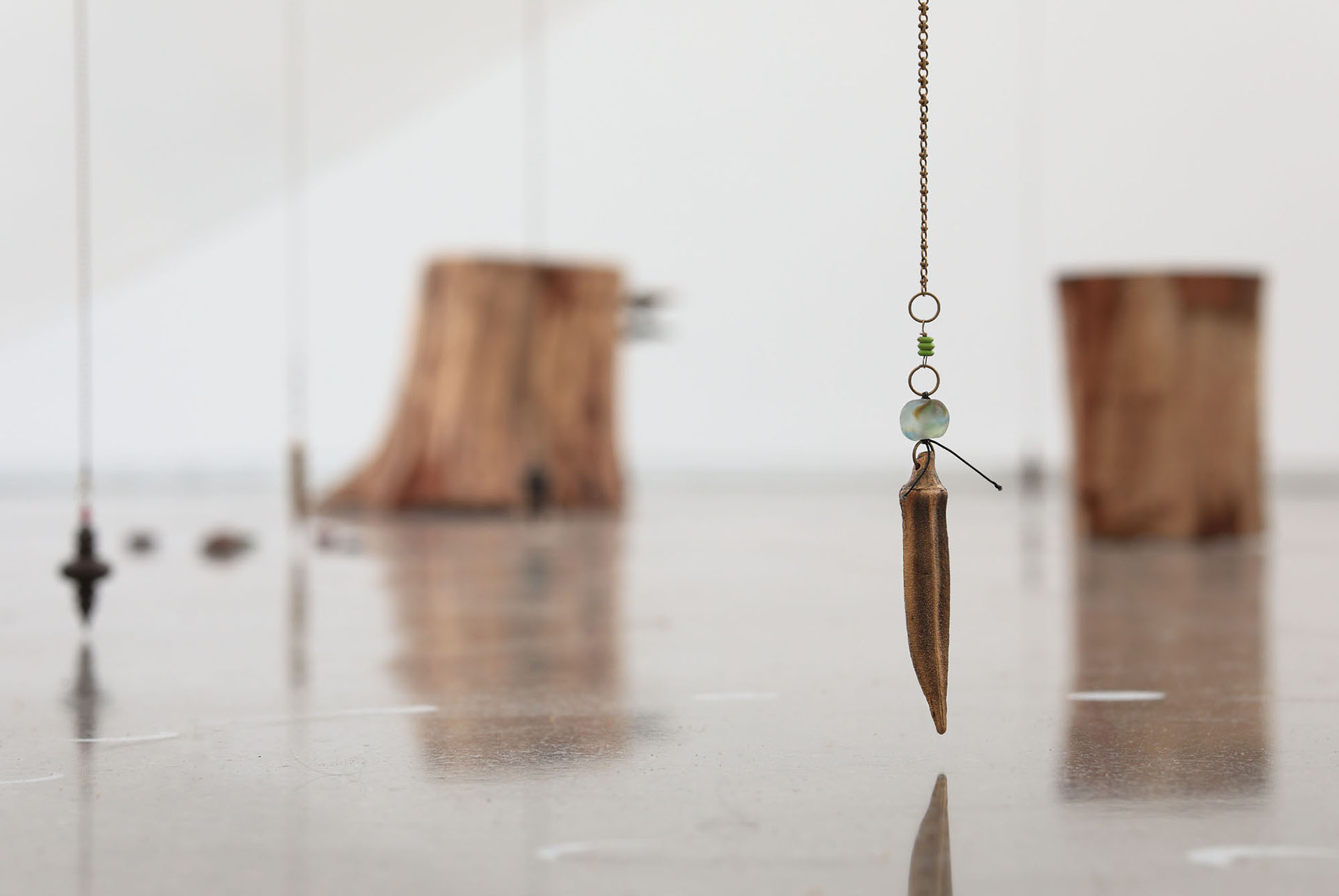
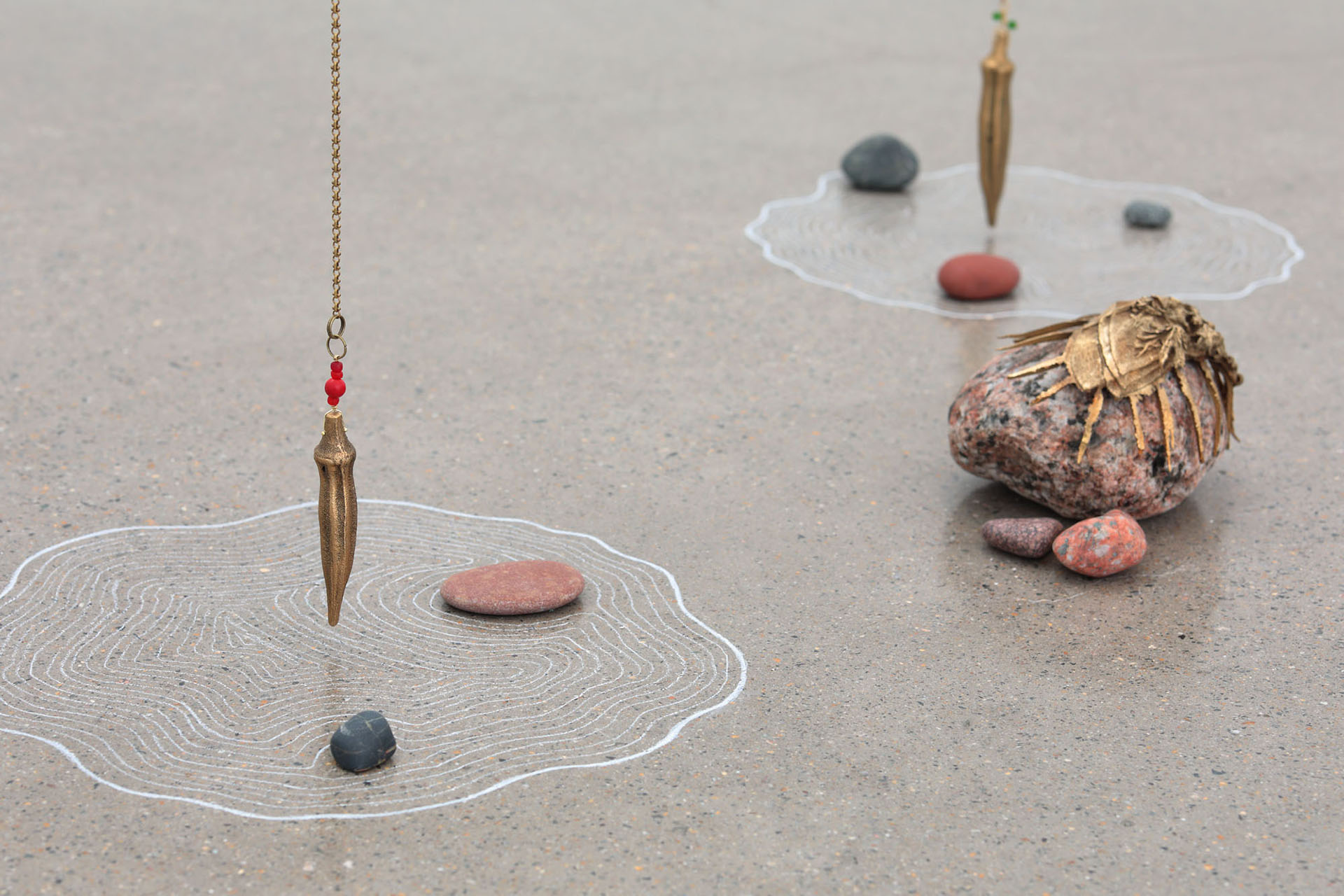
cast brass, plumb bobs, hardware, found materials
Disquiet Berm, 2025
repurposed glass
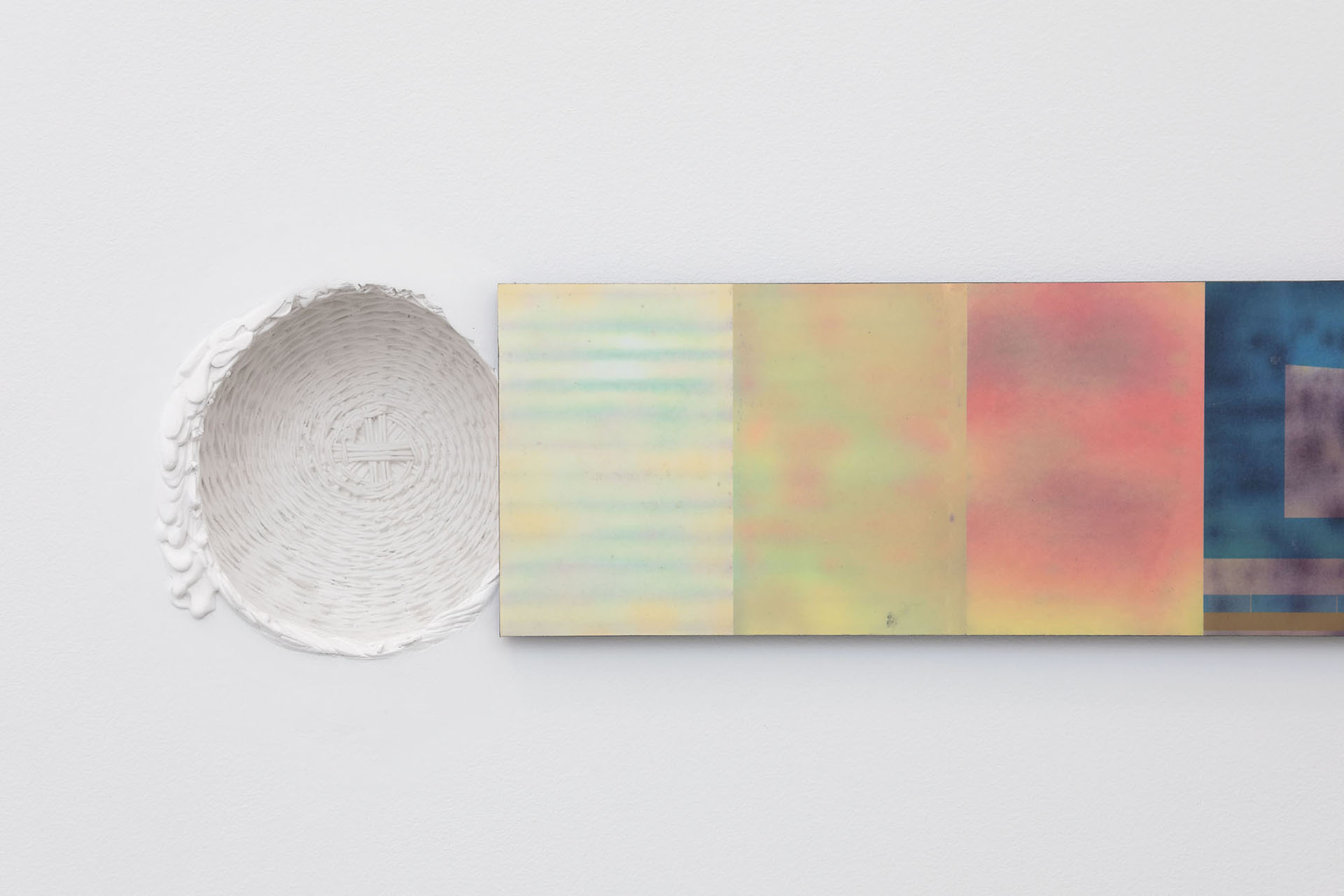
Candle prints/Wattle and Daub, 2016-
digital prints of mixed papers with candle sweat mounted on black PVC, gypsum cement, candles, wall
Kindling (for our secret fire), 2021
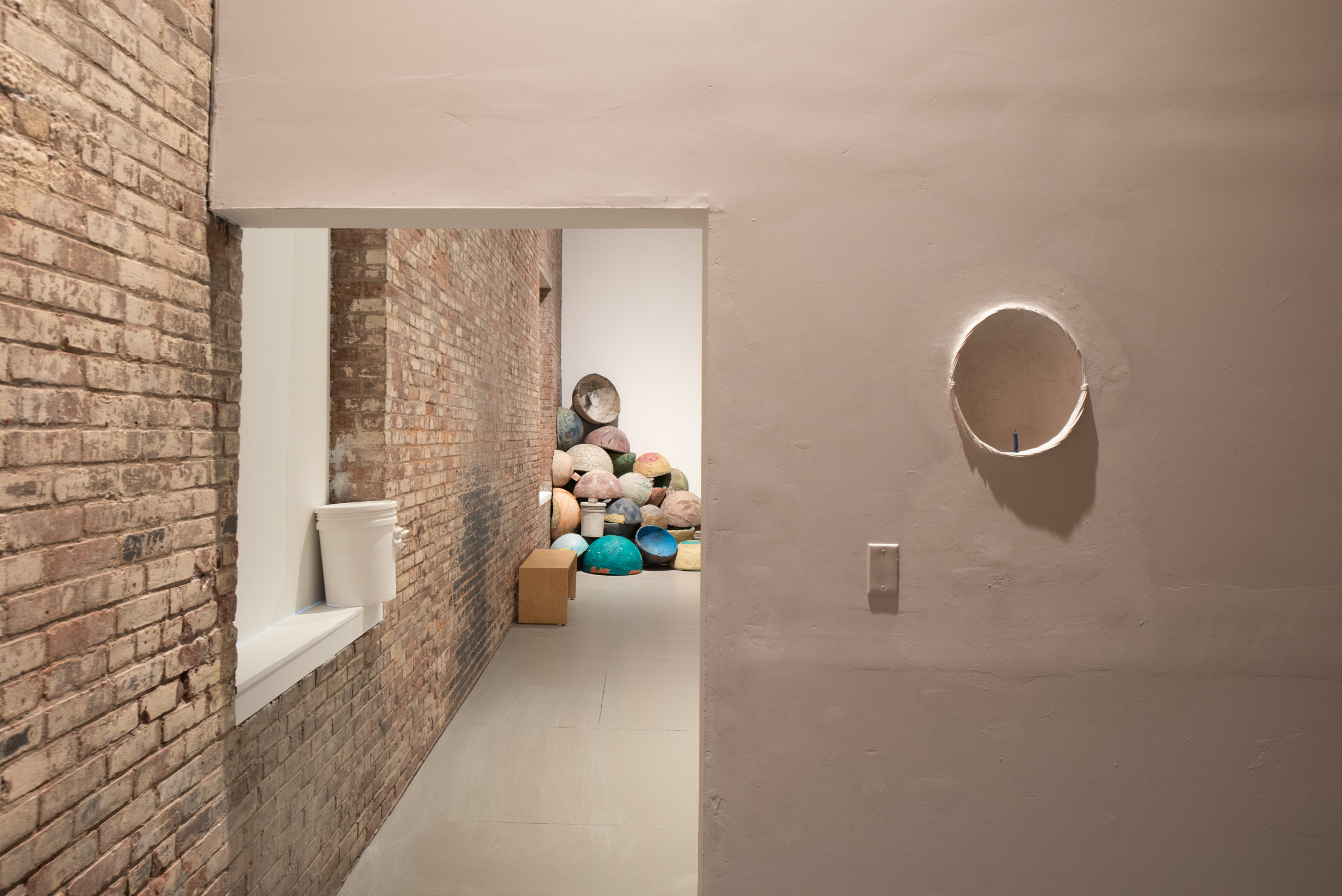
cast, modeled, and polished concrete aggregates, glass, stone, shells, gifted marbles, and other materials
Witness / American Darling, 2022-
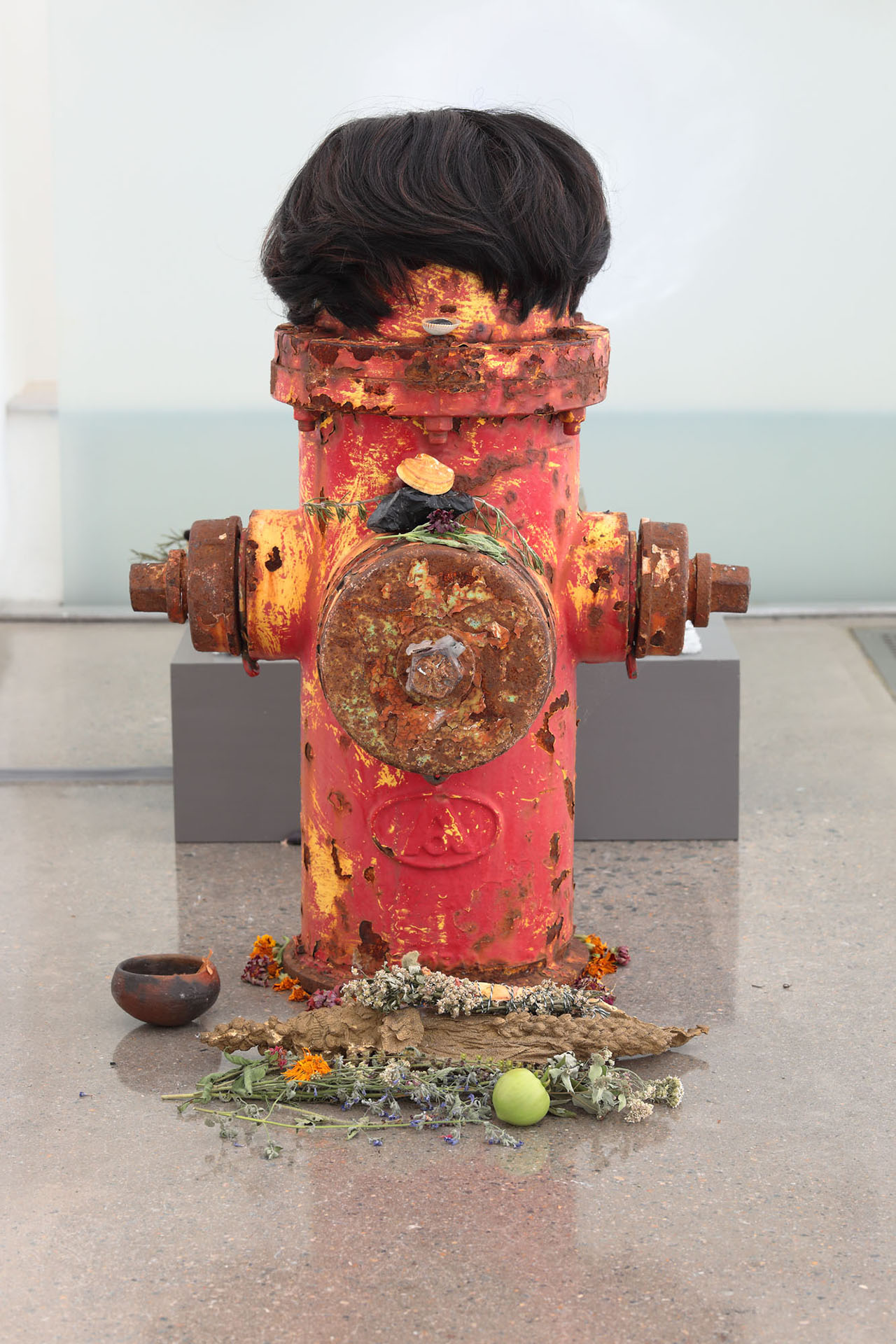
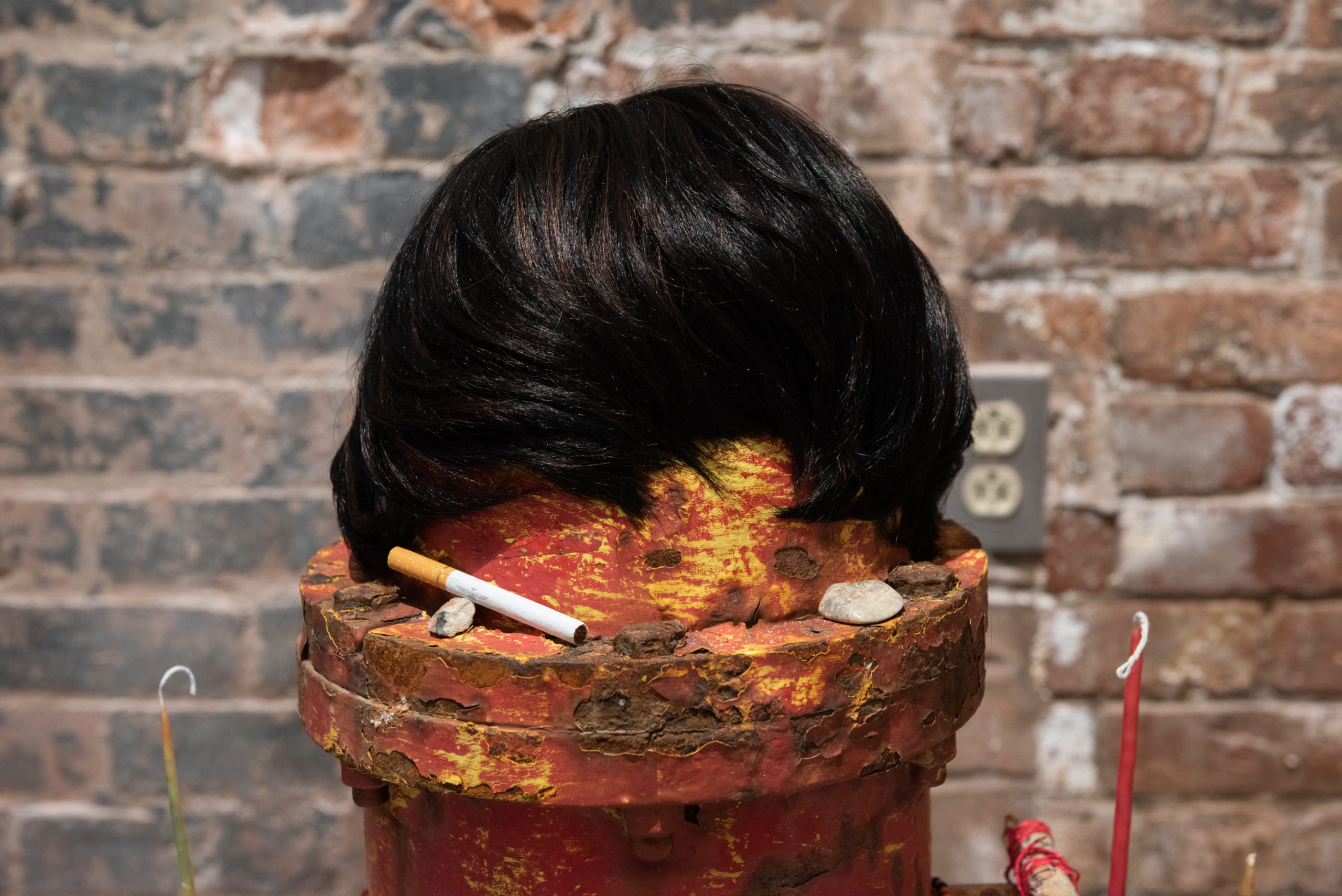
decommissioned fire hydrant, wig, offerings
Offering Bundle 1: iron on hematite, 2024
cast iron, banded hematite
Offering Bundle 10: cast brass and spells on granite, 2024
cast brass, granite
Credits:
This project was realized with the trust, expertise, and labor of everyone at the ICA. They would like to thank their co-conspirators and collaborators: 3D Central, Aidan Phalan, Austin Reavis, Bohyun Yoon, Cassie Knudsen, Frances Adair Mckenzie, Isa Dray, Jack Wax, Jaden Lucid McKenzie, Kai Gurley, Ken Sager, Kohler Arts/Industry Residency, Laura August, Mia Feuer, Michael Jevon Demps, Min Haeng Kang, Mycelium Works Collective, Ray Crouch, Ray Fidlow, Rebecca Guanzon, Staci Katsias and The Perry Glass Studio at Chrysler Museum, George Ferrandi and The Moon. The artist honors the land, its spirits and stewards, and the ancestors and future generations of The Monacan Nation and Powatan Chiefdom.
The exhibition’s presentation at the ICA at VCU is made possible by generous support from:Markel, Nancy Graves Foundation, VCU Foundation and Ashley Kistler.
Photography by David Hale
Forms:

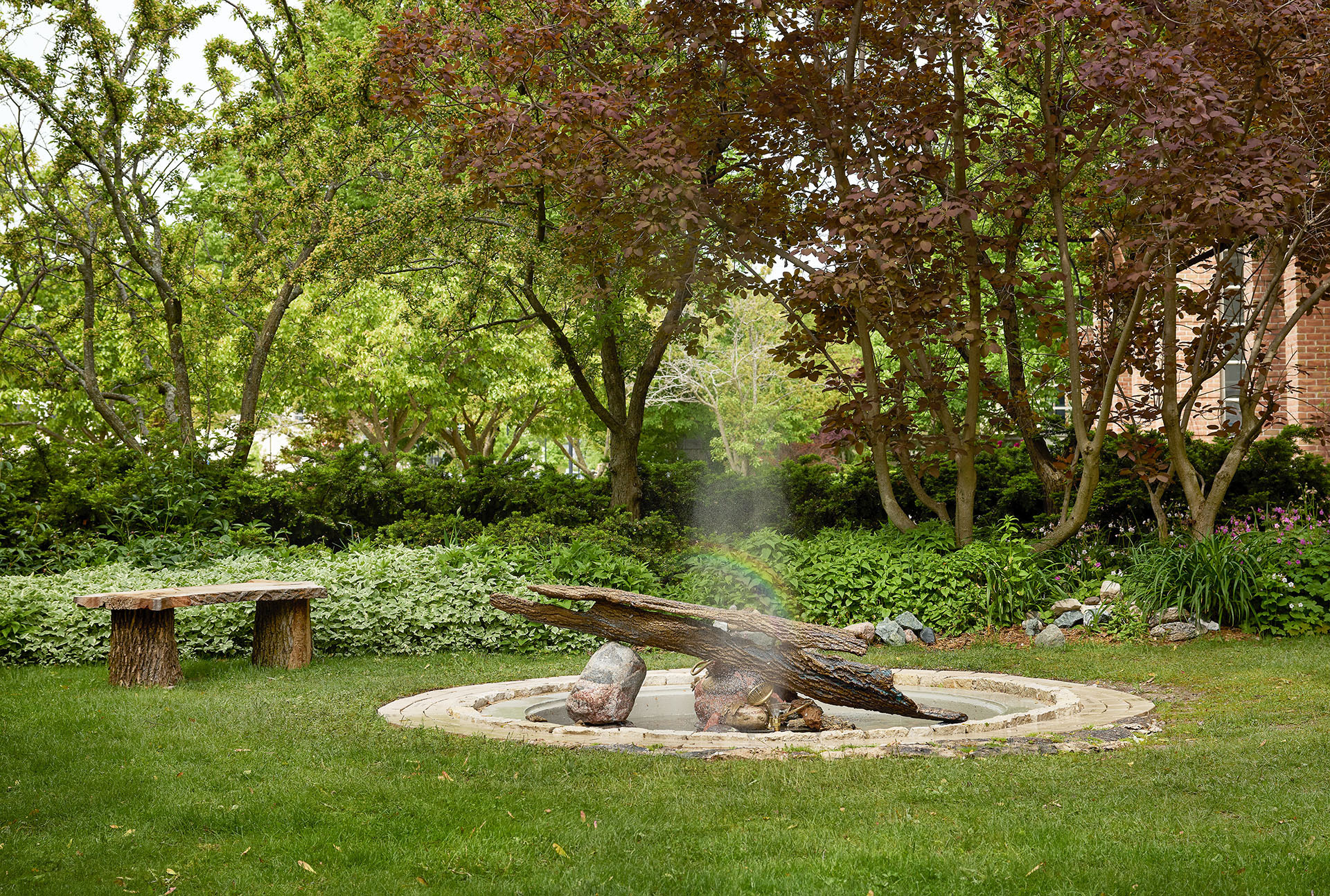
Water Sprouts and Remains (an unfolding), 2024
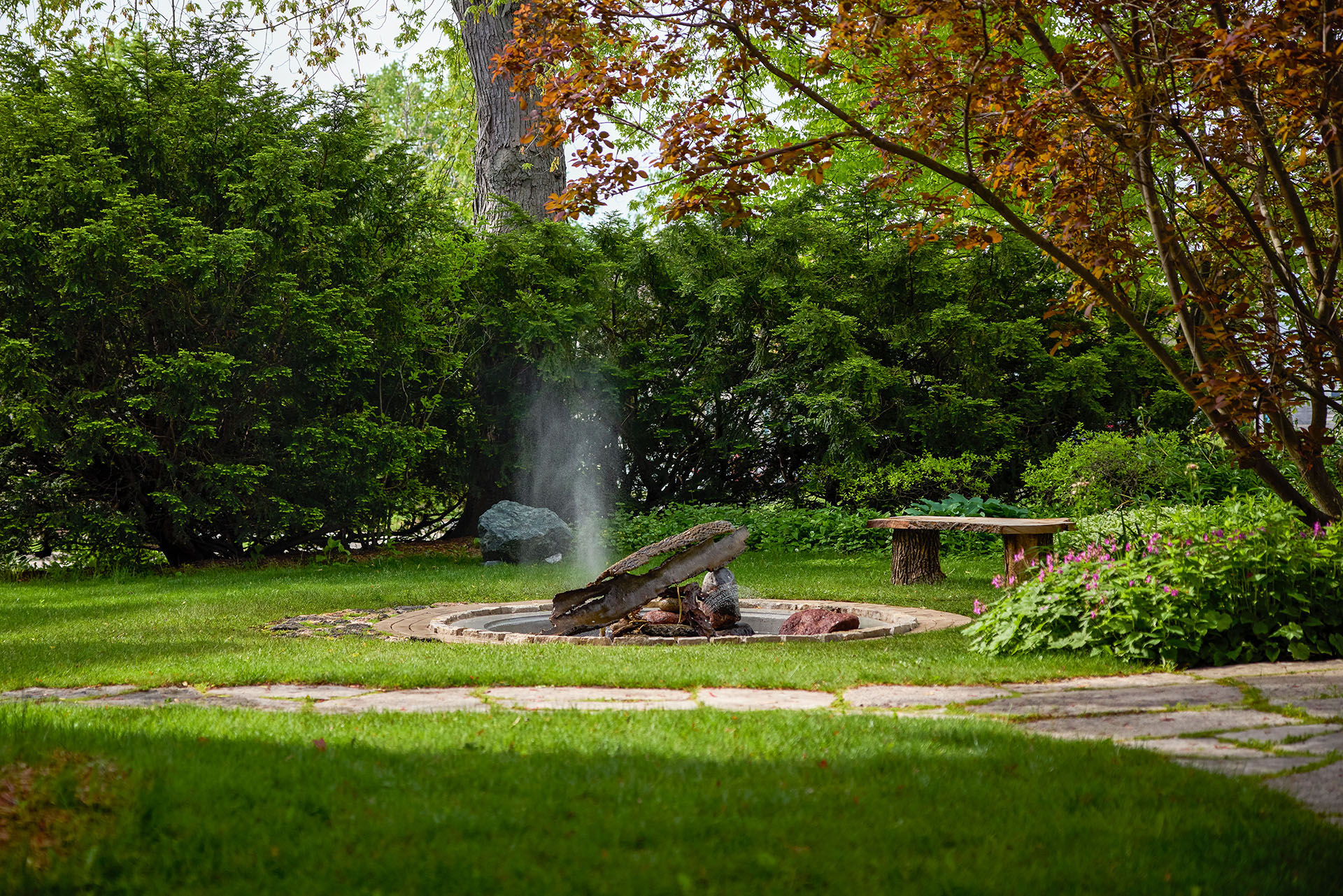
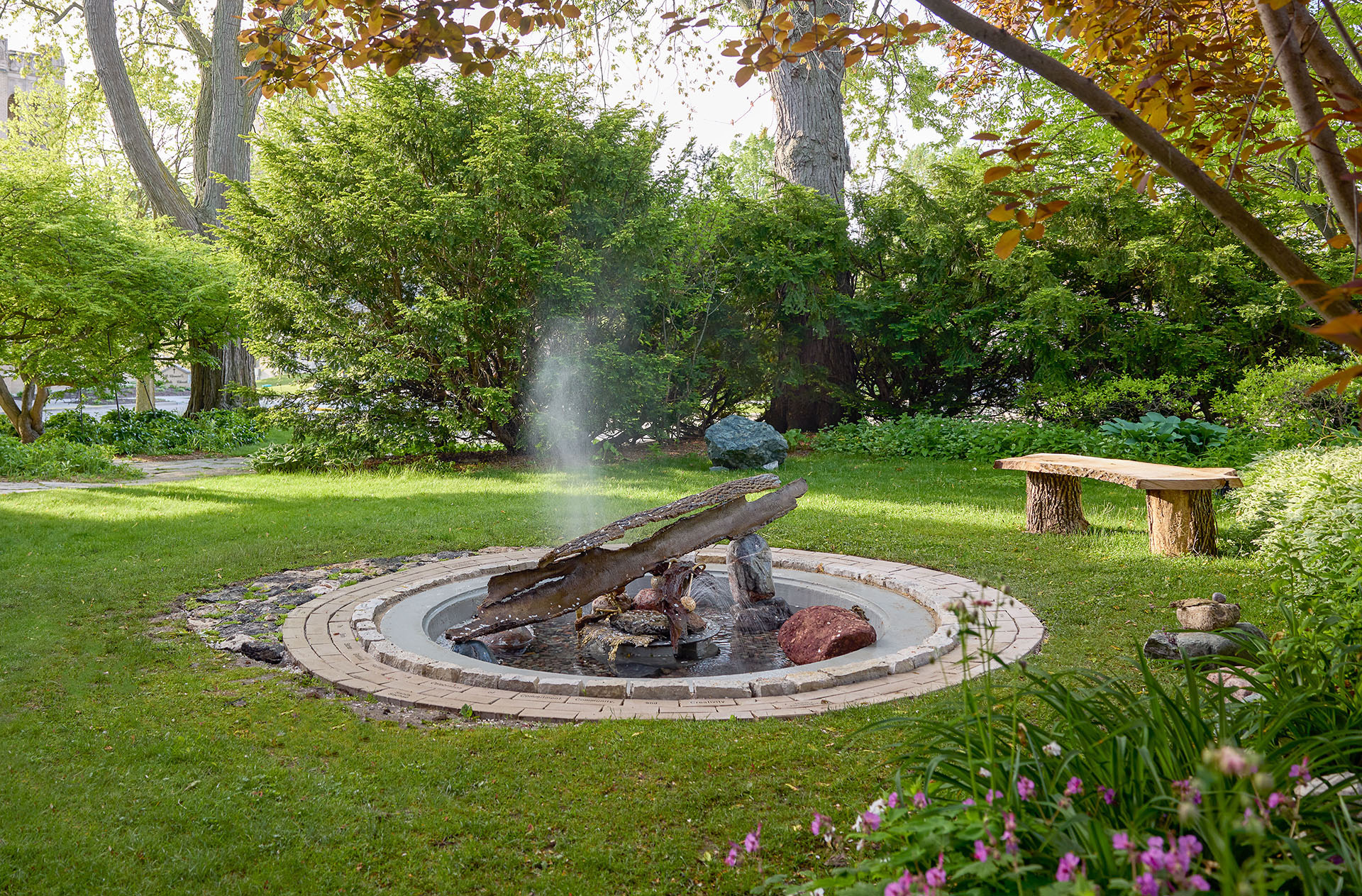
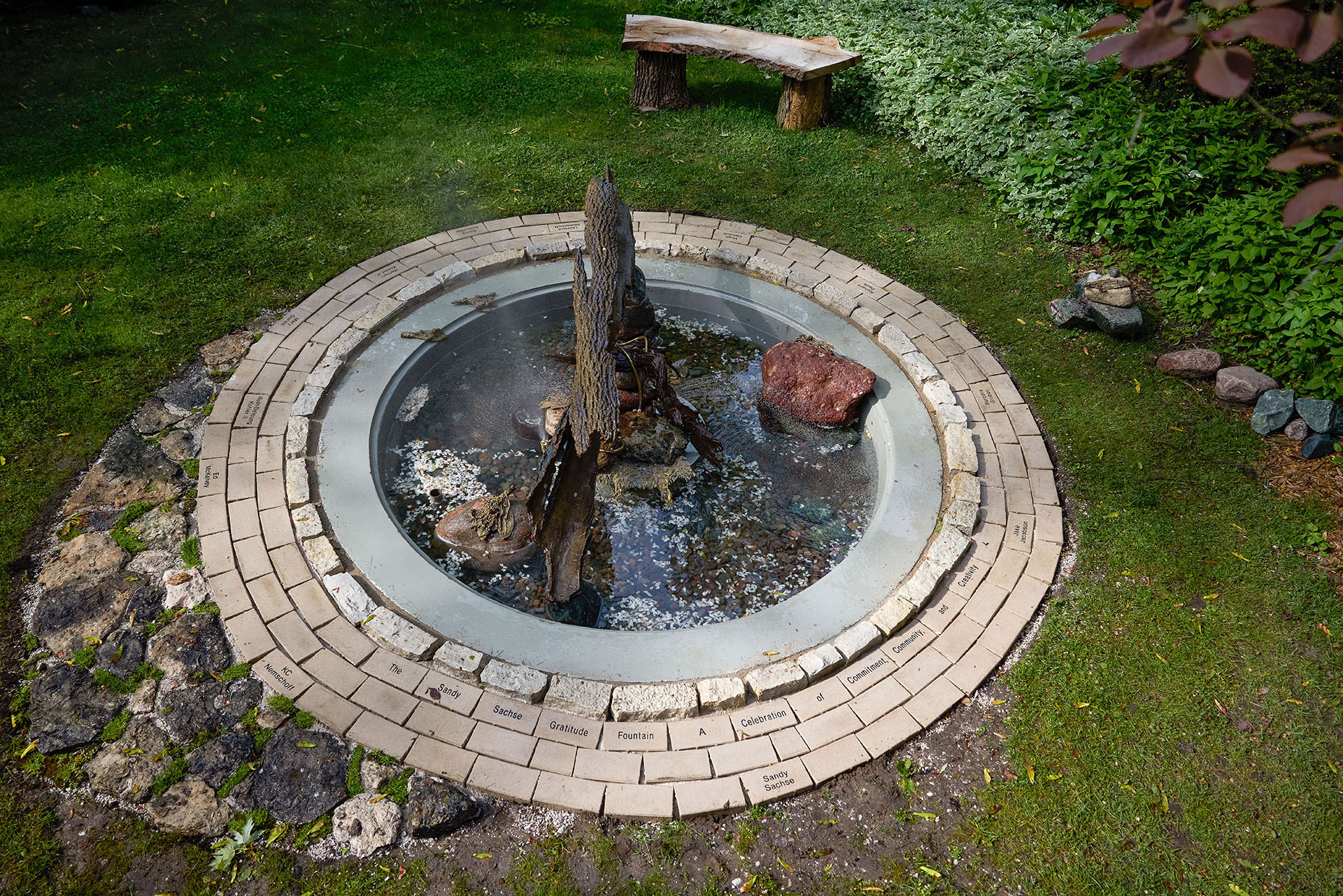
Water Sprouts and Remains (an unfolding)
2024
Sandy Sachse Gratitude Fountain at John Michael Kohler Art Center (Sheboygan, WI)
Related Materials:
Field Notes: Water Sprouts and Remains (an unfolding) by Lily Cox-Richard and Rachal Duggan
Notes:
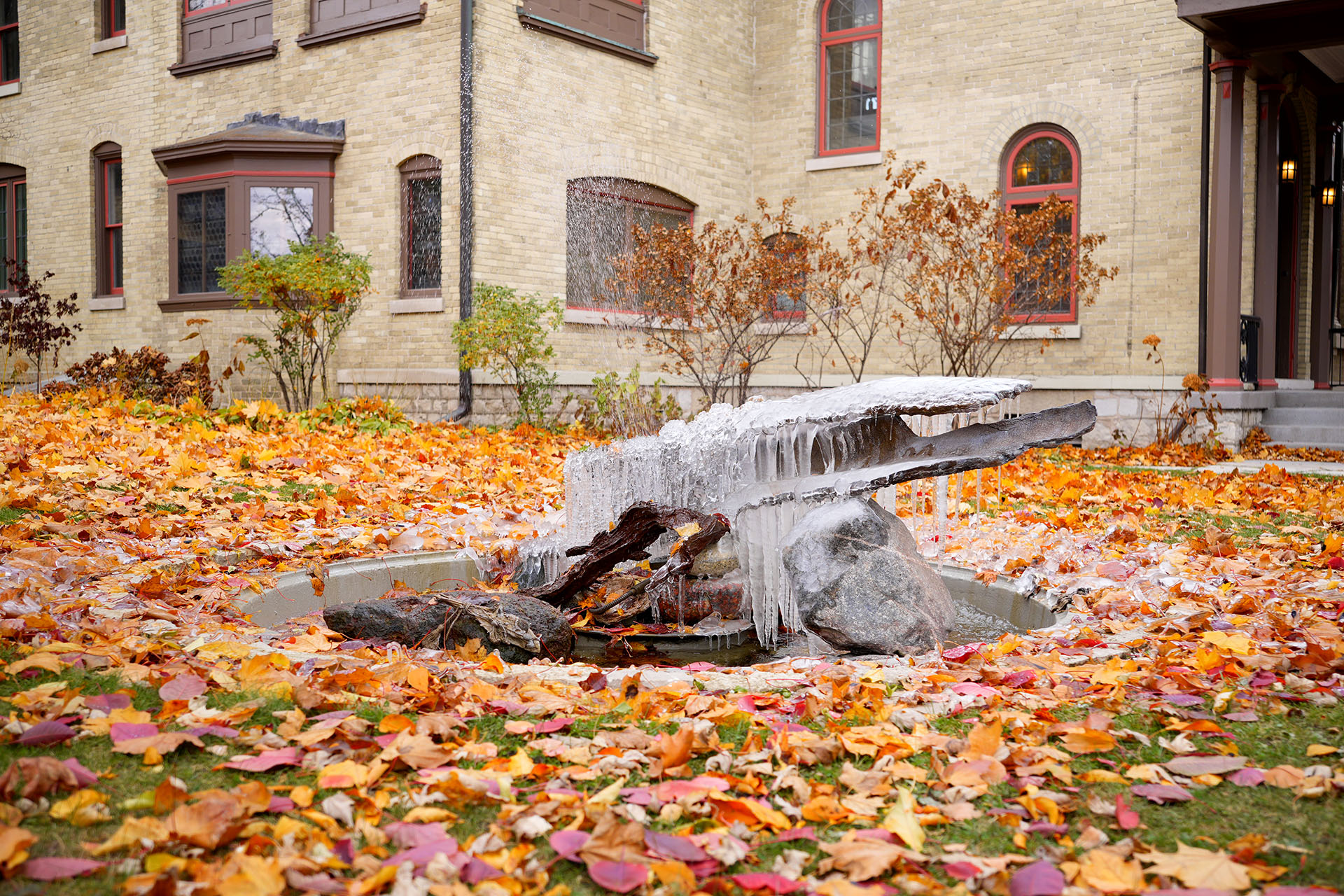
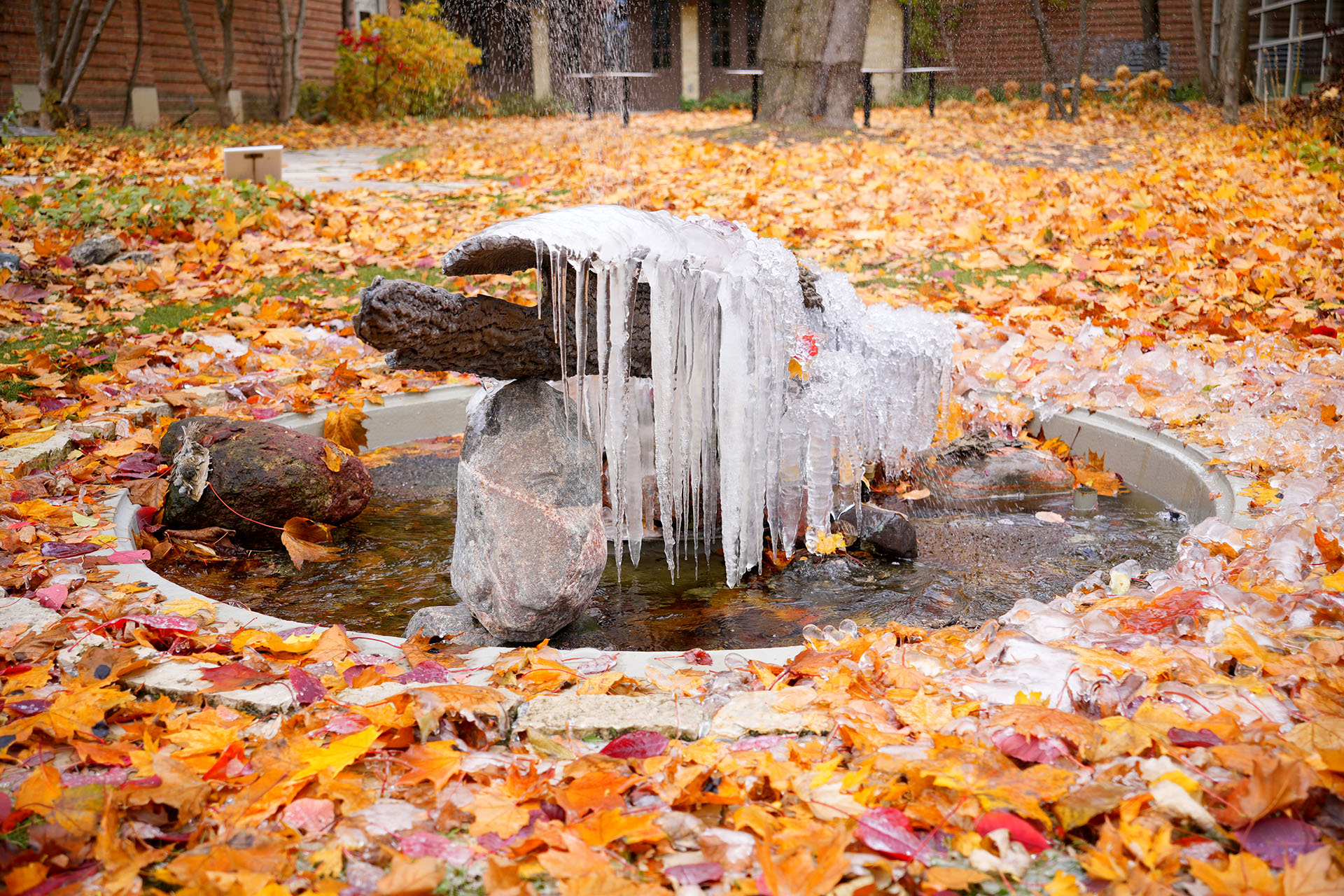
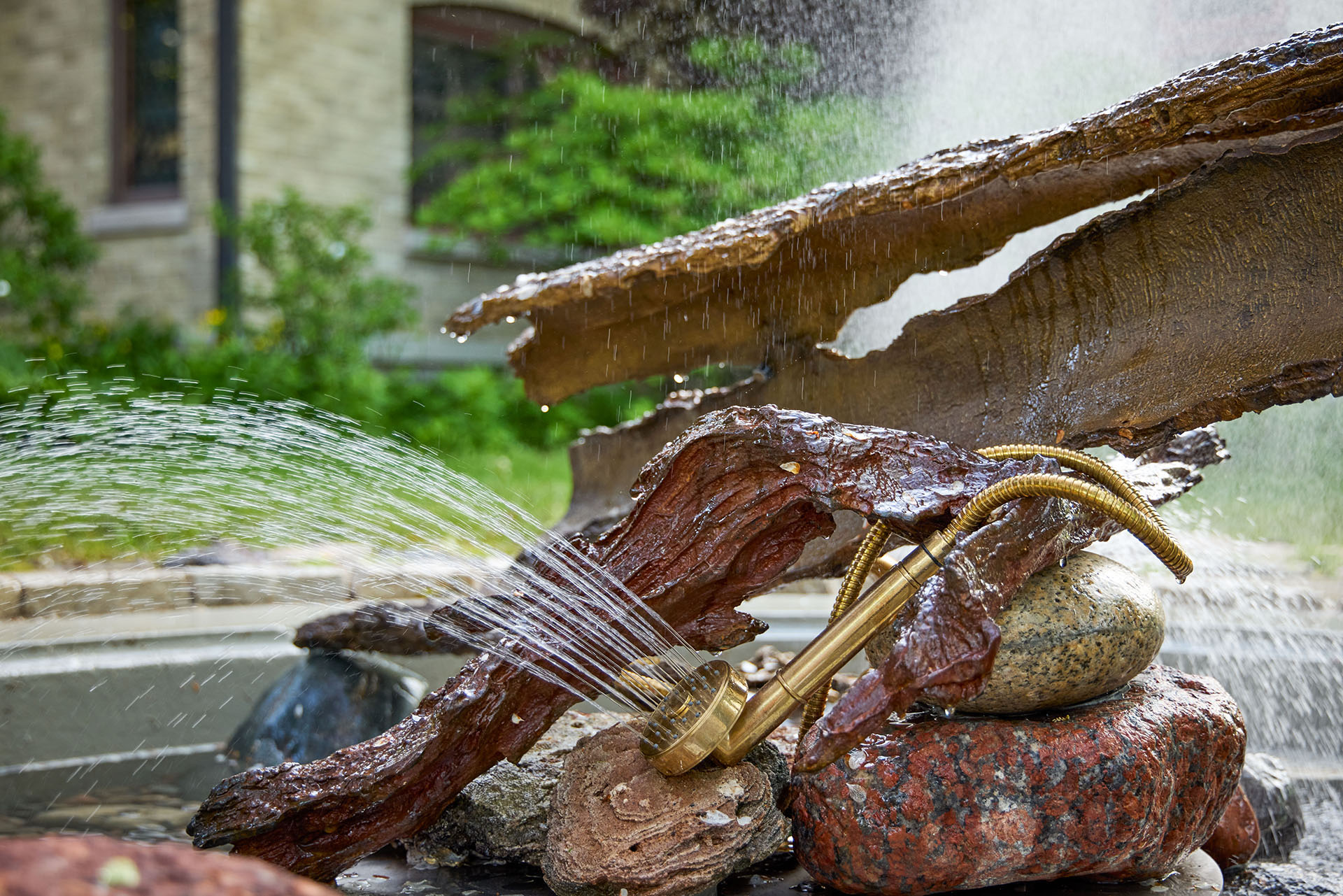
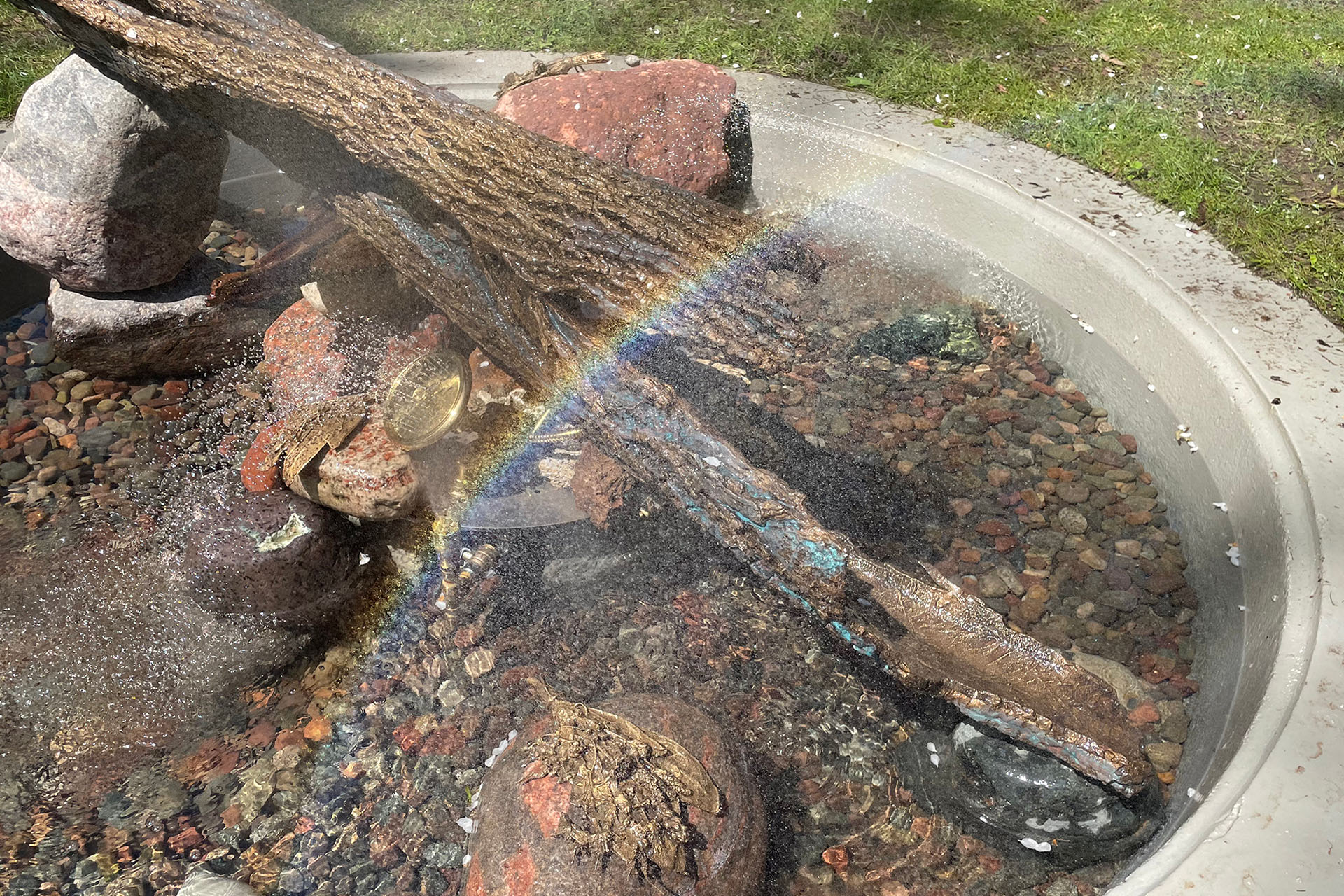
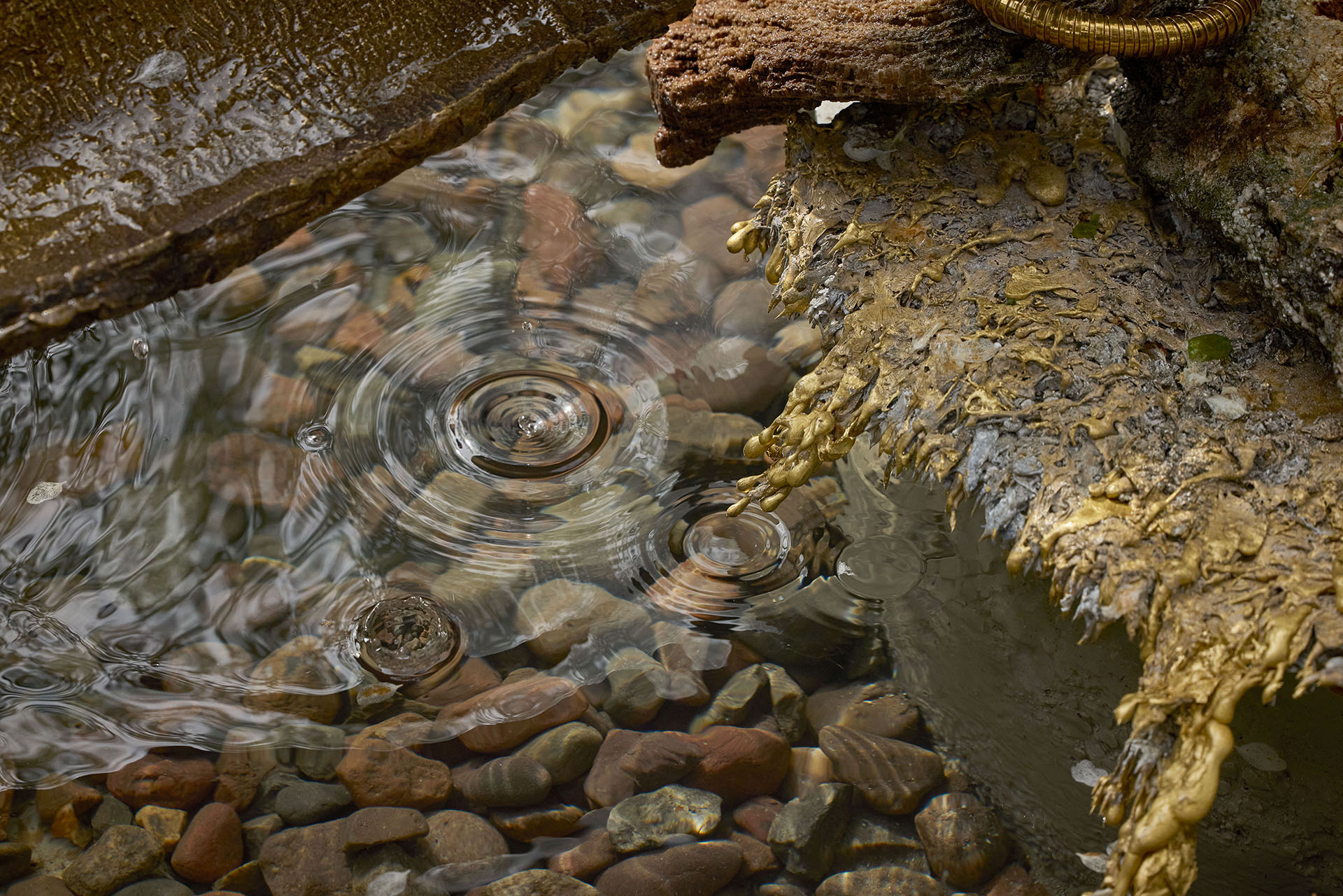
Lily Cox-Richard, a resident in the Arts/Industry program in 2022, was chosen to return in 2023 to create Water Sprouts and Remains (an unfolding). The invitation from JMKAC was to reflect on gratitude. Cox-Richard turned to Wisconsin’s natural environment for her response. By foraging for mushrooms, flowers, branches, and bark and experiencing the seasonal shifts in plants and wildlife, she noted the interconnections between species required for thriving, renewal, and abundance.
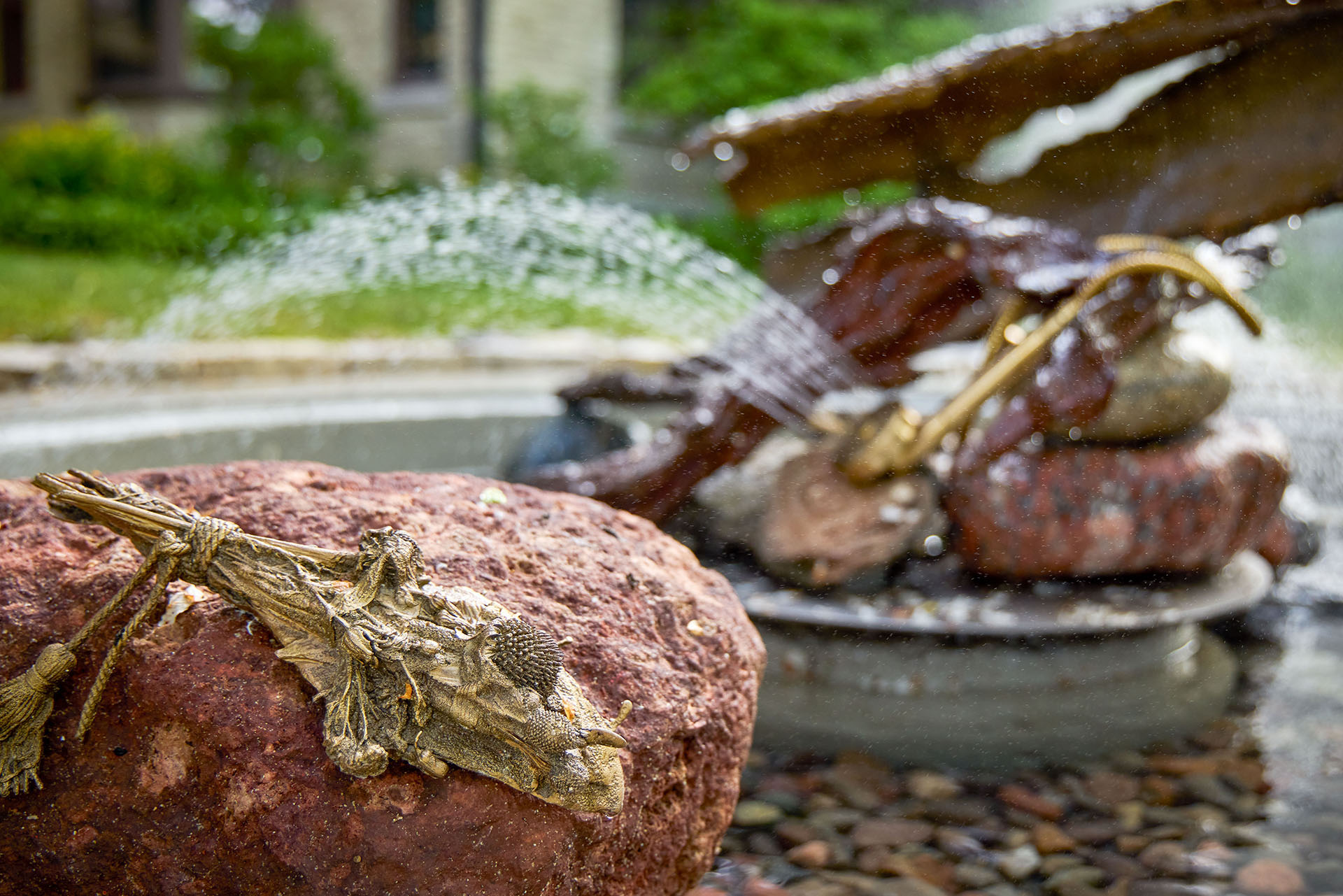
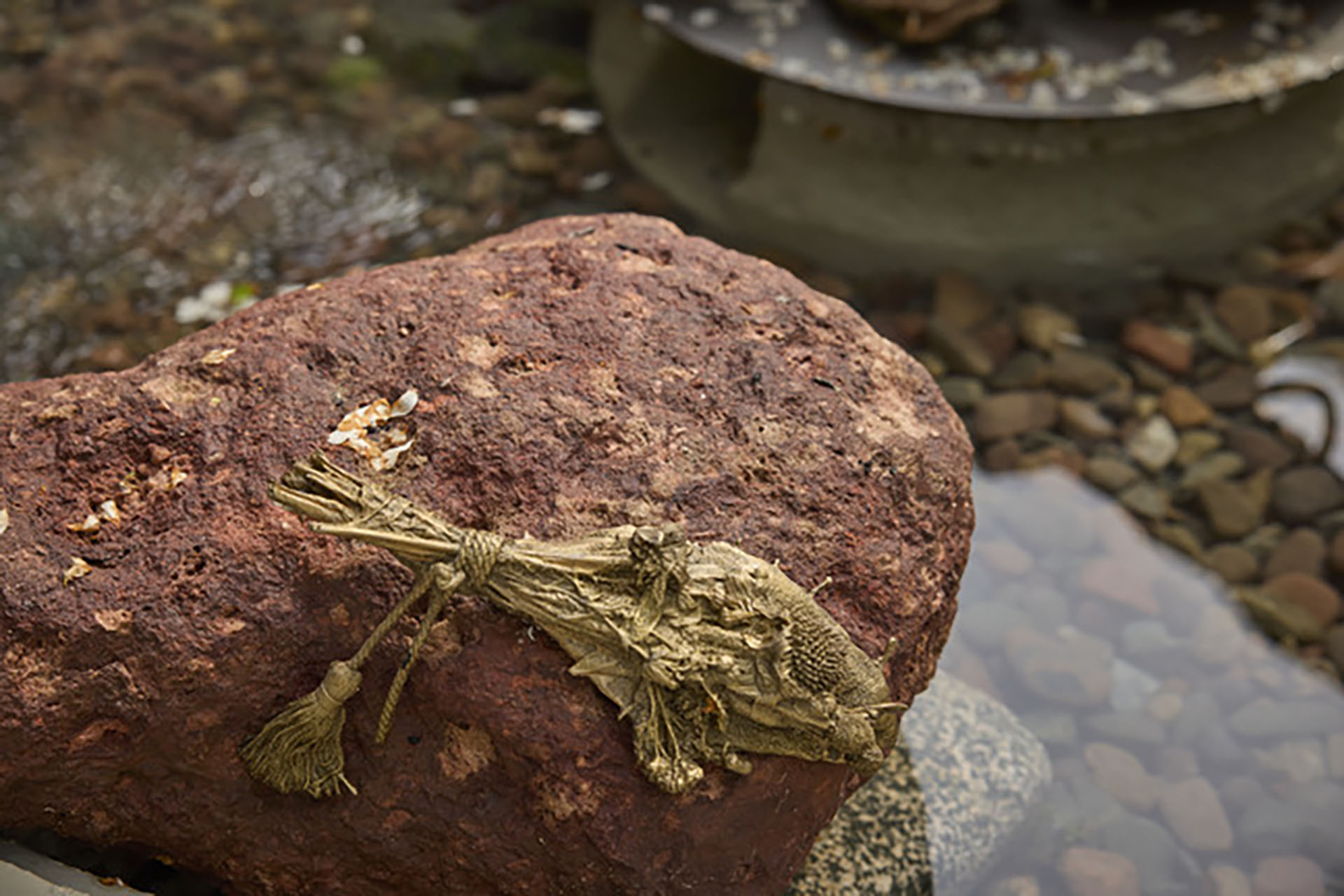
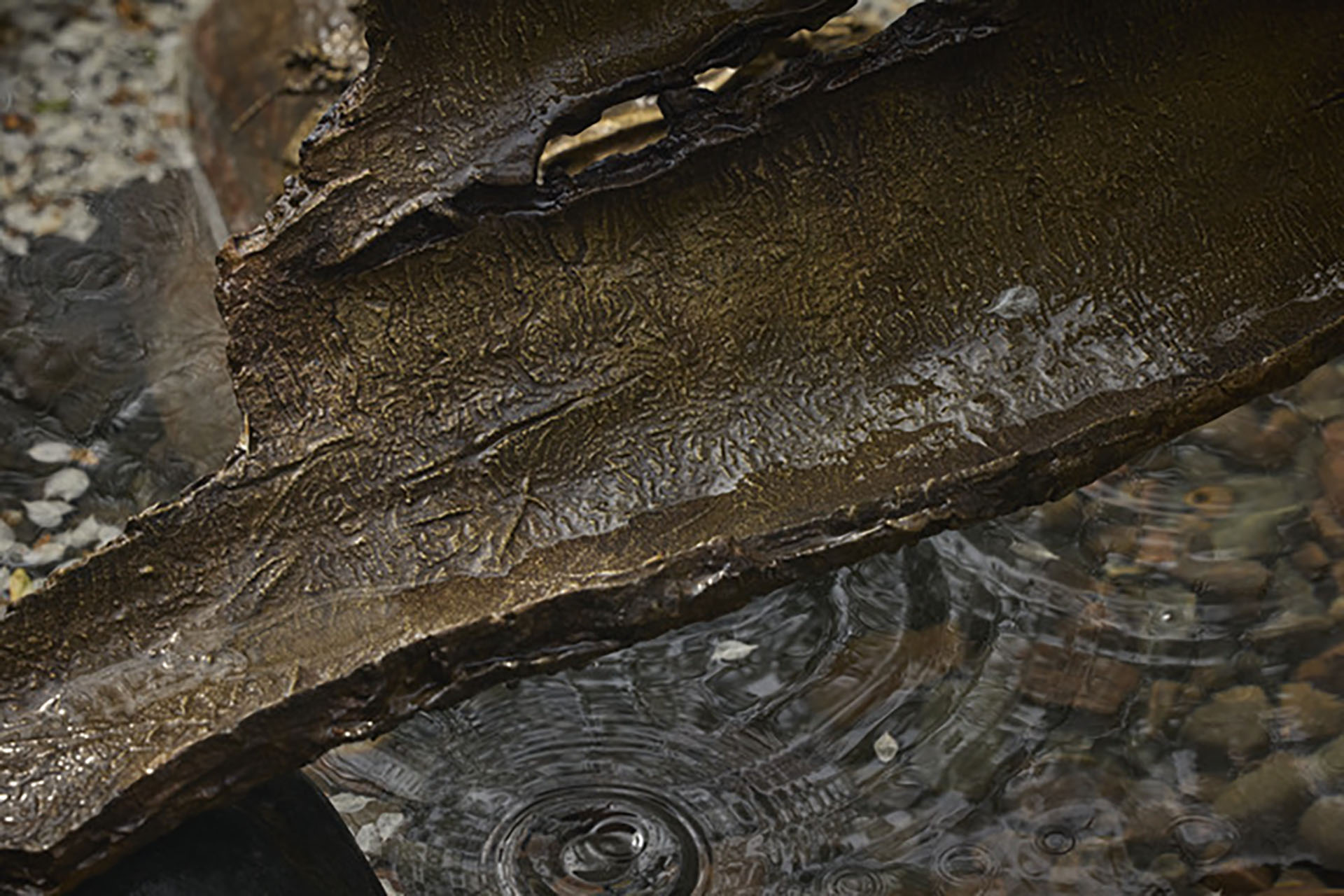
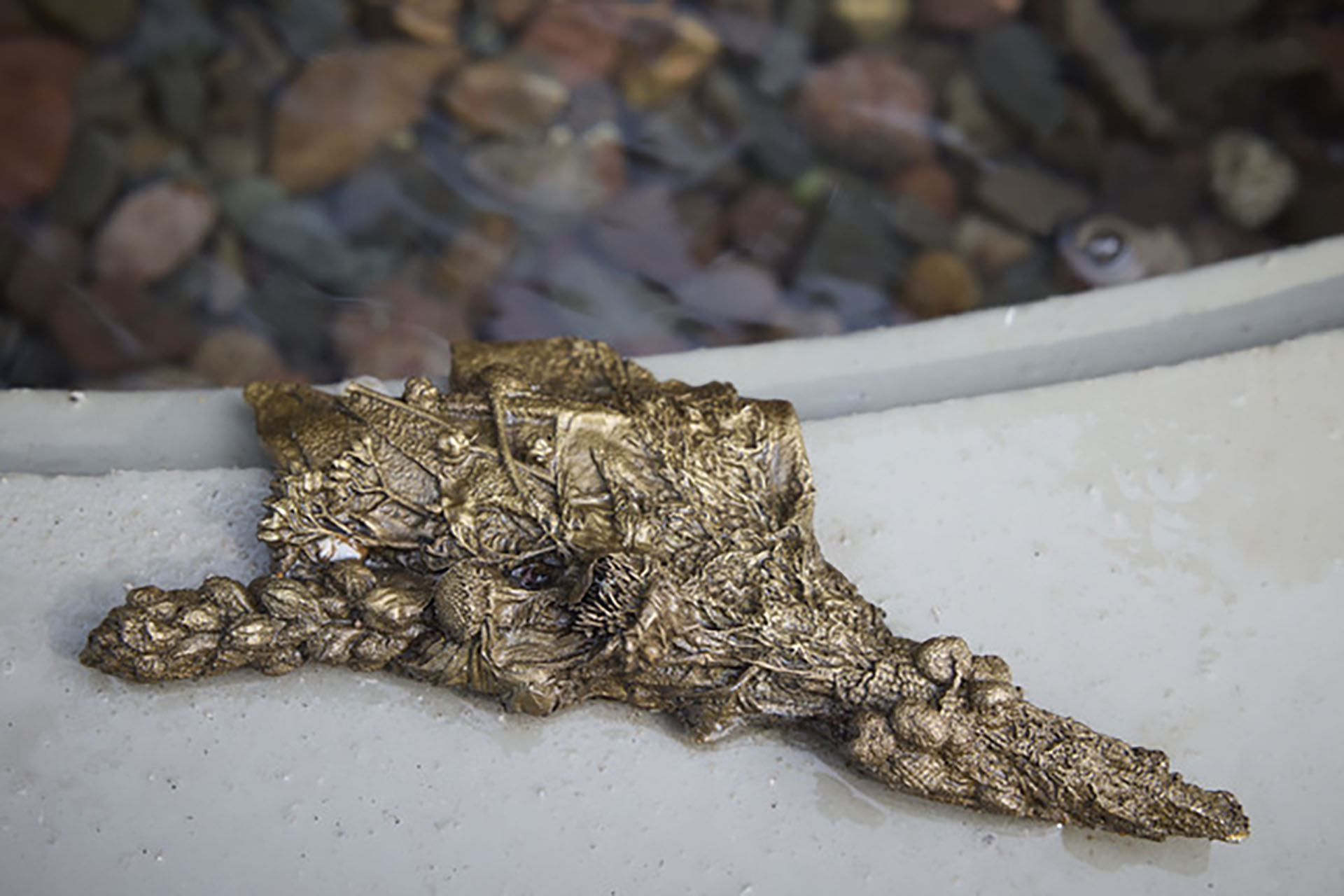
Cox-Richard brought her findings into the Kohler Co. Foundry. There she cast bark with meandering lines tunneled by ash bore beetles and offerings of bound plants, branches, and mushrooms in brass and iron—making these ephemeral or seasonal living things immortal in metal.
Cox-Richard was also drawn to Wisconsin’s geologically rich landscape. Amidst the brass and iron casts, she has placed fossils and stones that have witnessed many cycles of life, death, and rebirth. The fountain, and Cox-Richard’s making process, interlaces the geologic materials and their natural and industrial legacies here in Sheboygan County.
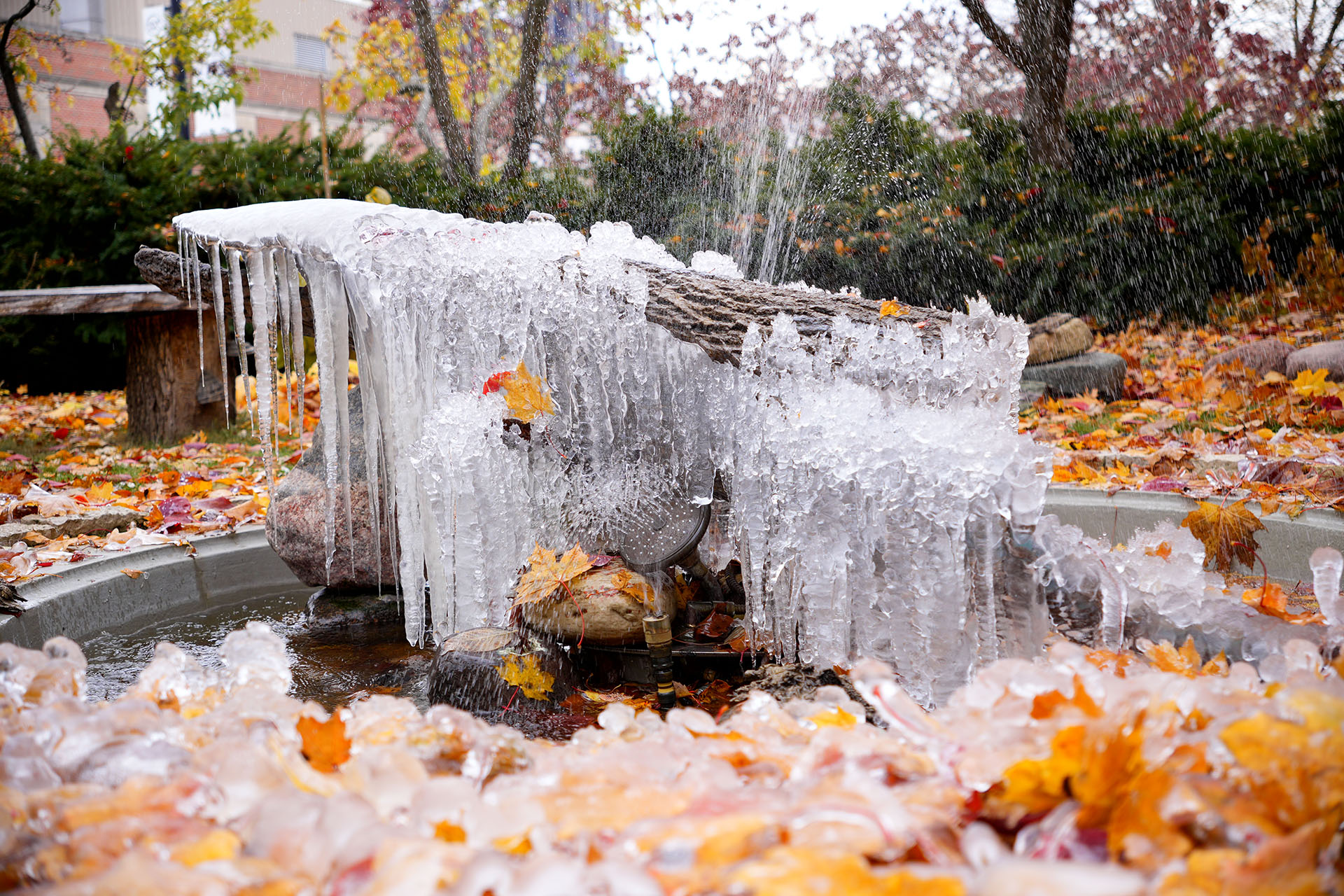
For Cox-Richard, the fountain is a place to connect with the present—smell the lemon balm, listen to the birds, and observe the accumulating icicles and frosty mounds of snow in the winter—and to consider one’s place in the natural cycle of life.
The Sandy Sachse Gratitude Fountain is named after longtime JMKAC board member Sandy Sachse. Her leadership during times of transition ensured the continuity of the Arts Center’s vision. She recognized the need for JMKAC to evolve and championed initiatives to broaden our reach and deepen engagement. Sachse’s legacy will shape our institution for generations.
The fountain honors Barbara Gruber, KC Nemschoff, and Richard Pauls. Their steadfast commitment is instrumental in nurturing the thriving heart of the Arts Center. It also connects JMKAC with the lineage of supporters who have made its work possible since 1967, including Hugh Denison, Mary Garton, Frank “Jake” Jacobson, Herbert V. Kohler, Jr., Ruth DeYoung Kohler II, Ed McKelvey, Leonard Nemschoff, and Nancy Schreiber.
The fountain’s basin was part of the original landscaping for the John Michael Kohler home, which was built in 1882.
List of Works:
Water Sprouts and Remains (an unfolding), 2024
brass, iron, and stone
Credits:
Commissioned for the Sandy Sachse Gratitude Fountain, which celebrates the dedication, passion, and generous contributions of the John Michael Kohler Arts Center’s most devoted leaders.
Photo courtesy of John Michael Kohler Arts Center.
Soft Fists Insist, 2022
Soft Fists Insist
May 11 – June 24, 2022
Hirschl & Adler Modern (New York, NY)
Related Materials:
Soft Fists Insist publication, Hirschl & Adler
Notes:
Lily Cox-Richard: Soft Fists Insist opened at Hirschl & Adler Modern on Wednesday, May 11 and ran through Friday, June 24, 2022. Located on the 9th floor of the Fuller Building, at the corner of 57th Street and Madison Avenue, Hirschl & Adler Modern is open Monday through Friday, from 9:30 am to 5:15 pm.
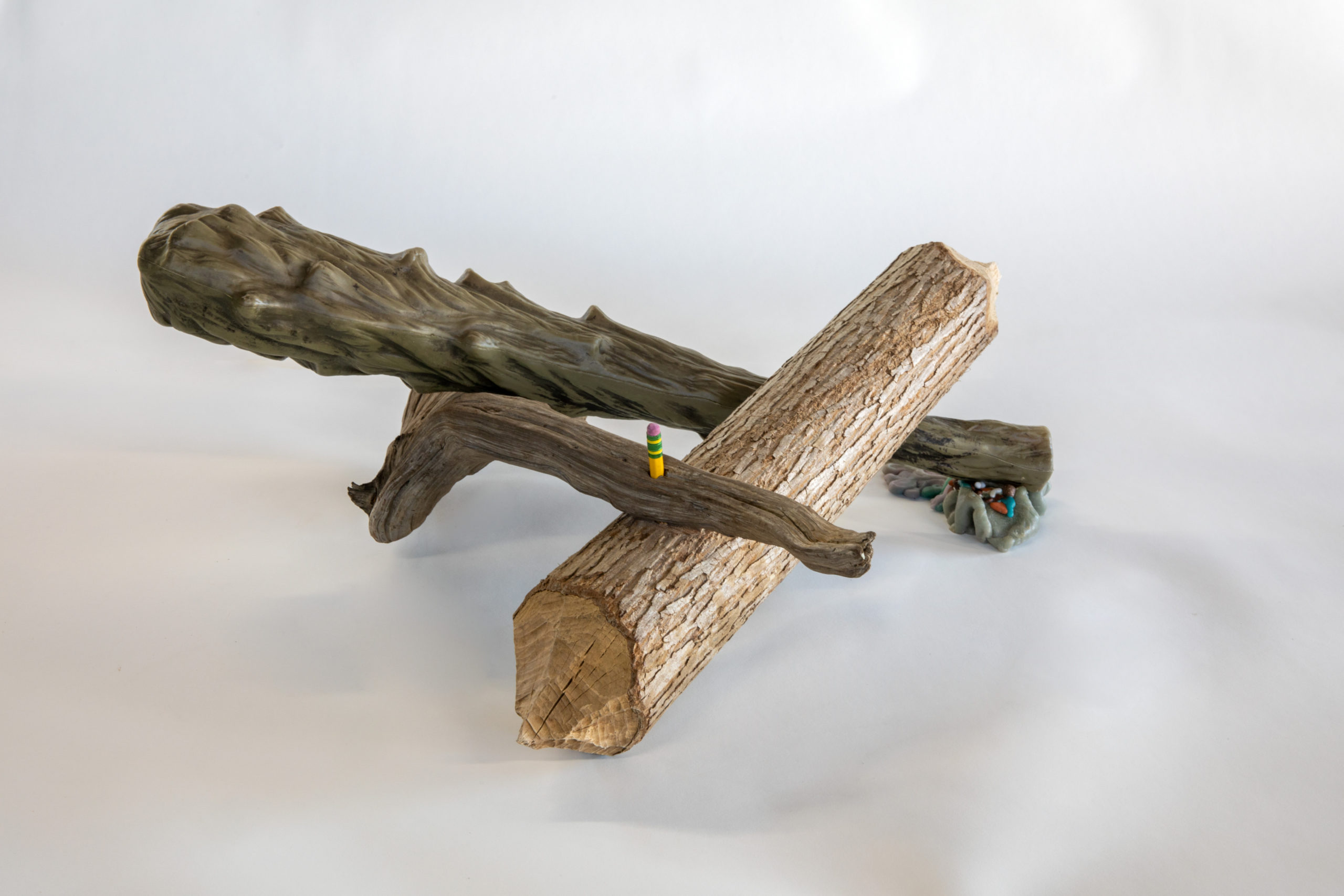
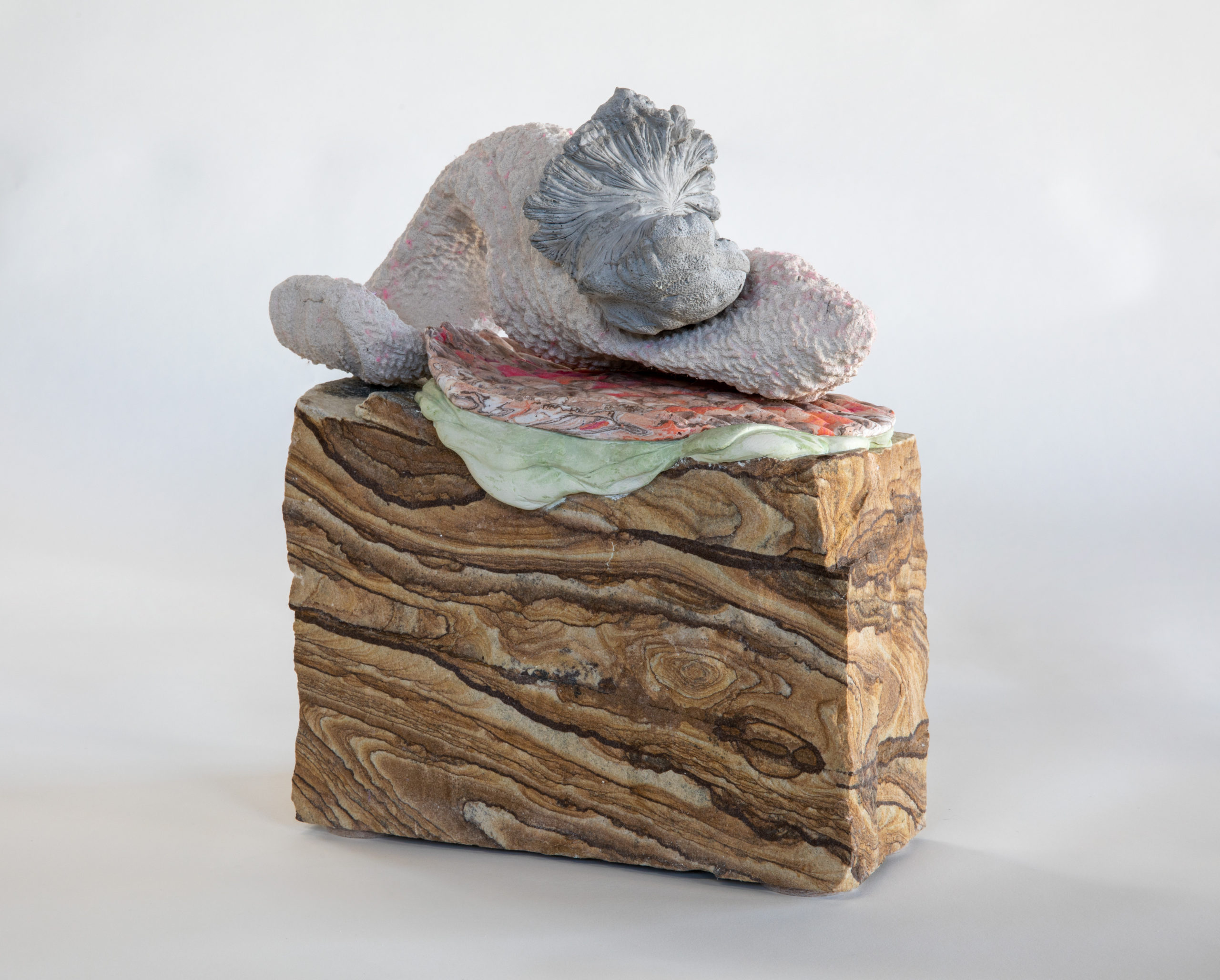
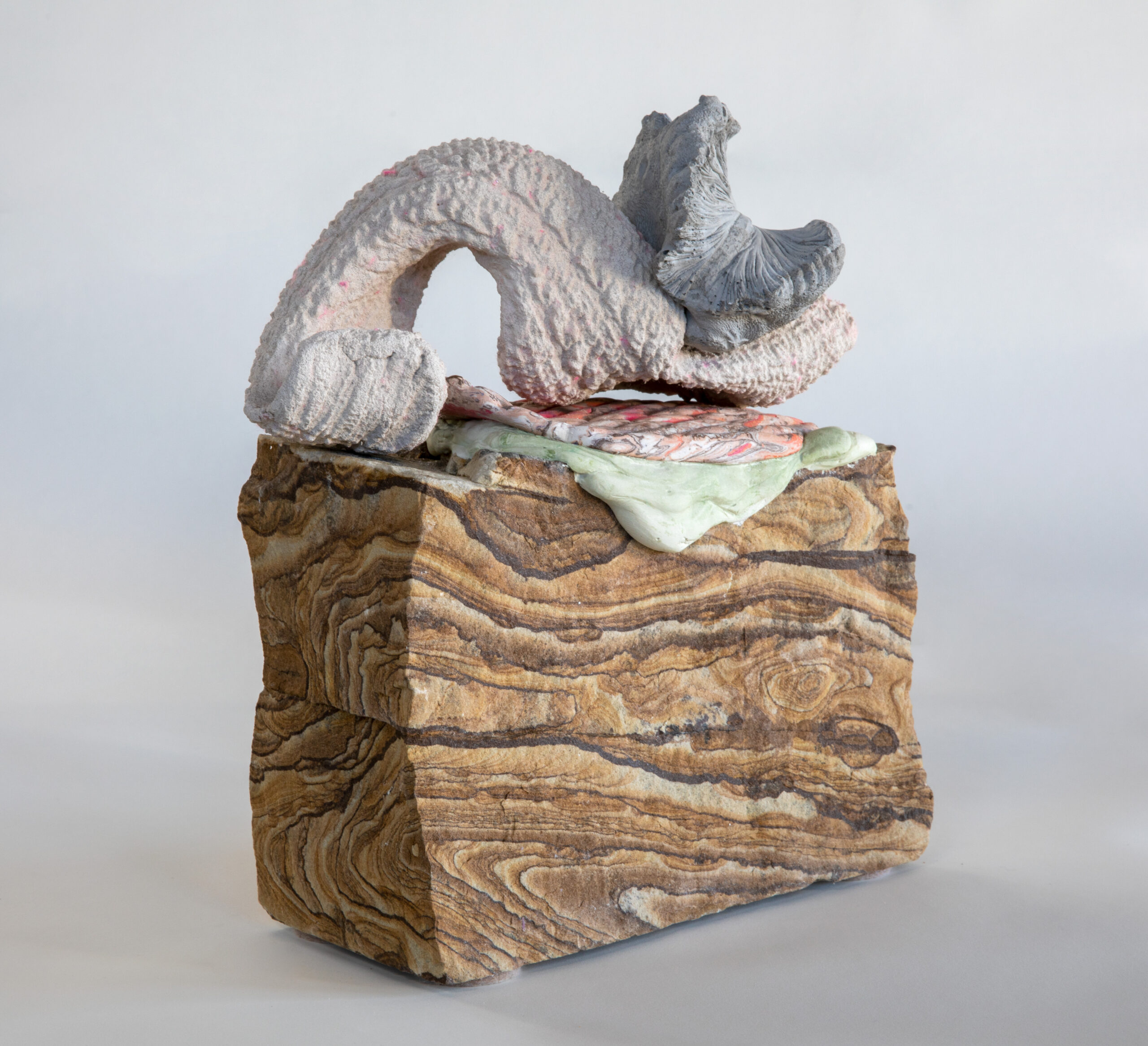
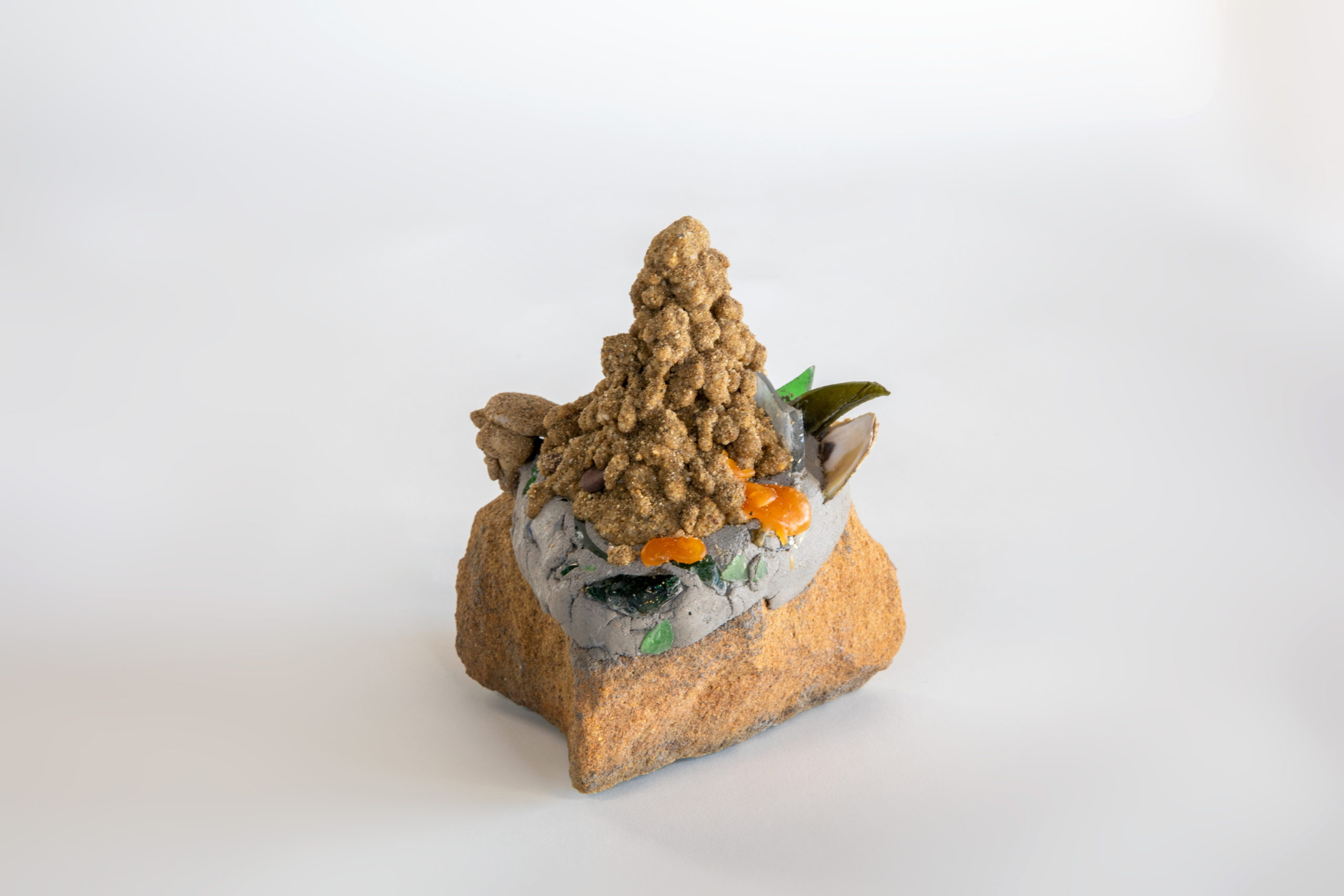
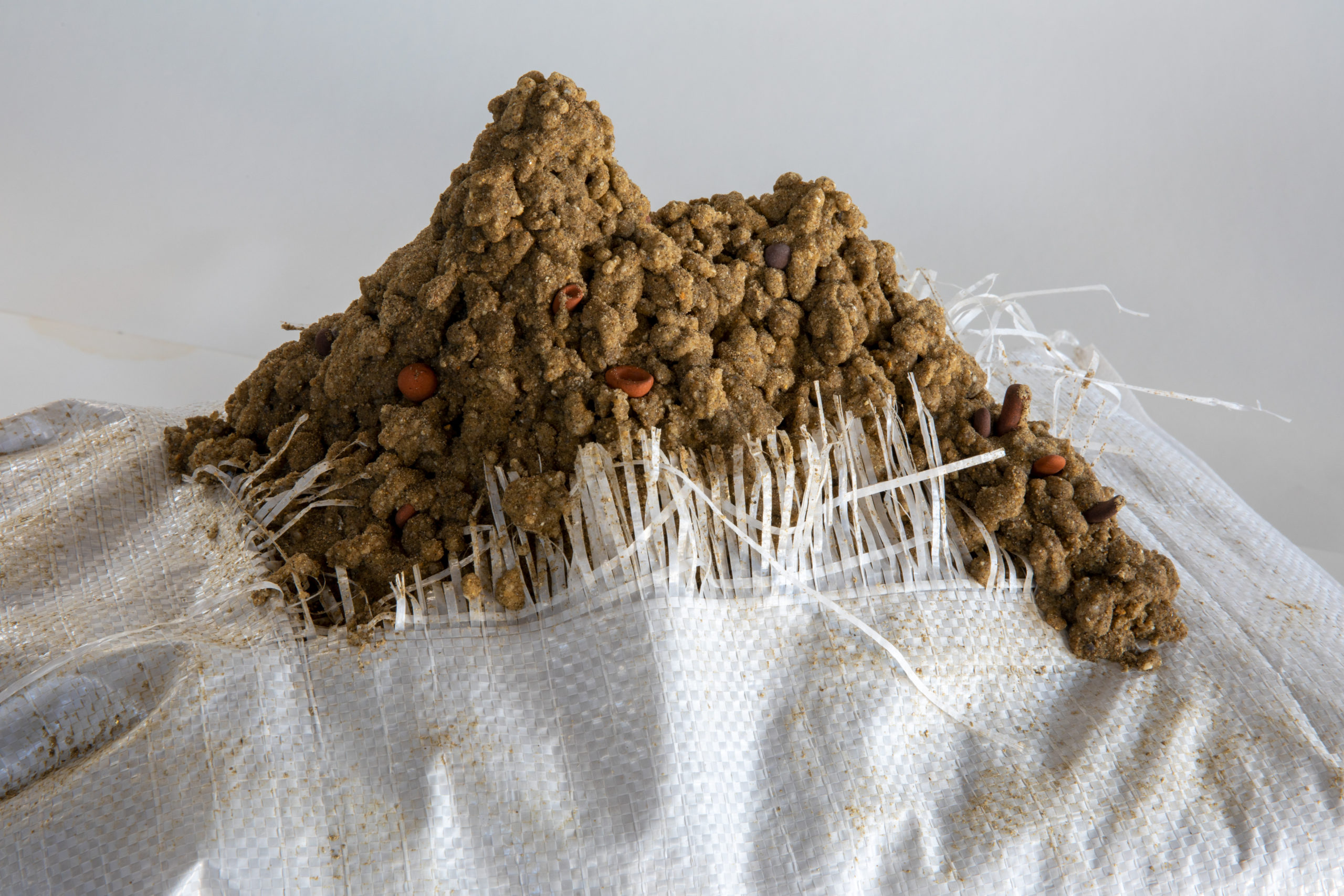
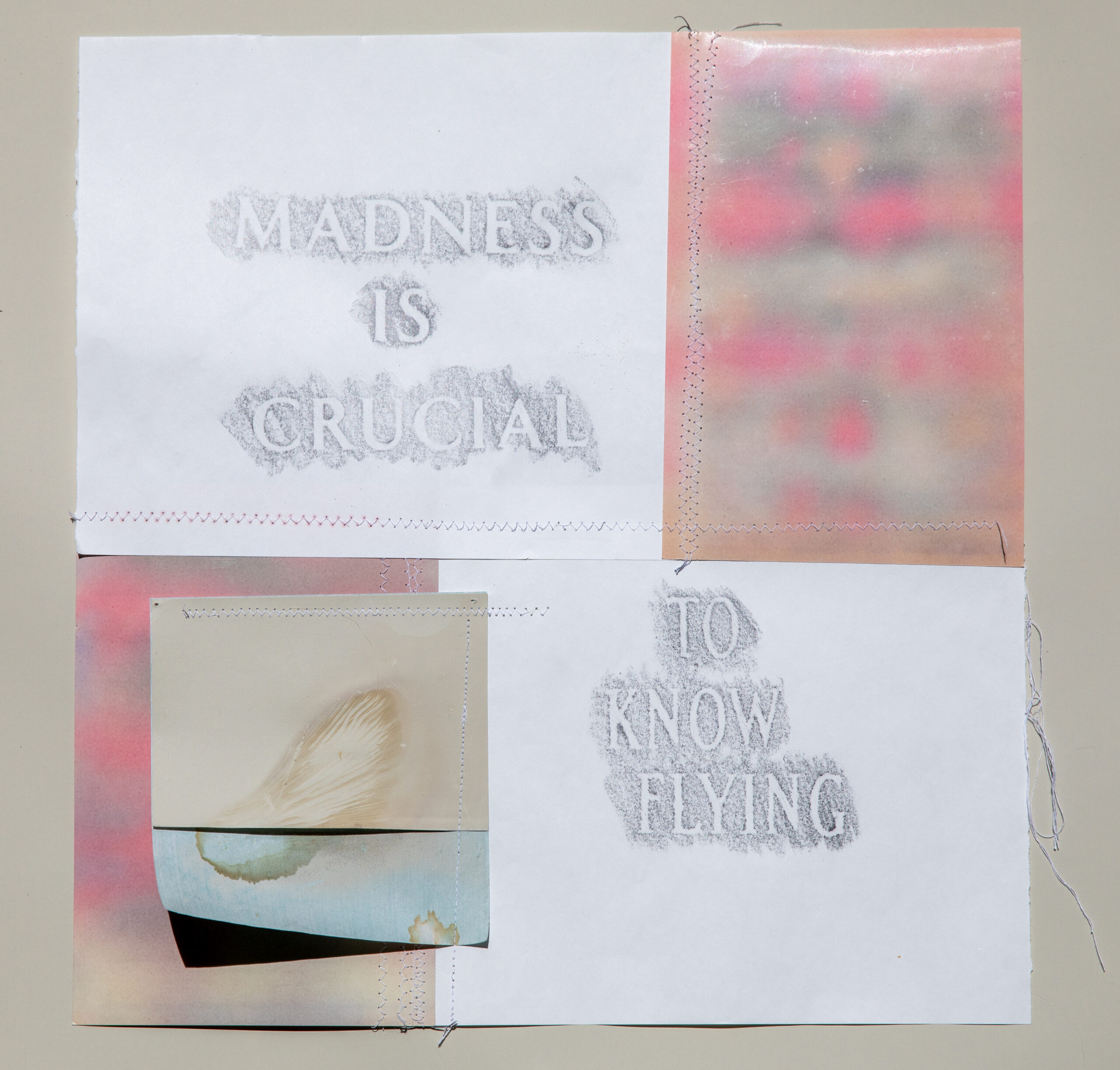
Across five sculptures and a dozen works on paper, Cox-Richard gives her materials a renewed sense of agency and meaning as constituent parts of a contemporary work of art. The sculptures employ natural artifacts like driftwood, as well as human-made objects, which overlap disparate sites of “production.” Others comprise of assemblages and fragments, woven, pieced, or casted together. They represent ideas like domesticity, construction, growth and stasis. Each accumulated element of these works is gently balanced on another, implying a precariousness despite the sturdiness of the materials.
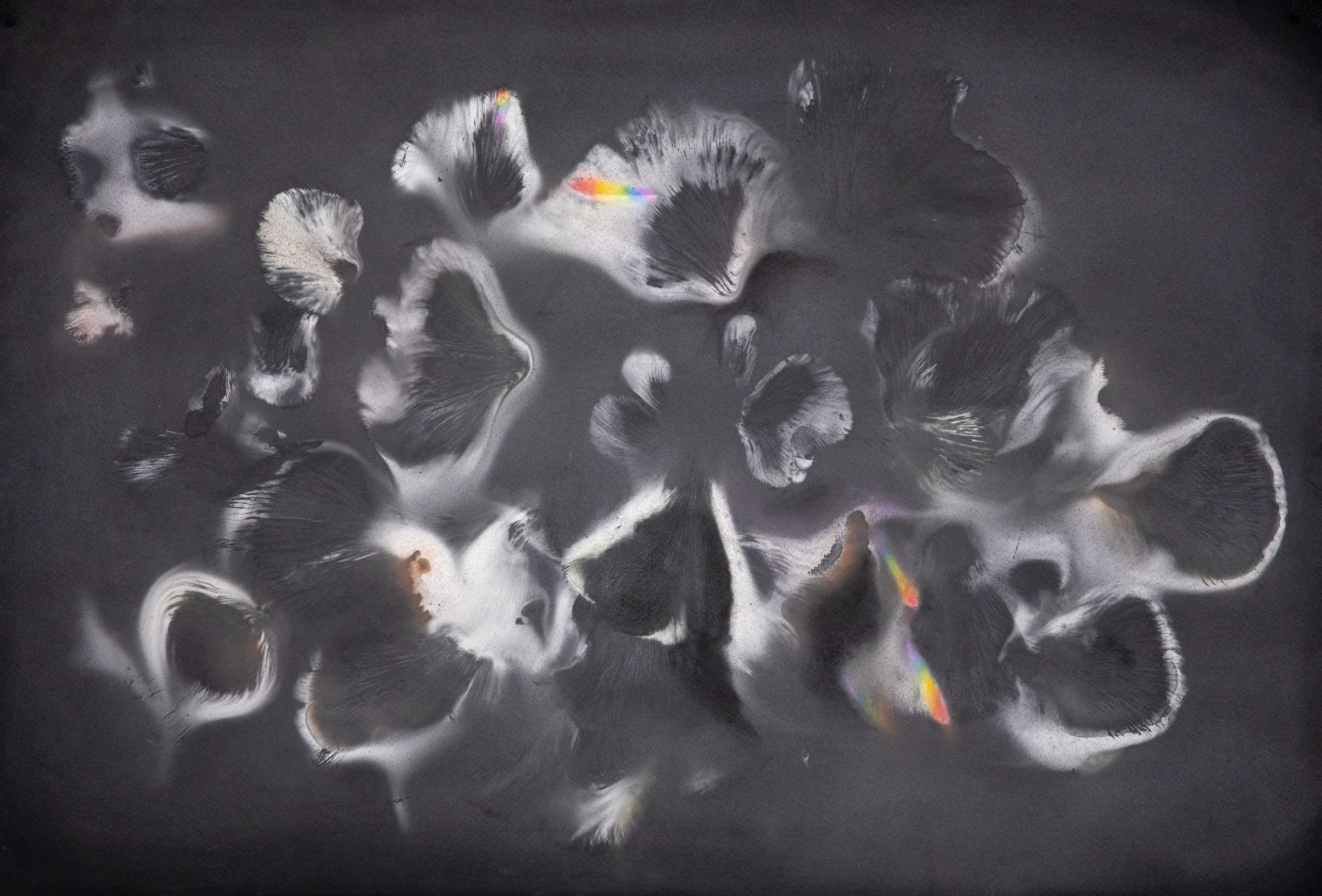
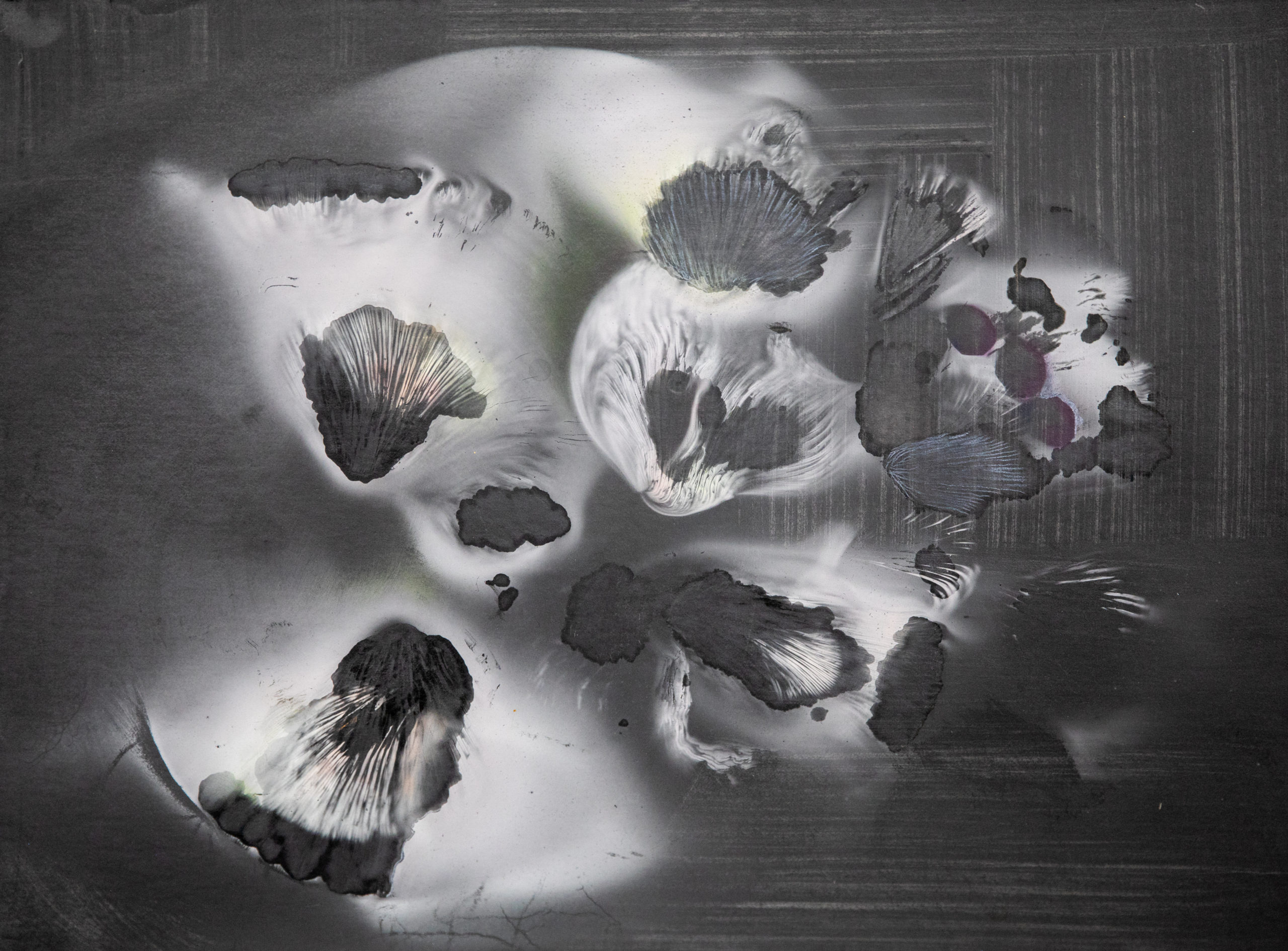
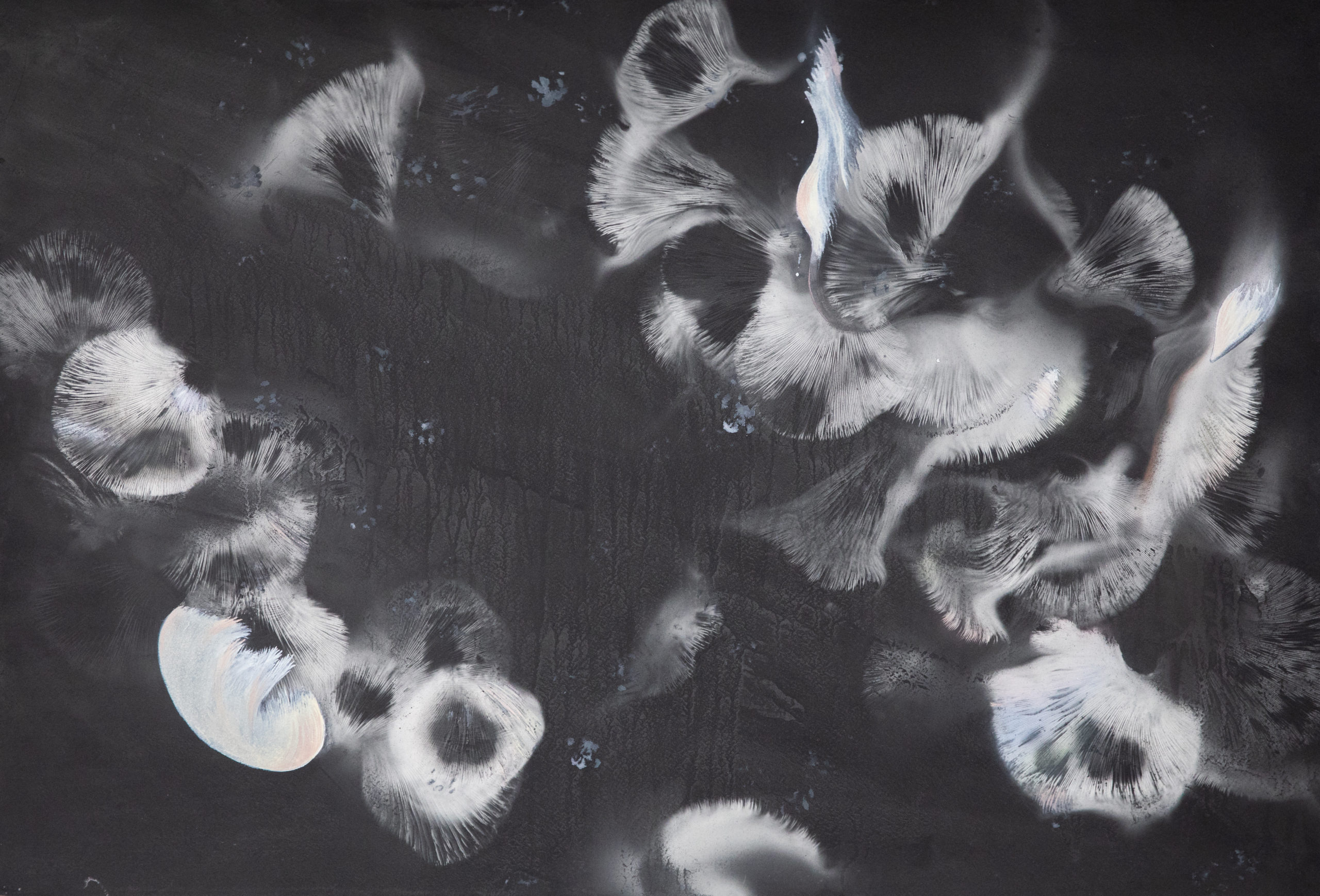
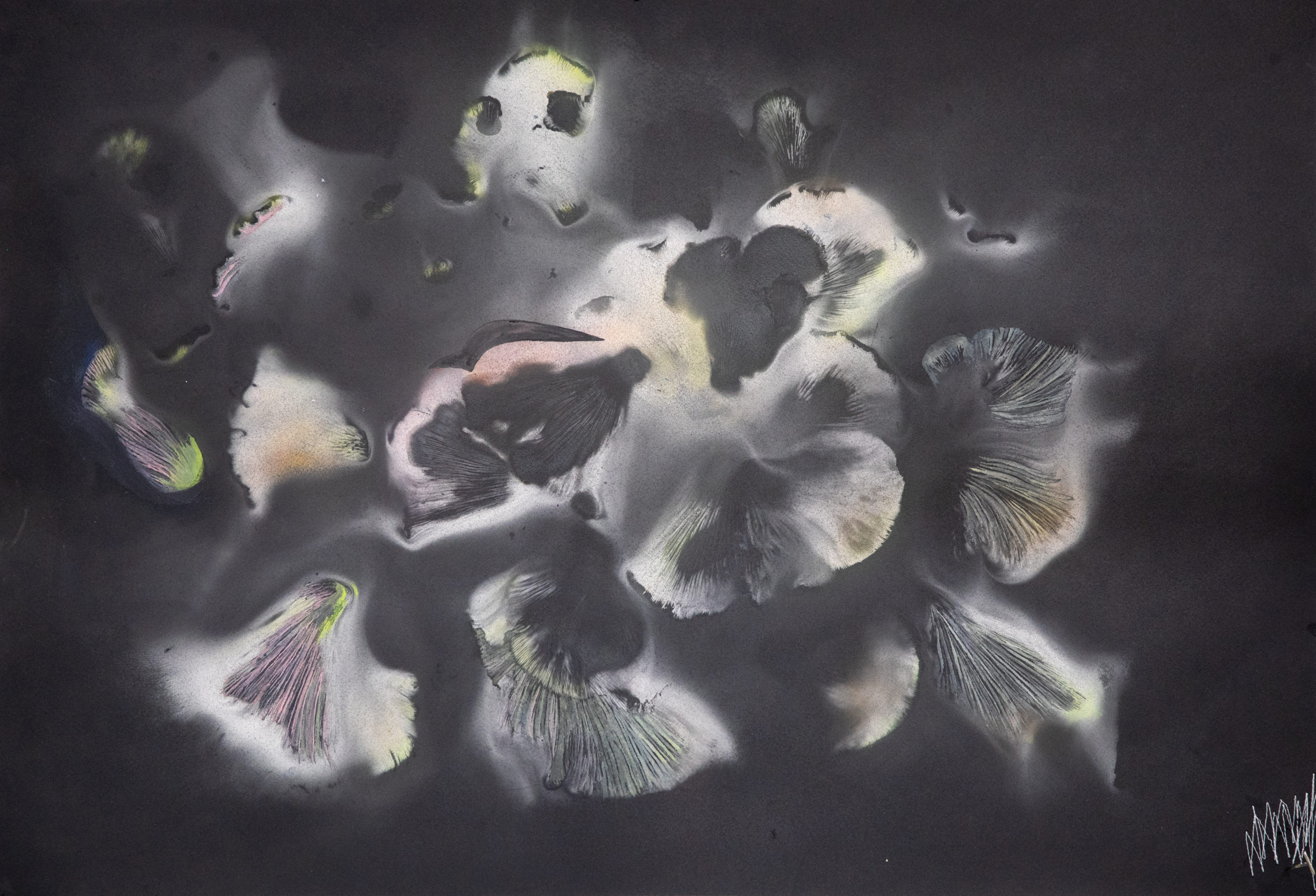
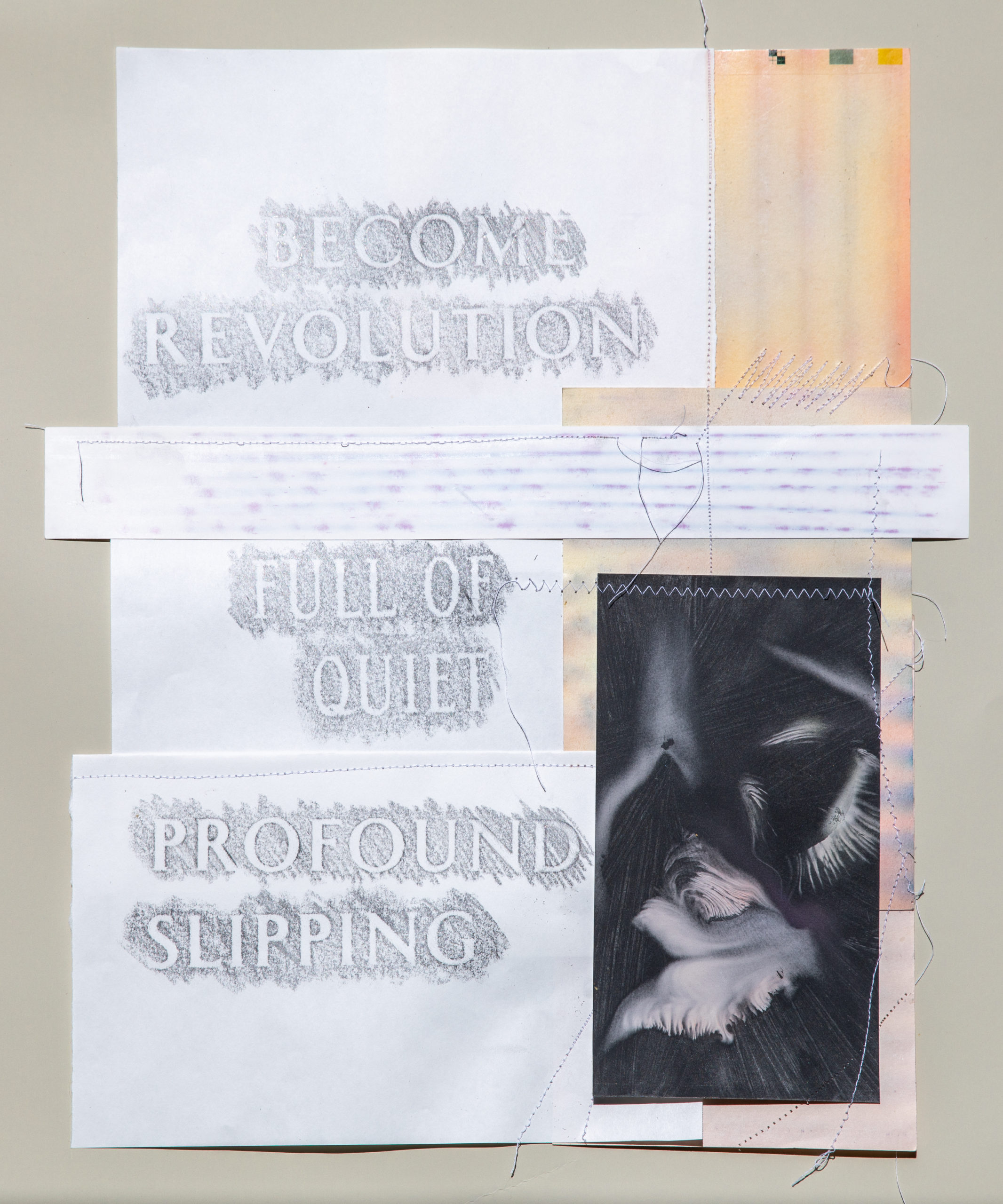
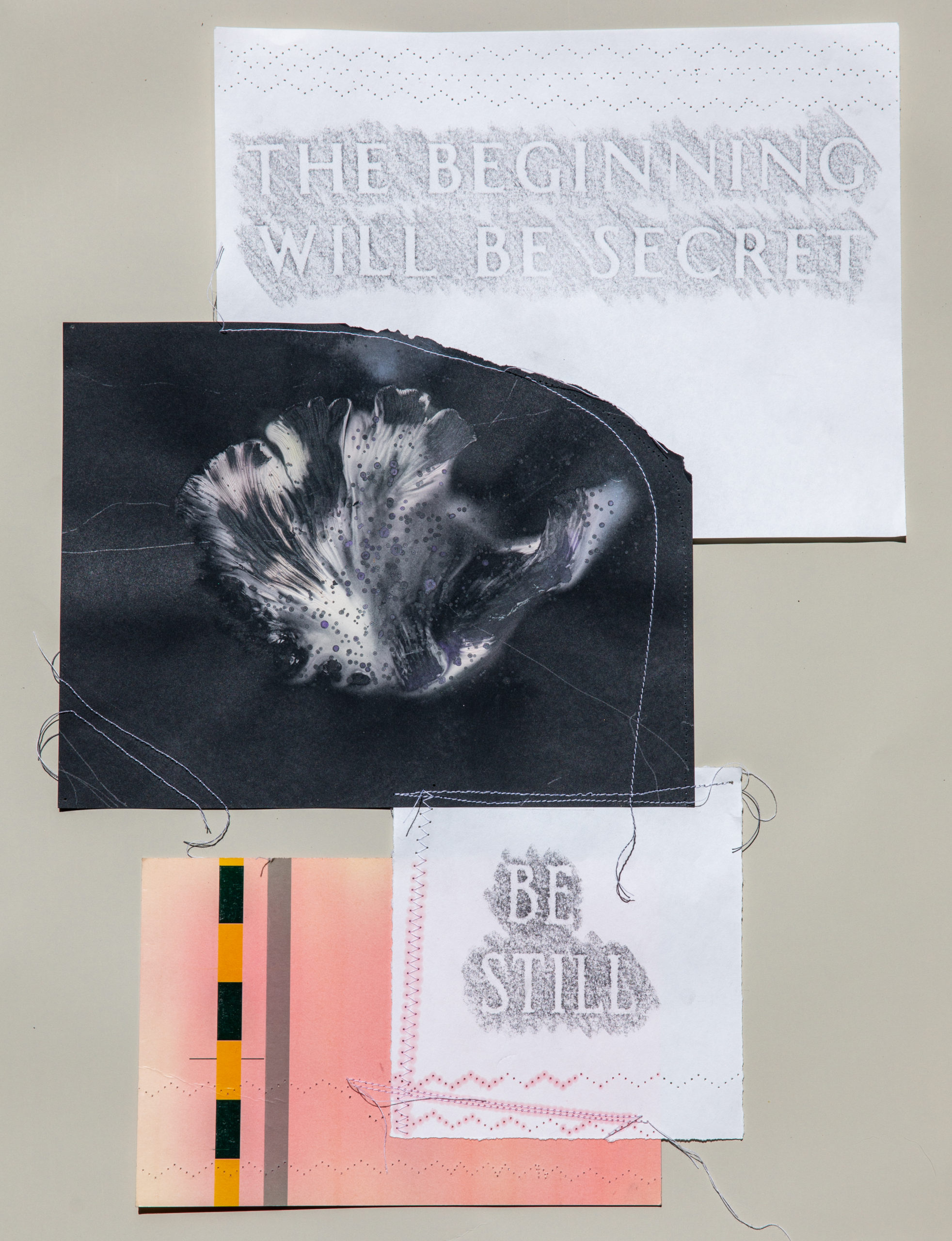
Seen in contrast to the deliberateness of her sculpture, the haunting, abstract compositions found in the works on black paper were made by placing oyster mushrooms directly on the sheet and waiting for the mushrooms to release their spores across the surface. The resulting dispersal patterns bloom like clouds on the black sheet, danced into life by wind currents entering the artist’s studio via windows left open overnight.
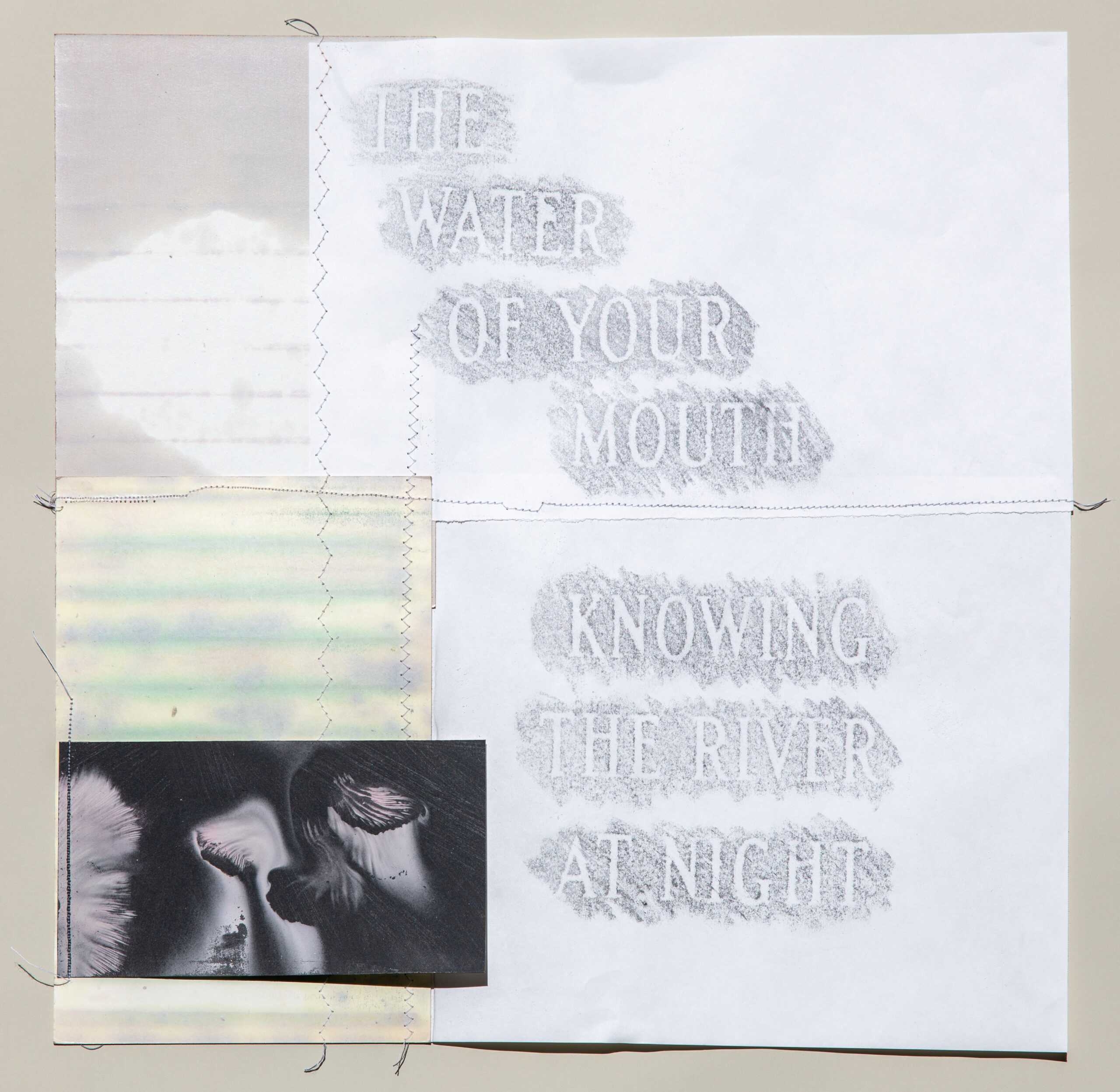
This invitation of chance into the art-making process shows evidence of a natural system in propagation. Elsewhere, sewn-paper collages maintain the delicacy found in the other work. Combining rubbings of text, spore prints, and fragile candle packing paper with the inherently domestic act of sewing, this suite of works recalls quilt-making traditions, in particular that art form’s long history of embedding political messages during times of oppression.
This exhibition was accompanied by a 16-page catalogue, with full-color illustrations and an interview with the artist. The catalogue is available both digitally and in-print.
List of Works:
Tinder, 2022
beaver-gnawed wood, driftwood found on the banks of the James River, plastic Hercules club, pencil, wax, Virginia clay; 20 x 23 x 10 in.
Wristie, 2022
wildhorse Swirl sandtone, plaster, concrete, sweater fuzz, pigment; 12 x 11 x 5.5 in.
Berm Castle 3, 2022
sandstone, concrete, glass, sand, Titebond translucent wood glue, friendly plastic, Virginia clay, wax; 6 x 6 x 6 in.
Berm Castle 4, 2022
sand, vermiculite, sandbags, Titebond translucent wood glue, Virginia clay, and wax; 15 x 24 x 15 in.
Kindling (for our secret fire), 2021
cast, modeled, and polished concrete aggregates (glass, stone, shells, gifted marbles, and other materials; 14 x 27 x 9 in.
Soft Fists Insist 1, 2022
mushroom spores, graphite, and pigment on paper; 16 x 19.75 in.
Soft Fists Insist 2, 2022
mushroom spores, graphite, and pigment on paper; 16 x 19.75 in.
Soft Fists Insist 3, 2022
mushroom spores, graphite, and pigment on paper; 16 x 19.75 in.
Soft Fists Insist 4, 2022
mushroom spores, graphite, and pigment on paper; 15.75 x 20 in.
Soft Fists Insist 5, 2022
mushroom spores, graphite, and pigment on paper; 22 x 29.88 in.
Soft Fists Insist 6, 2022
mushroom spores, graphite, and pigment on paper; 20.38 x 29.75 in.
Soft Fists Insist 7, 2022
mushroom spores, graphite, and pigment on paper; 20.38 x 29.75 in.
Soft Fists Insist 8, 2022
mushroom spores, graphite, and pigment on paper; 20.38 x 29.75 in.
Become Revolution, 2022
sewn paper collage; 18.63 x 15.75 in.
Be Still, 2022
sewn paper collage; 20.38 x 14.63 in.
To Know Flying, 2022
sewn paper collage; 16.63 x 15.88 in.
Water of Your Mouth, 2022
sewn paper collage; 15.88 x 15.88 in.
Credits:
Photography by Sharad Patel
Forms:
Weep Holes, 2022
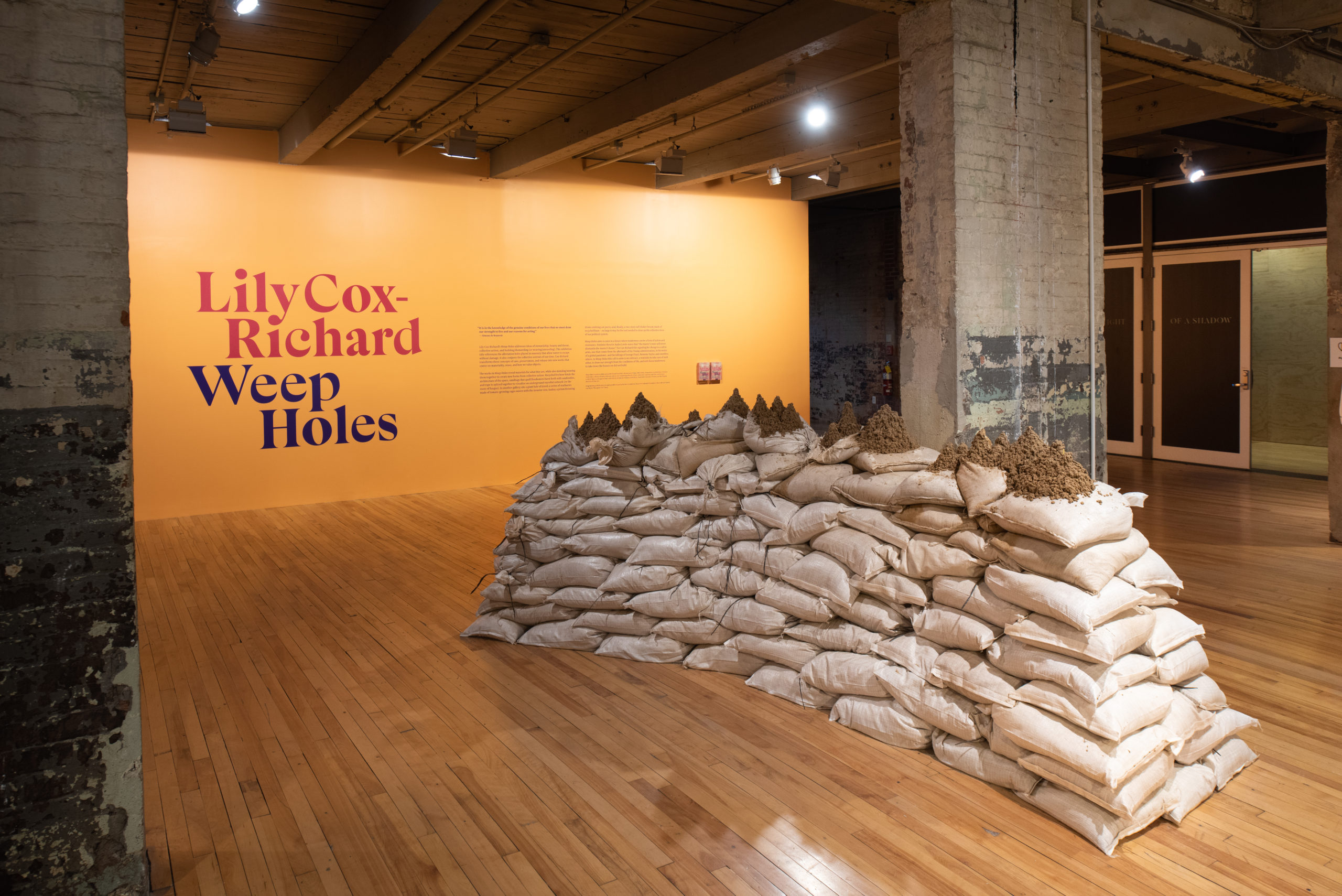
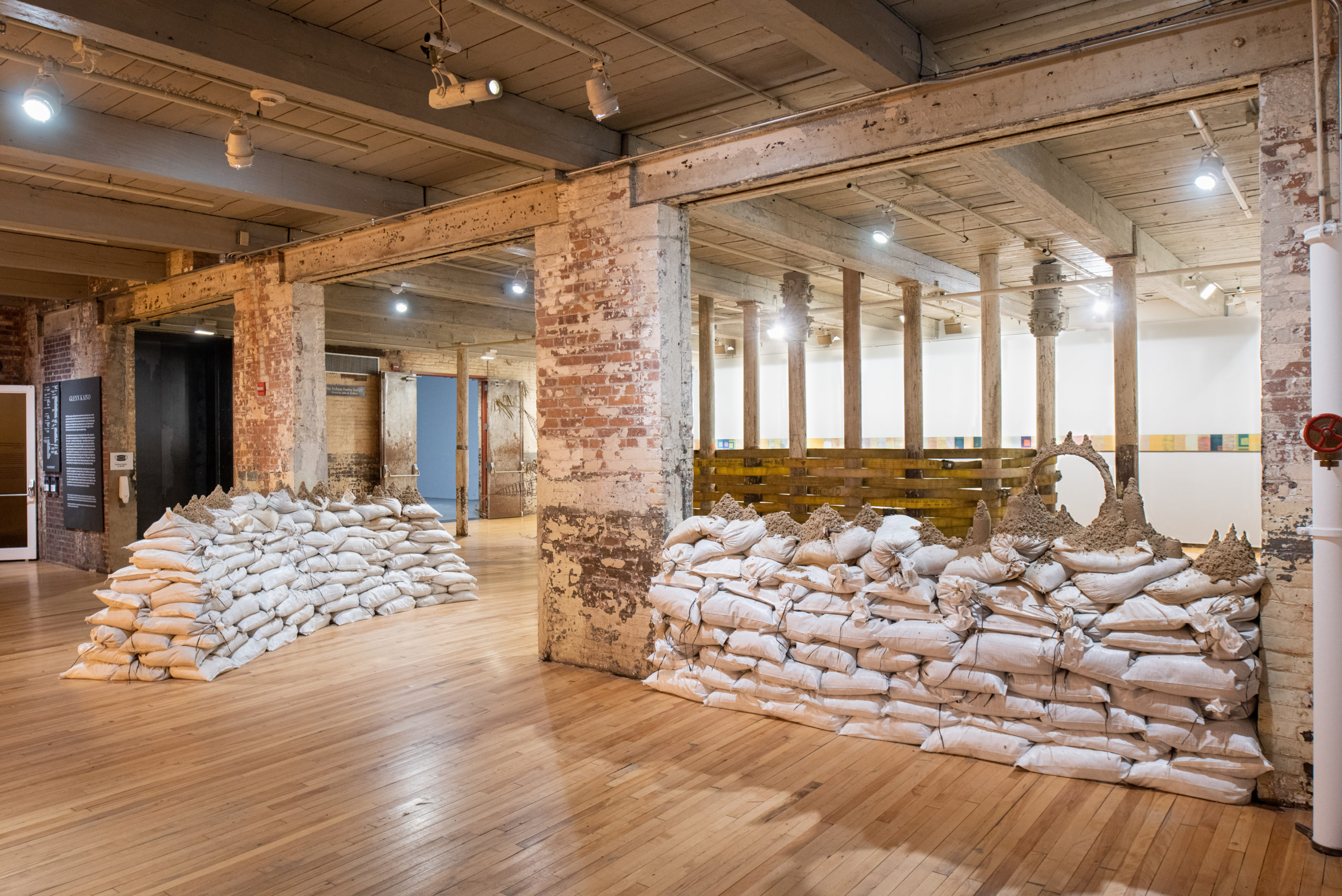
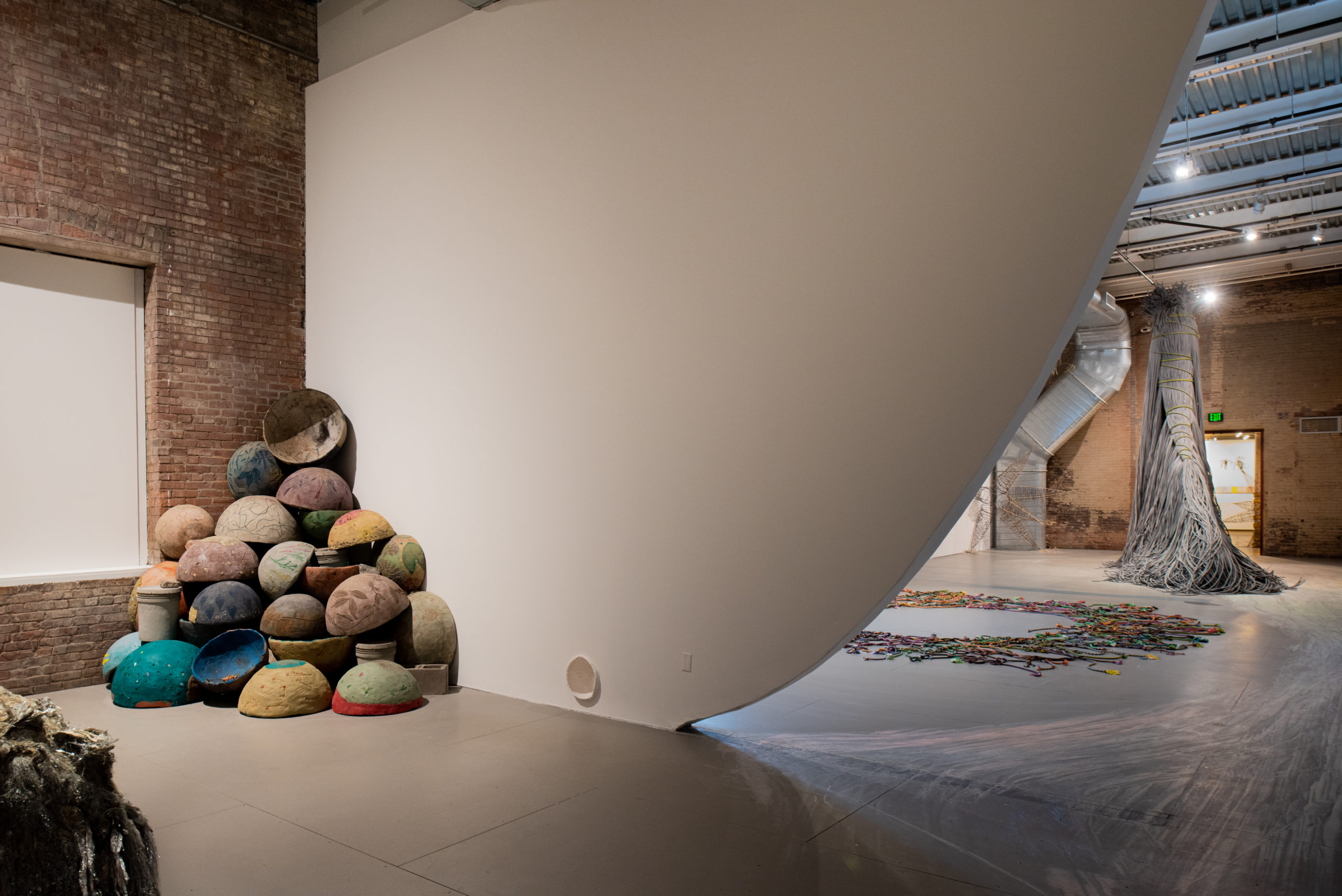
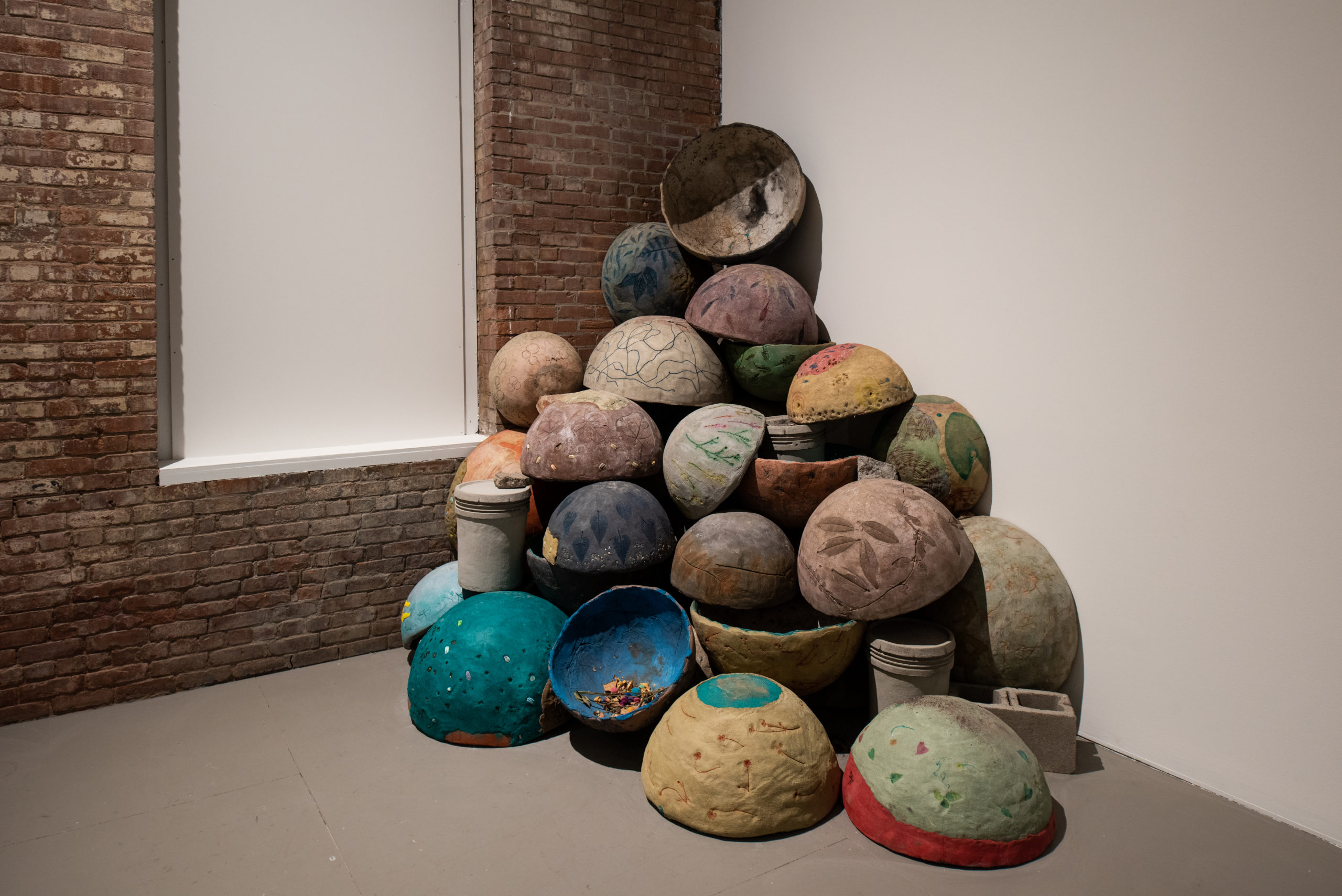
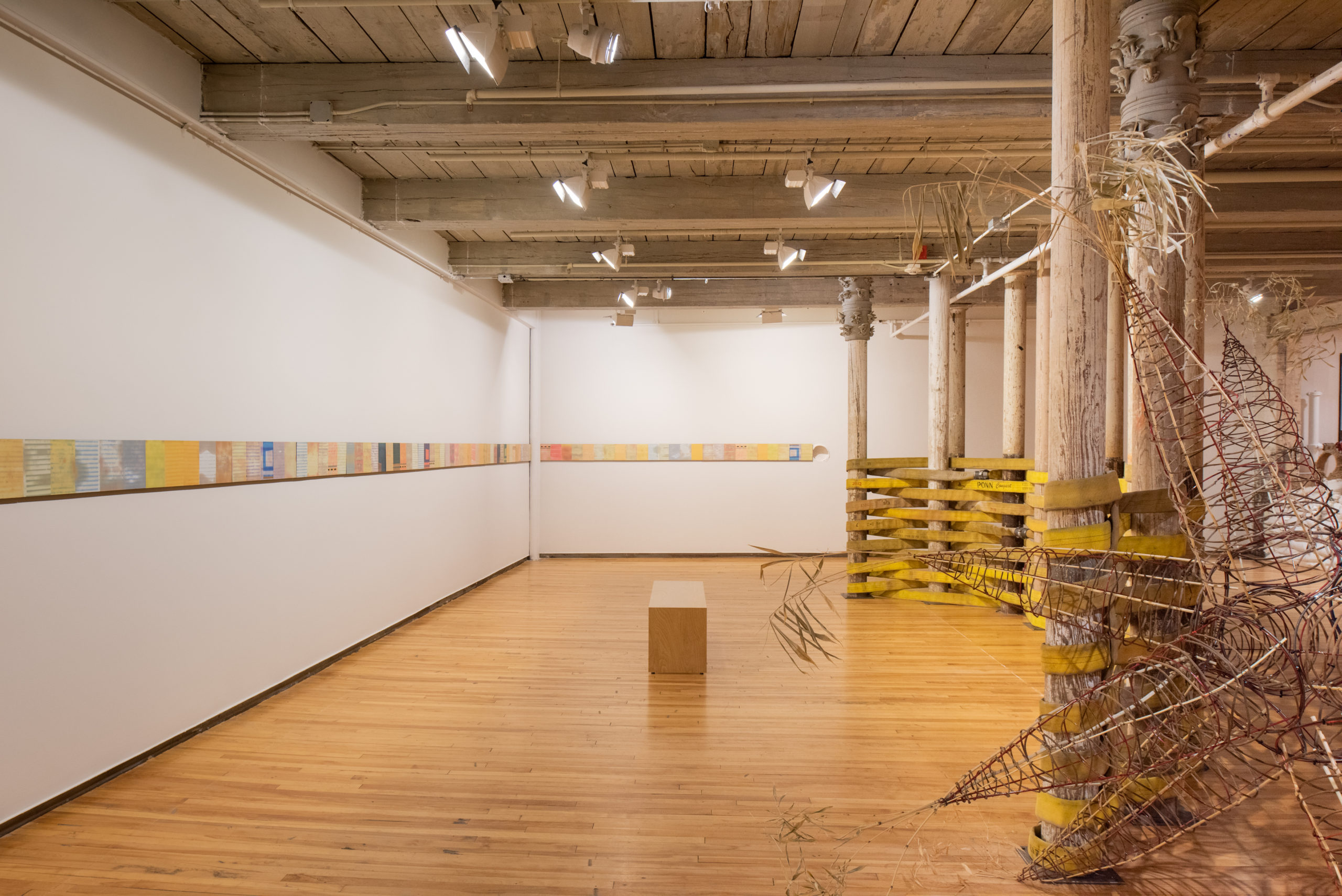
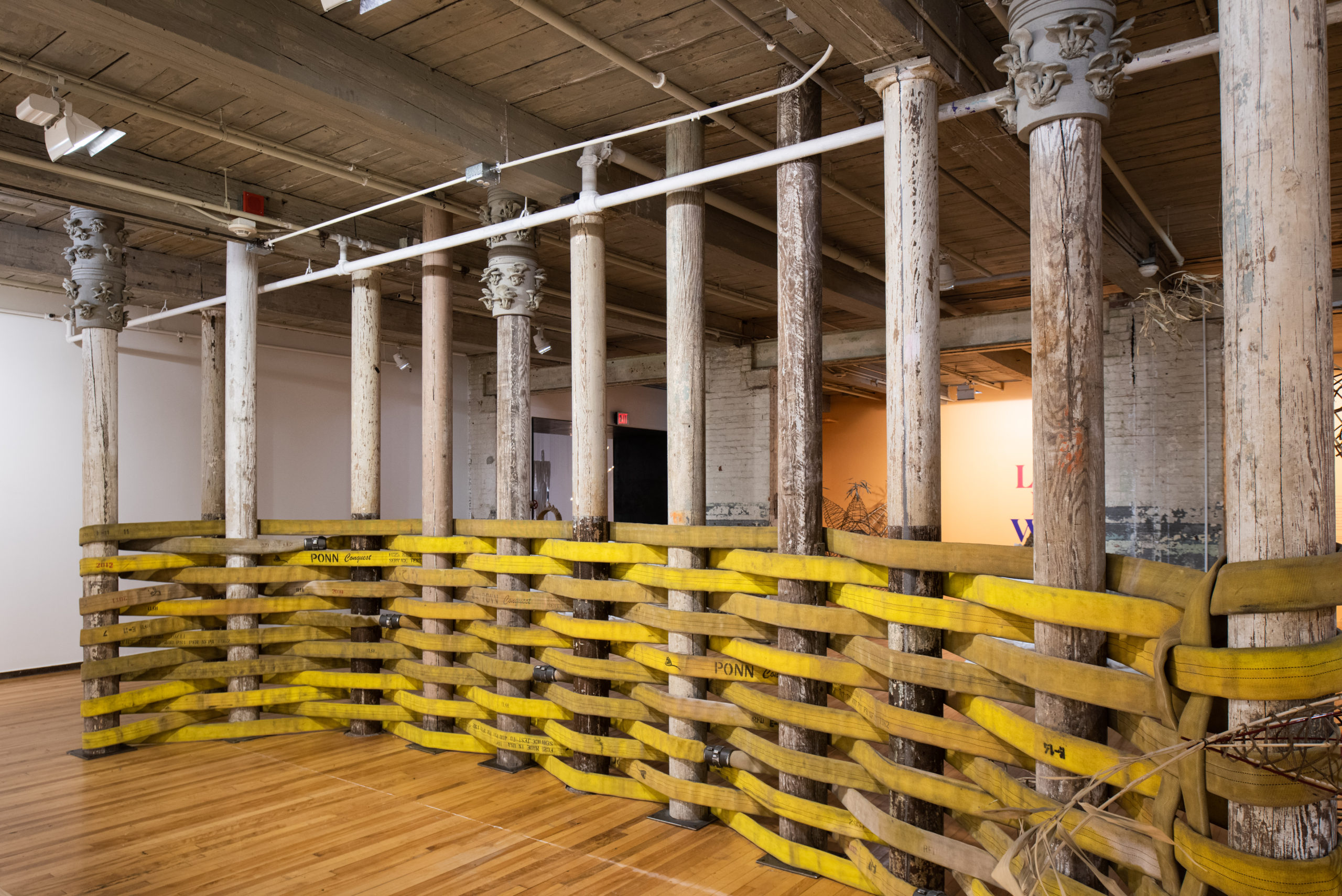
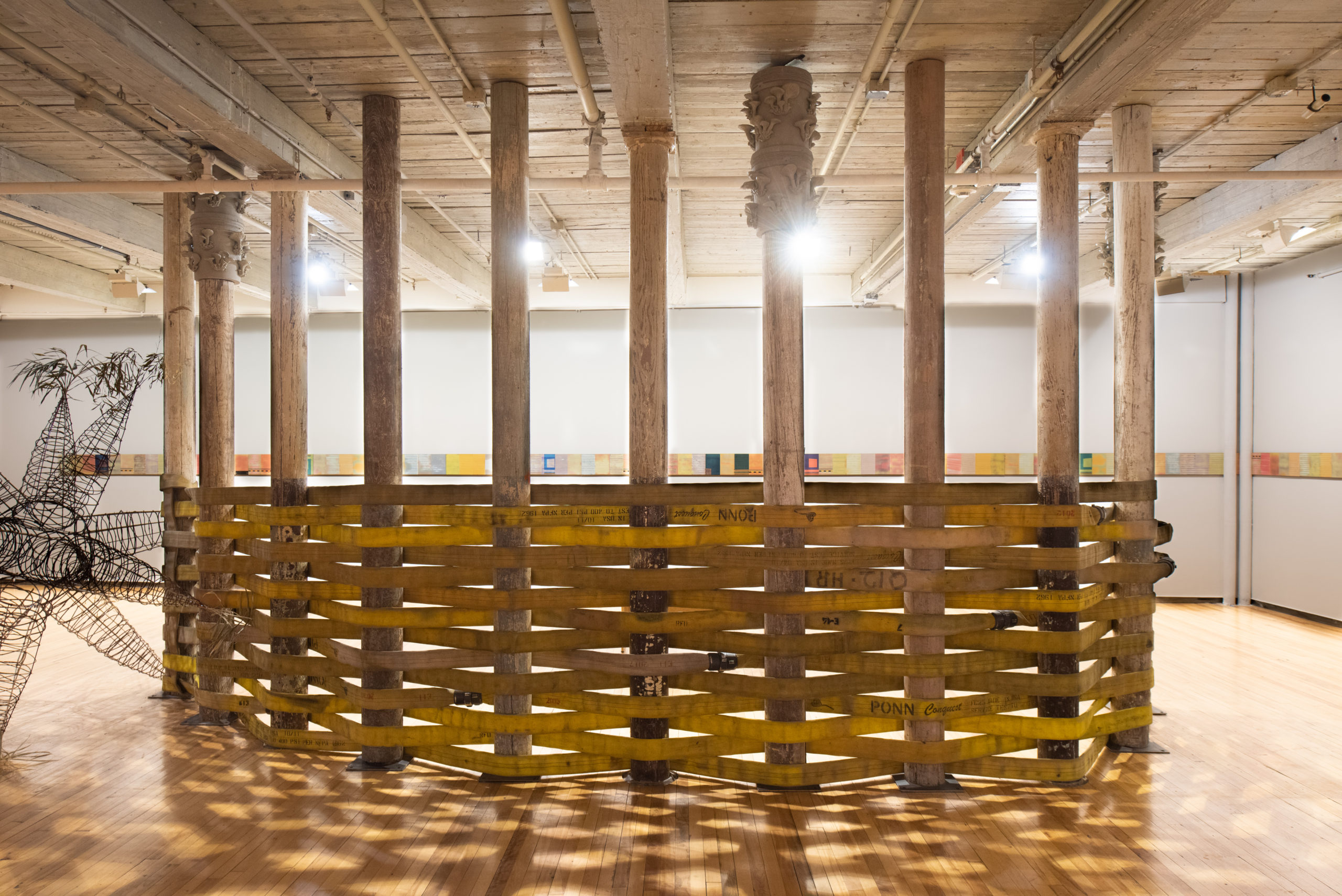
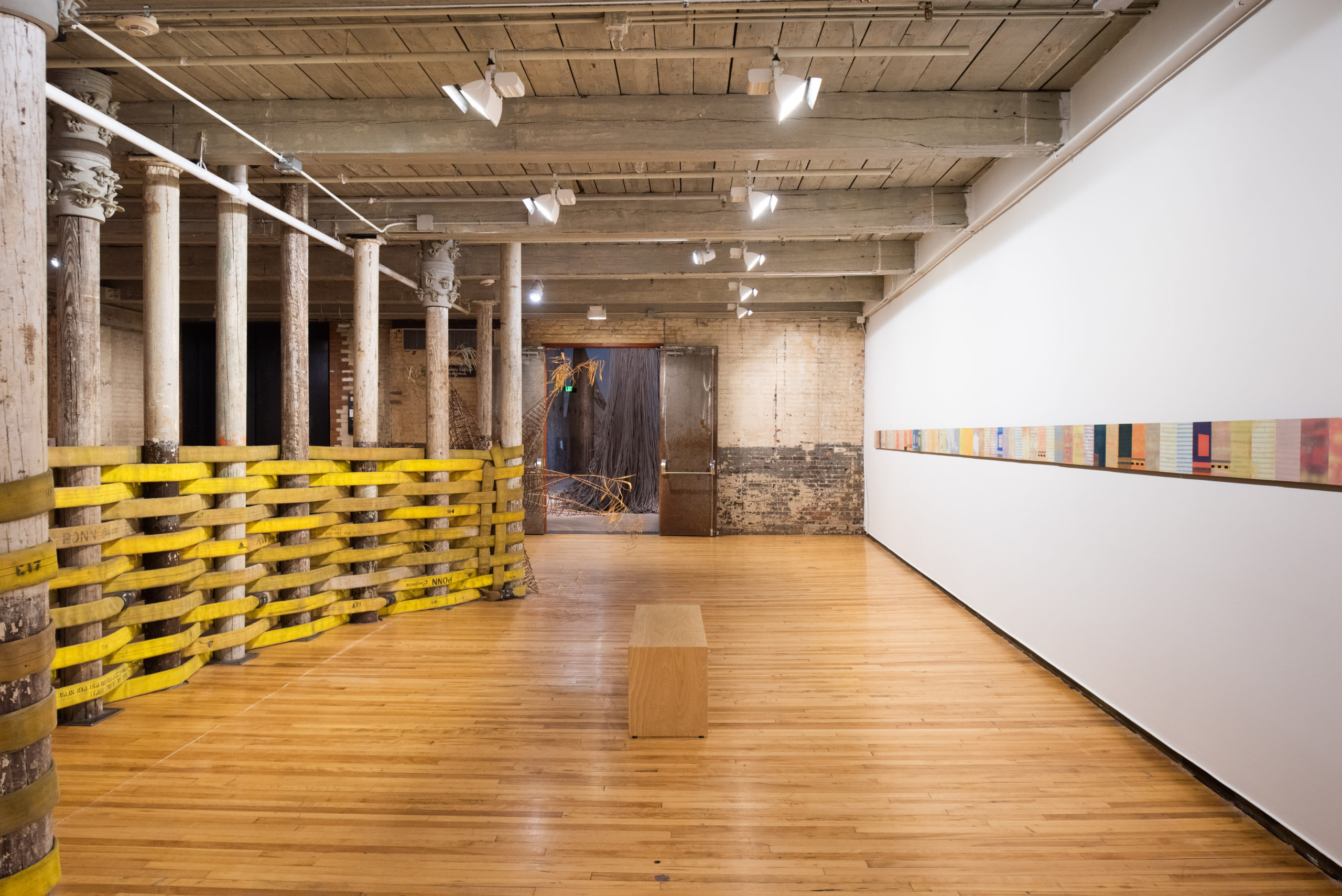
Weep Holes
March 12, 2022 – January, 2023
MASS MoCA (North Adams, MA)
Related Materials:
Weep Holes publication, MASS MoCA, with contributing essays by Denise Markonish, Patricia Kaishian, Sarah Margolis-Pineo, Billy Dufala, Christophe Theunissen, and Johanna Hedva.
Video: Lily Cox-Richard builds a giant broom to sweep out the mess
Video: Lily Cox-Richard examines materiality, reuse, and the value of objects
Notes:
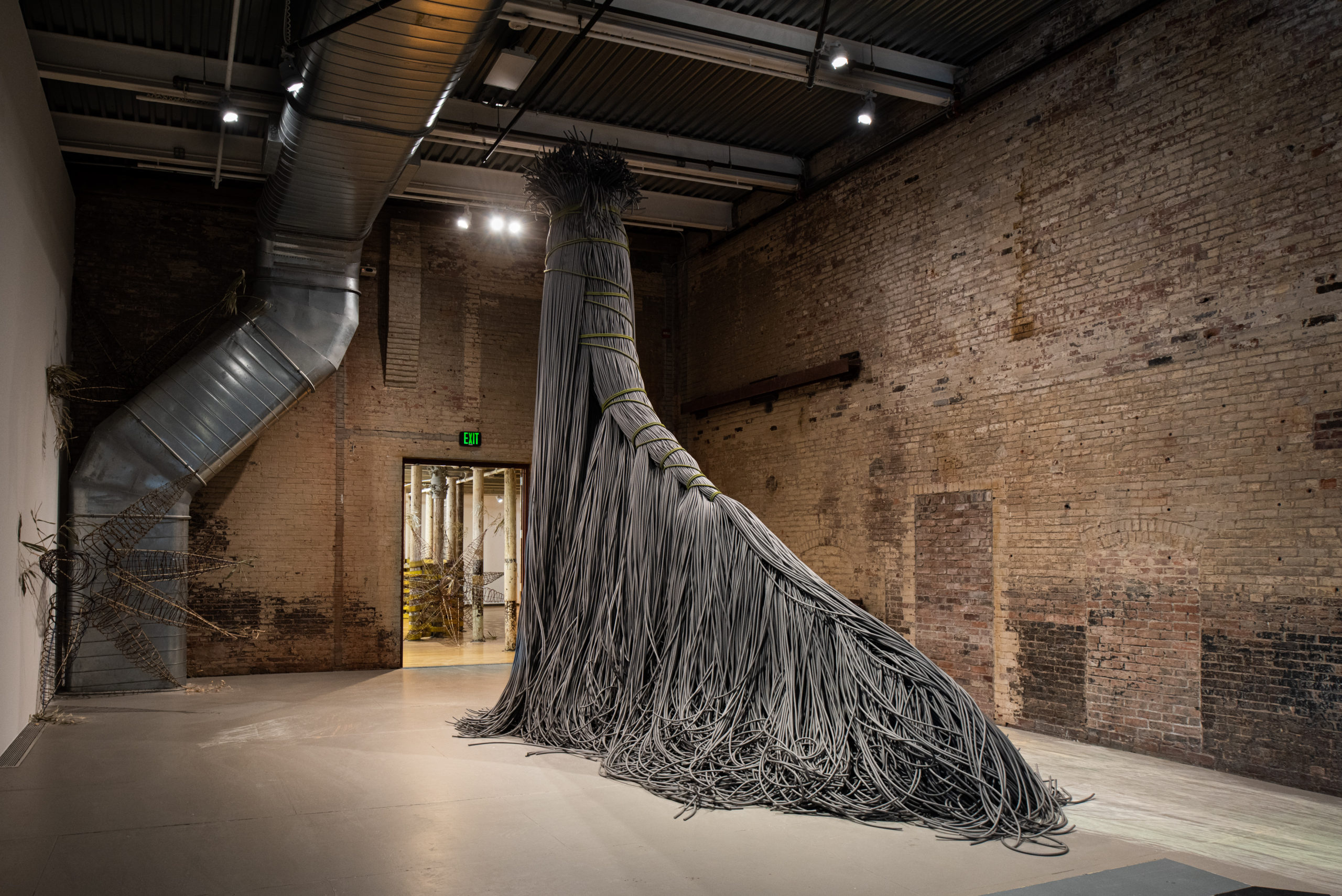
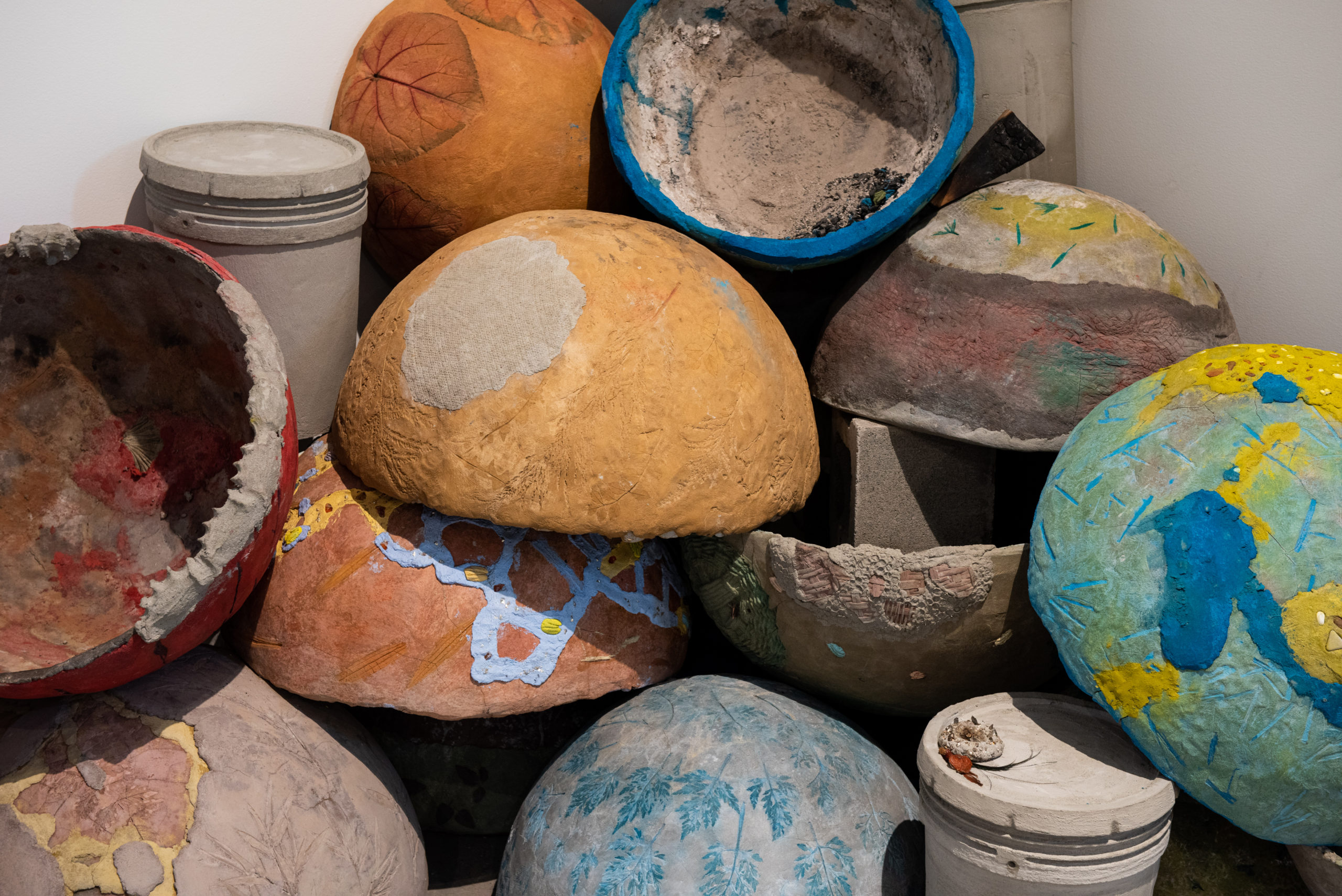
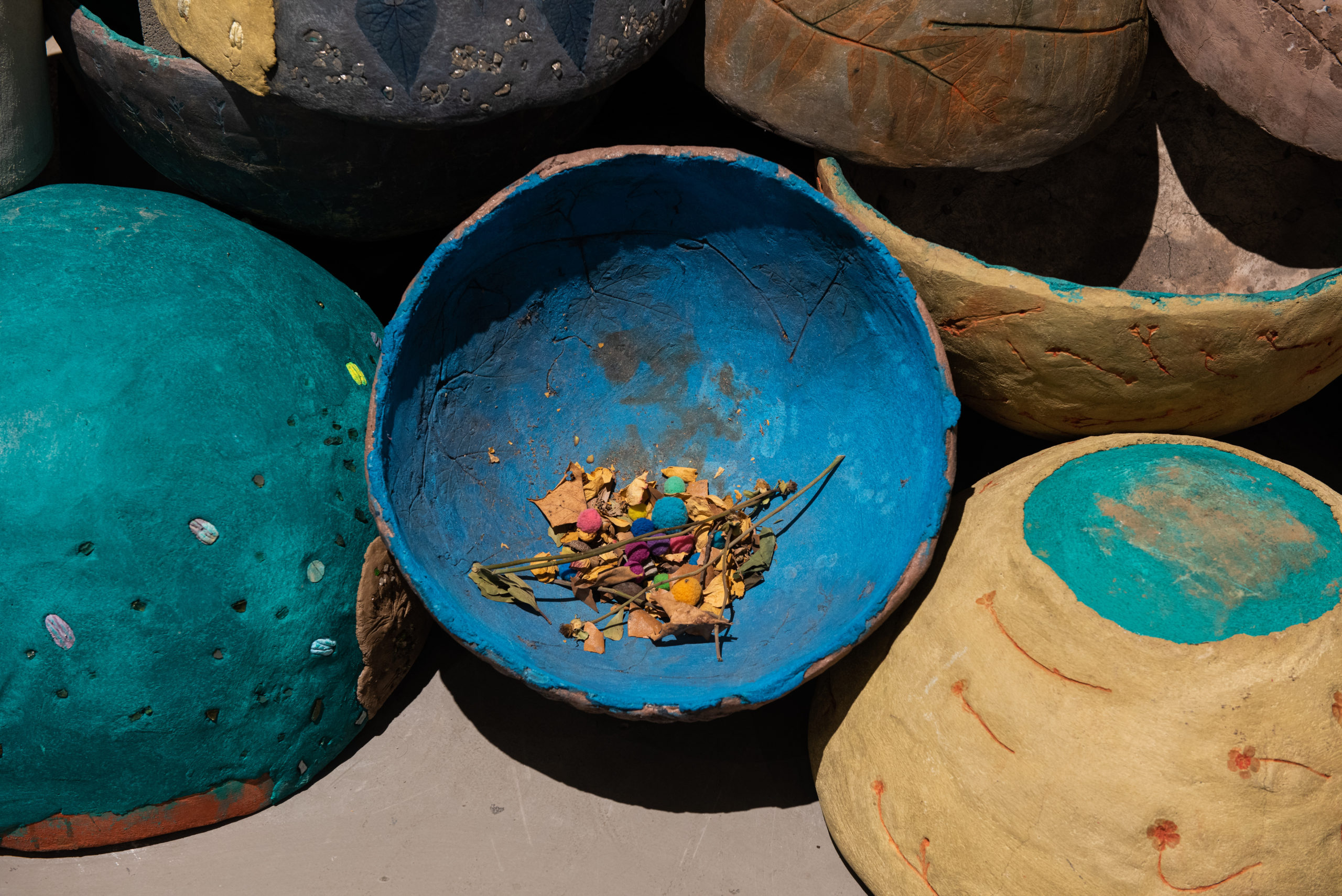
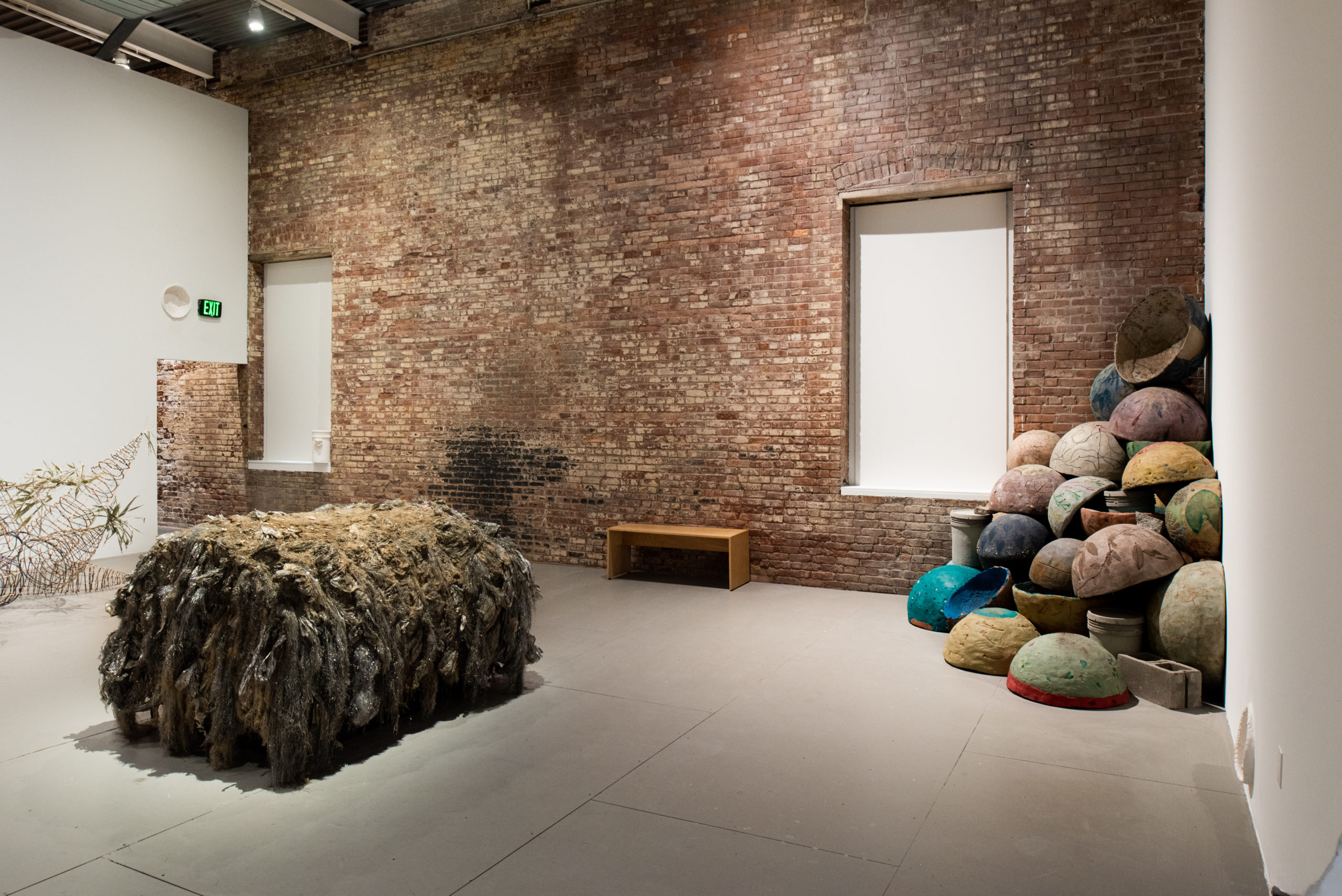
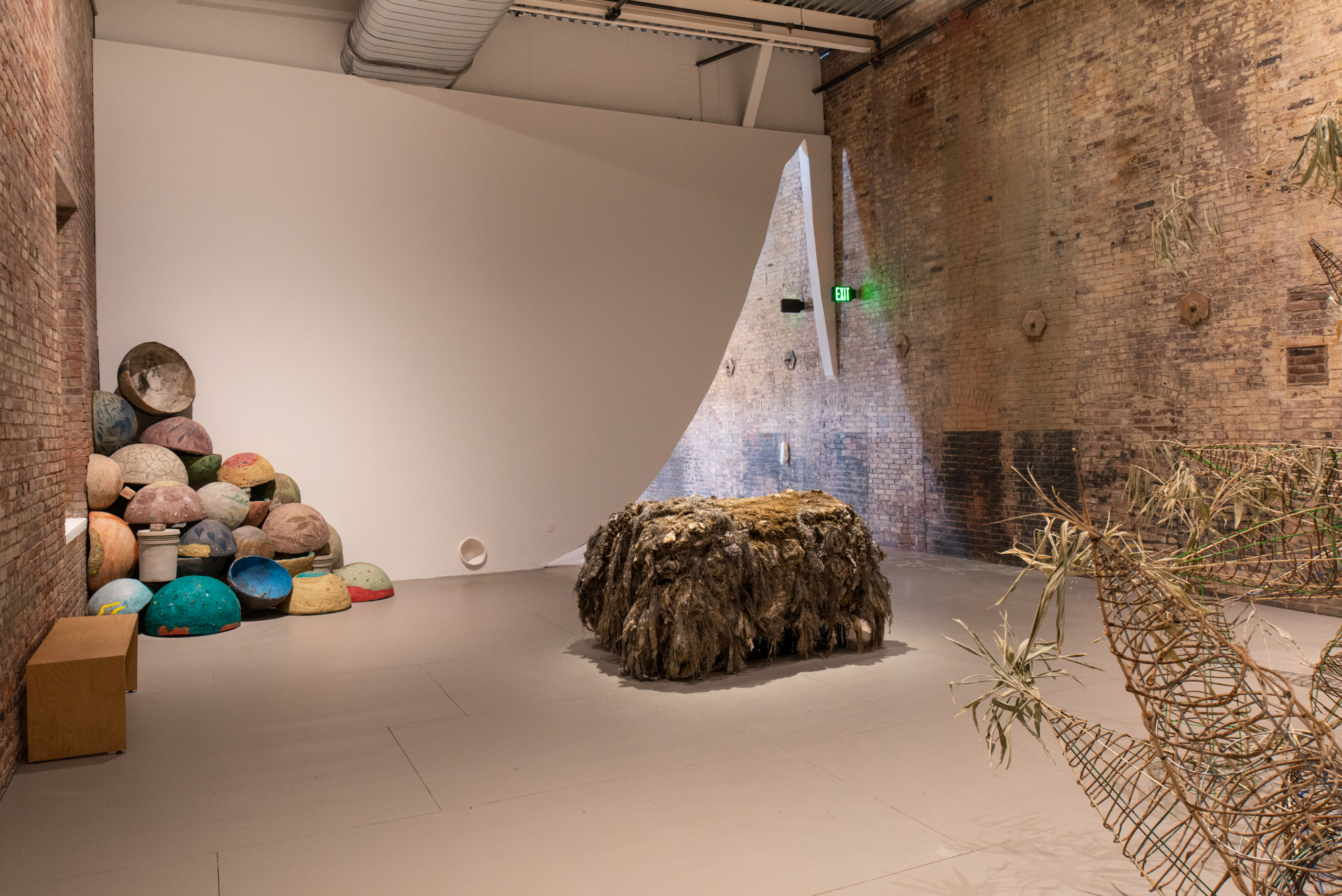
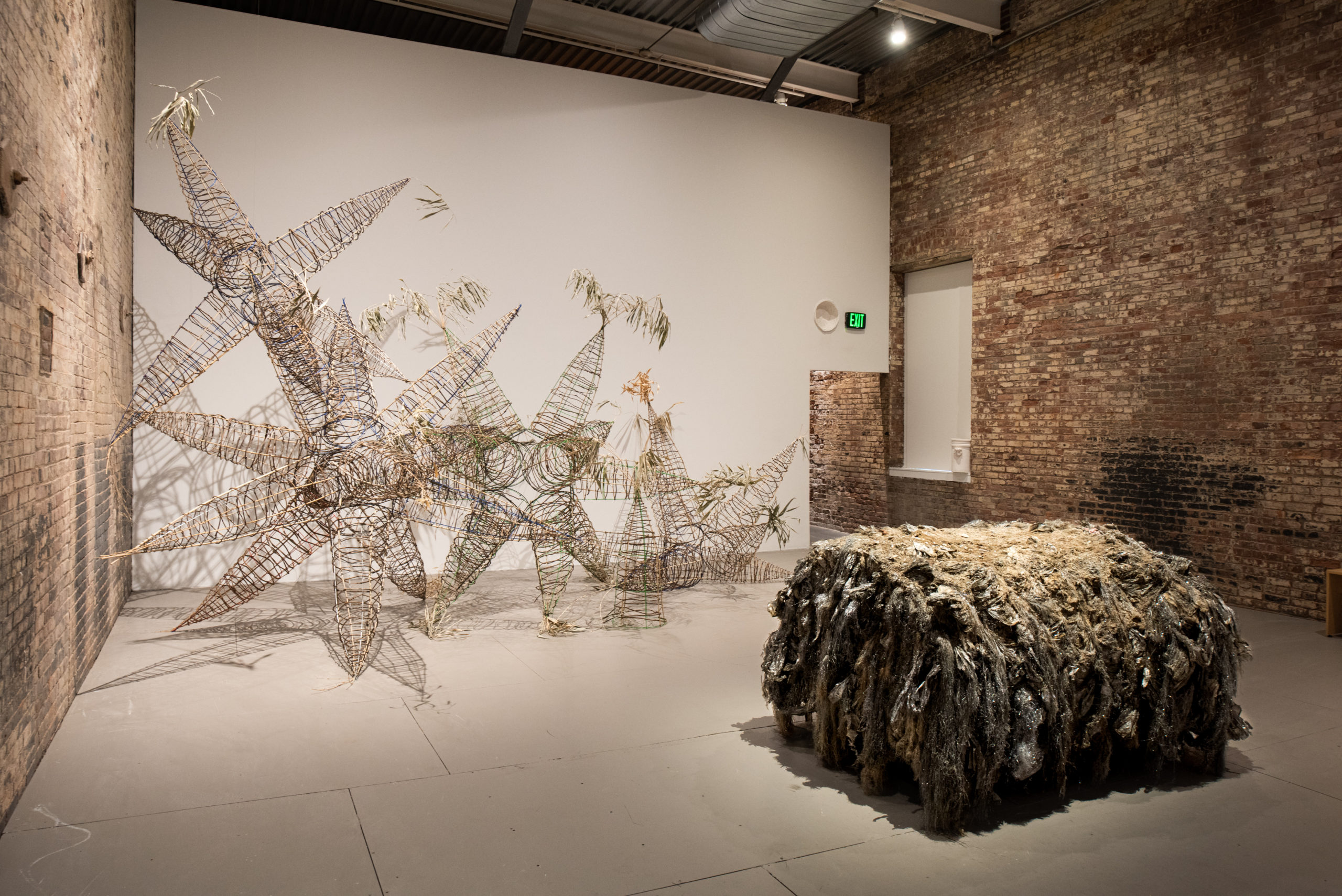
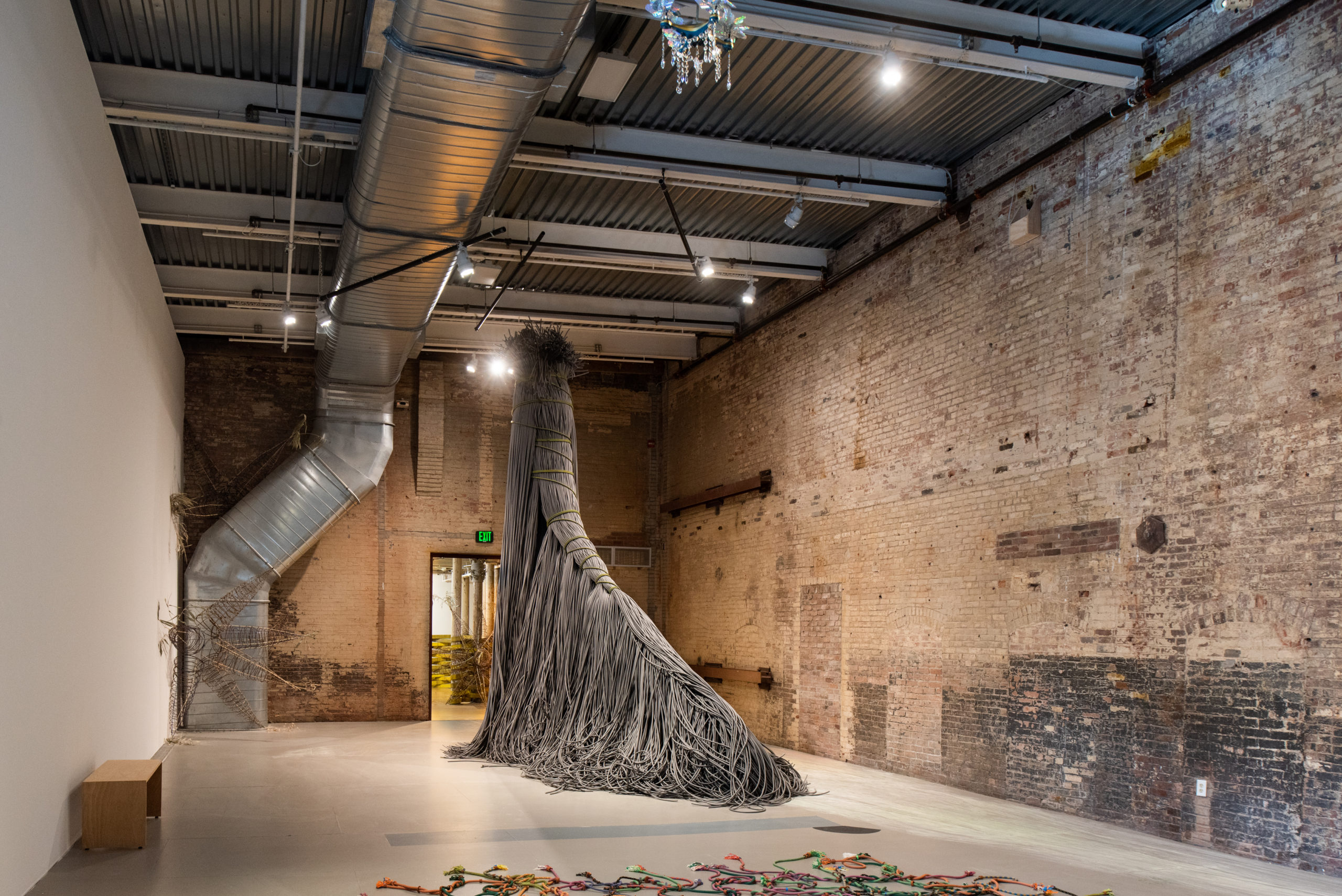
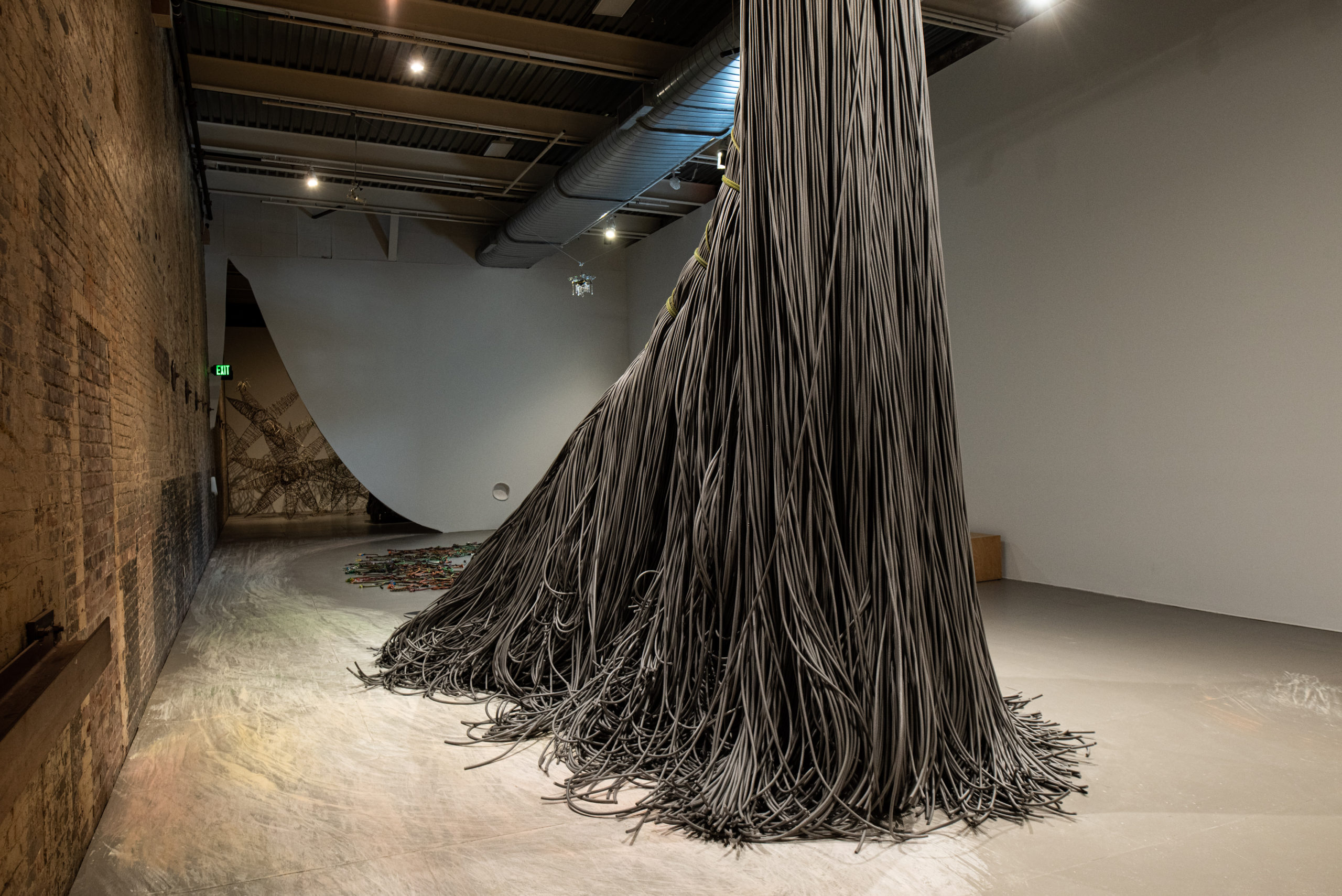
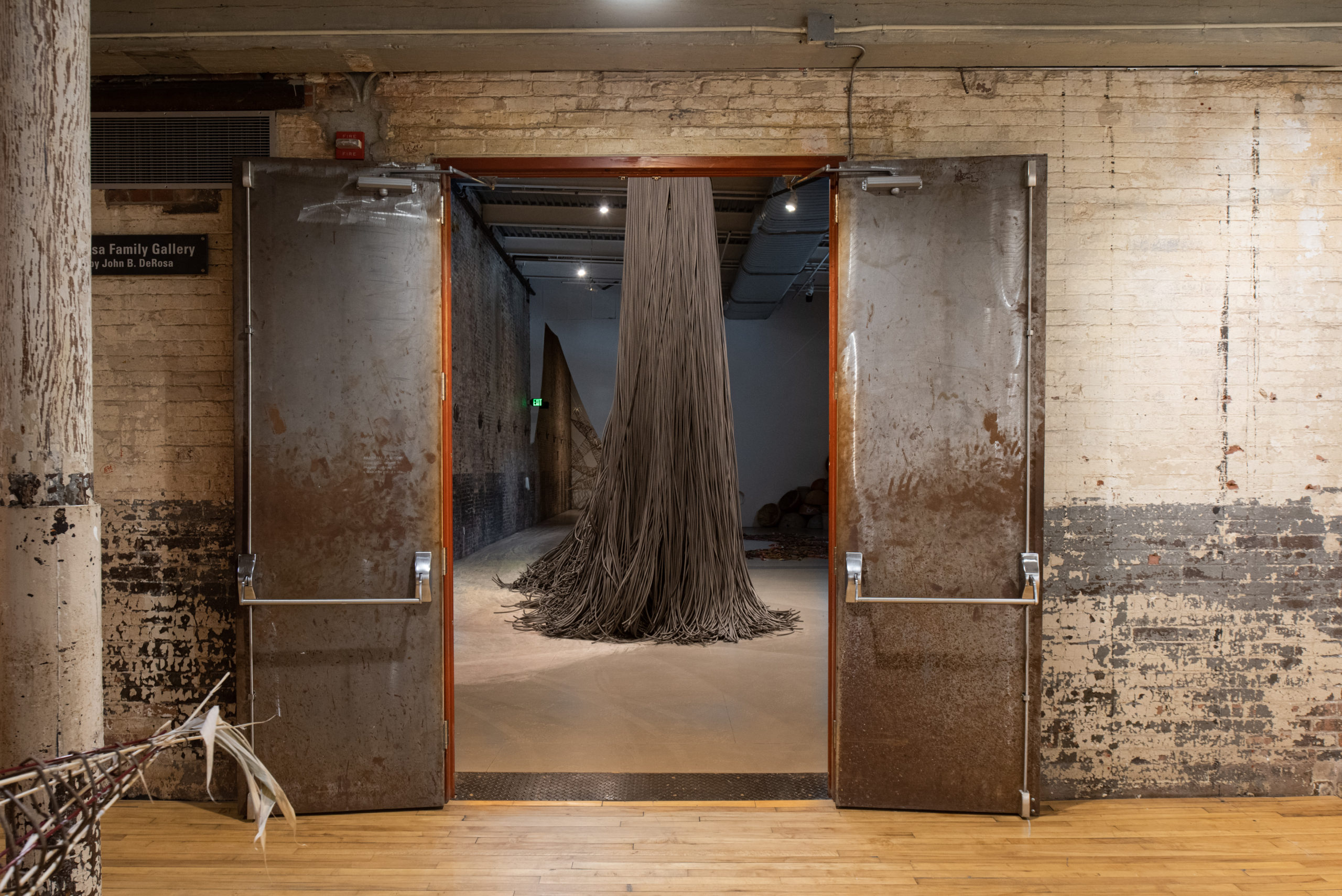
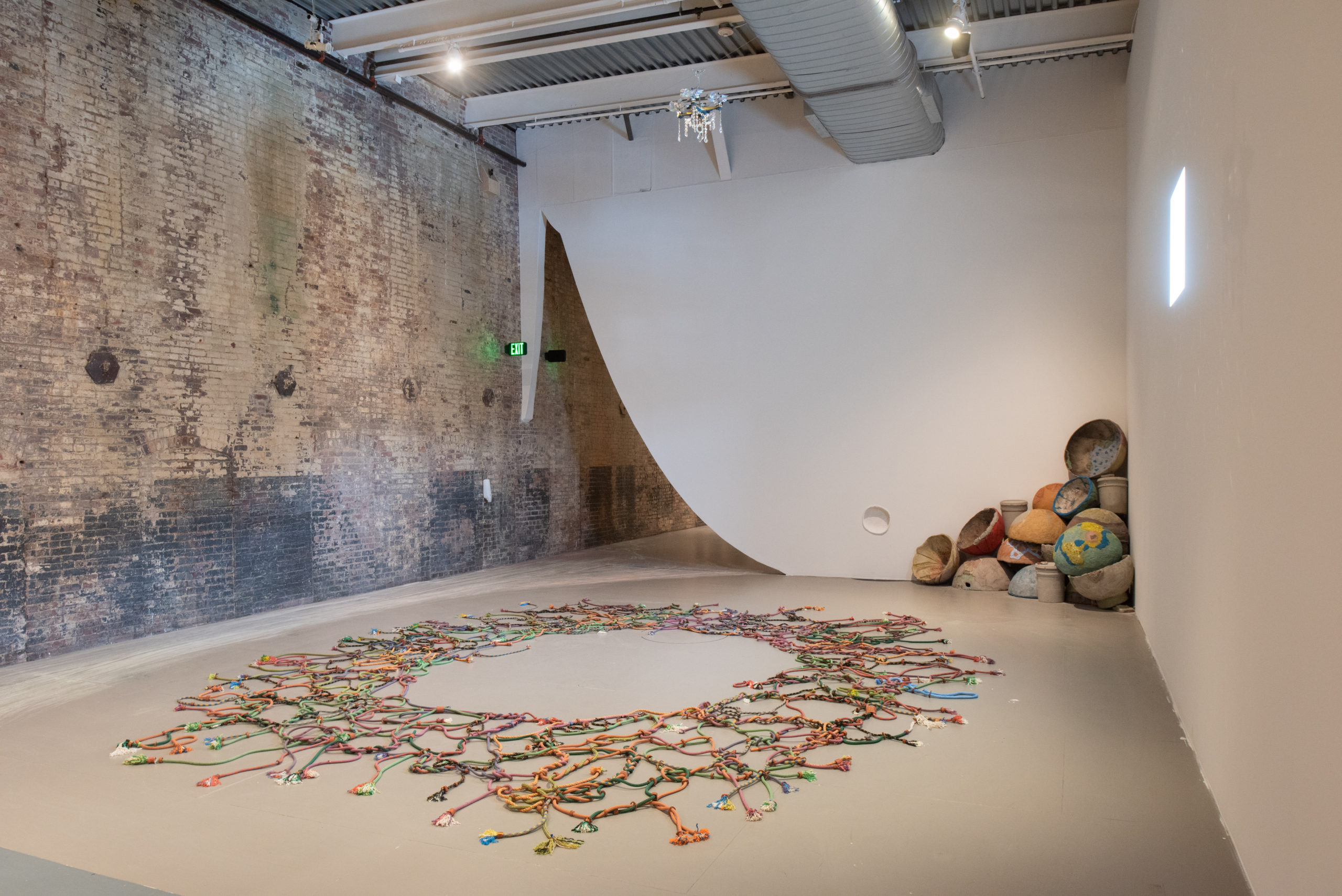
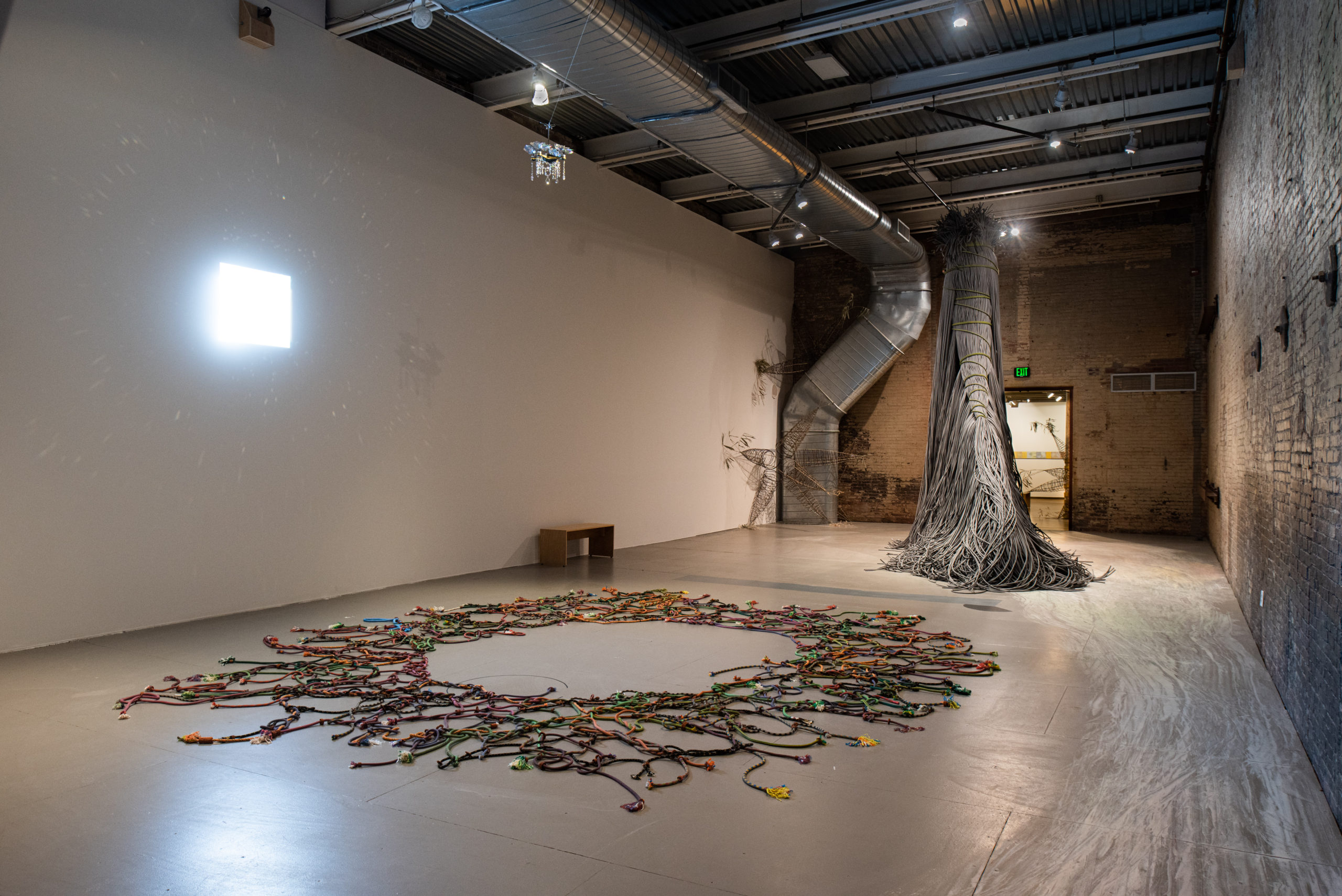
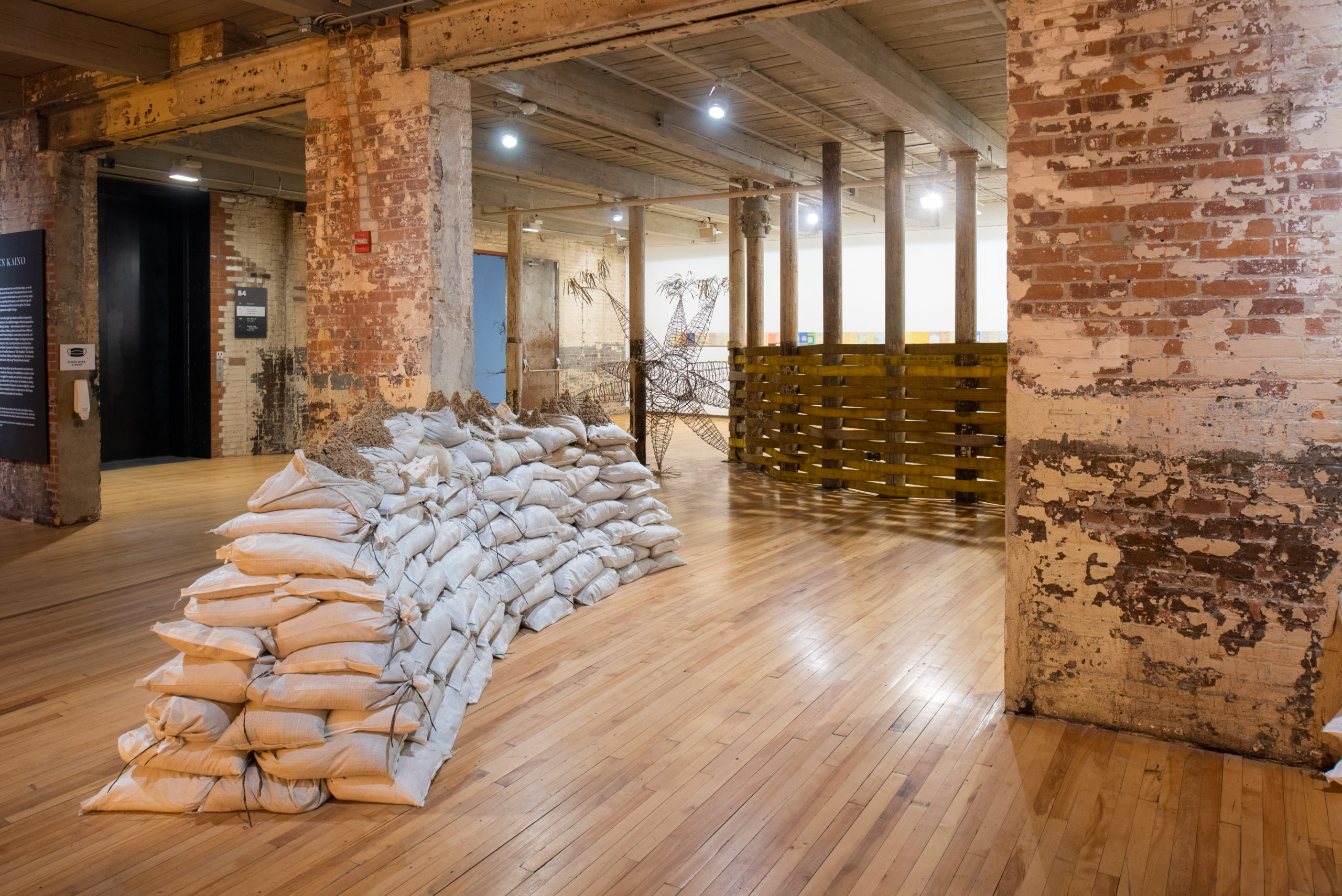
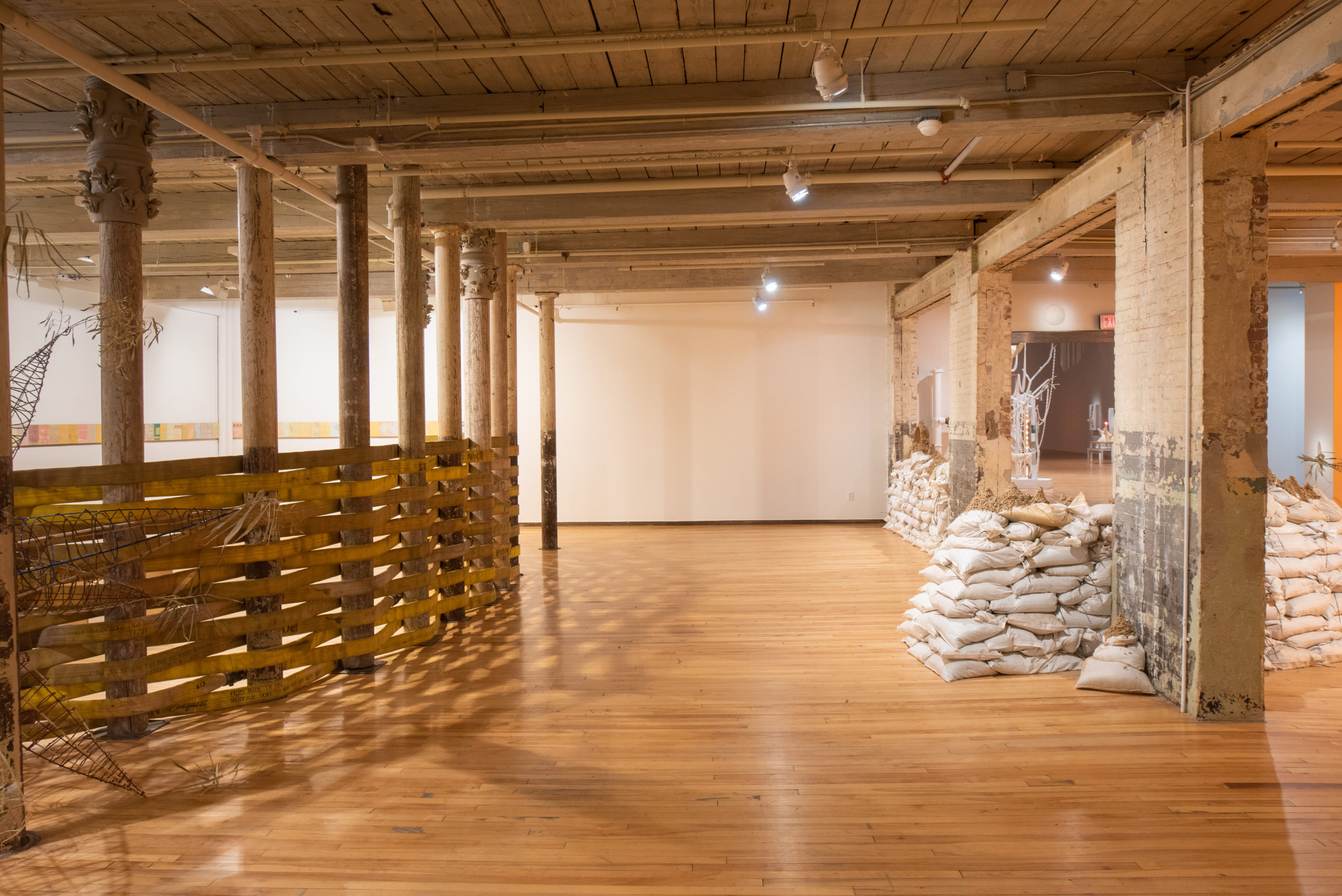
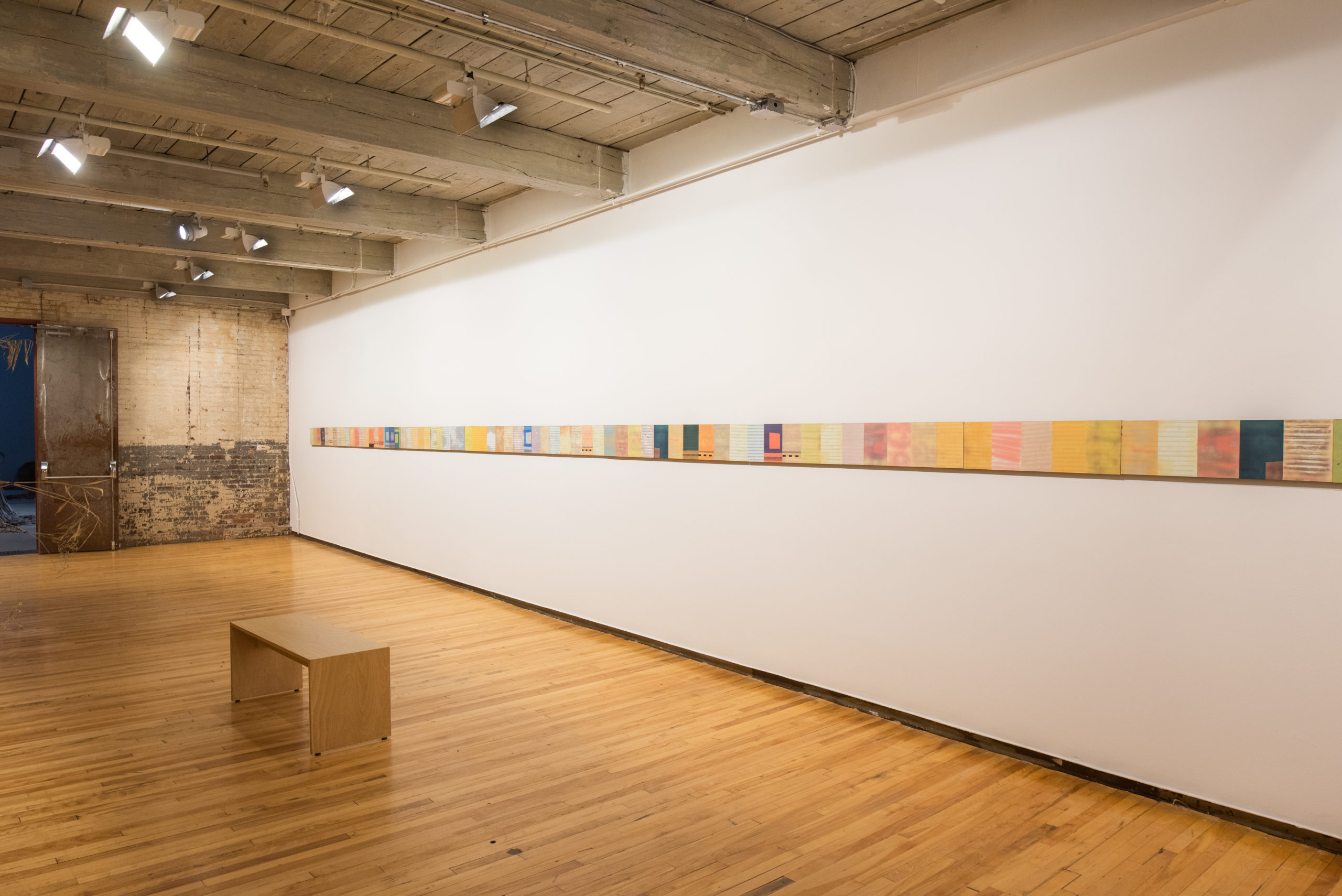
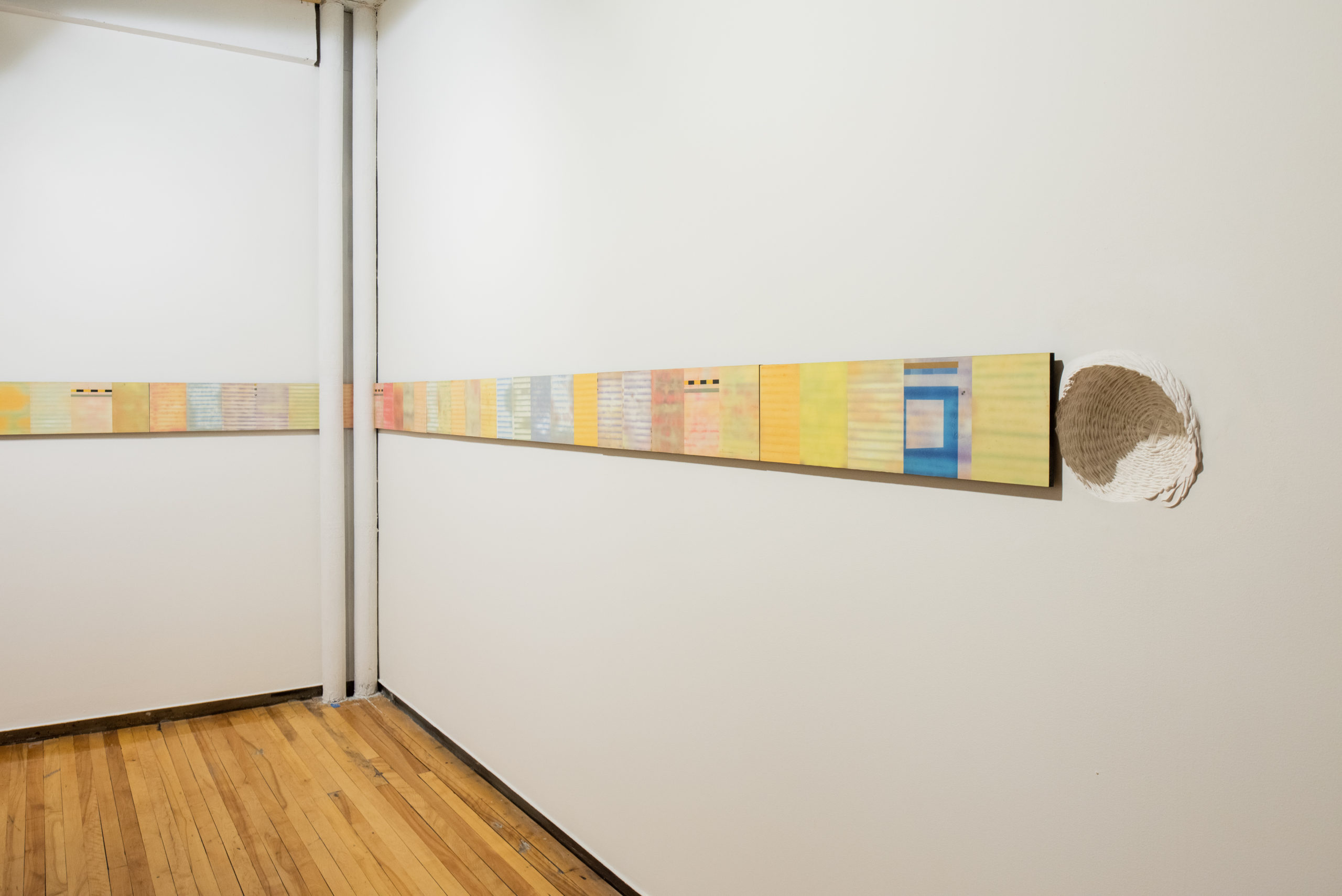
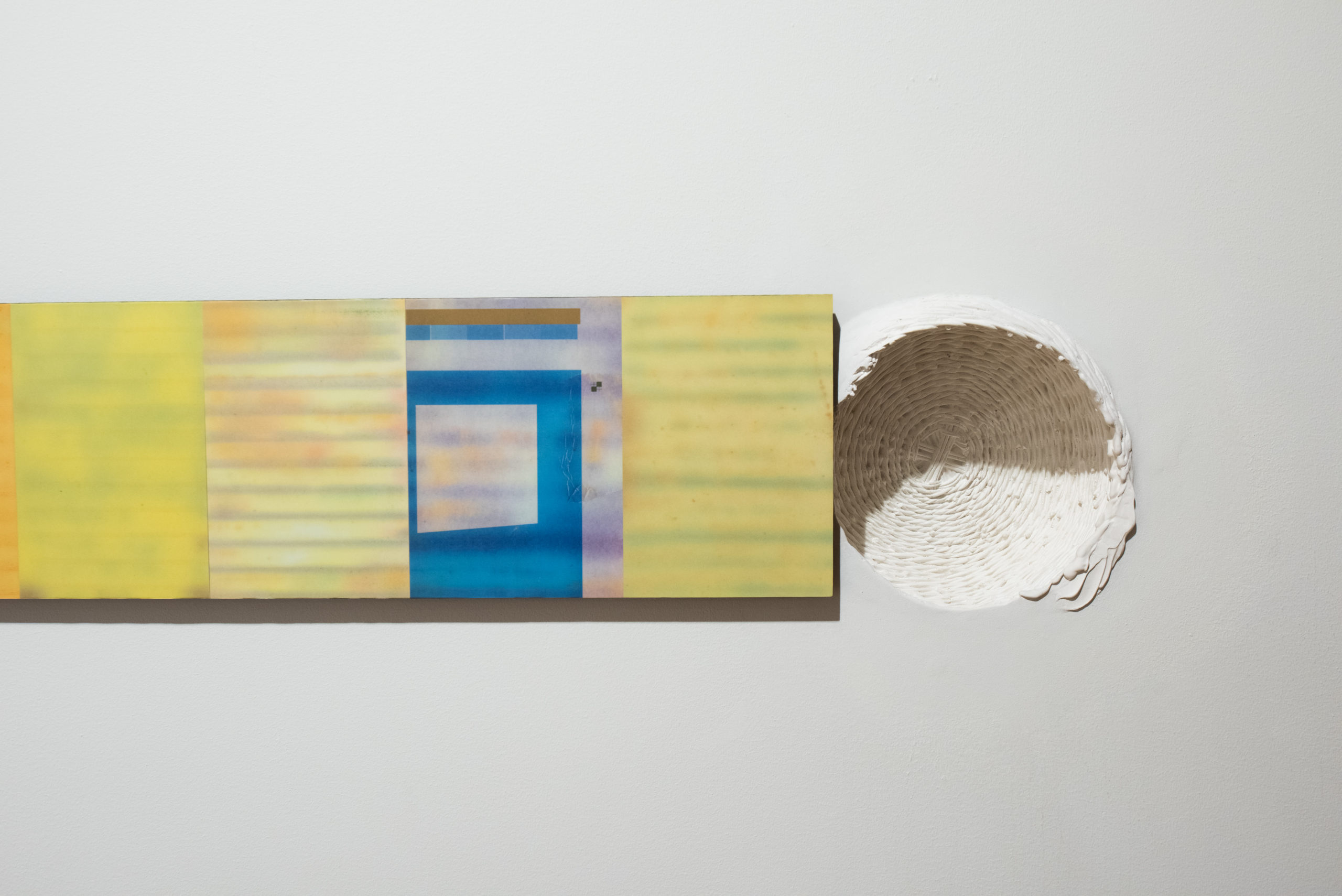
Weep Holes addresses ideas of stewardship, beauty and threat, collective action, and building and dismantling. Playing with scale, the works on view range from tiny to outsized–including a 16-foot-tall Shaker broom, made of recycled material and made in residence at MASS MoCA. These works invite the viewer to consider their physical presence and place in the world vis-a-vie the sculptures on view.
Weep Holes is made in collaboration with Sharad Kant Patel, Michael Jevon Demps, Billy Dufala, Osman Khan, Joy McMillian, Christina Sadovnikov, Library of Radical Returns, and an ever-expanding network of fires; with trust, expertise, and labor of everyone at MASS MoCA, and support from CultureWorks Richmond, Nomaco, RAIR Philly, Truetimber Arborists, VCUarts, the Virginia Museum of Fine Arts.
List of Works:
Broom, 2022
recycled foam backer rod from Nomaco Ink, Zebulon, NC, decommissioned arborist rope from True Timber, Richmond, VA, steel; 18 x 8 x 20 ft.
Fire Hoses, 2022
decommissioned fire hoses found in Richmond, VA, extant and fabricated wooden columns; variable dimensions
Cistern, 2016-2022
gypsum cement, polymer concrete, epoxy putty, polystyrene; each stack of casts measures 15 x 30 in.
Ropes, 2022
decommissioned arborist rope courtesy of True Timber, Richmond, VA, beads, string, James River clay; 20 ft. diameter
Fire Pits, 2020-22
gypsum cement, pigment, plaster, coal, collected stones and seashells, ashes and other offerings; each pit 12 x 24 in.
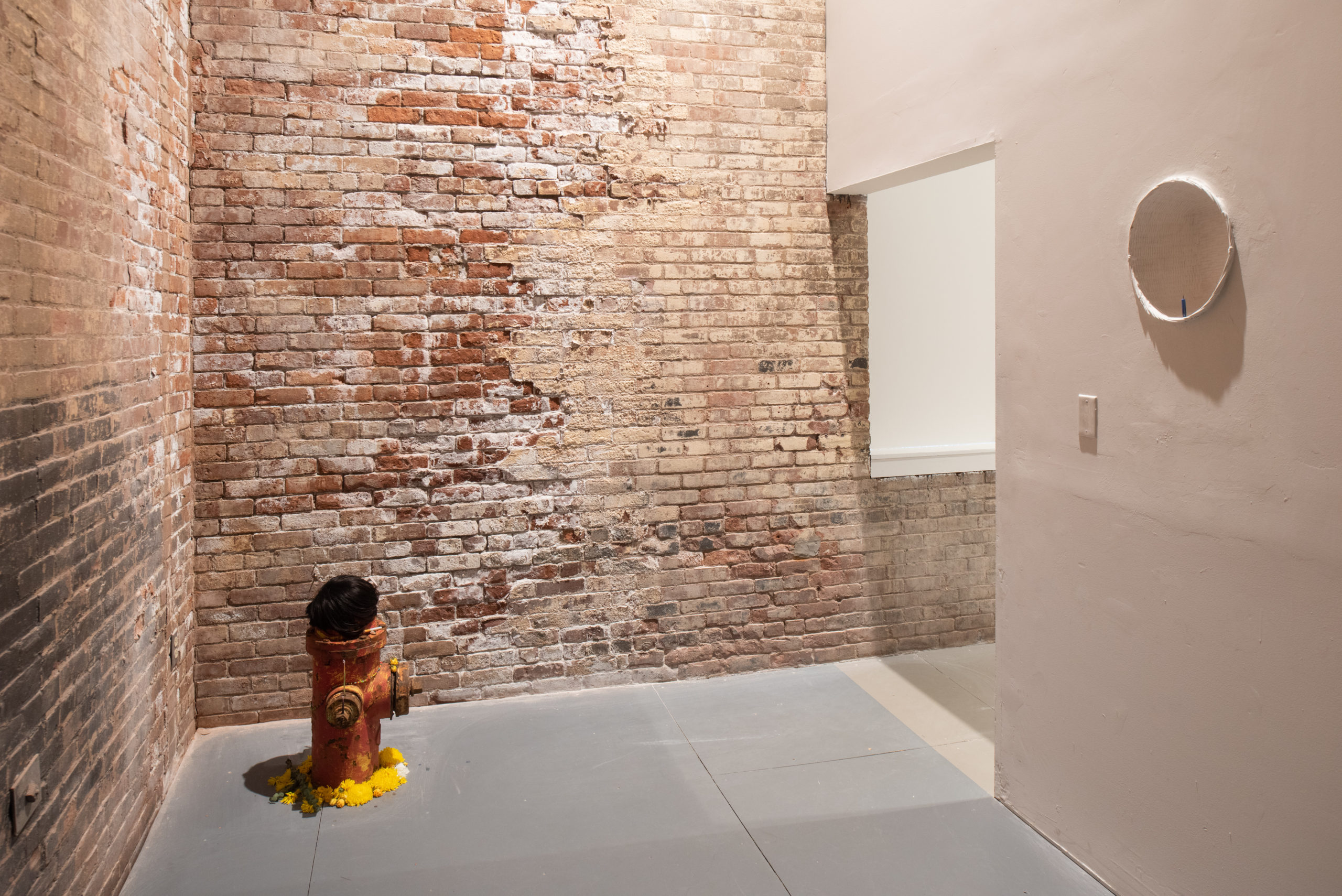
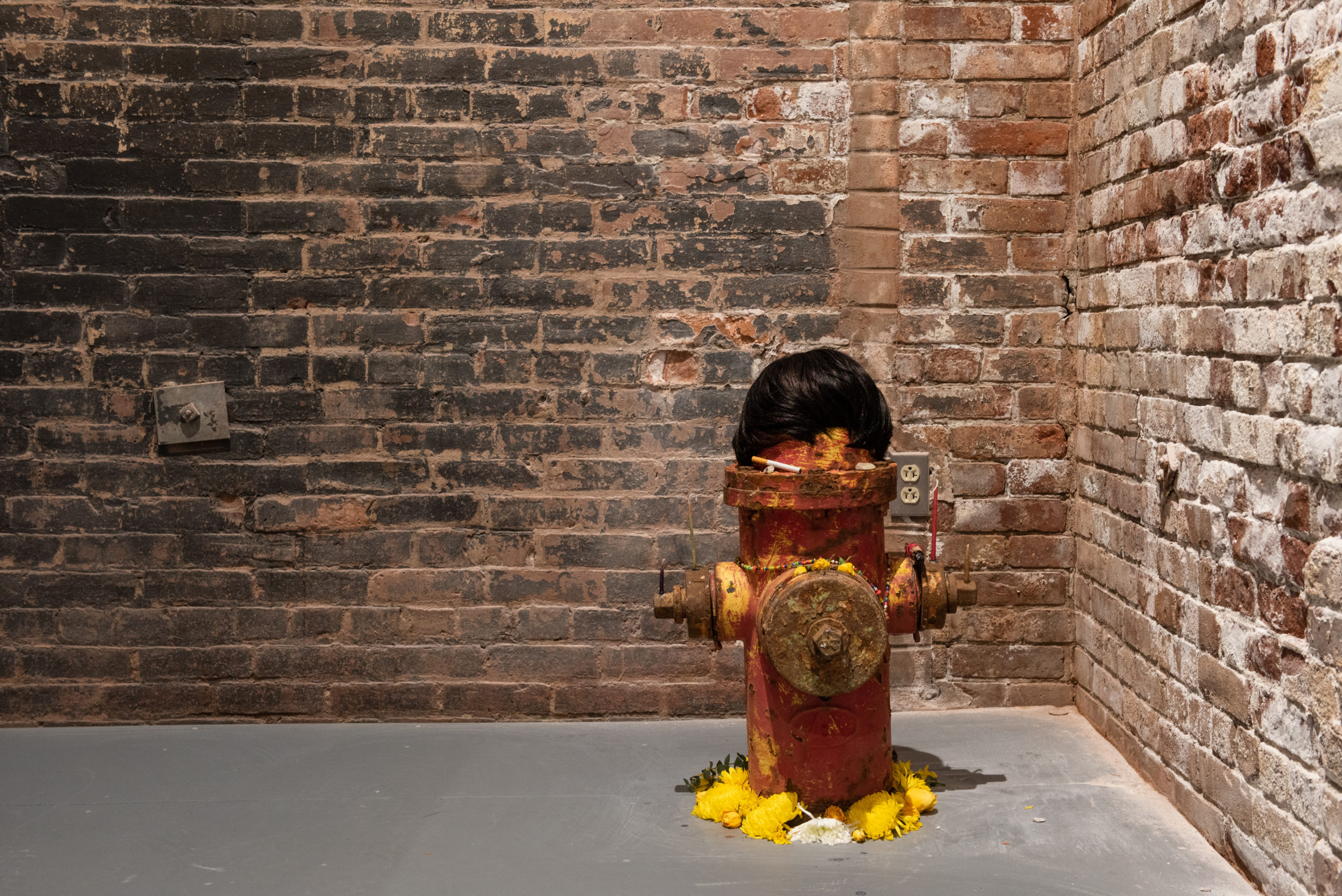
Witness/ American Darling, 2022
decommissioned fire hydrant, offerings; 26 x 14 x 20 in.
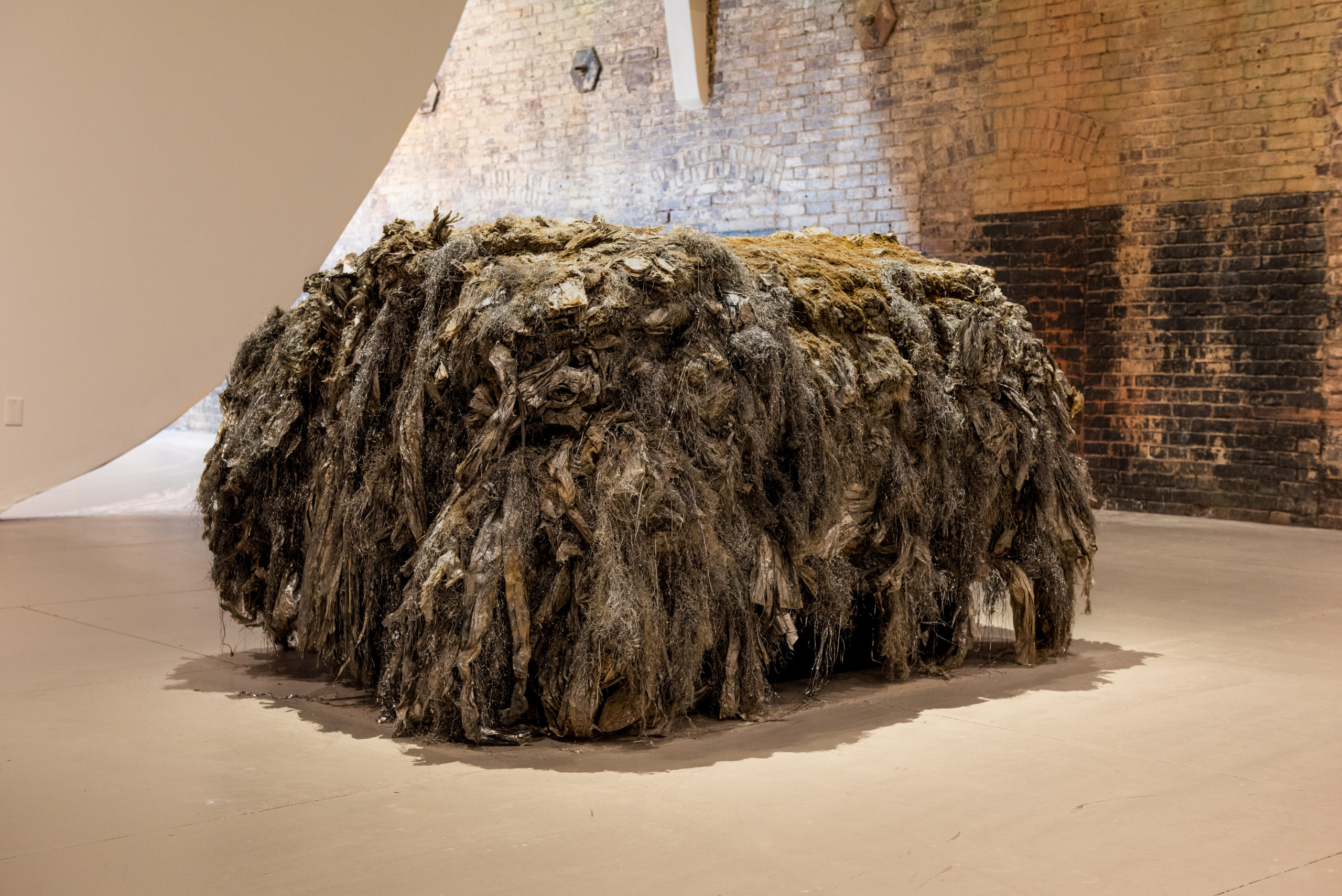
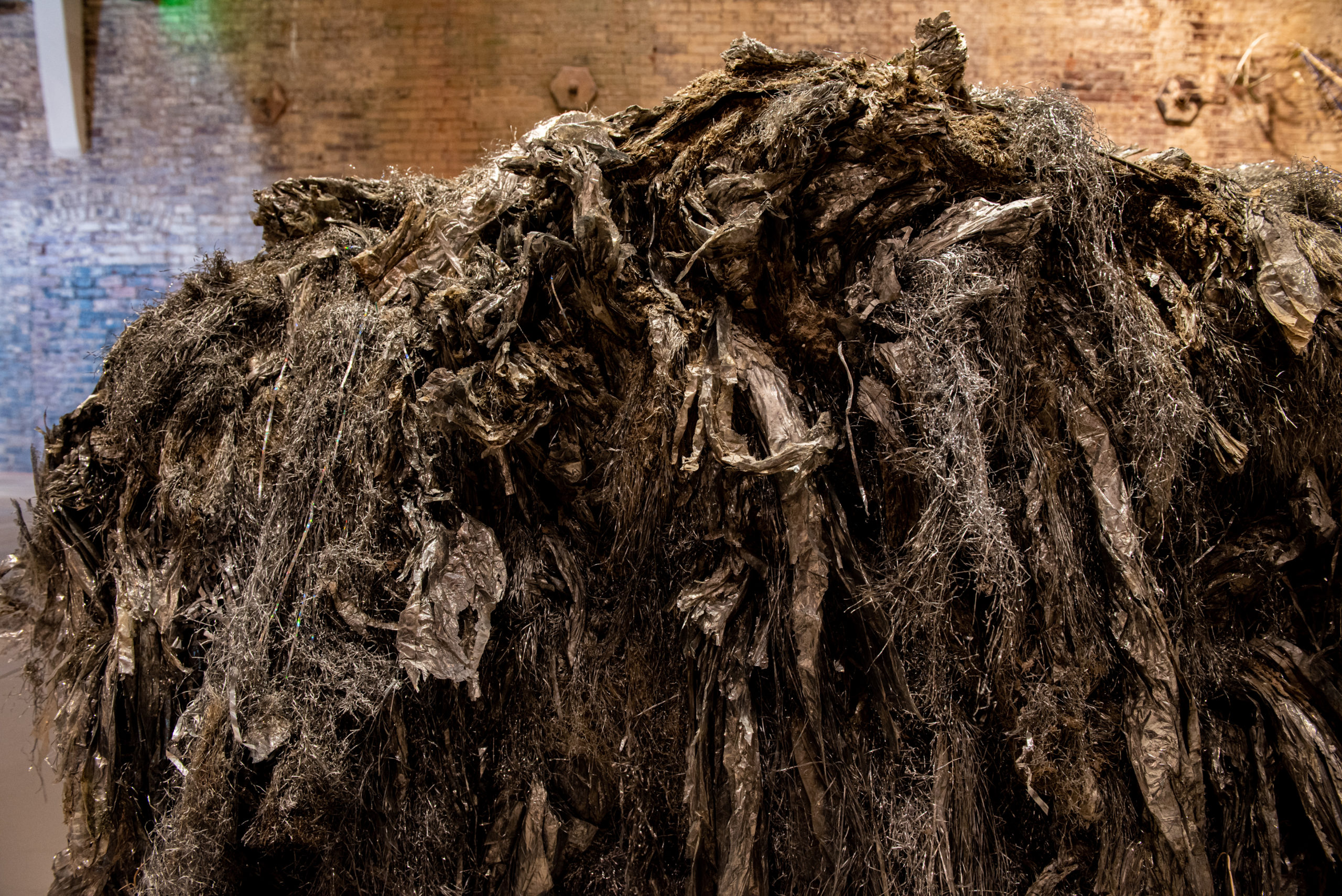
Tinsel Bale/ Chaff, 2016-2022
bale of tinsel on wooden pallet, encountered at Revolution Recovery/ RAIR Philly, PA; 46 x 48 x 68 in.
Throwing Rainbows (in collaboration with Sharad Kant Patel), 2022
projected single channel 4K video and stereo audio; 04:57min runtime
Drone Chandelier, 2022
broken drone, lead crystal, found crystal of unknown origin, brass jump rings, steel cable, and audio*; 20 x 15 x 15 in.
*audio made in collaboration with Michael Jevon Demps
Candle Prints, 2022
digital prints of mixed papers with candle sweat mounted on black PVC; 9 x 30 in., 22 pieces
Waddle and Daub, 2016-2022
gypsum cement, candles, wall; variable dimensions
Sedge, 2022
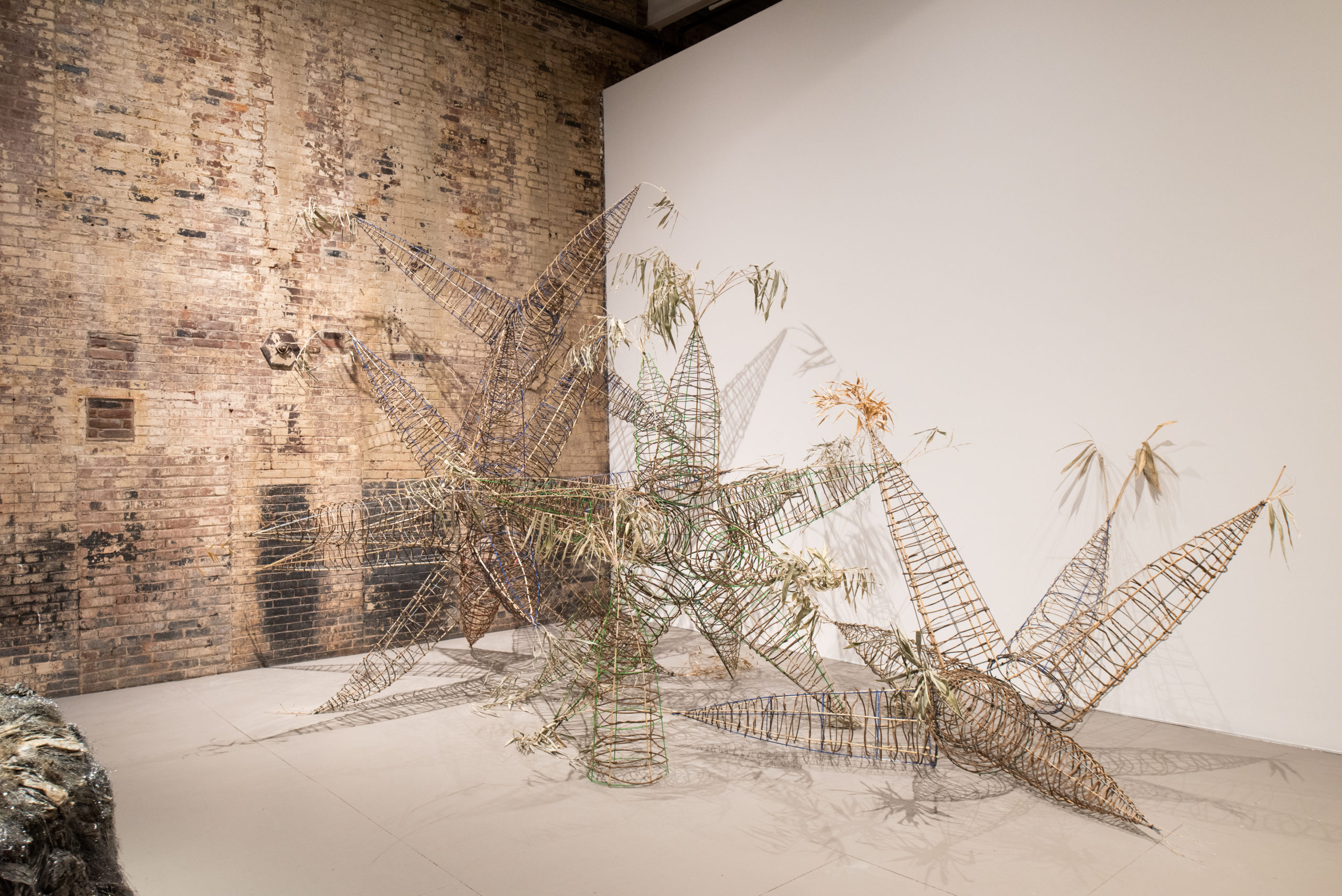
manufactured steel tomato cages, kudzu, bamboo, steel; variable dimensions
Berm Castle, 2022
sand, vermiculite, sandbags, Titebond translucent wood glue; variable dimensions
Credits:
Photography by Tony Luong
Forms:
walking with, Library of Radical Returns, 2019
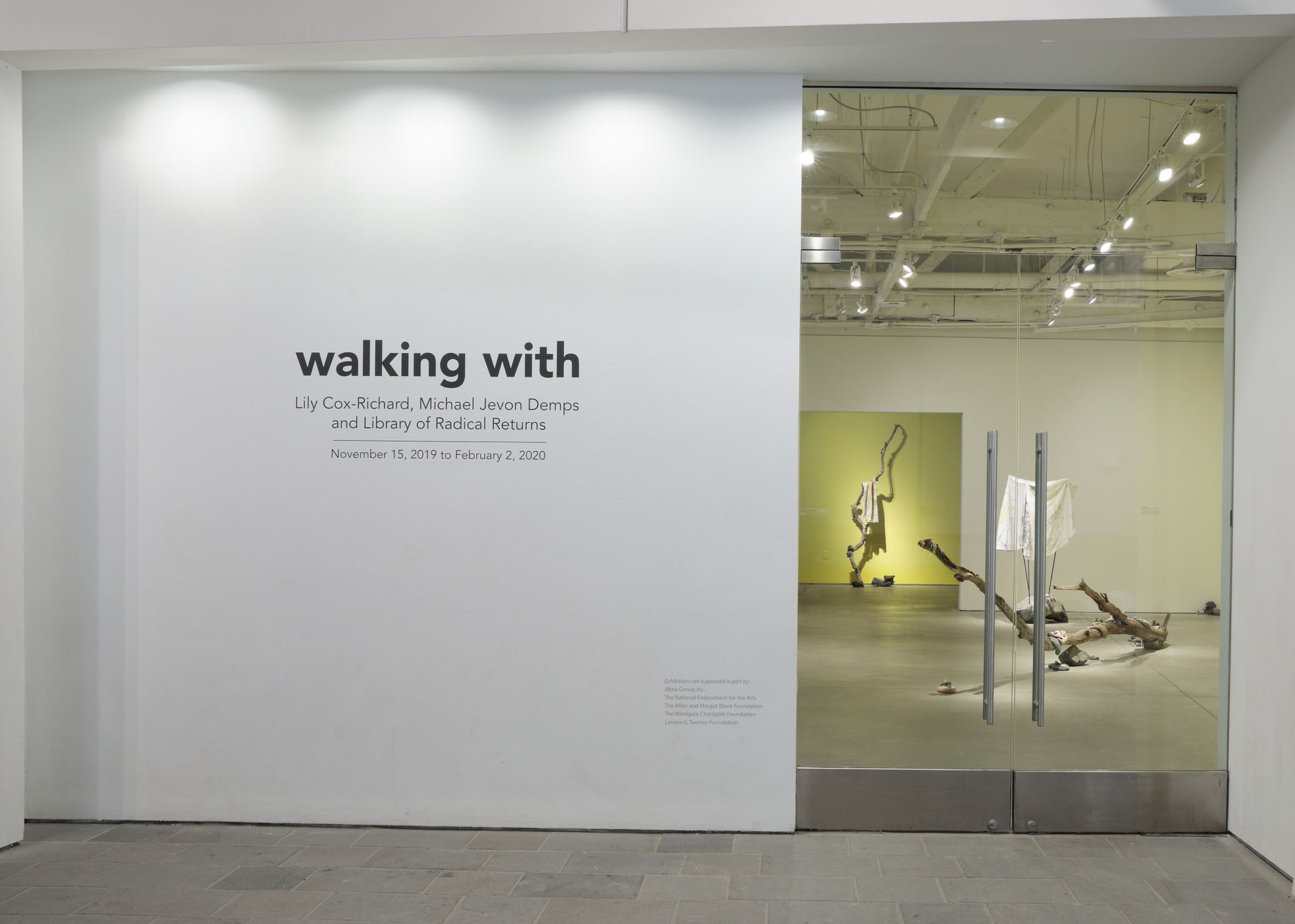
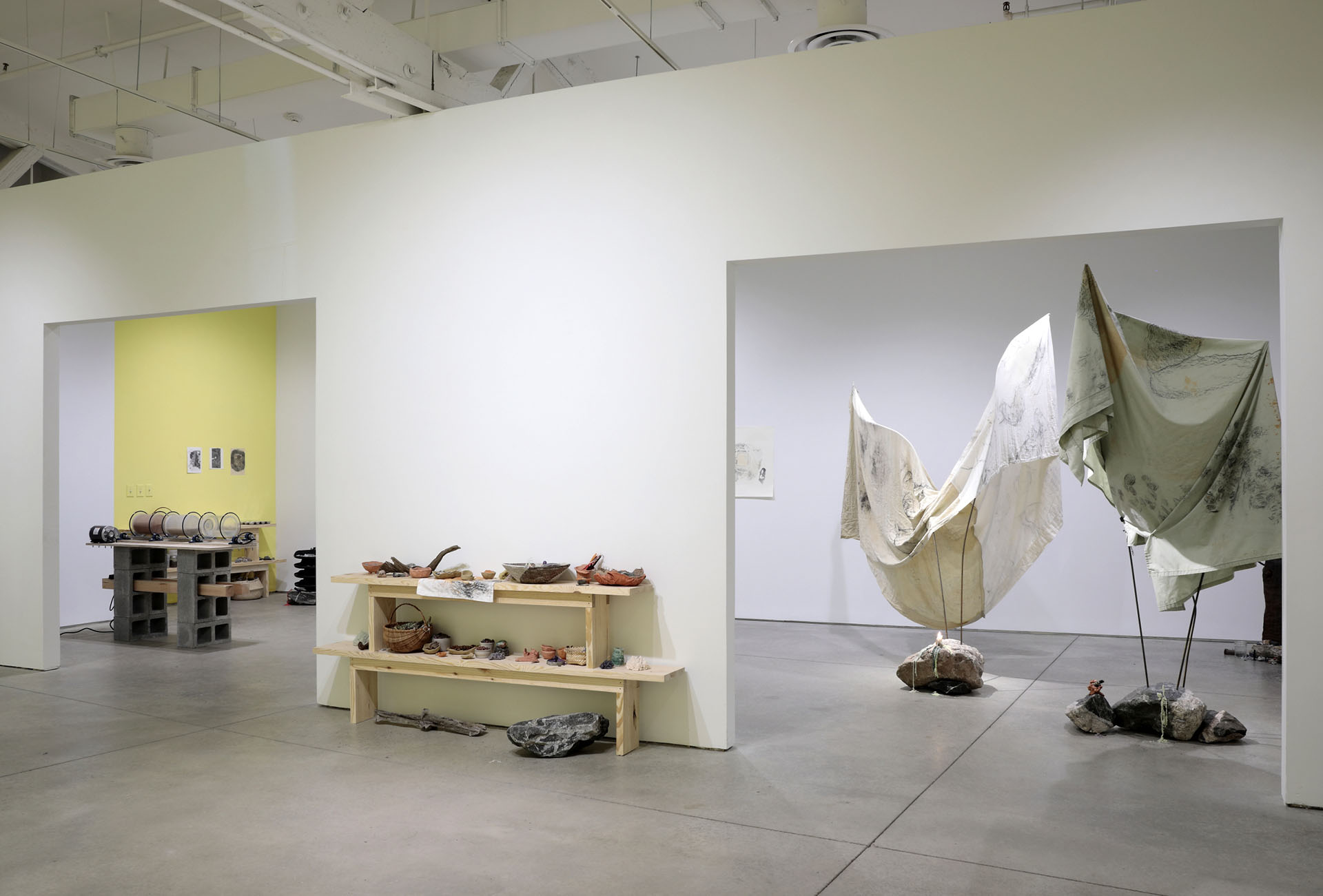
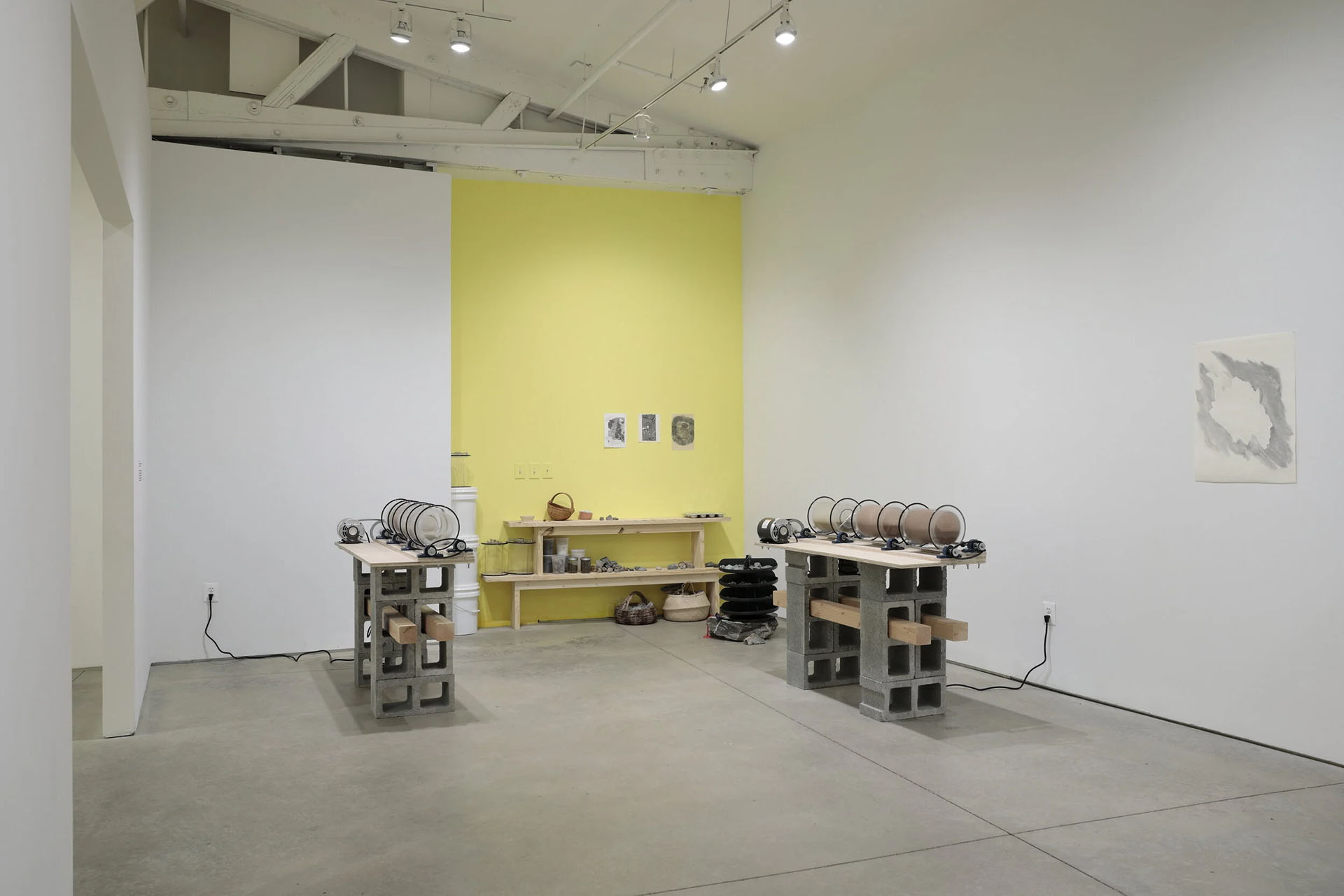
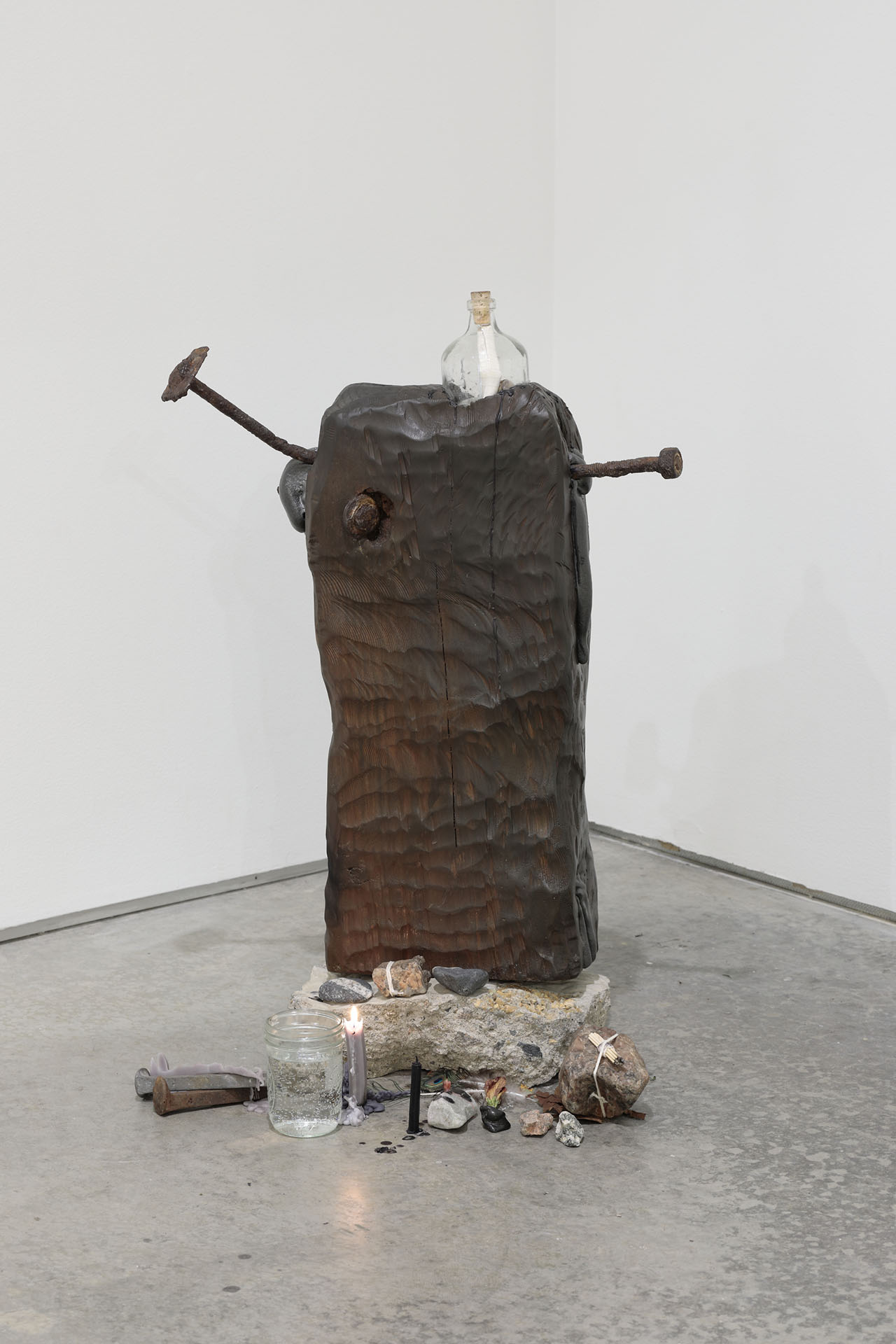
walking with, Library of Radical Returns
November 15, 2019-February 2, 2020
Visual Arts Center of Richmond (Richmond, VA)
Related Materials:
Notes:
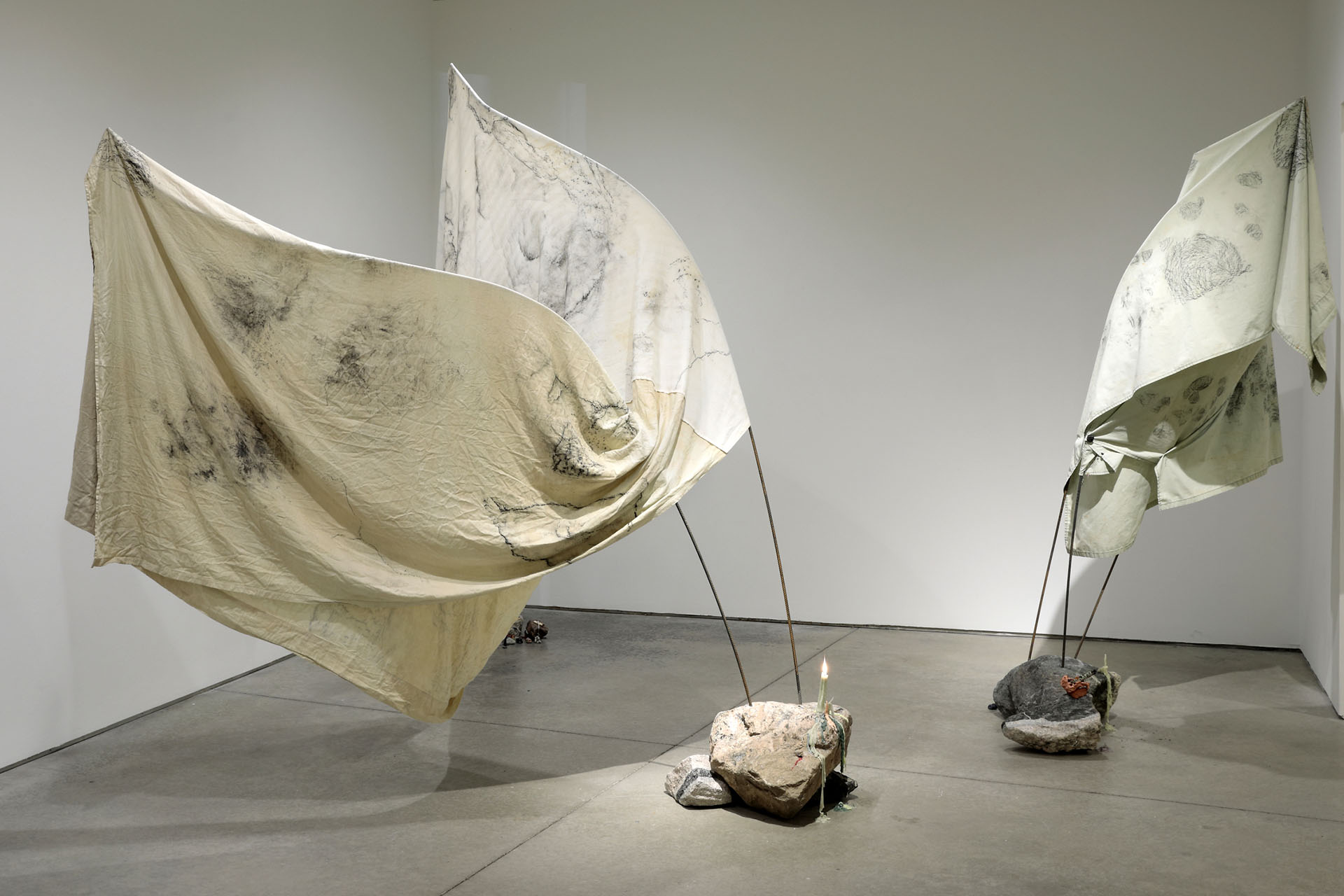
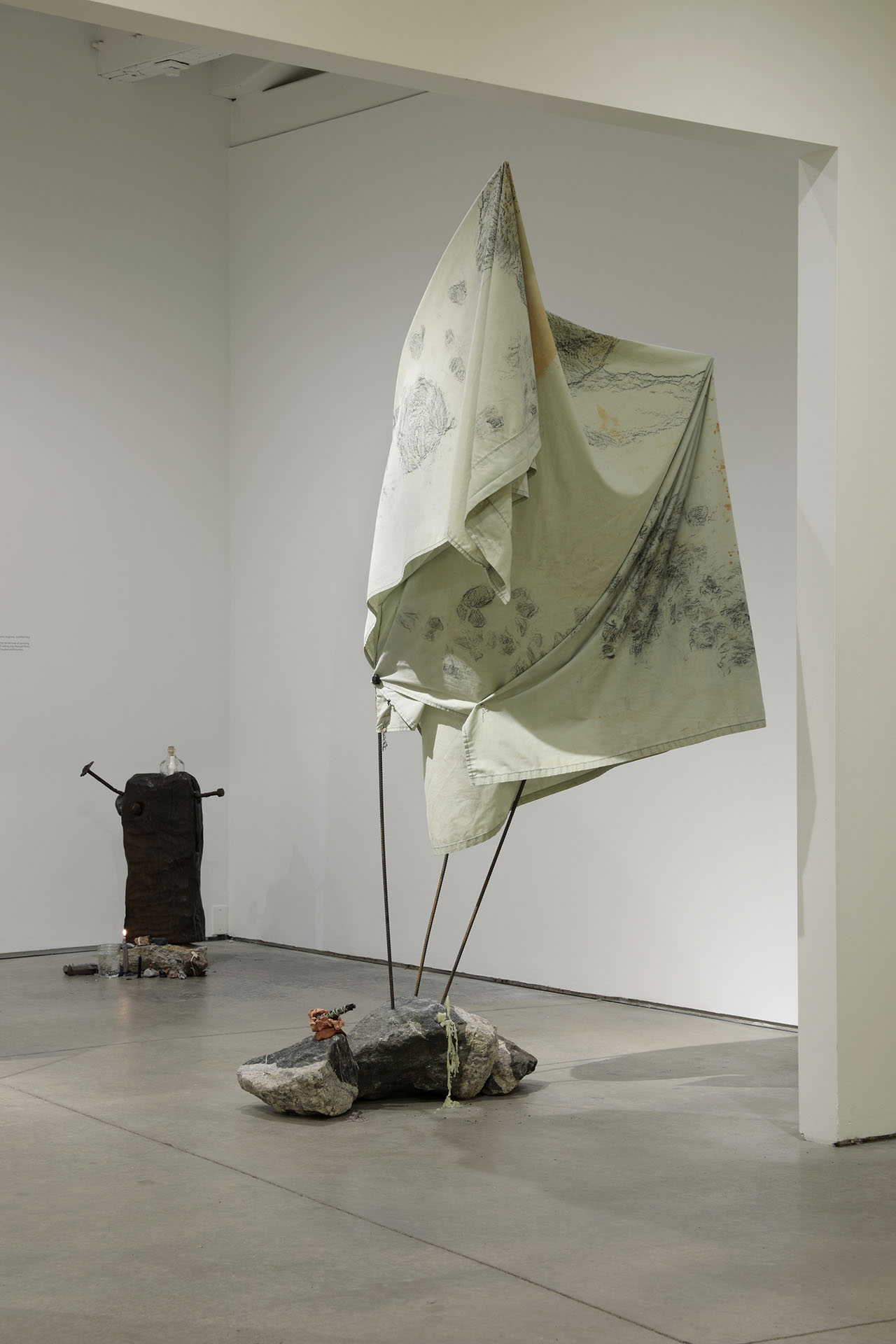
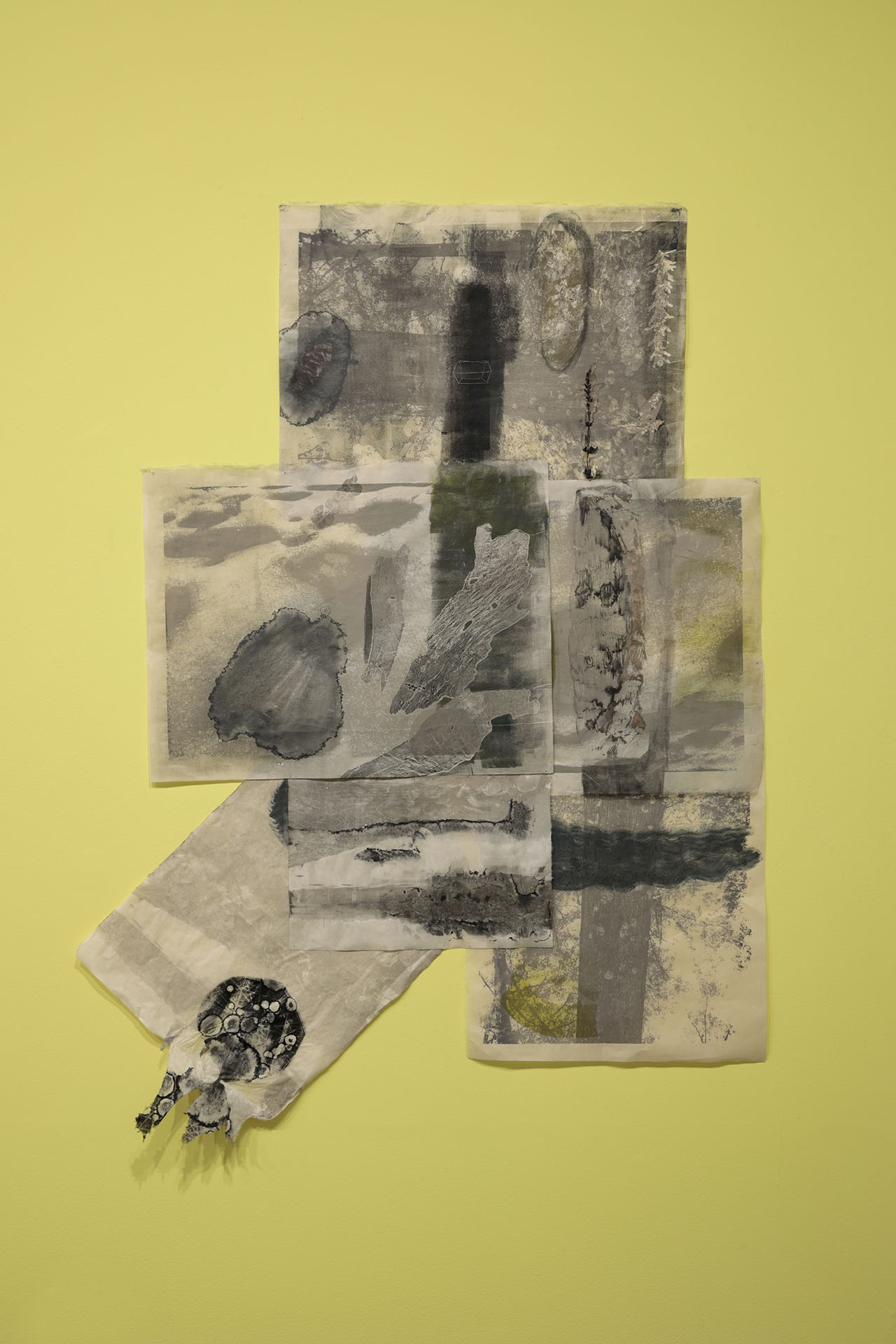
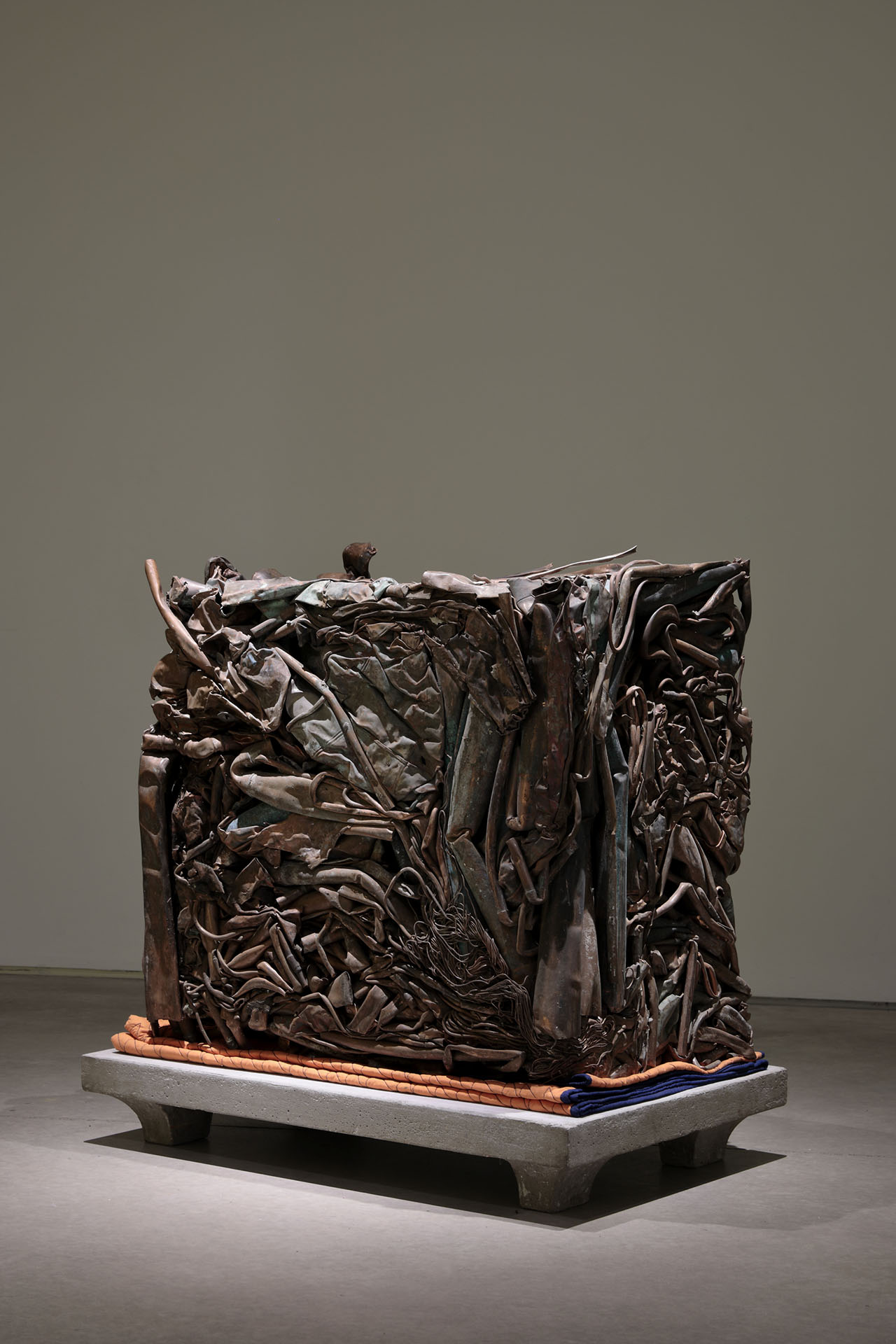
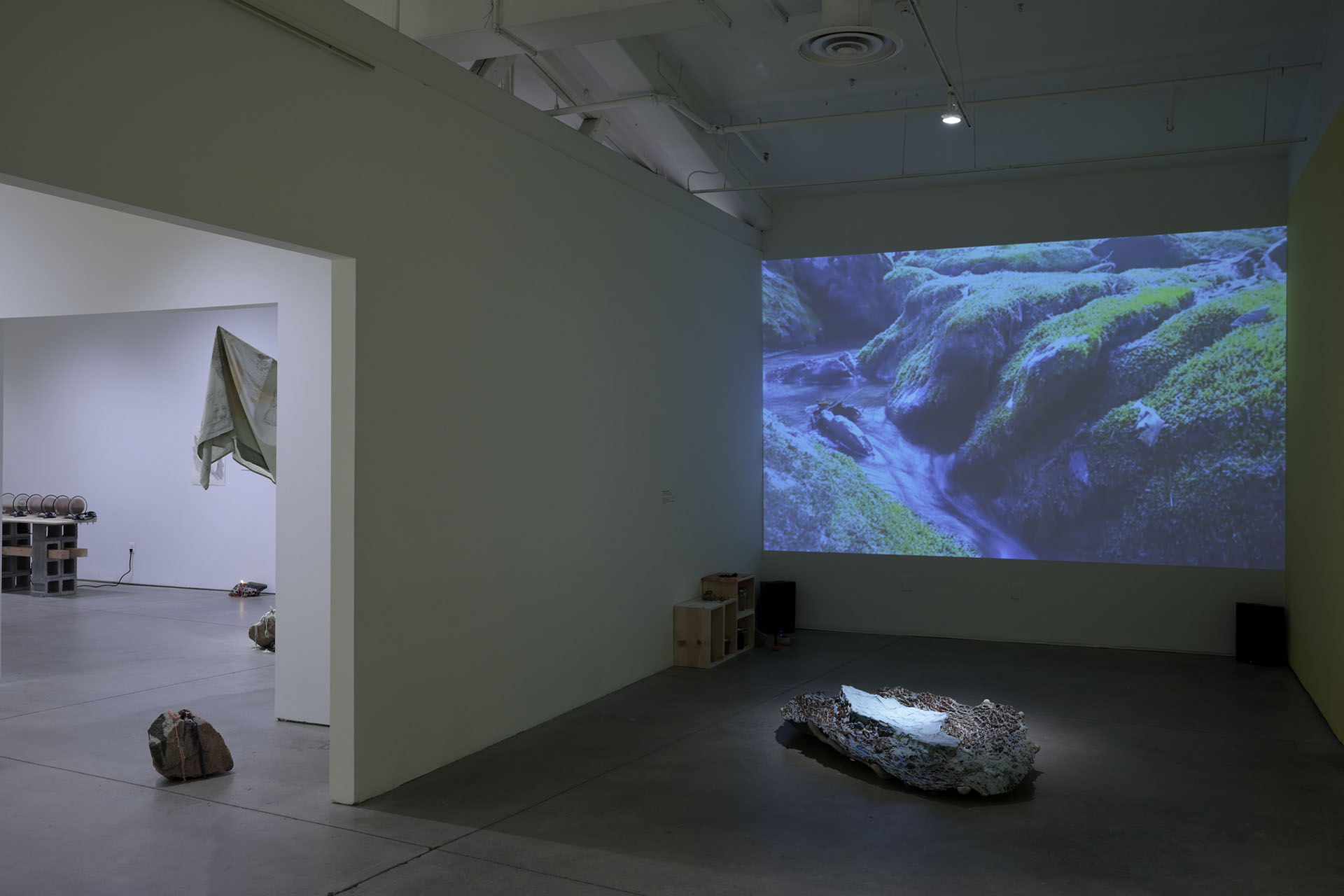
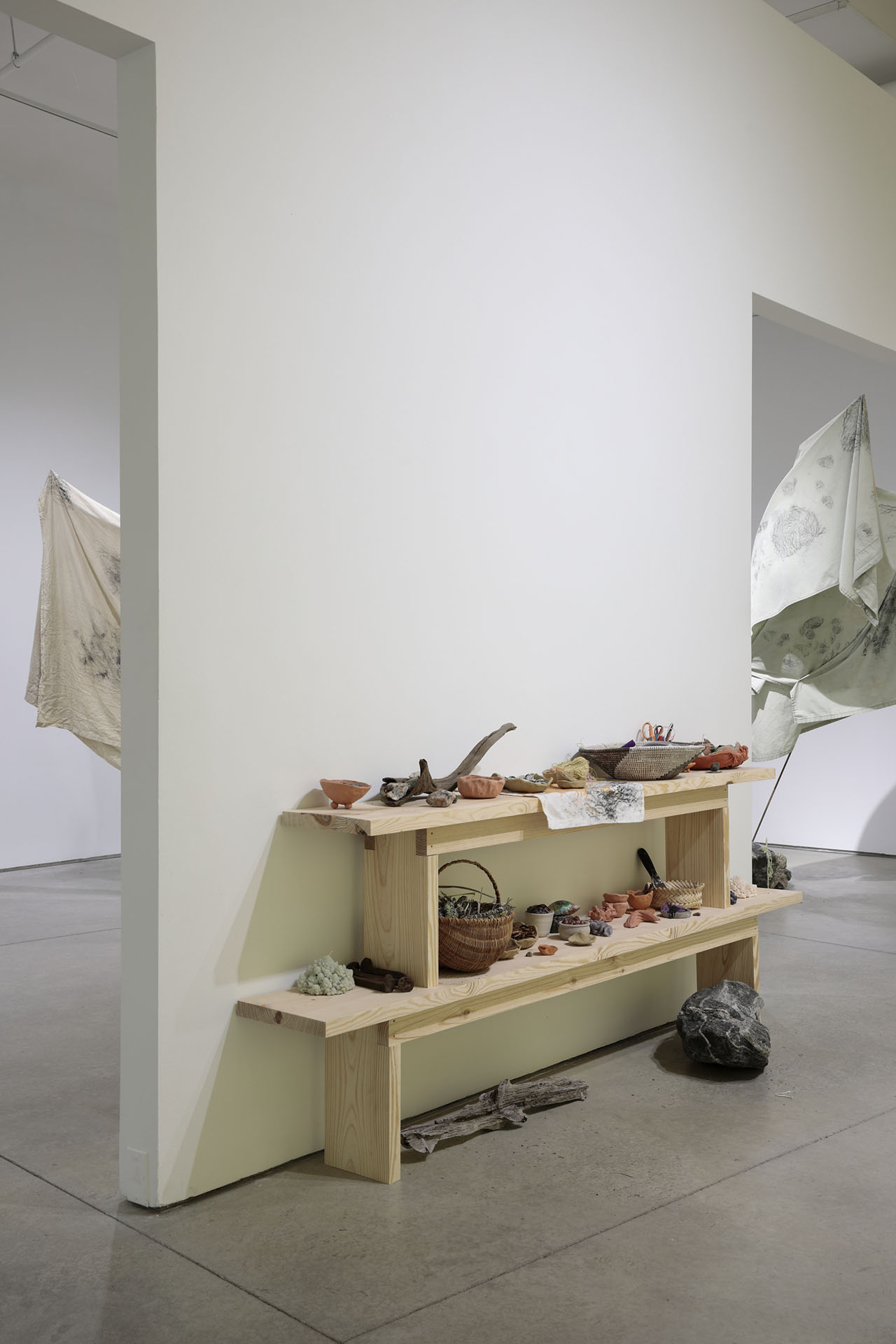
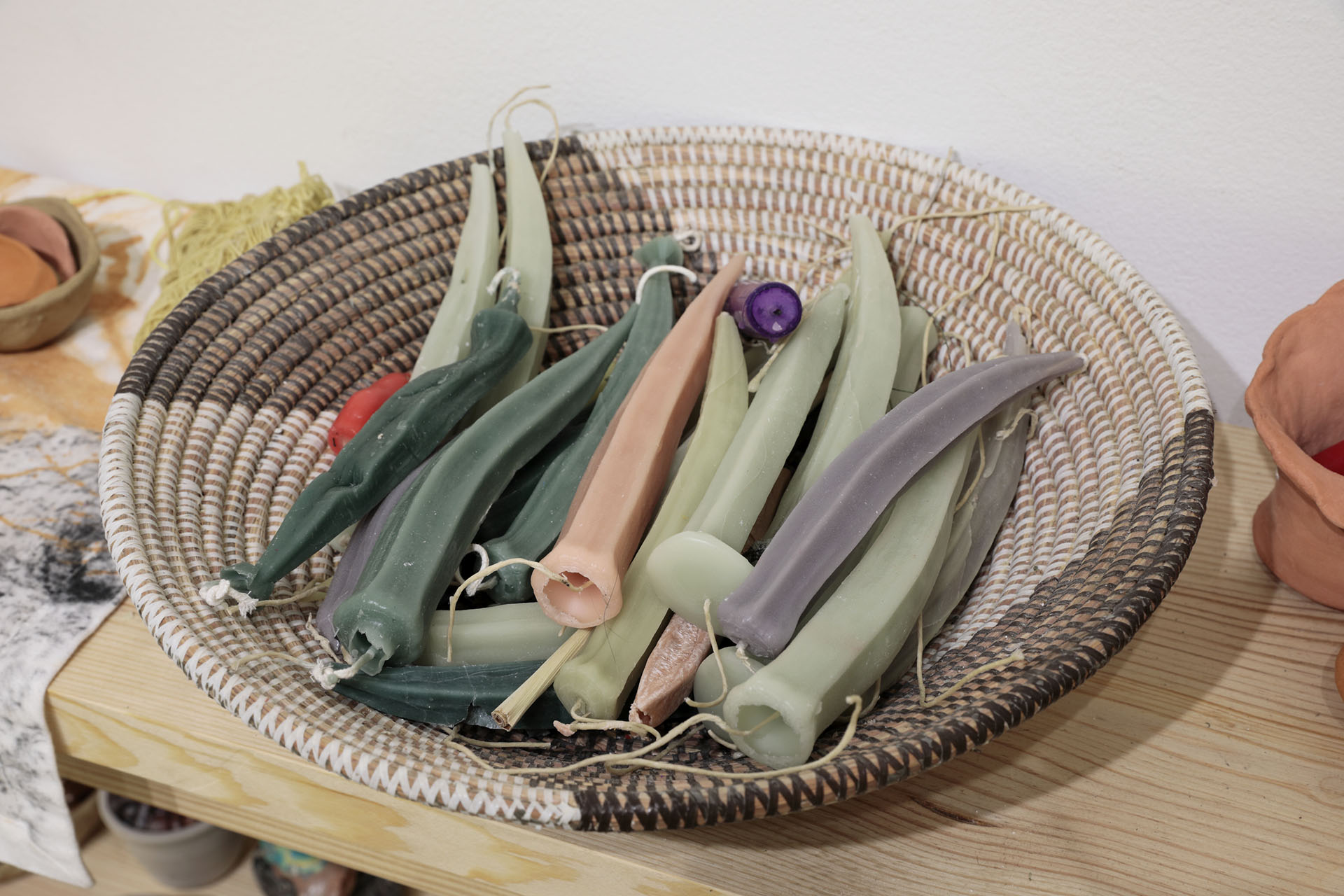
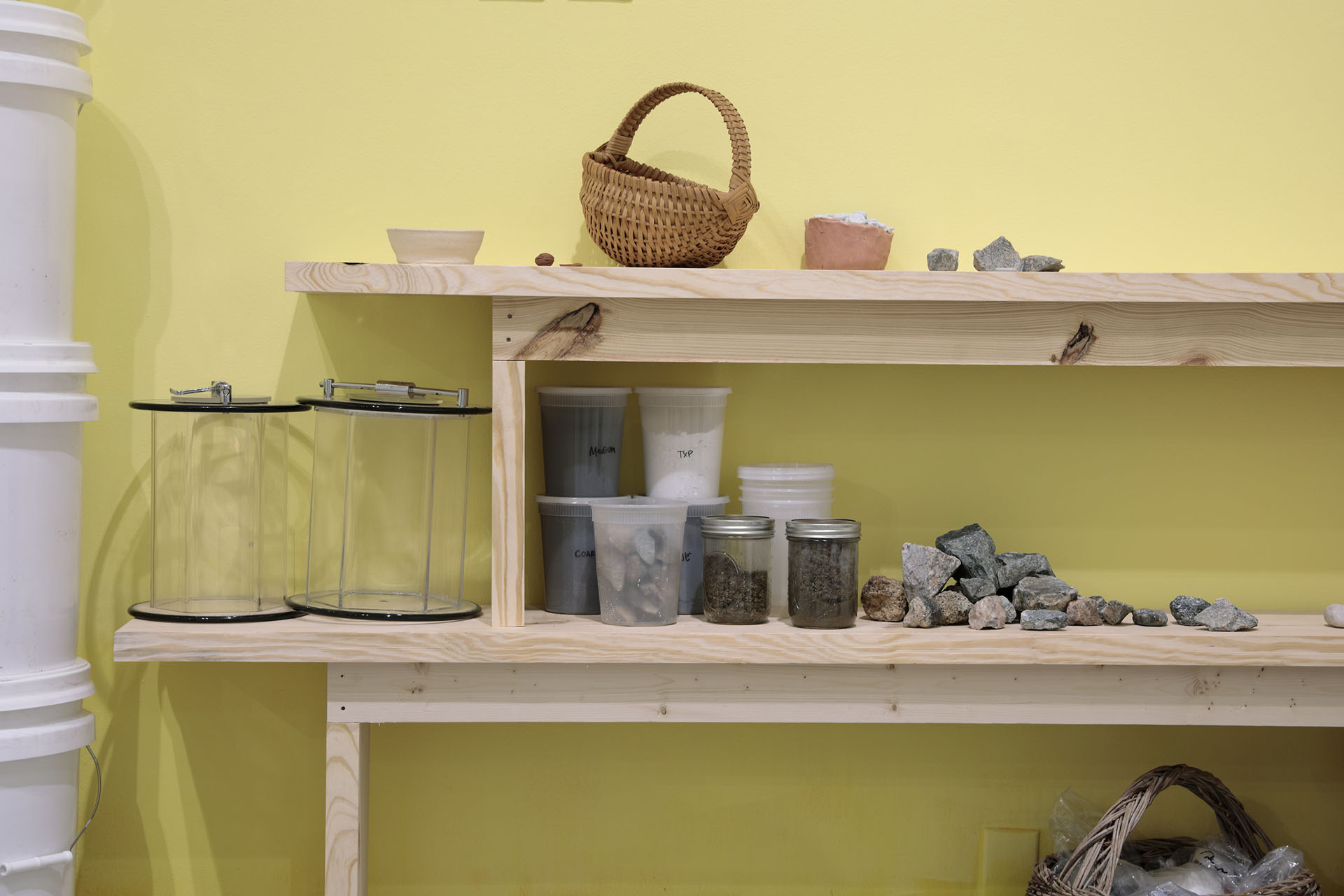
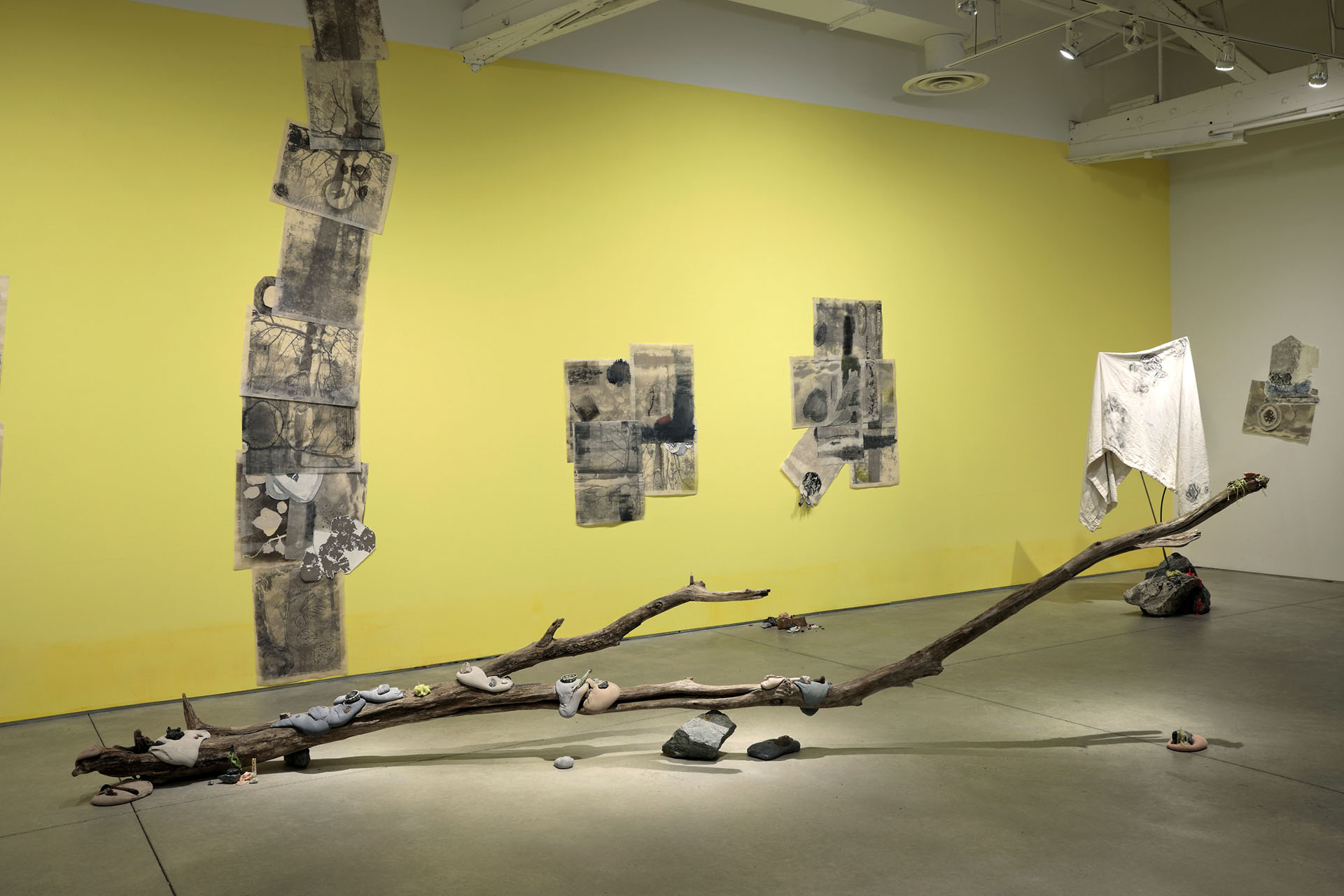
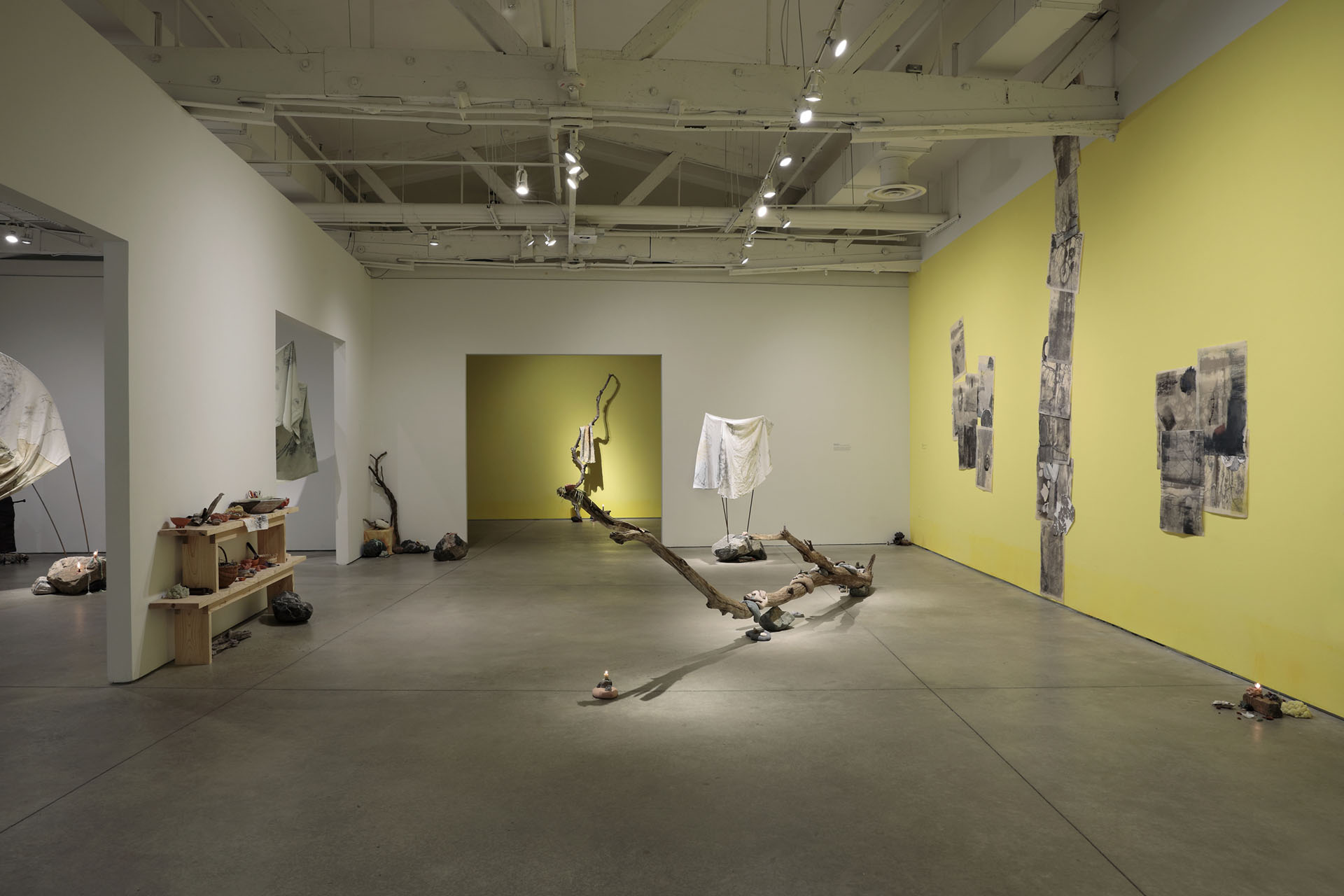
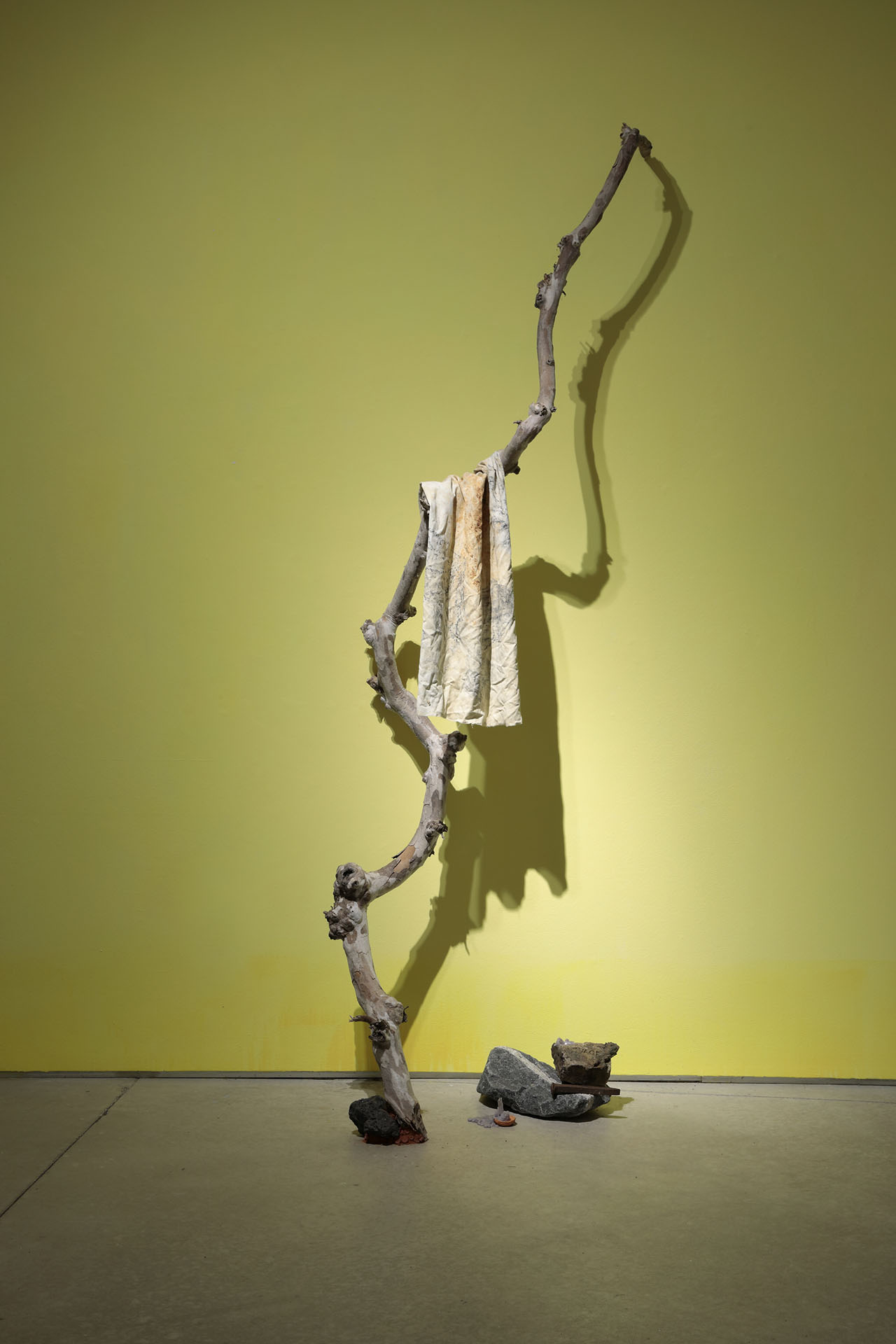
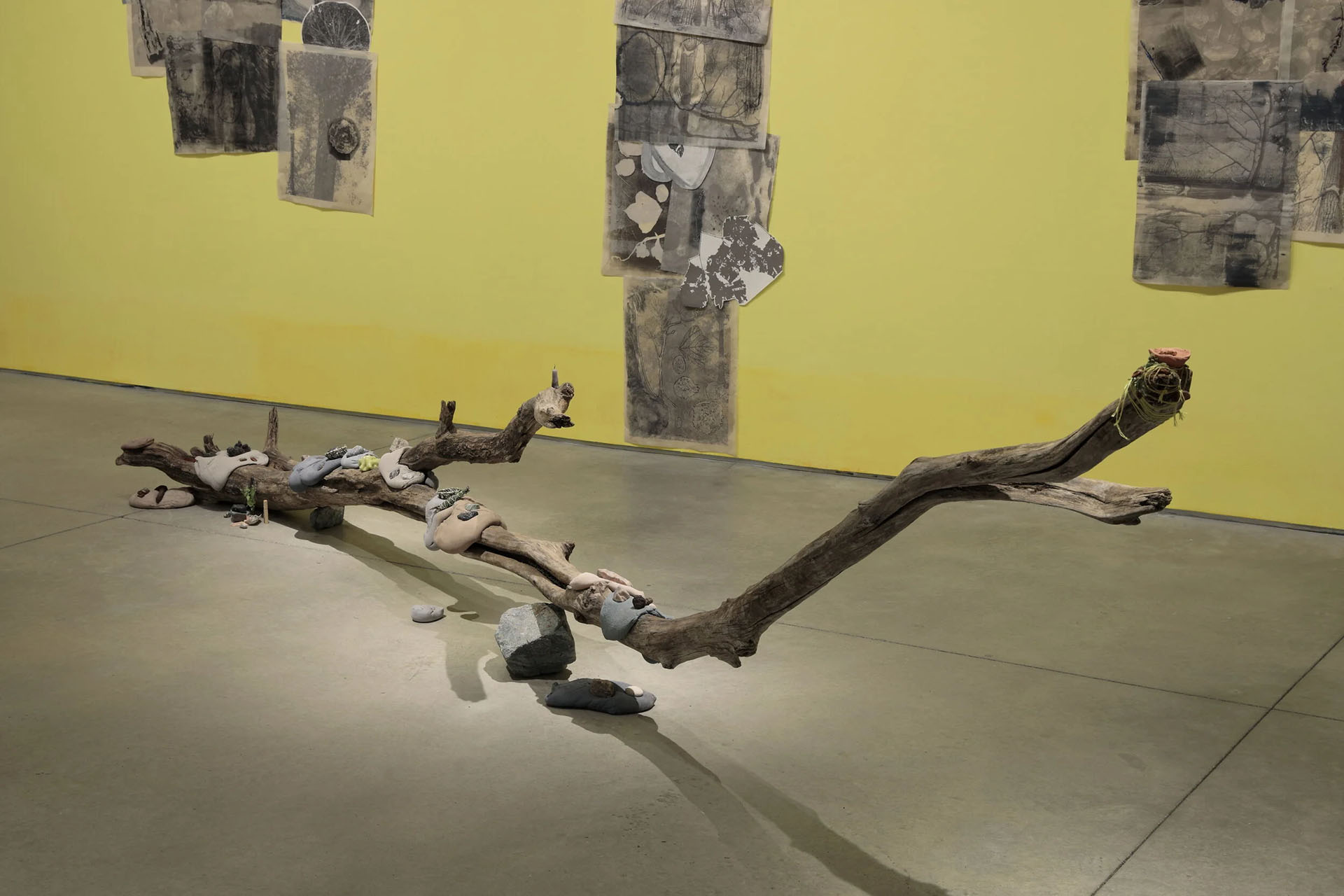
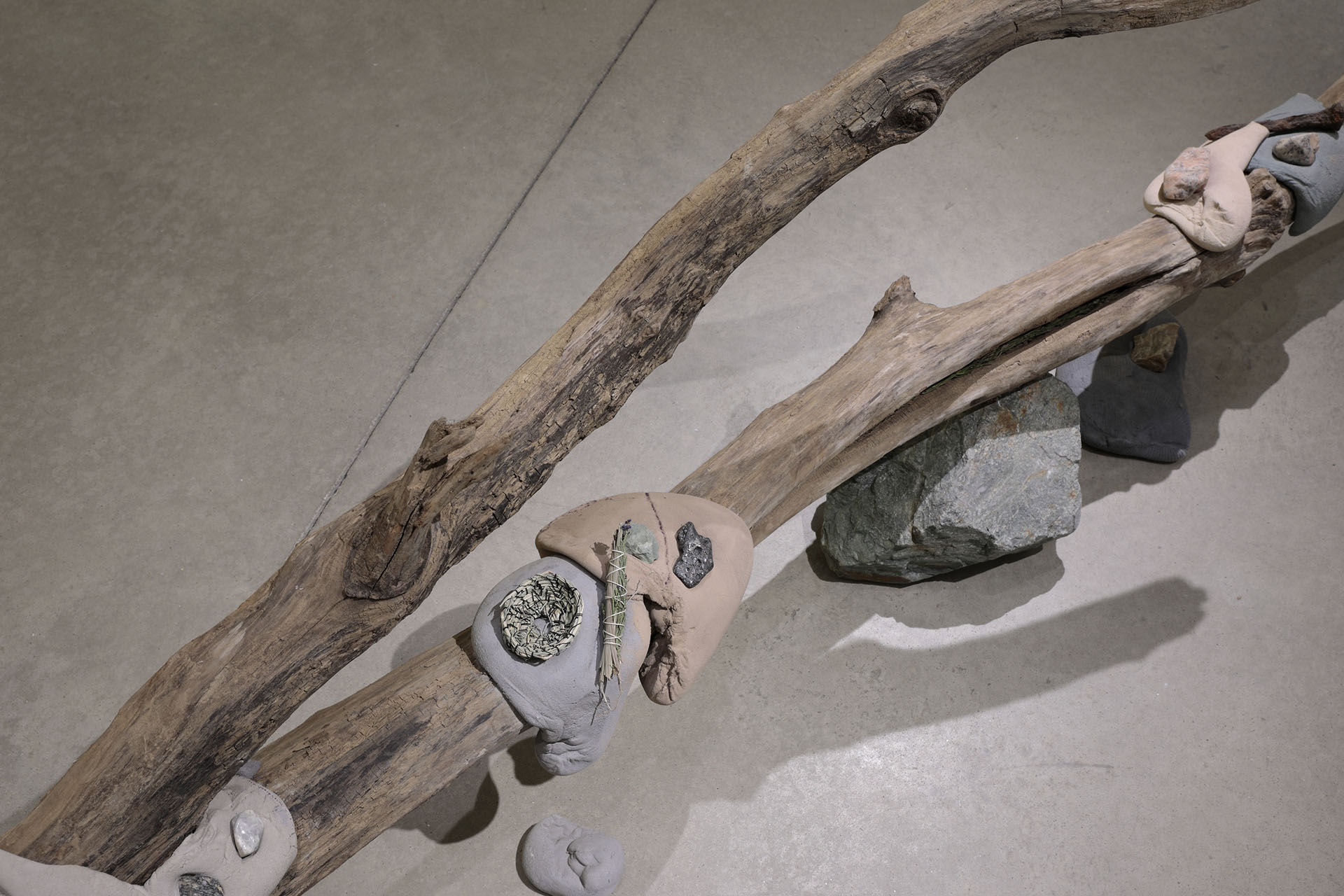
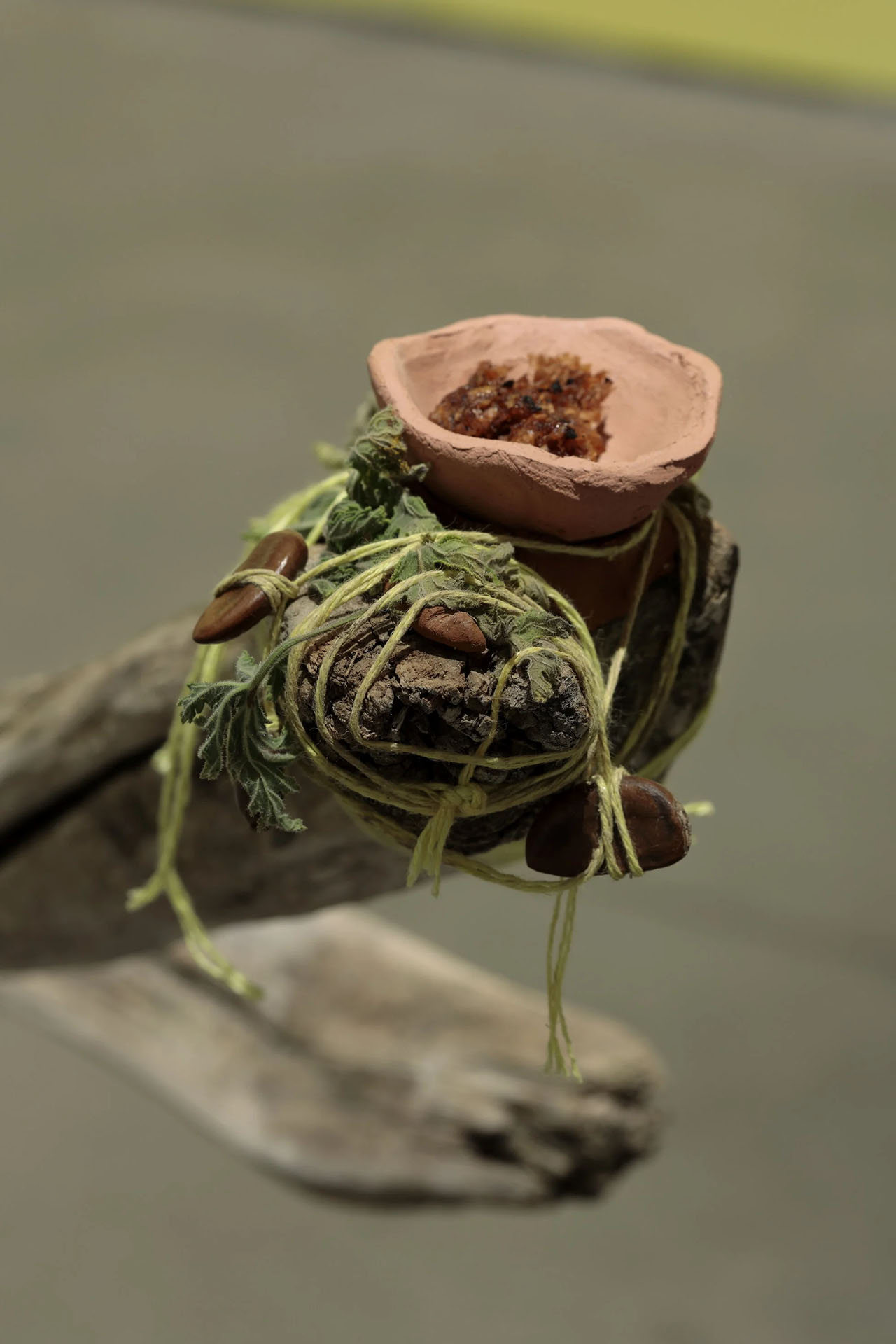
This work is made in response to and with materials from our walks along the James River in Richmond, Virginia. There is an intersection of paths on the south bank, where the Richmond Slave Trail emerges from the woods, passes under i-95, traverses an access road to the waste treatment plant and cuts through the city’s massive flood wall.
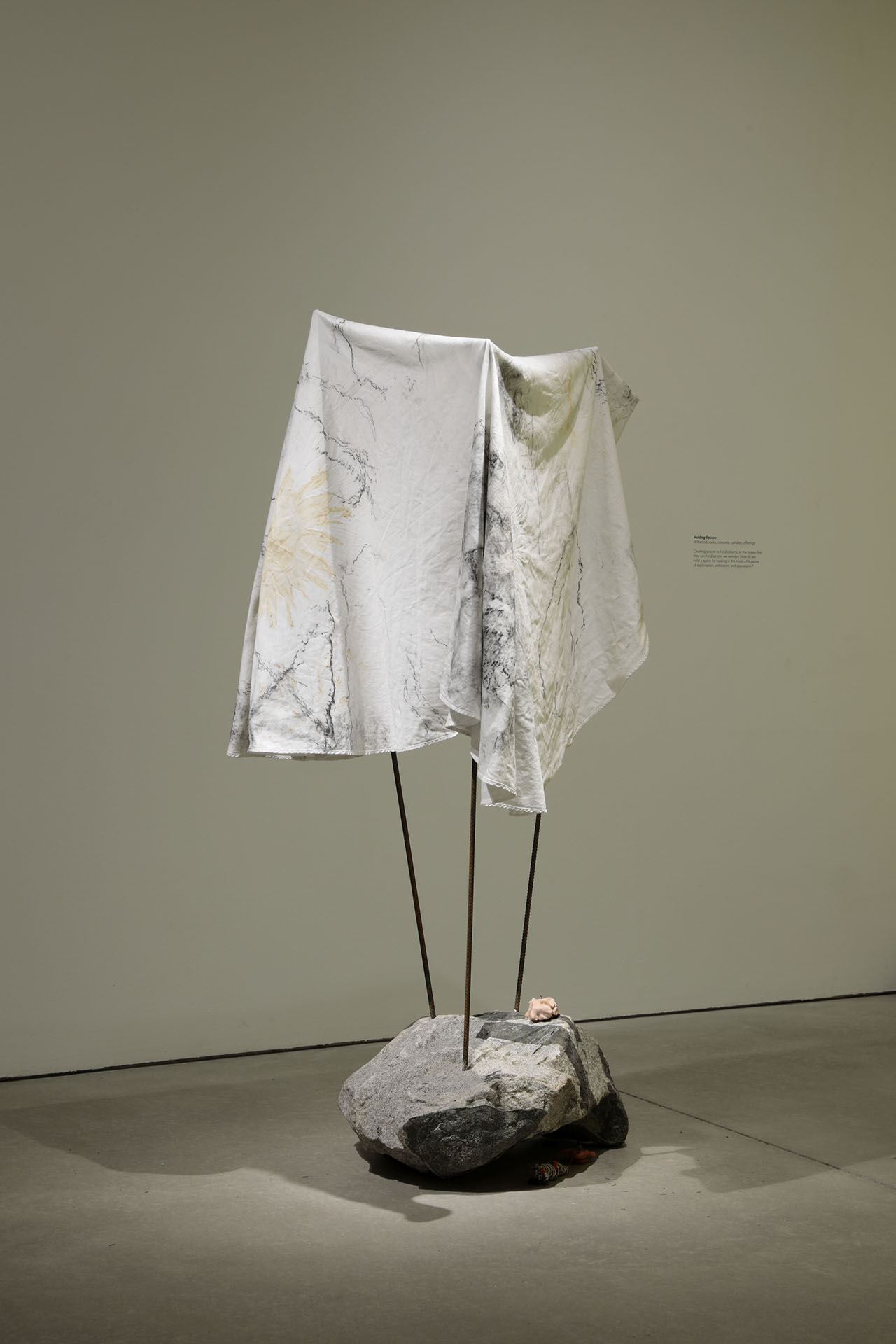
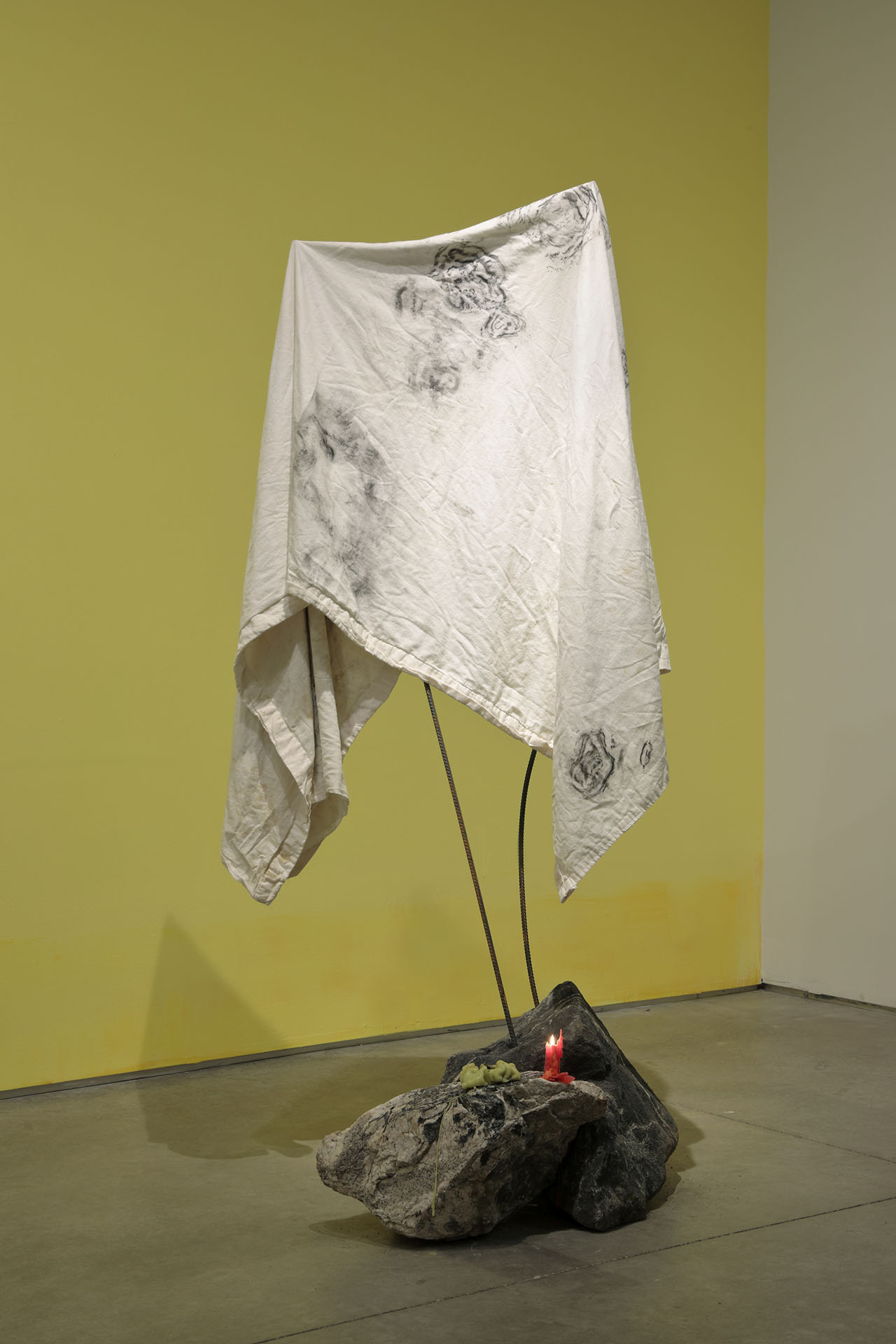
This site is fortified by cascades of riprap-loose, chaotic rocks used to shore up the built environment. Still, the river overflows with histories that have been intentionally submerged. What will become of their traces when the river subsumes this bank, the sharp edges of the mined granite worn smooth like river stone? What kind of industrial slurry will flow through the James to polish and make them shine? When these shores were stabilized with boulders cut from nearby quarries, who was aware of the power of their minerals-unakite, quartz-to heal? How do we hold space for the recuperative potential of ubiquitous chunks of gravel, when the process and practice of mining and extraction are themselves aligned with colonization and slavery?
The river energizes our spirit, and these stones fortify us, too. Grounding our attention, they point us to the metal torches that line the slave trail and prompt us to ask why we have never seen them lit. Through tangled intersections of verdent riverbanks and overbearing infrastructure, we are walking with ancestors while being mindful as ancestors of future generations. With urgency and wonder, this work considers what we can carry together and how.
List of Works:
Holding Spaces 1, Library of Radical Returns, 2019
driftwood, rocks, concrete, candles, offerings
Holding Spaces 2, Library of Radical Returns, 2019
driftwood, rocks, concrete, candles, offerings
Holding Spaces 3, Library of Radical Returns, 2019
driftwood, rocks, concrete, candles, offerings
Portal 1, Library of Radical Returns, 2019
collaged prints made with rock tumbling slurry, drawings made on site
Portal 2,Library of Radical Returns, 2019
collaged prints made with rock tumbling slurry, drawings made on site
Portal 3, Library of Radical Returns, 2019
collaged prints made with rock tumbling slurry, drawings made on site
Portal 4, Library of Radical Returns, 2019
collaged prints made with rock tumbling slurry, drawings made on site
Portal 5, Library of Radical Returns, 2019
collaged prints made with rock tumbling slurry, drawings made on site
Portal 6, Library of Radical Returns, 2019
collaged prints made with rock tumbling slurry, drawings made on site
Portal 7, Library of Radical Returns, 2019
collaged prints made with rock tumbling slurry, drawings made on site
Residuals 1, Library of Radical Returns, 2019
fabric, clay, graphite, rebar, magnets, tumbled slag
Residuals 2, Library of Radical Returns, 2019
fabric, clay, graphite, rebar, magnets, tumbled slag
Residuals 3, Library of Radical Returns, 2019
fabric, clay, graphite, rebar, magnets, tumbled slag
Residuals 4,Library of Radical Returns, 2019
fabric, clay, graphite, rebar, magnets, tumbled slag
Rapids, Library of Radical Returns, 2019
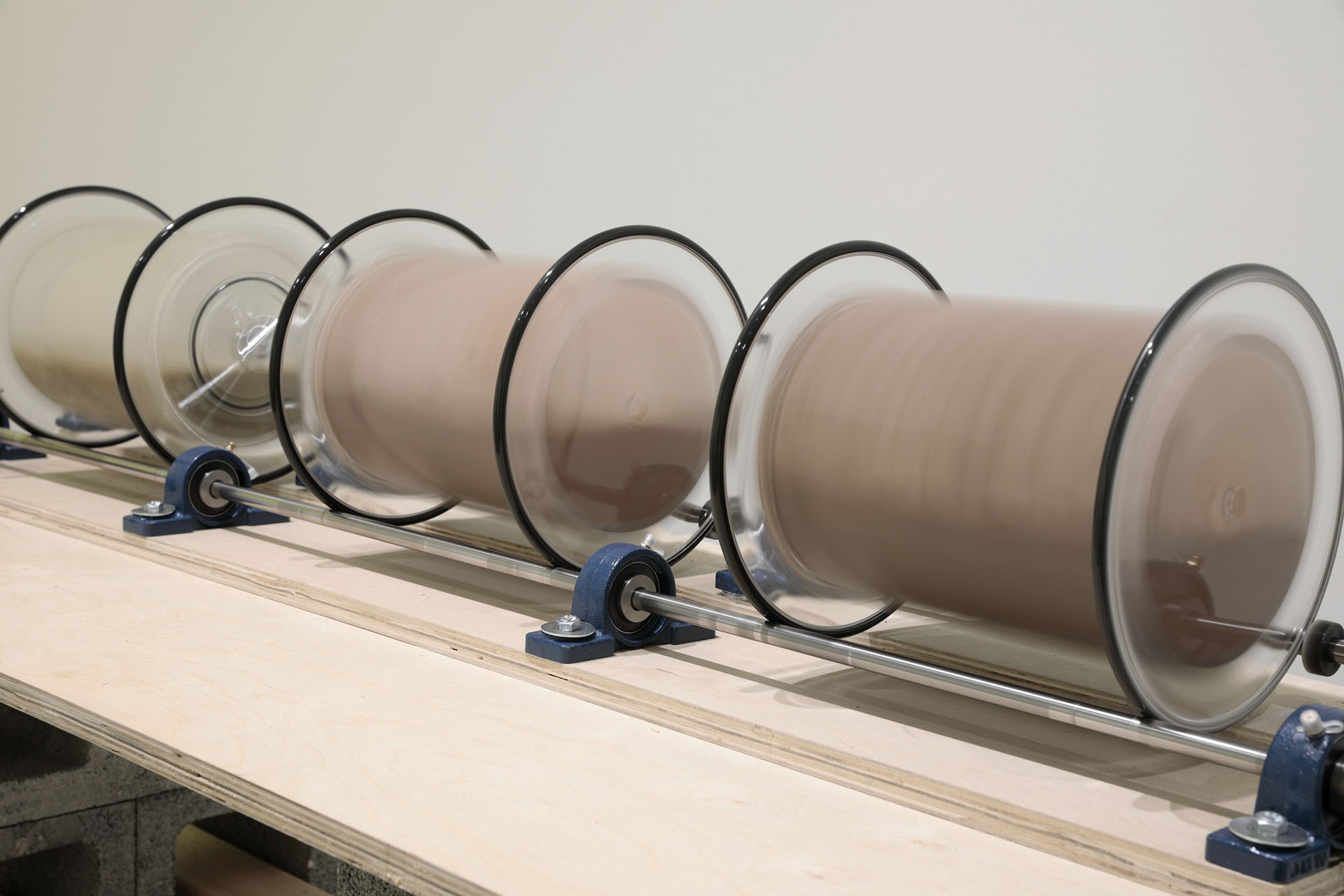
river water, silt, grit, riprap, bits of hand-pressed local clay, motors, hardware, acrylic barrels
Woundwood, Lily Cox-Richard, 2018
silicone, epoxy putty, bark, mixed media; 9 x 46 x 81 in.
Old Copper Futures: 951 lbs. of #2 scrap copper from Revolution Recovery, New Castle, DE, Lily Cox-Richard, 2016
copper, concrete, blanket; 42 x 26 x 39 in.
WAVES: ASK AND LET GO, Michael Jevon Demps, 2019
wood, glass, paper, steel, foam, graphite, candle wax and bricks; 36 x 22 x 9 in.
Live Stream of Streams, Library of Radical Returns, 2019
projected video aggregate of river moments
Credits:
The river that we call James has many other names. We acknowledge the Indigenous people, including the Powhatan Confederacy and other tribes, on whose land we live and work. We extend our respect and gratitude to the river and its many stewards – past, present, and future.
Our hearts brim with love for our co-conspirators: Christina Sadovnikov, Toni Sheffield, Joy McMillian and Library of Radical Returns. Many thanks to our creative community, too many to name, with big shout-outs to Siemon Allen, Jesse Burrows, Amber Esseiva, Joe Gindhart, Alex Goss, Brooke Inman, Tyler JH, Ginny Kollak, Chris Mohanski, Lea Marshall, Margaret Meehan, Melissa Messina, Enjoli Moon, Sharad Patel, Noah Simblist, Wes Taylor, Elizabeth Webb and the whole VisArts team.
In addition to the generous support from VisArts, walking with is made with funding from the VMFA Fellowship, VCUarts Adjunct Faculty Grant and VCU Arts Research Institute.
Thank you to everyone walking with us.
Photography by David Hale
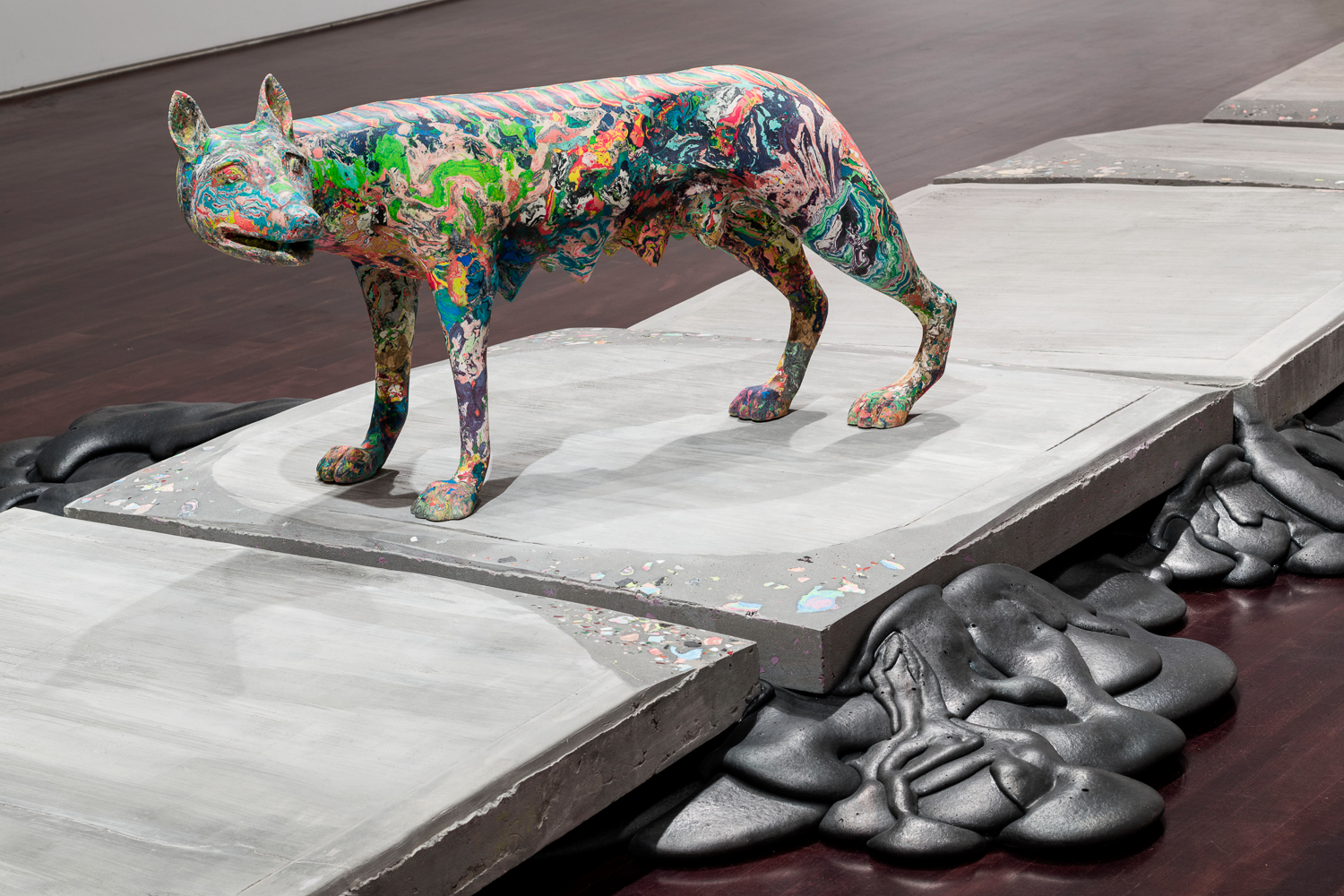
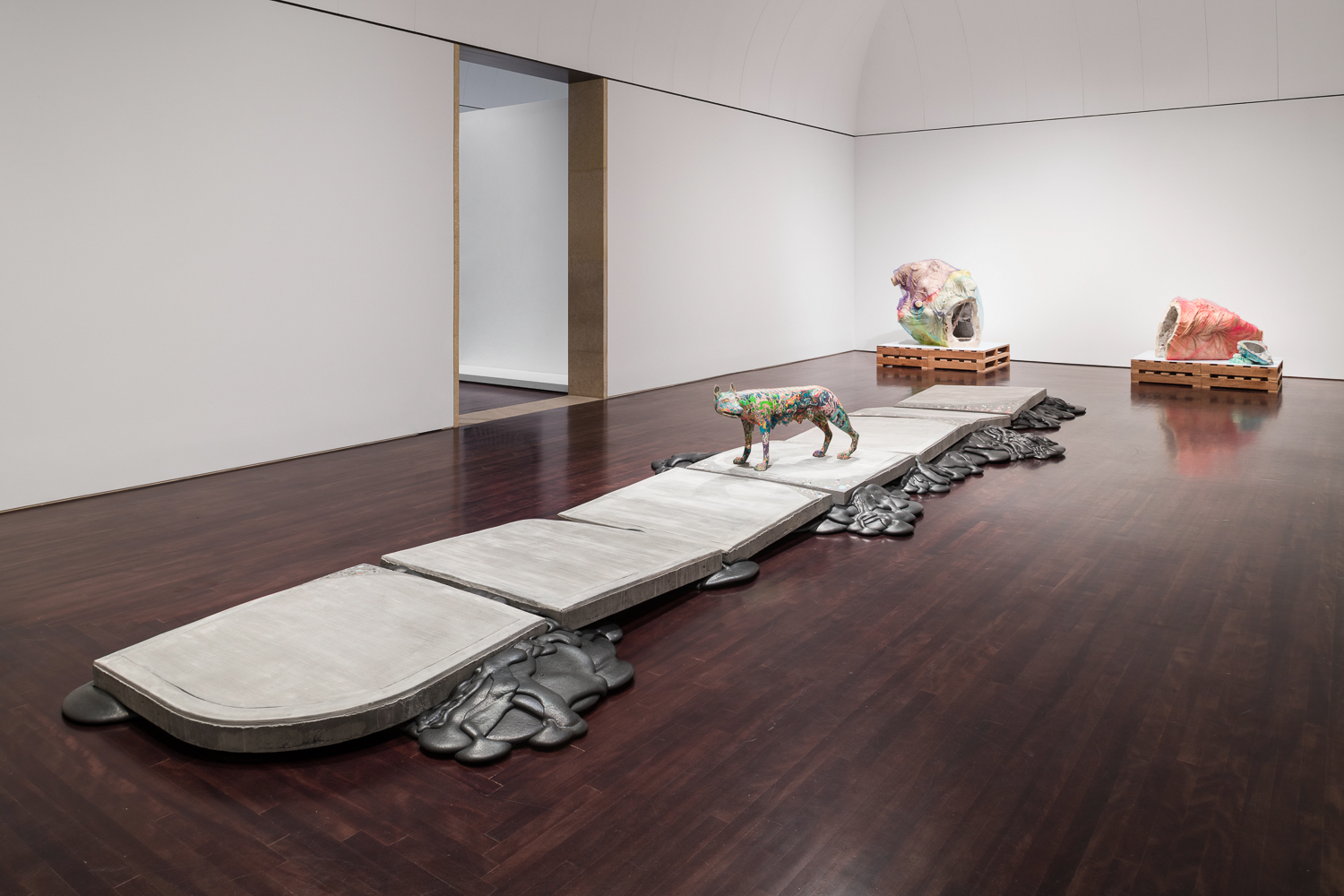
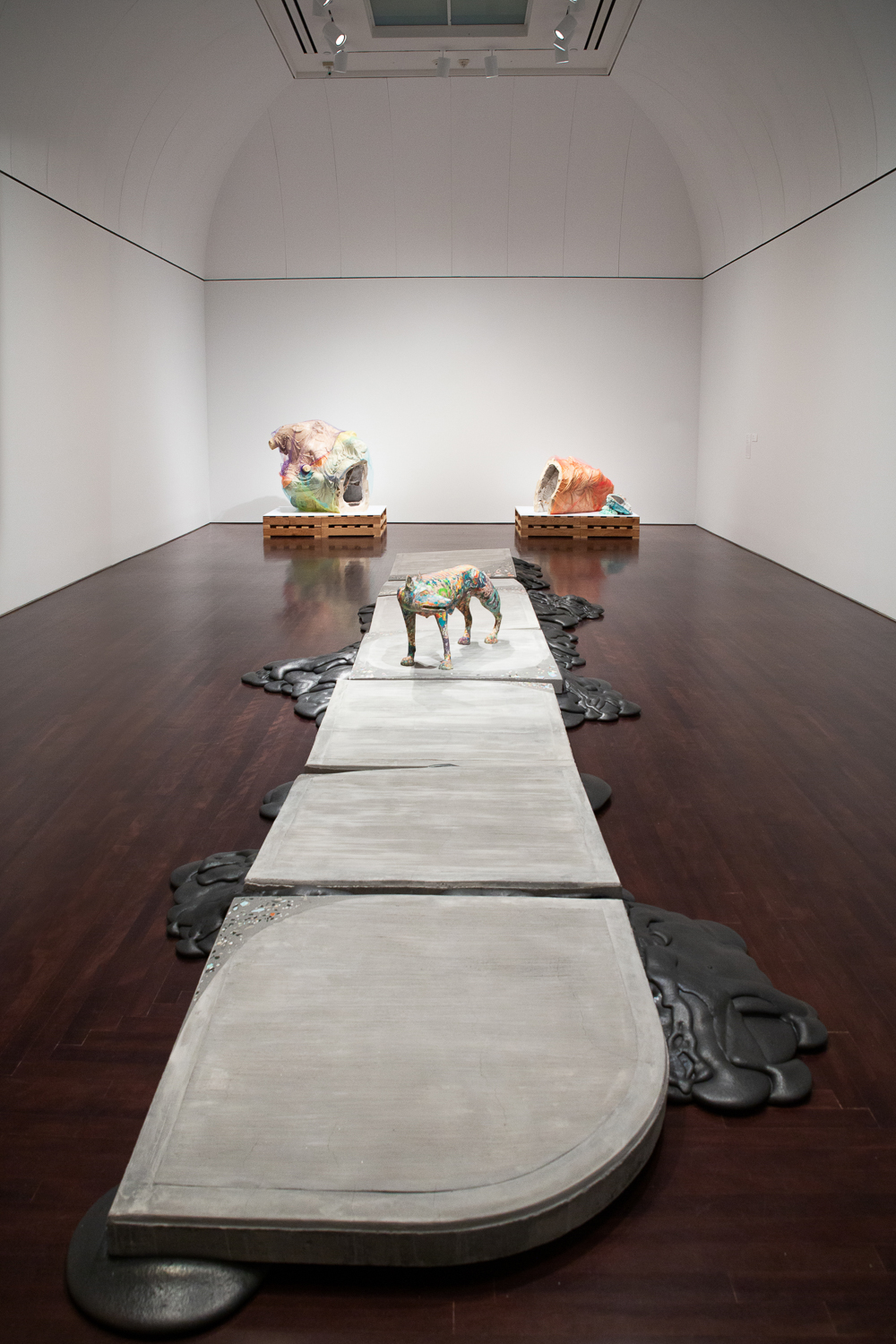
She-Wolf + Lower Figs., 2019
She-Wolf + Lower Figs.
July 27–December 29, 2019
The Blanton Museum of Art (Austin, TX)
Related Materials:
Wall Text (English and Spanish)
Notes:
Lily Cox-Richard investigates the history of materials to illuminate hidden systems of production and social values.
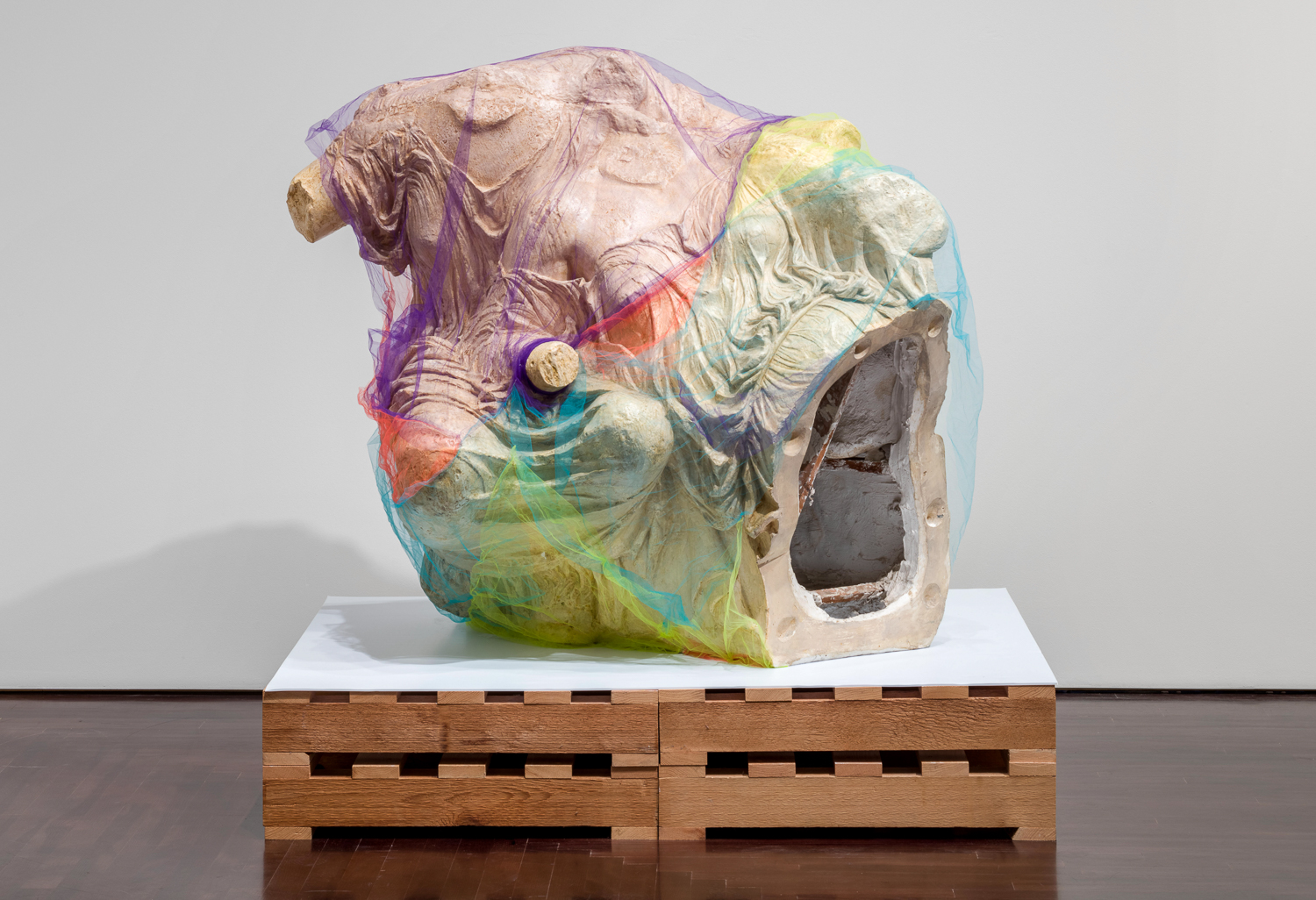
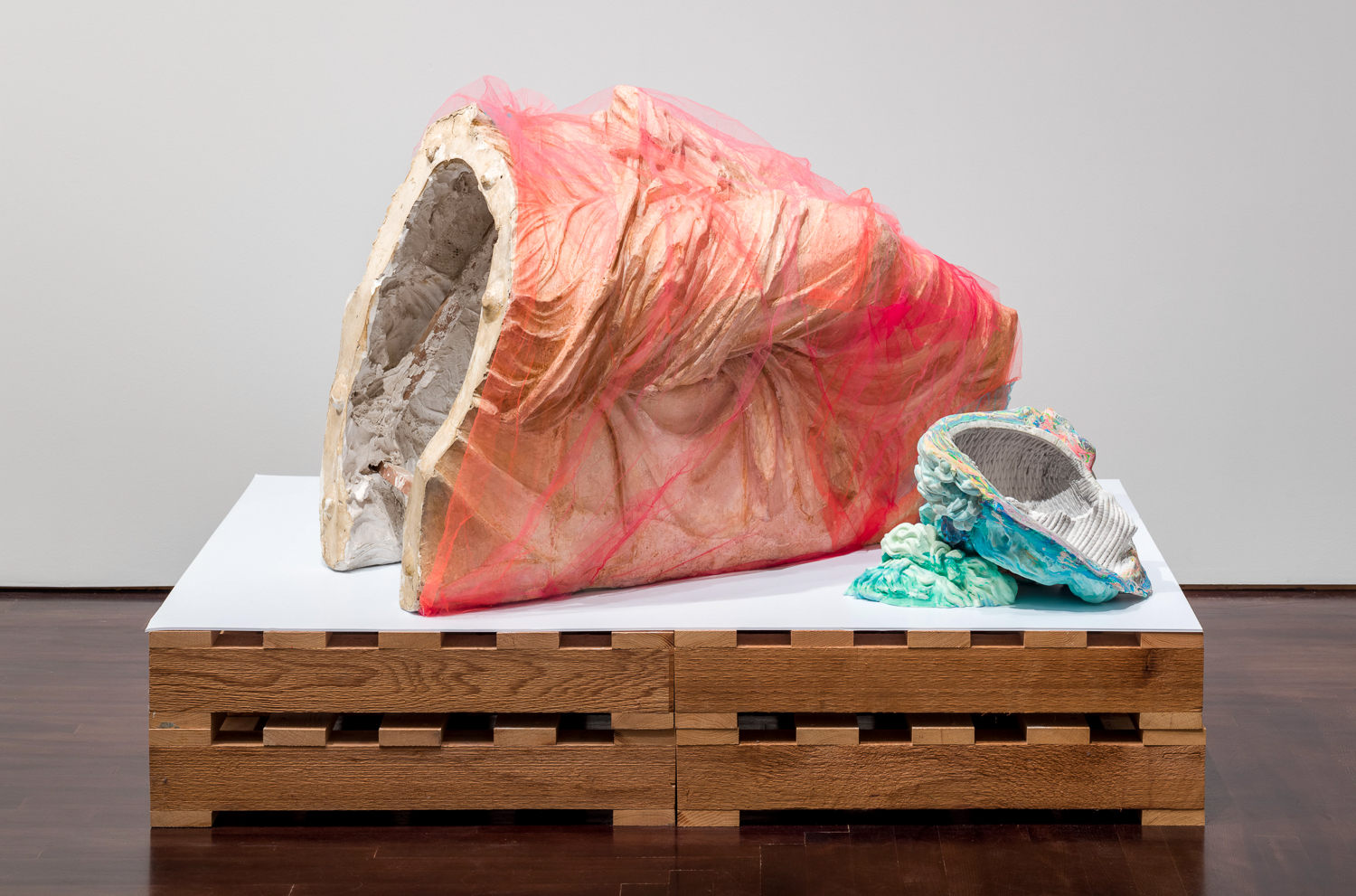
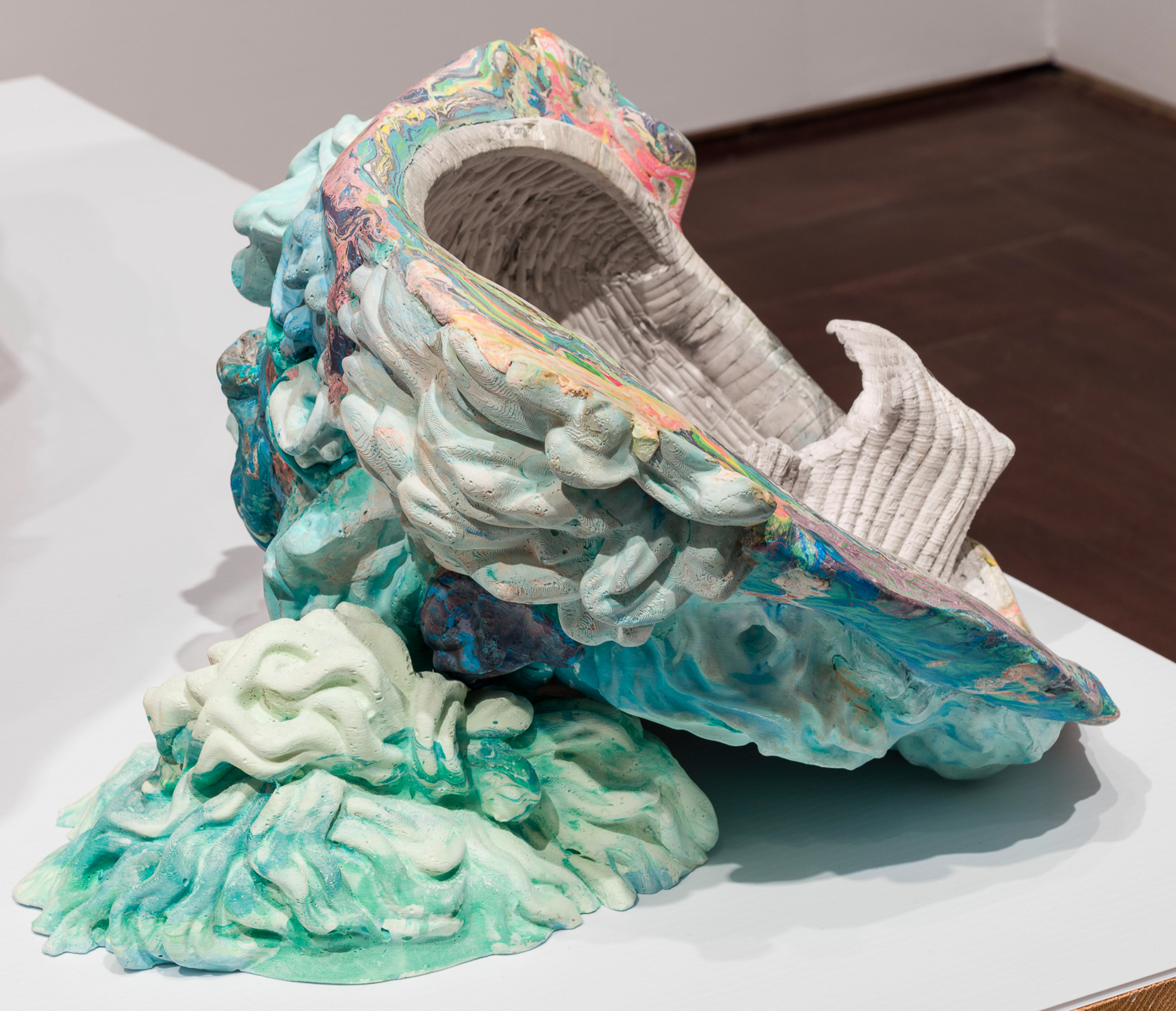
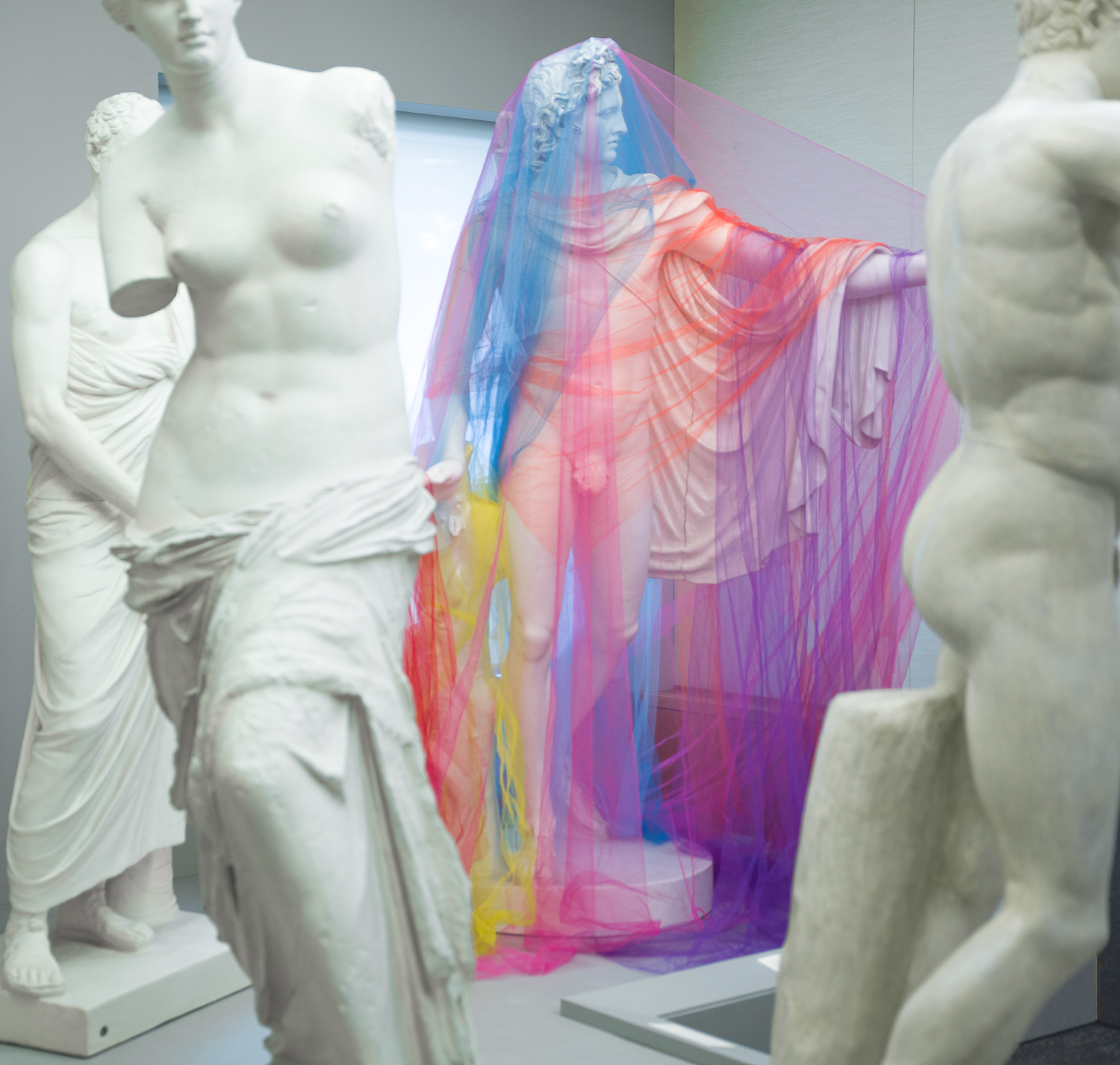
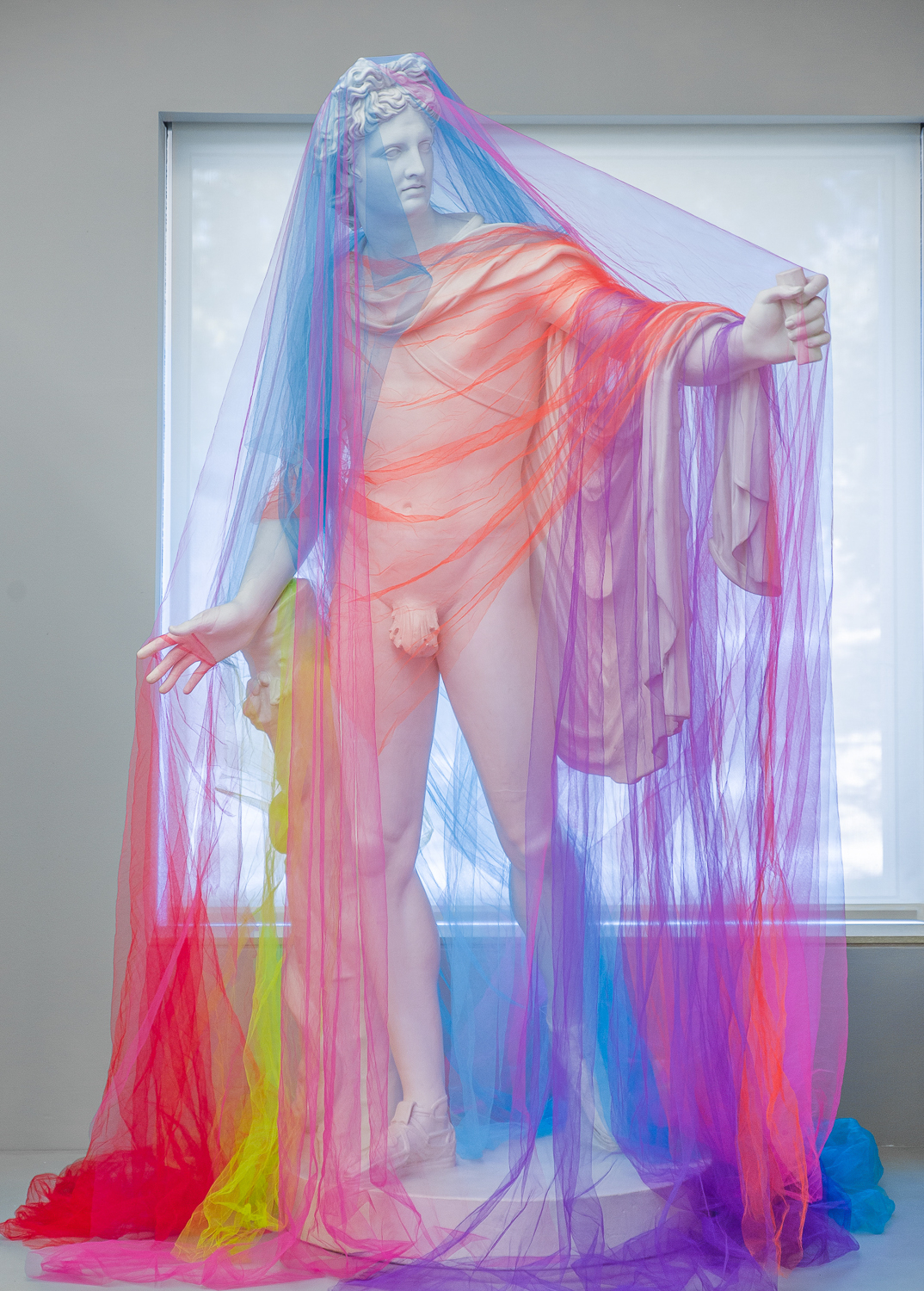
This installation responded to the Blanton’s William J. Battle Collection of Plaster Casts, a set of nineteenth-century replicas of ancient Greek and Roman sculpture. Such casts were once an integral part of artistic training throughout the Western world. For nineteenth-century viewers, classical statues—and their casts—embodied aesthetic and cultural standards of taste, beauty, democracy, and learnedness. By the mid-twentieth century, however, plaster casts were devalued as mere copies, and the Battle Casts are one of the few remaining collections of this kind in the United States. Cox-Richard’s sculptural installation invited us to consider the legacy of these objects, raising questions about their role in perpetuating notions of physical “perfection” and “whiteness” as ideal.
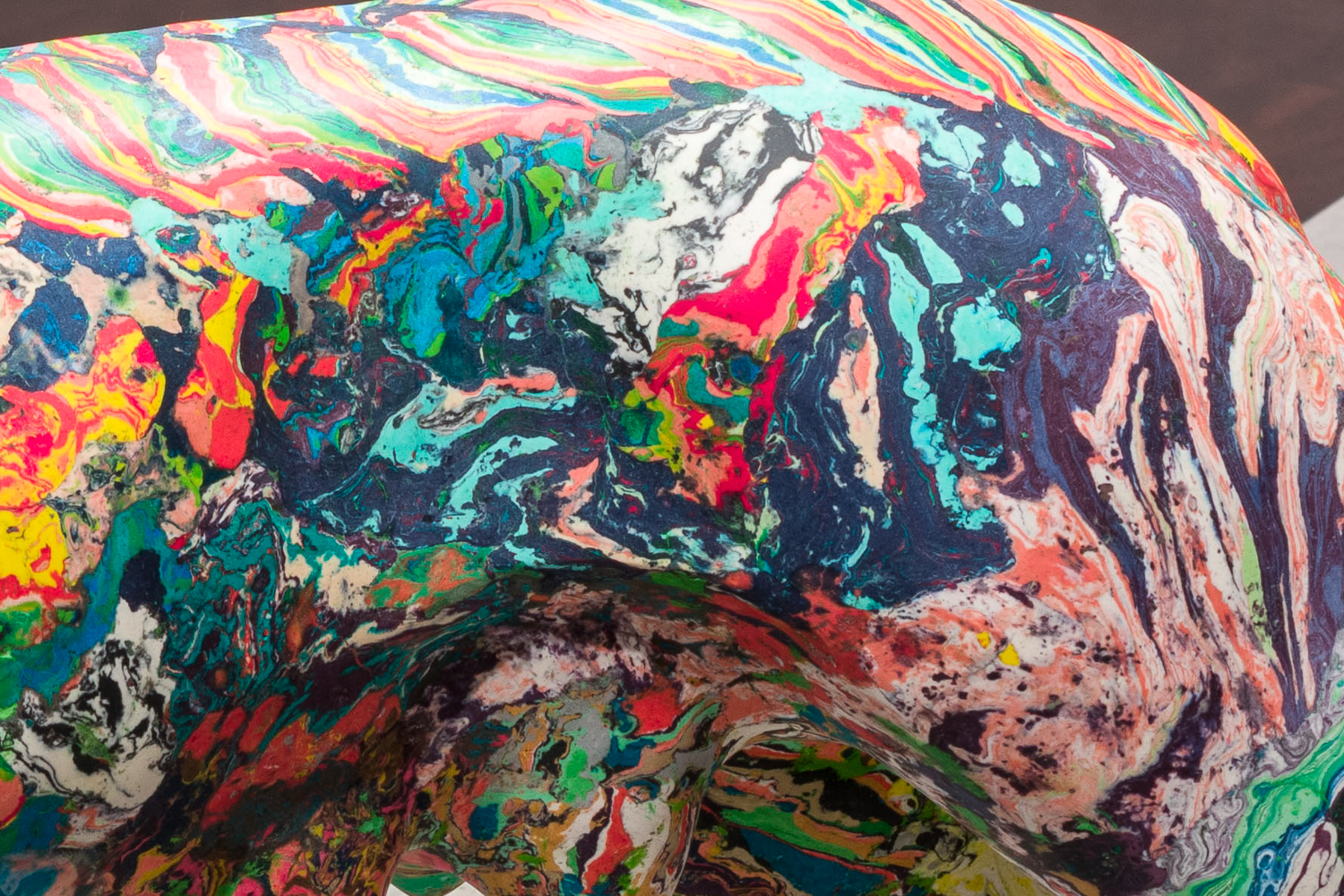
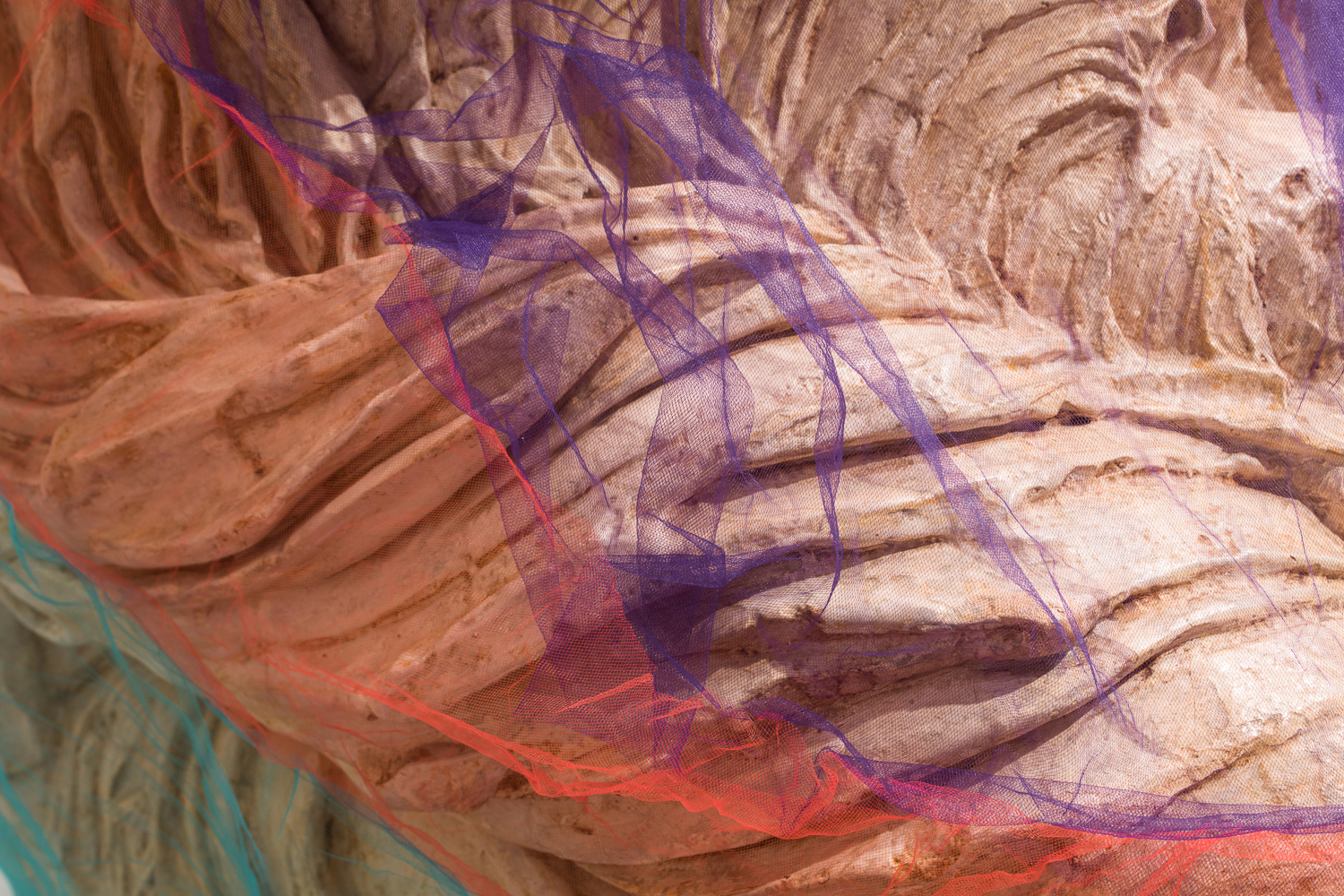
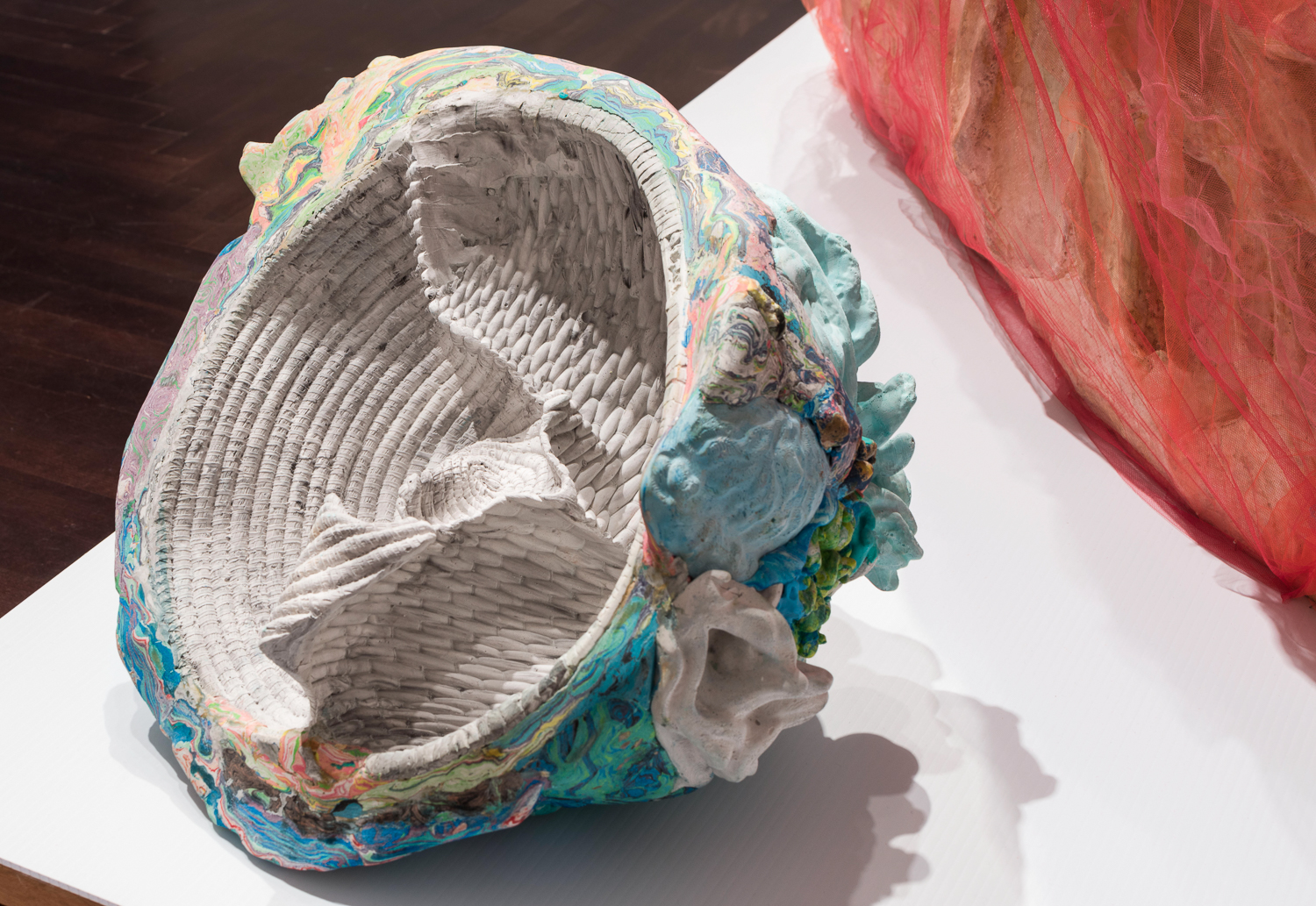
Many Greek and Roman marble sculptures were originally polychromed—brightly painted, gilded, or otherwise embellished—although little of this surface decoration has withstood the passage of time. This creates the false impression that these sculptures, and ancient people, were all white. Plaster casts reinforced the myth of the statues’ original whiteness. Cox-Richard subverts this fiction and the attendant “ideals” by adding color to sculptures she made utilizing 3D scanning, a modern technology that offers near-perfect reproductions of artworks, as plaster casts once did.
Cox-Richard proposes technicolor alternative narratives for the casts of ancient objects. She used scagliola, or marbleized plaster, to create a sculpture of a she-wolf based on scans of casts taken from the bronze original in the Capitoline Museum in Rome. The she-wolf confronted the viewer from a concrete sidewalk pushed upward by an oozing substance, suggesting a rupture in history. Cox-Richard ground down the corners of the concrete slabs to reveal a colorful aggregate and fossil-like fragments made using 3D scans of the heads of Battle casts.
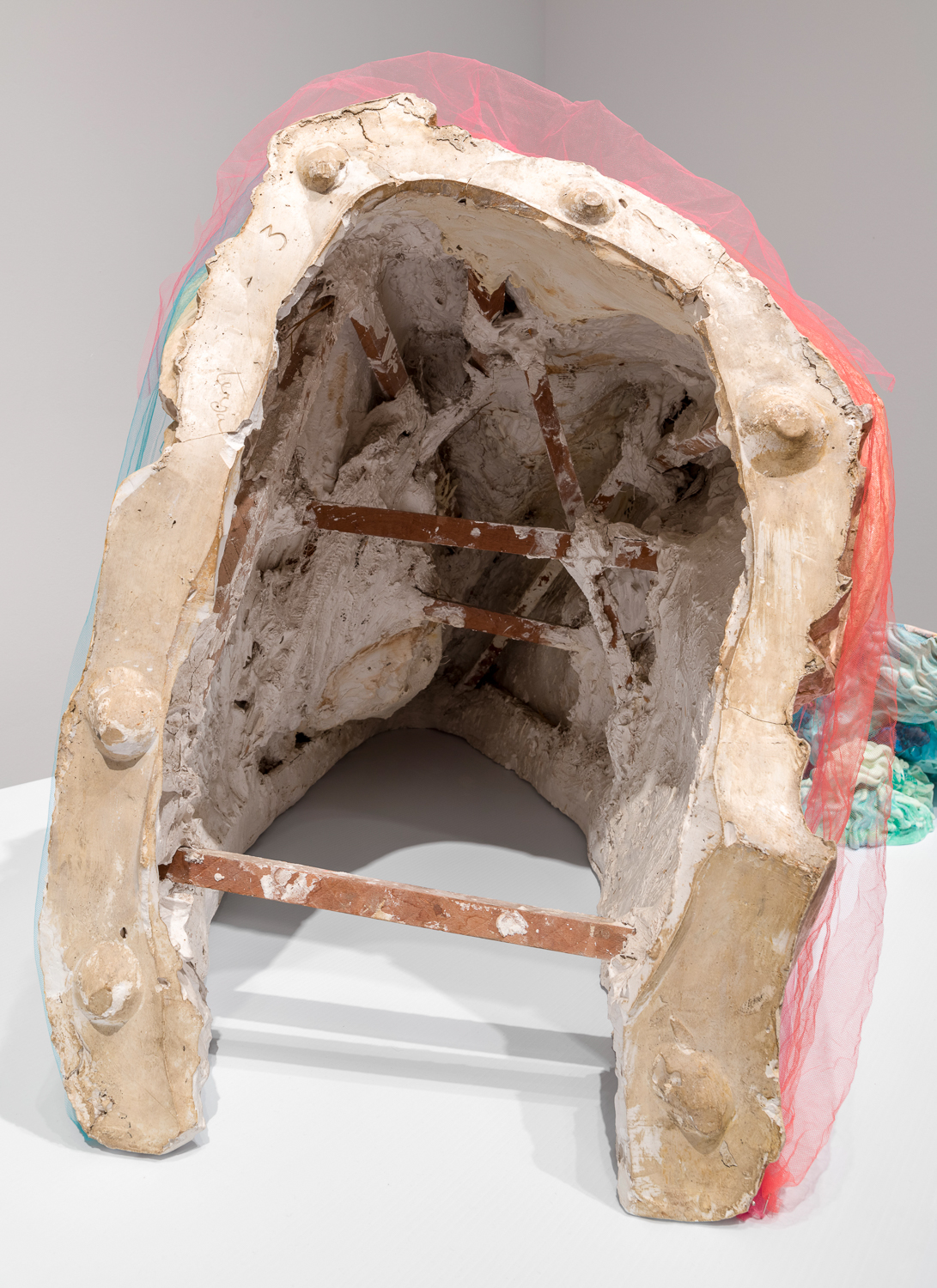
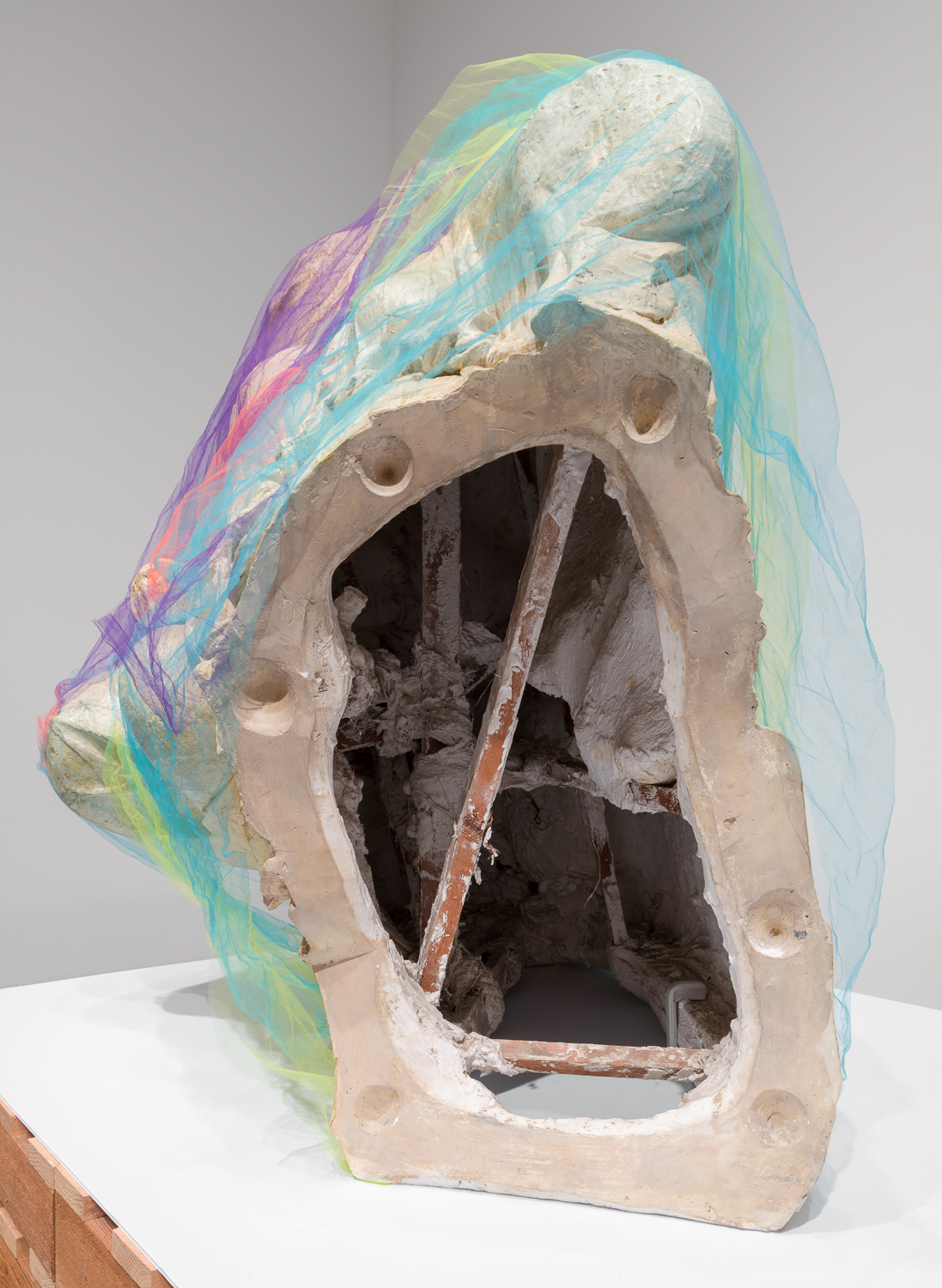
The sidewalk extended from two separated sections of a Battle Collection cast of a sculpture of the goddesses Dione and Aphrodite that originally decorated the Parthenon in Athens, Greece. The figures were swathed in brightly colored fabric to remind us that the original sculptures were once painted. Cox-Richard’s installation evoked classical sculptures’ and their white plaster casts’ journeys through history and asked how we can disrupt the legacies of oppression that they have helped to perpetuate.
Cox-Richard’s exhibition also included an intervention in the display of the Battle Collection in the first-floor Osborne Seminar Room.
List of Works:
Ramp, 2019
fiber-reinforced concrete, aggregate including glass, shell, brick, and concrete fragments cast from models of Battle Cast hair, urethane foam, pigment; 11 x 355 x 93 in.
She-Wolf, 2019
scagliola: plaster, rabbit skin glue, pigment; 21.5 x 46.25 x 19.5 in.
Weave, 2019
scagliola: plaster, rabbit skin glue, pigment; 14.75 x 17 x 14.5 in.
Figs., 2019
synthetic tulle netting, storage pallets, Goddesses from the East Pediment of the Parthenon: Dione and Aphrodite, 19th-century reproduction, plaster cast from marble original by Phidias (circa 5th century BCE), The William J. Battle Collection of Plaster Casts.
Intervention in the Osborne Seminar Room, 2019
synthetic tulle netting and Apollo Belvedere, 19th-century reproduction, plaster cast from Roman adaptation or copy of a Greek bronze original by Leochares (circa 330 BCE), The William J. Battle Collection of Plaster Casts.
Press:
Andy Campbell, Austin: Lily Cox-Richard, Blanton Museum of Art, Artforum, December 2019
Sean J Patrick Carney, Lily Cox-Richard’s Kaleidoscopic View on the Classical Cannon, Art in America, October 9, 2019
Lydia Pyne, Subverting the Whiteness of Antiquity, Hyperallergic, September 2, 2019
Erin Keever, Lily Cox-Richard: Re-casting the Blanton’s Battle casts, Sightlines, August 8, 2019
Credits:
This installation was organized by the Blanton Museum of Art.
Major funding is provided by Suzanne McFayden.
The Blanton thanks the UT Department of Art and Art History’s Digital Fabrication Lab for technical support of this exhibition.
Photography by Colin Doyle and Manny Alcalá.
Forms:
Berm, 2018
Berm
September 22 – November 3, 2018
Diverseworks (Houston, TX)
Related Materials:
Notes:
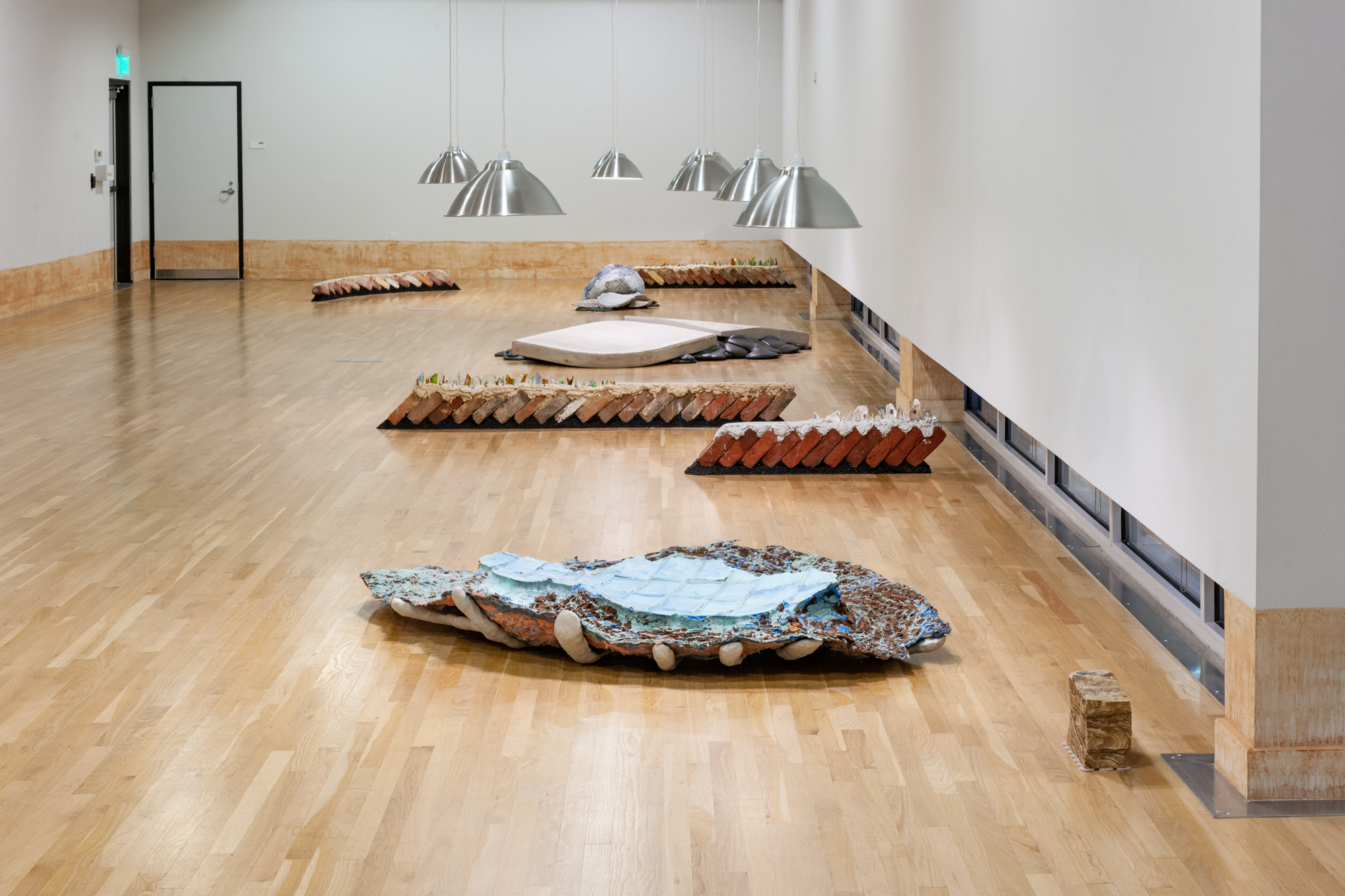
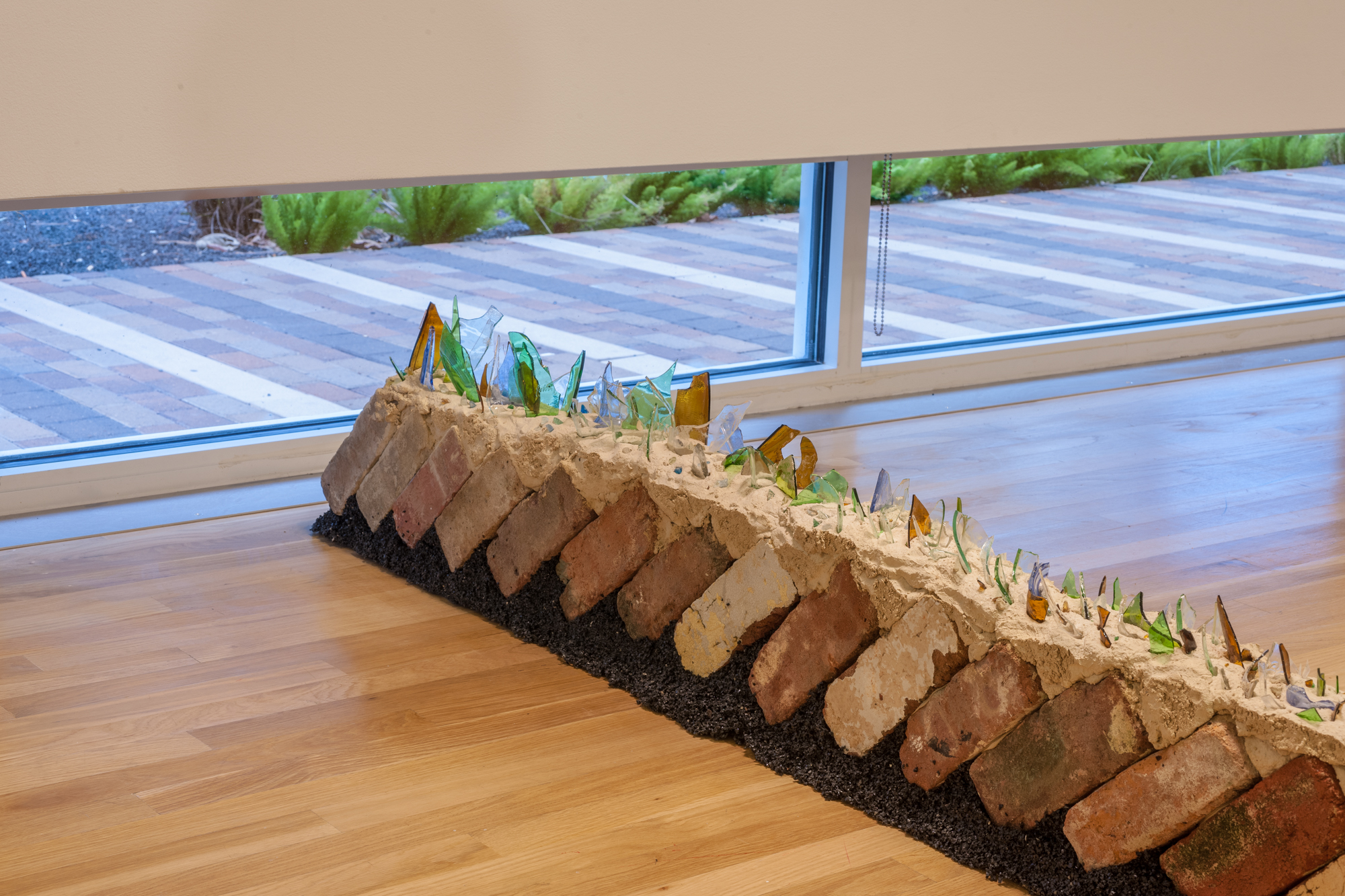
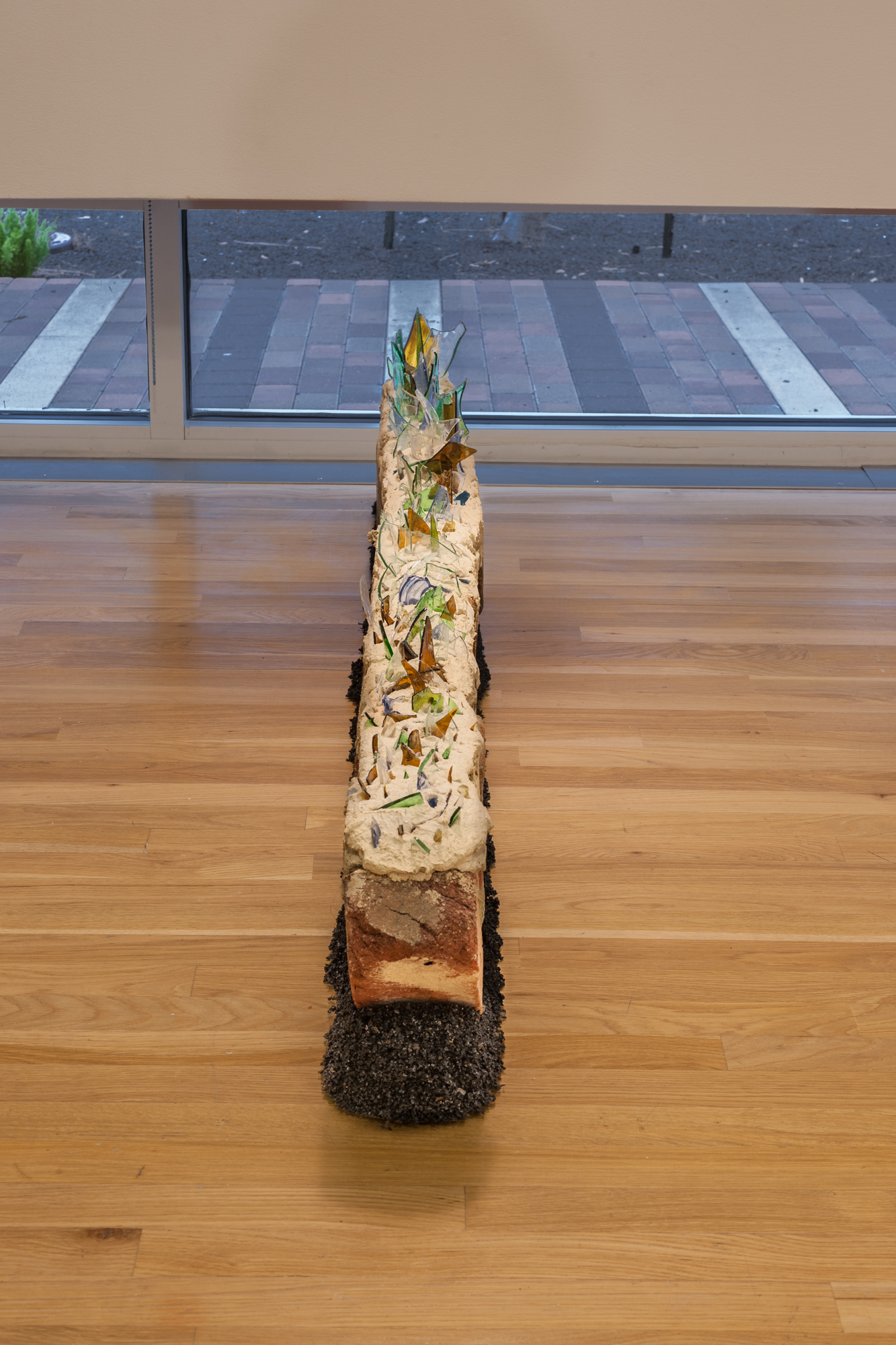
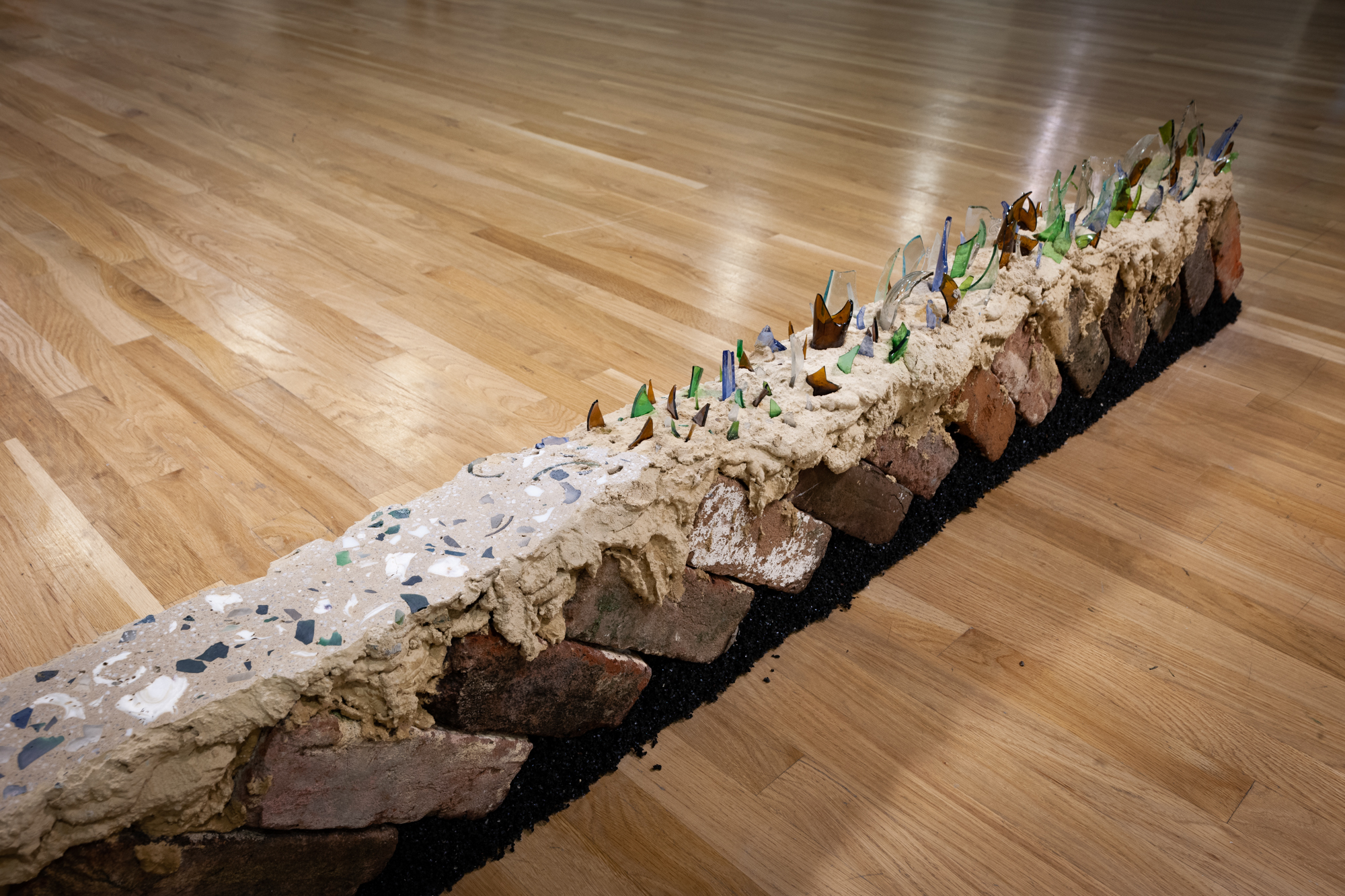
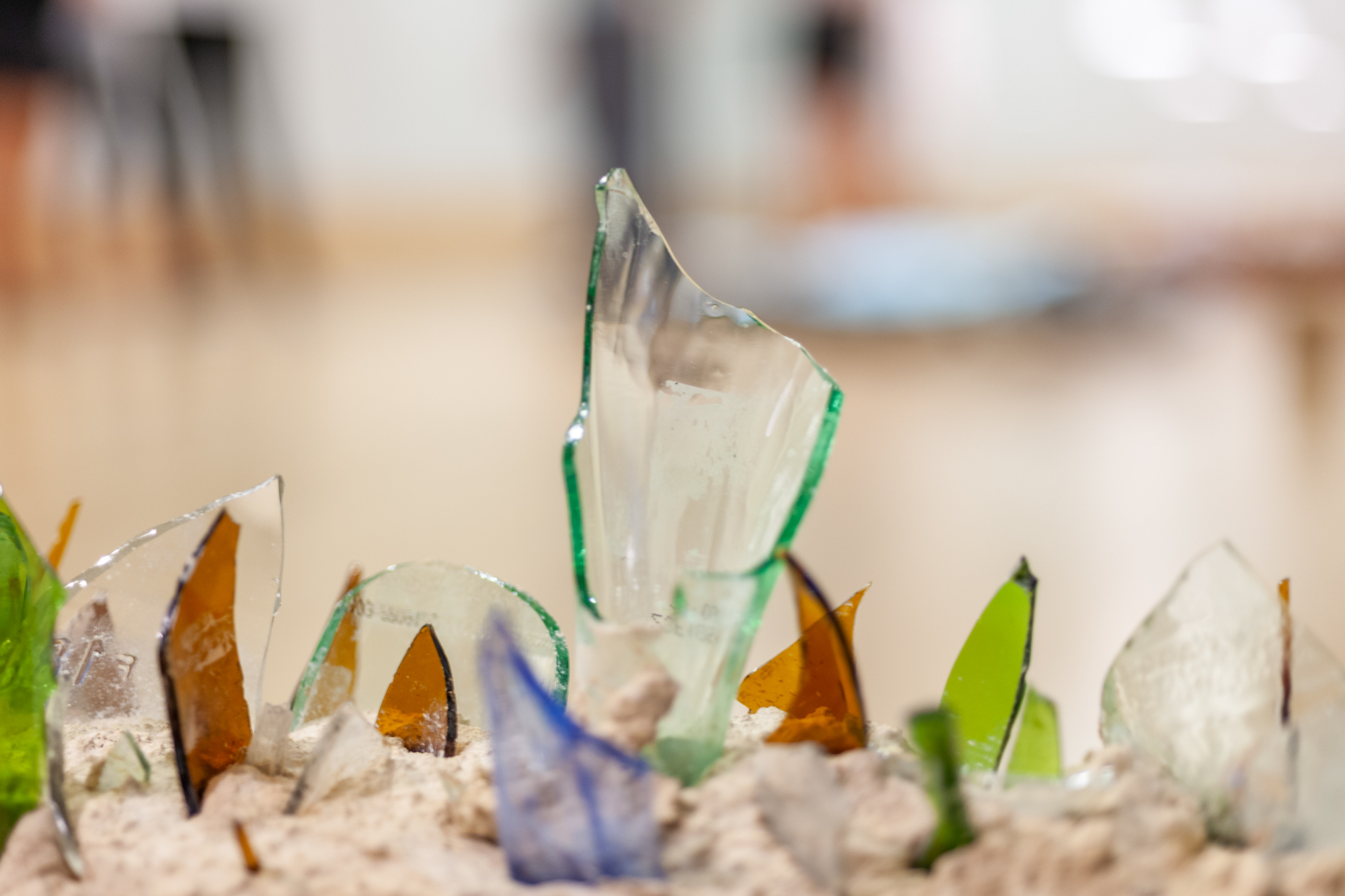
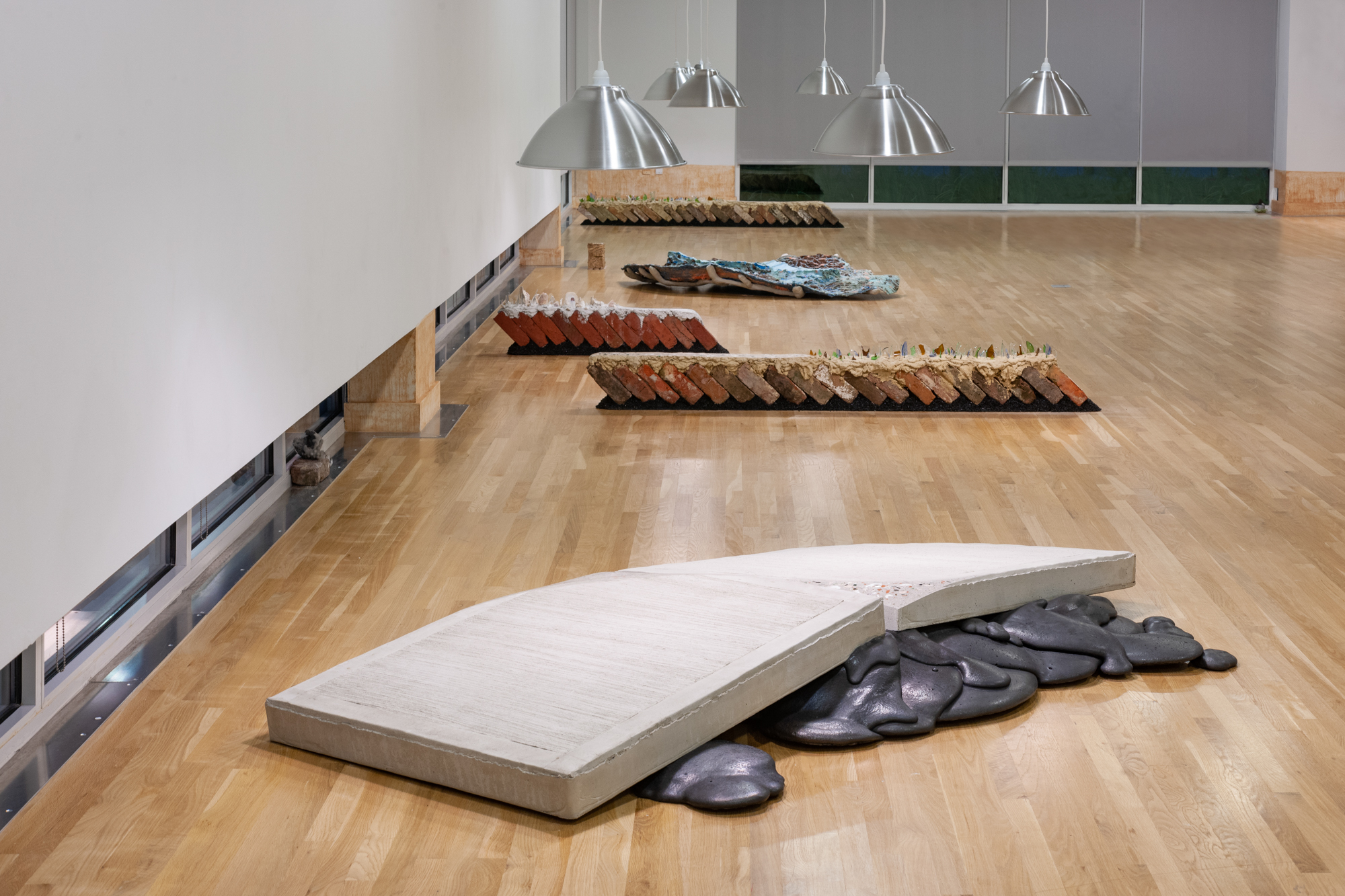
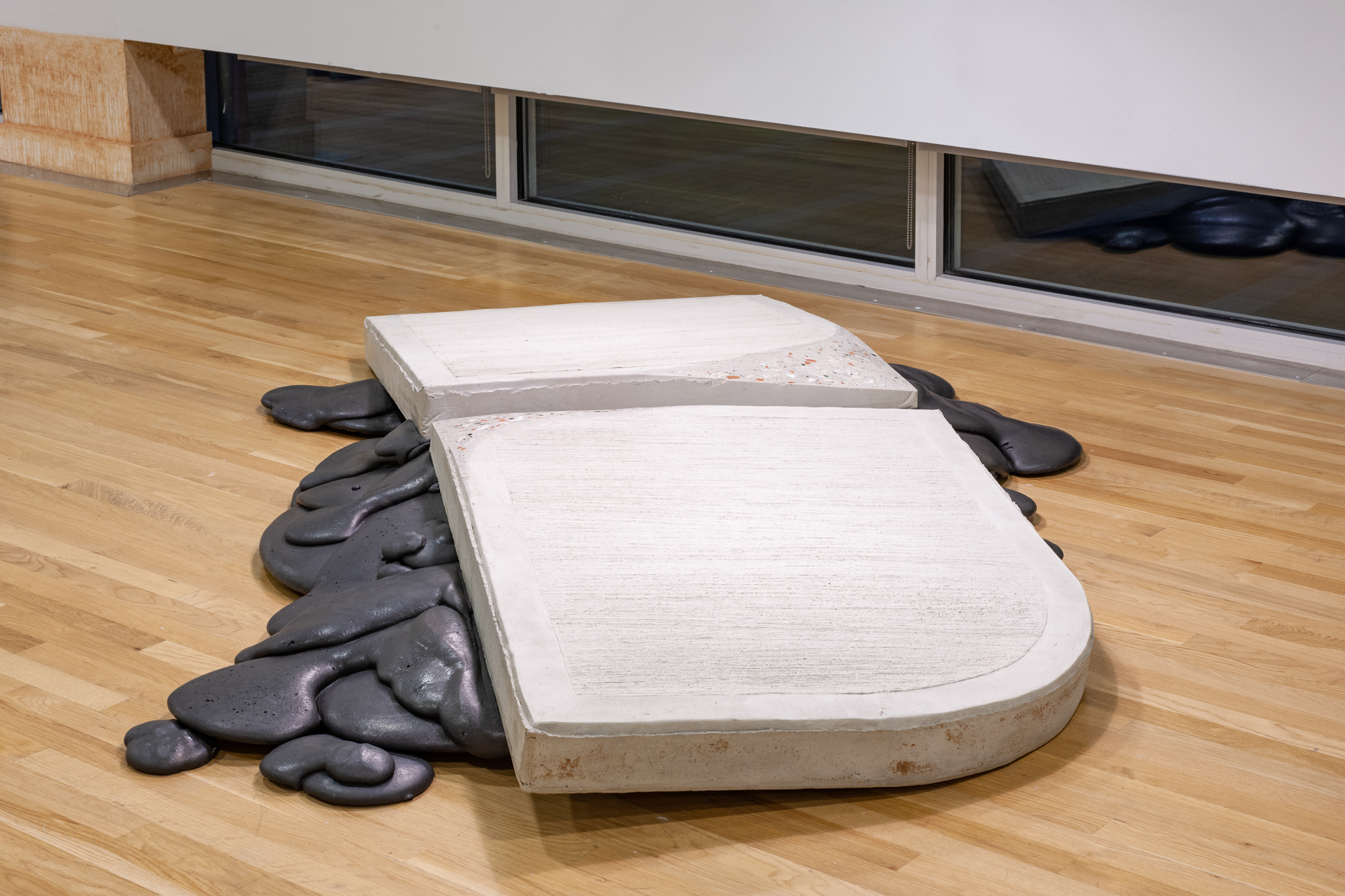
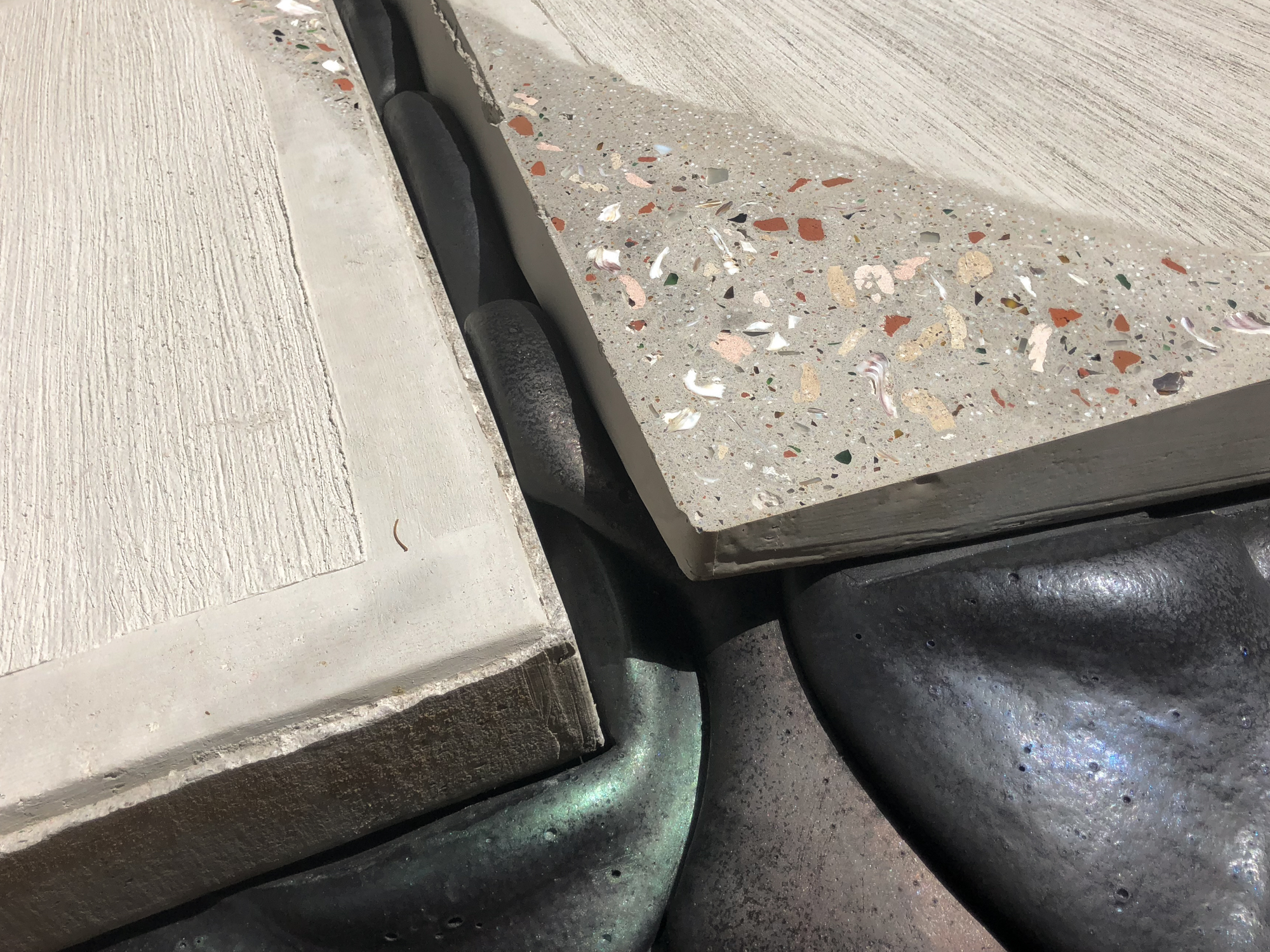
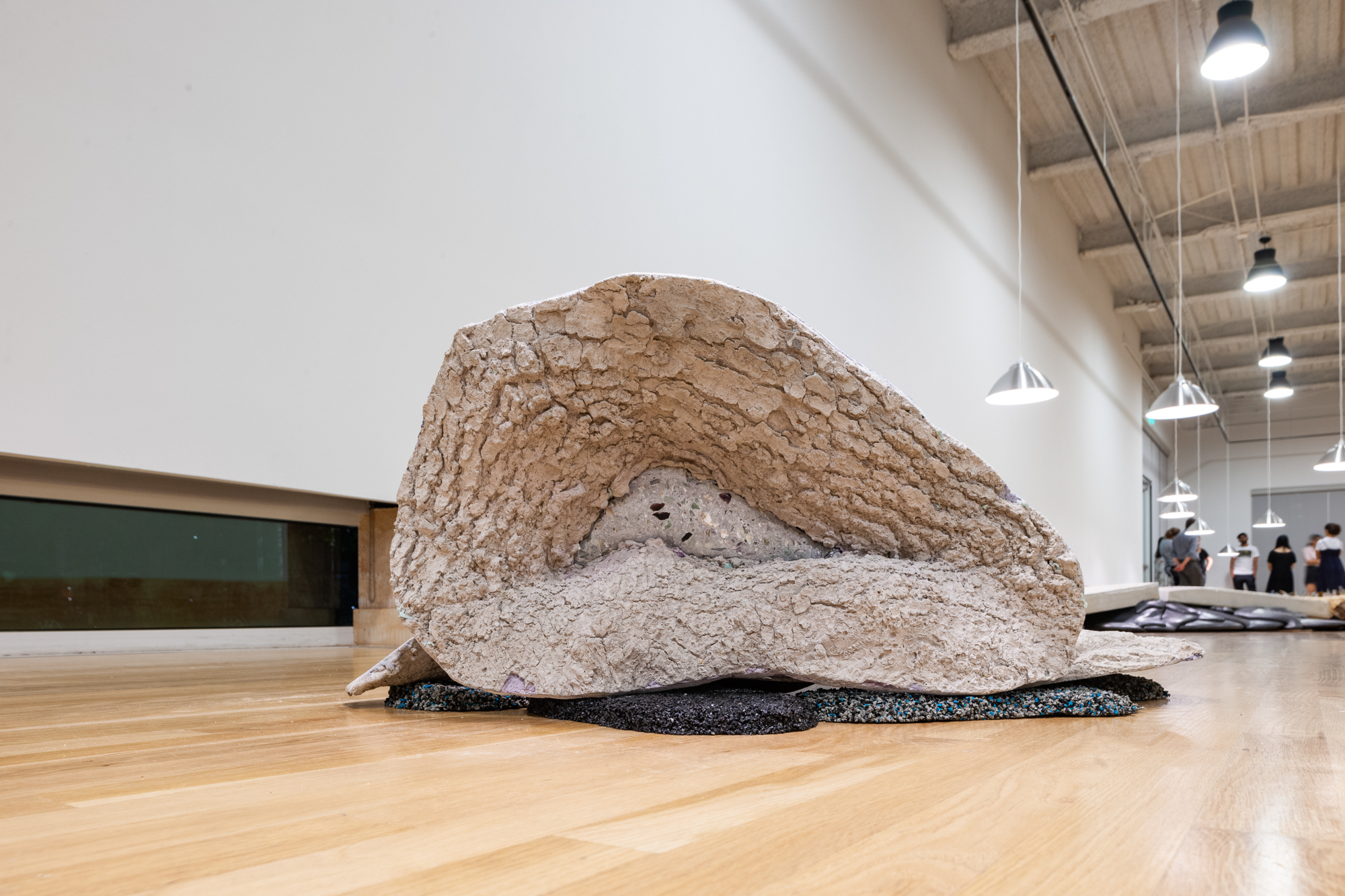
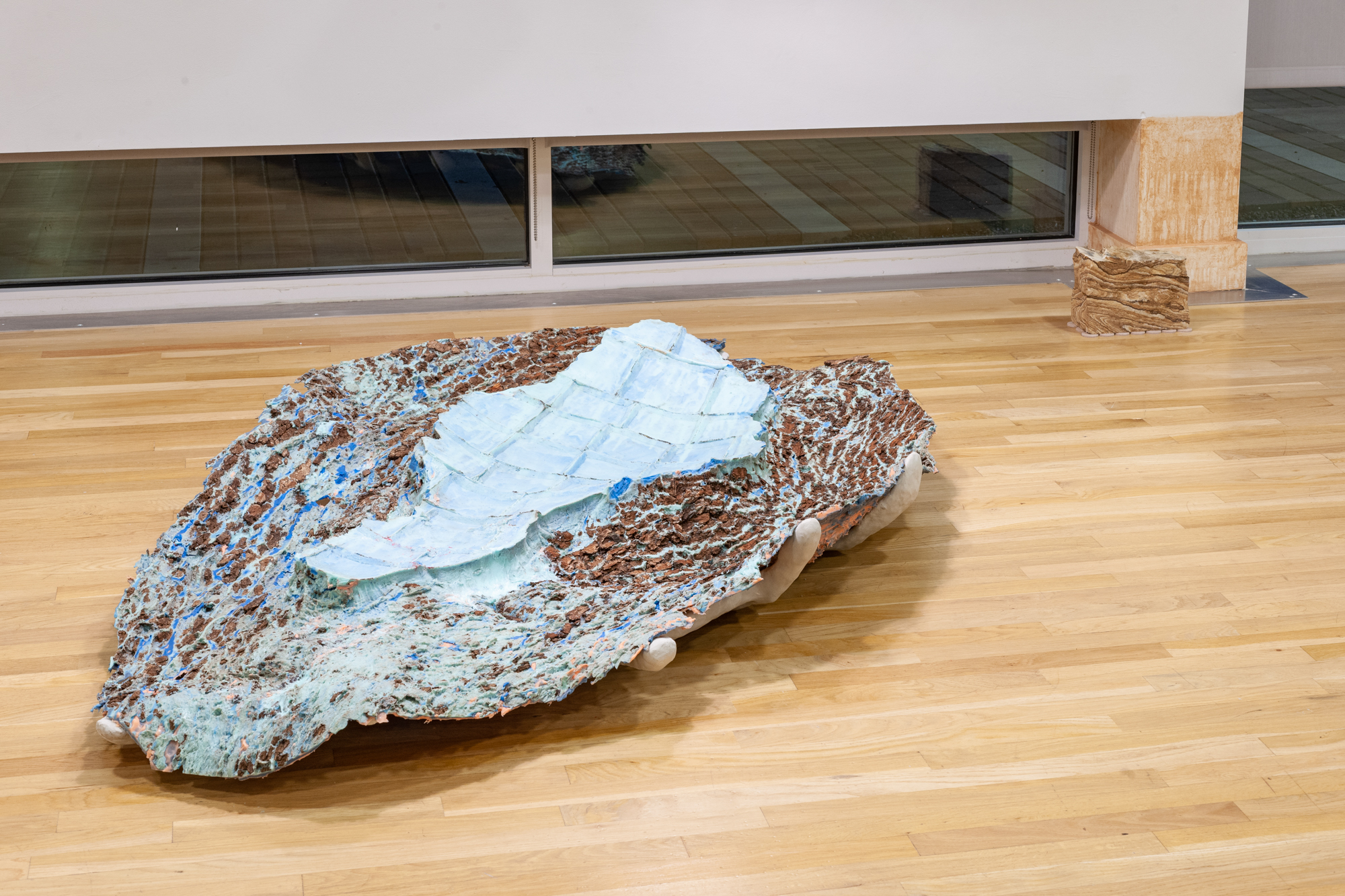
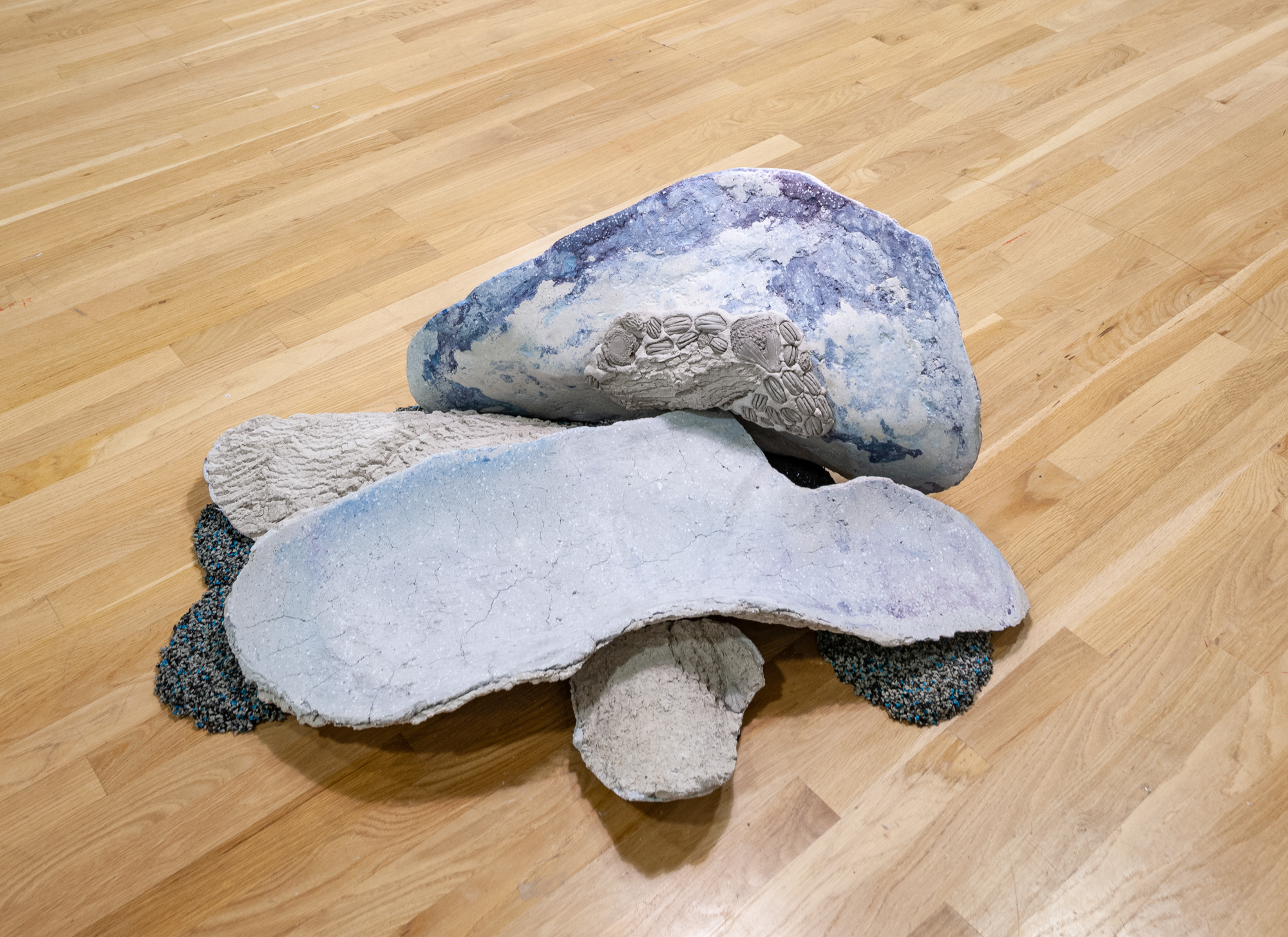
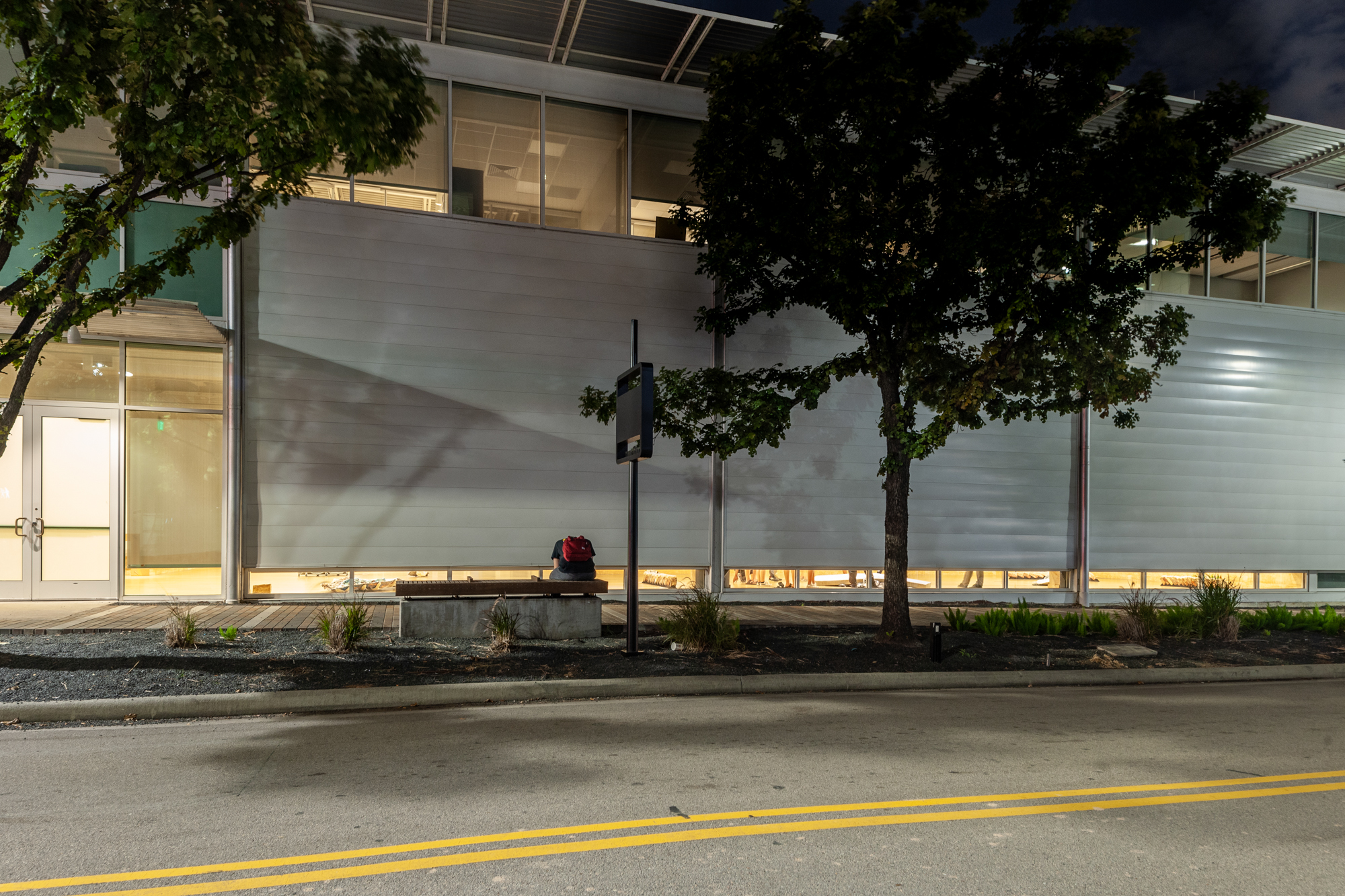
Inspired by the concept of the berm, a term that refers to an artificially raised bank or ridge that may serve as a fortification or a separation barrier, Lily Cox-Richard’s new sculptures use reclaimed materials, crafted objects, and the space around them to push up against institutional frameworks and existing architecture to explore modes of viewing, perspective, and accessibility. Within the installation, concrete aggregates made from old bricks, oyster shells, and other debris have been ground down by the artist to reveal other facets of embedded structural systems.
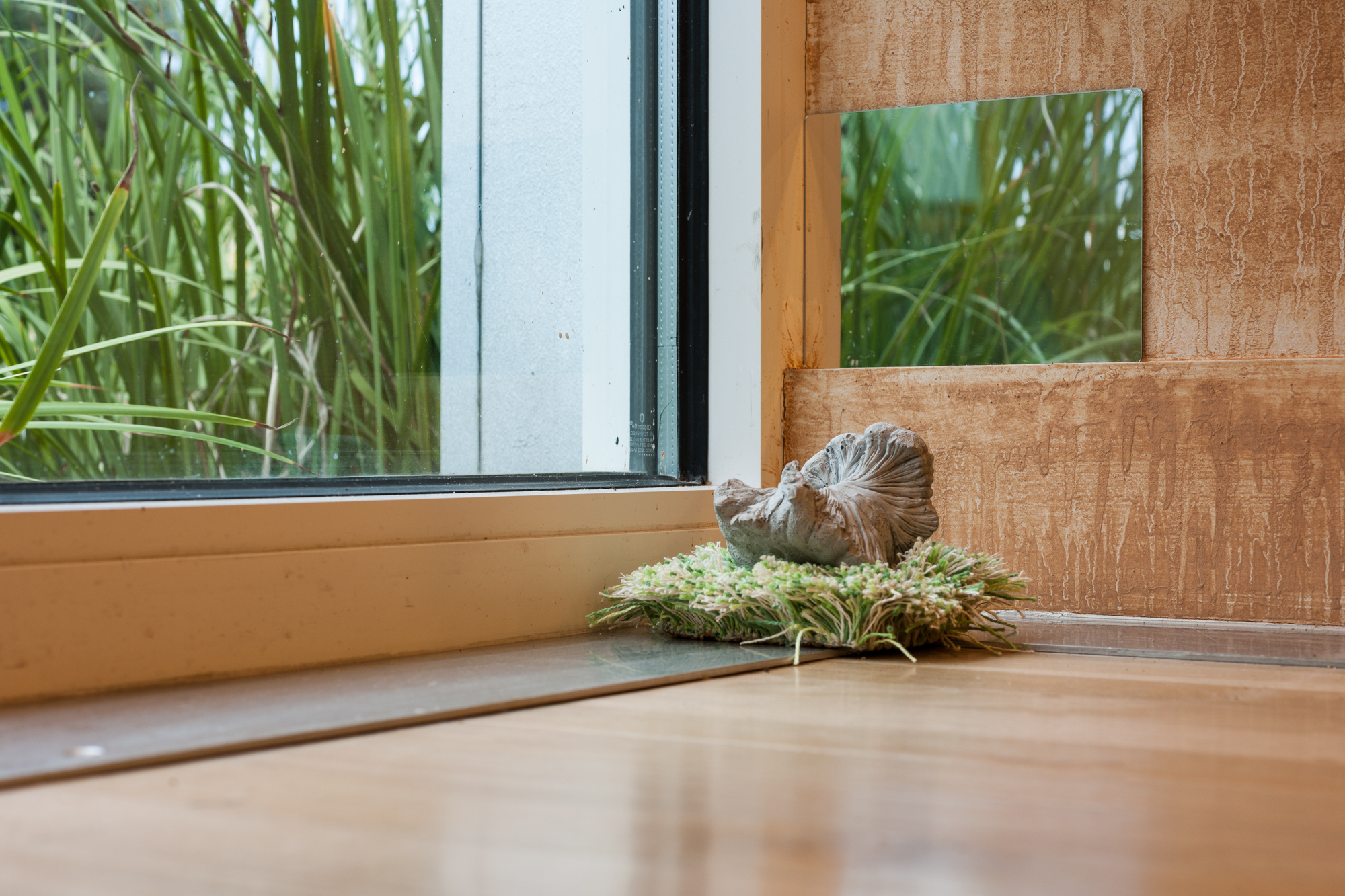
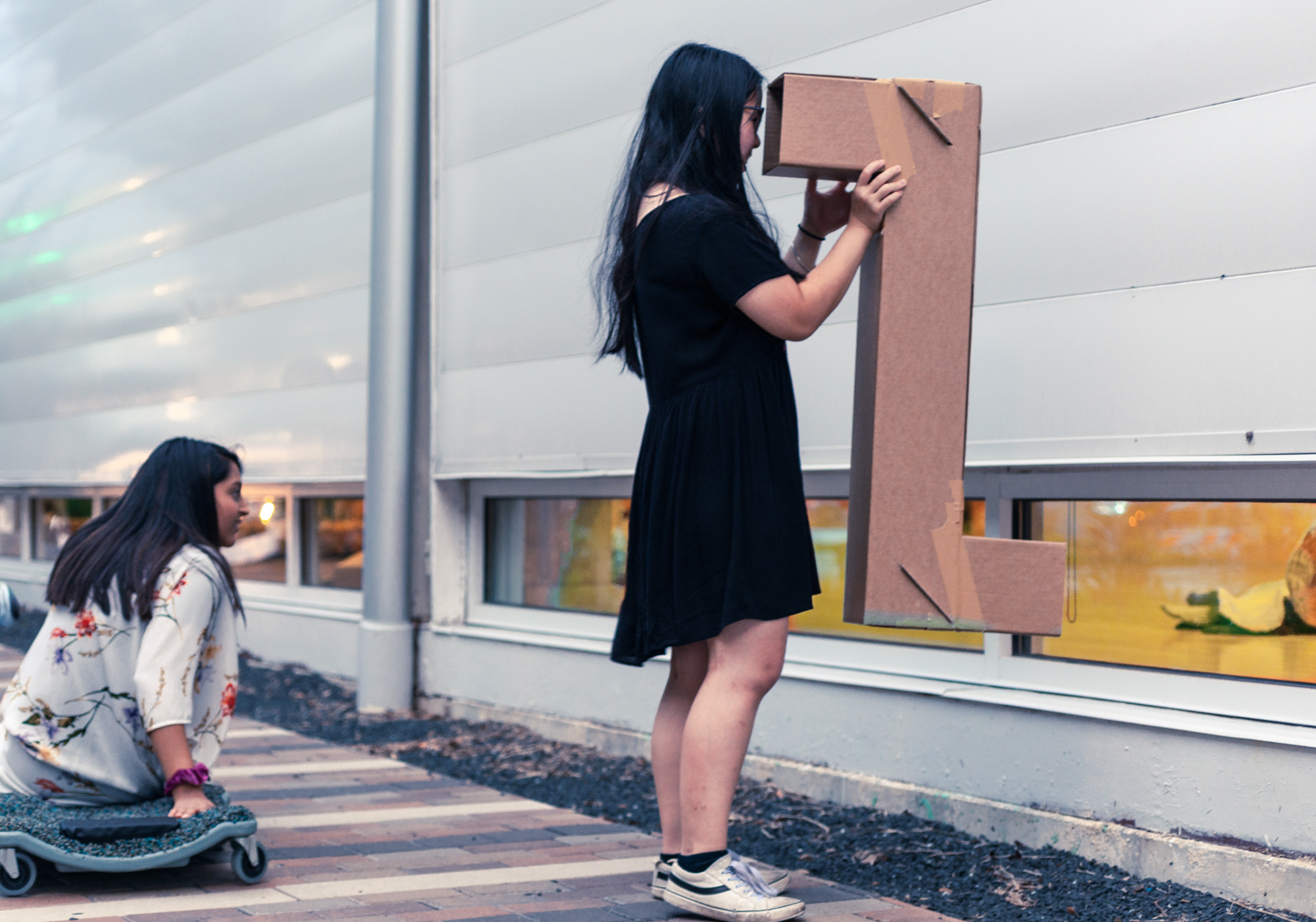
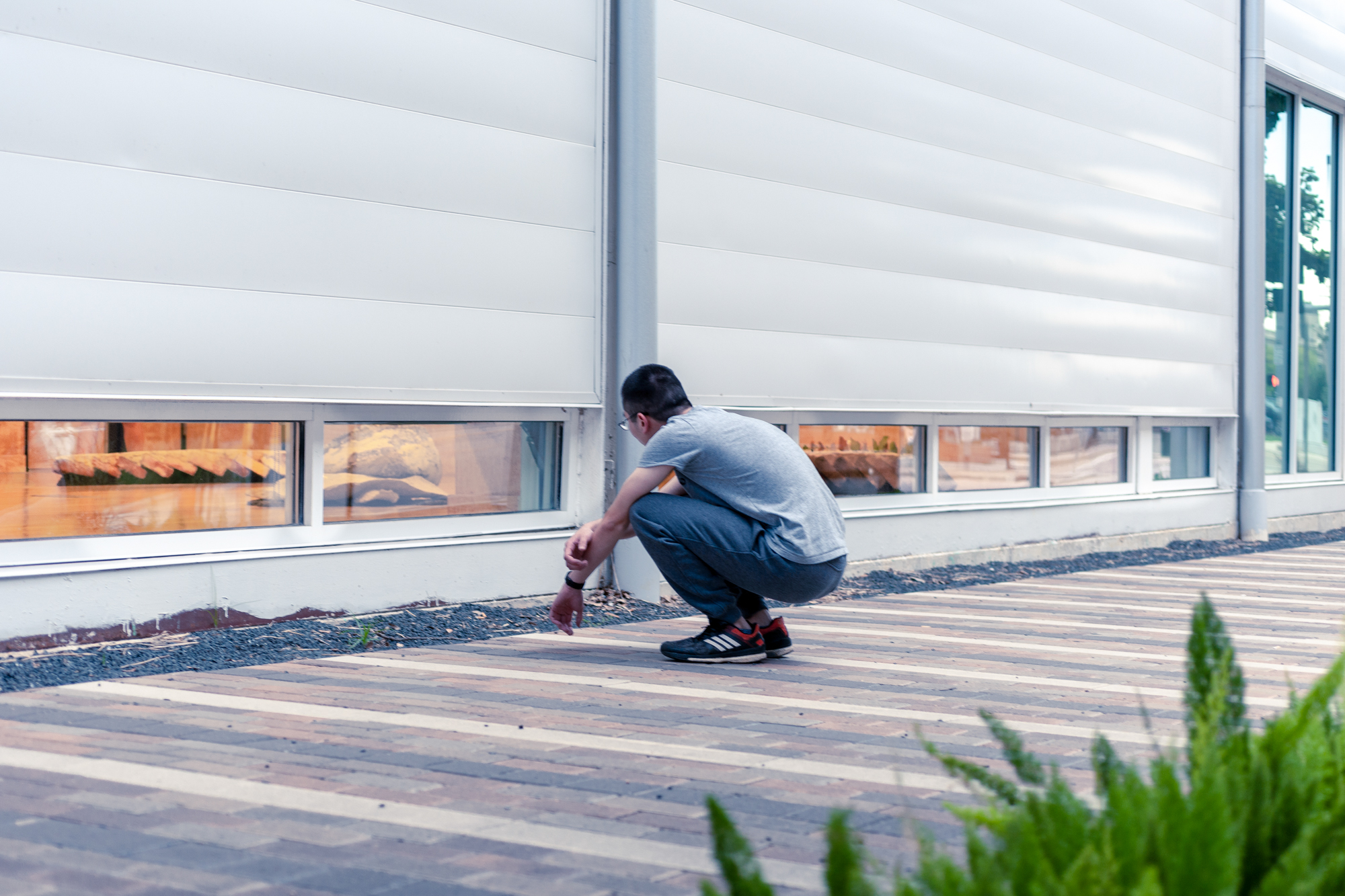
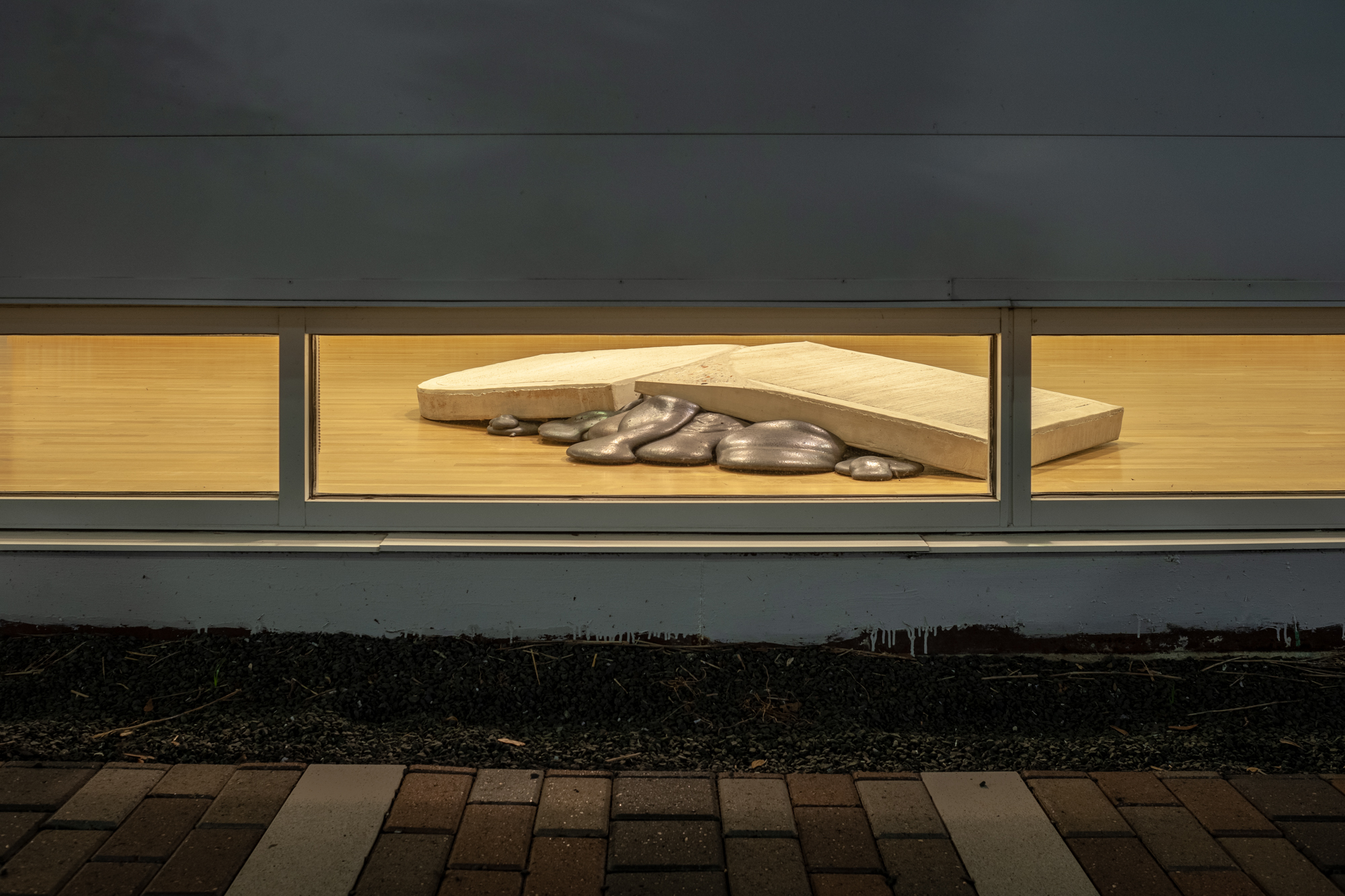
The exhibition takes place on the floor and in the bottom seventeen inches of the gallery, adhering to and highlighting the particulars of the MATCH building: finished wood flooring, ground-level windows, and a patterned brick walkway just outside. The view through the low windows, from the sidewalk, becomes the prime vantage point for the exhibition. Viewers are invited to further shift their perspective by looking through custom scopes, lying on a dolly, or simply taking a knee.
This project expands Cox-Richard’s investigations into the relationships between natural resources, stewardship, labor, landscape, and the built environment in the rapidly developing area of Midtown Houston.
Lily Cox-Richard’s on-site artist residency is supported by DiverseWorks in partnership with Flying Carpet Creative.
Lily Cox-Richard: Berm is organized by Xandra Eden, Executive Director & Chief Curator, DiverseWorks.
List of Works:
Berm, 2018
reclaimed bricks, glass, oyster shells, reinforced concrete, recycled rubber granulate, five parts; variable dimensions
Nougat 1, 2018
wild horse swirl sandstone, felt pads; 7.5 x 11 x 5 in.
Woundwood, 2018
silicone, epoxy putty, bark, mixed media; 9 x 46 x 81 in.
Hailstones: Grapefruit 2, Softball 1, 2018
concrete, reclaimed brick; 7 x 13 x 4 in.
Callus, 2018
fiber-reinforced concrete, urethane foam, pigment; 11 x 63 x 91 in.
Midden, 2018
fiber-reinforced concrete, rubber granulate; 14 x 29 x 41 in.
Hot Mix, 2016
gypsum cement, aluminum slag; 12 x 30 x 20 in.
Originally commissioned and produced by Artpace San Antonio
Thunder Egg, 2016
gypsum cement, concrete, trash can, acrylic; 30 x 60 x 56 in.
Originally commissioned and produced by Artpace San Antonio
Nougat 2, 2018
wild horse swirl sandstone, felt pads; 8 x 10 x 4 in.
Hailstone: Tea Cup, 2018
linen, concrete, mirror; 10 x 7 x 8 in.
Press:
Molly Glentzer, Lily Cox-Richard brings sculpture viewers to their knees, Houston Chronicle, October 22, 2018
Laura August, From the Ground Up: Lily Cox-Richard at Diverseworks, Arts & Culture Texas, September, 2018
Credits:
DiverseWorks and the artist would like to thank the following individuals and organizations for their assistance in making this exhibition possible: Flying Carpet Creative, VCUarts, Laura August, Rachel Cook, Ryan Hawk, Cecily Horton, Cymene Howe, Courtney Khim, Sophie Leung-Wolf, MATCH, Roger Moore,Schuyler Shireman, José Solís, Jacob Villalobos, and all of the friends that contributed food, energy, and love.
Photography by Ryan Hawk
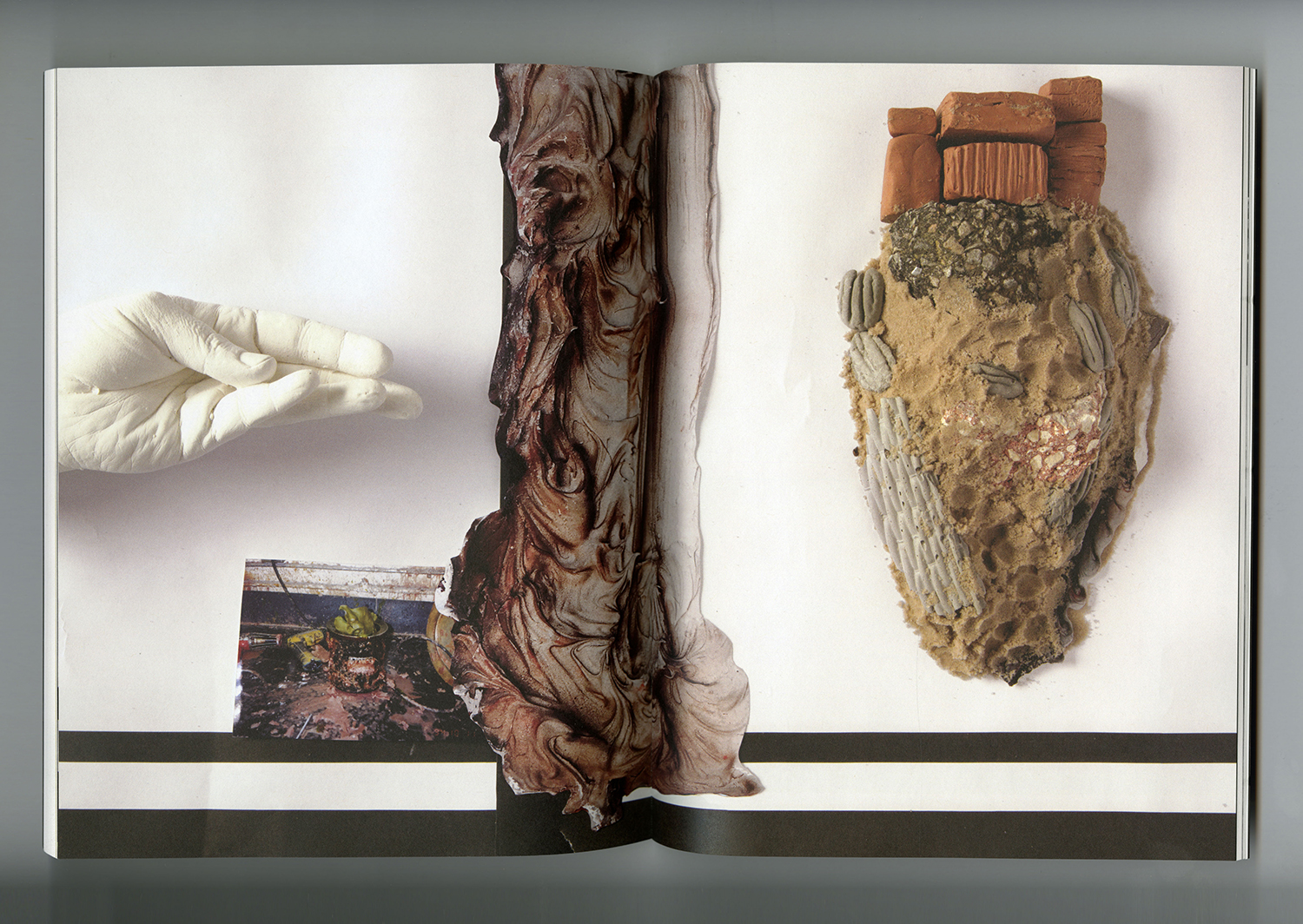
Raw Powers
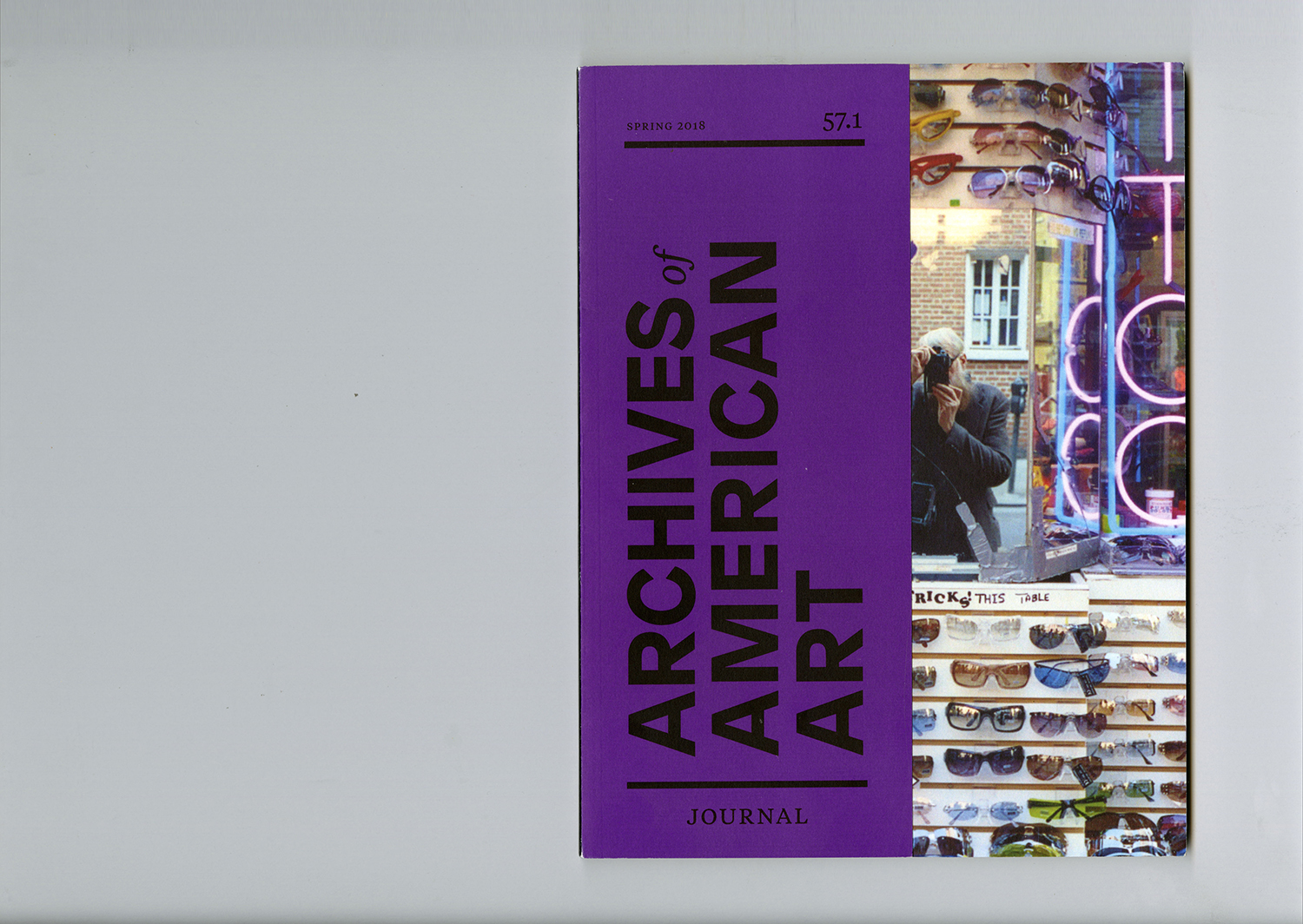
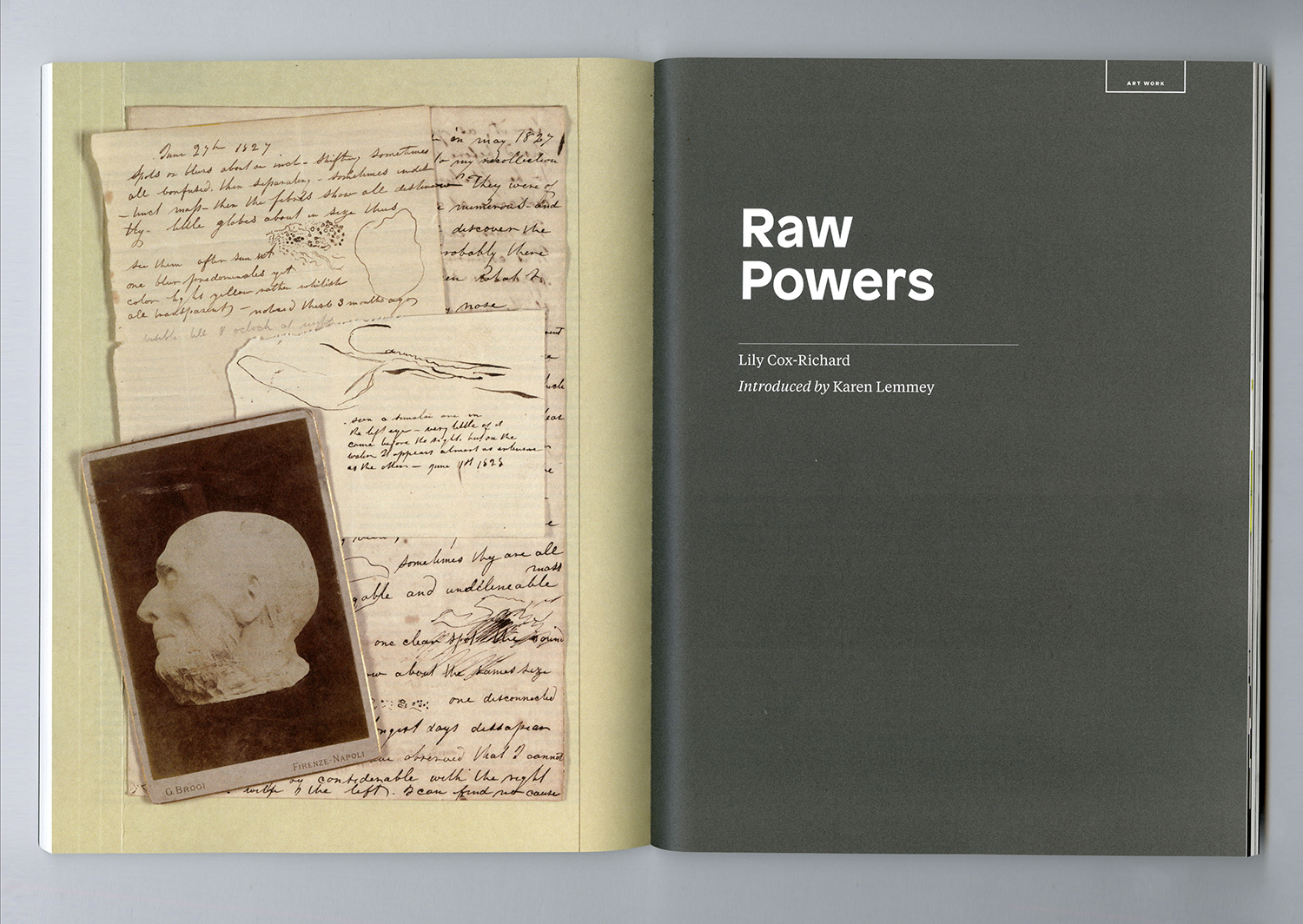
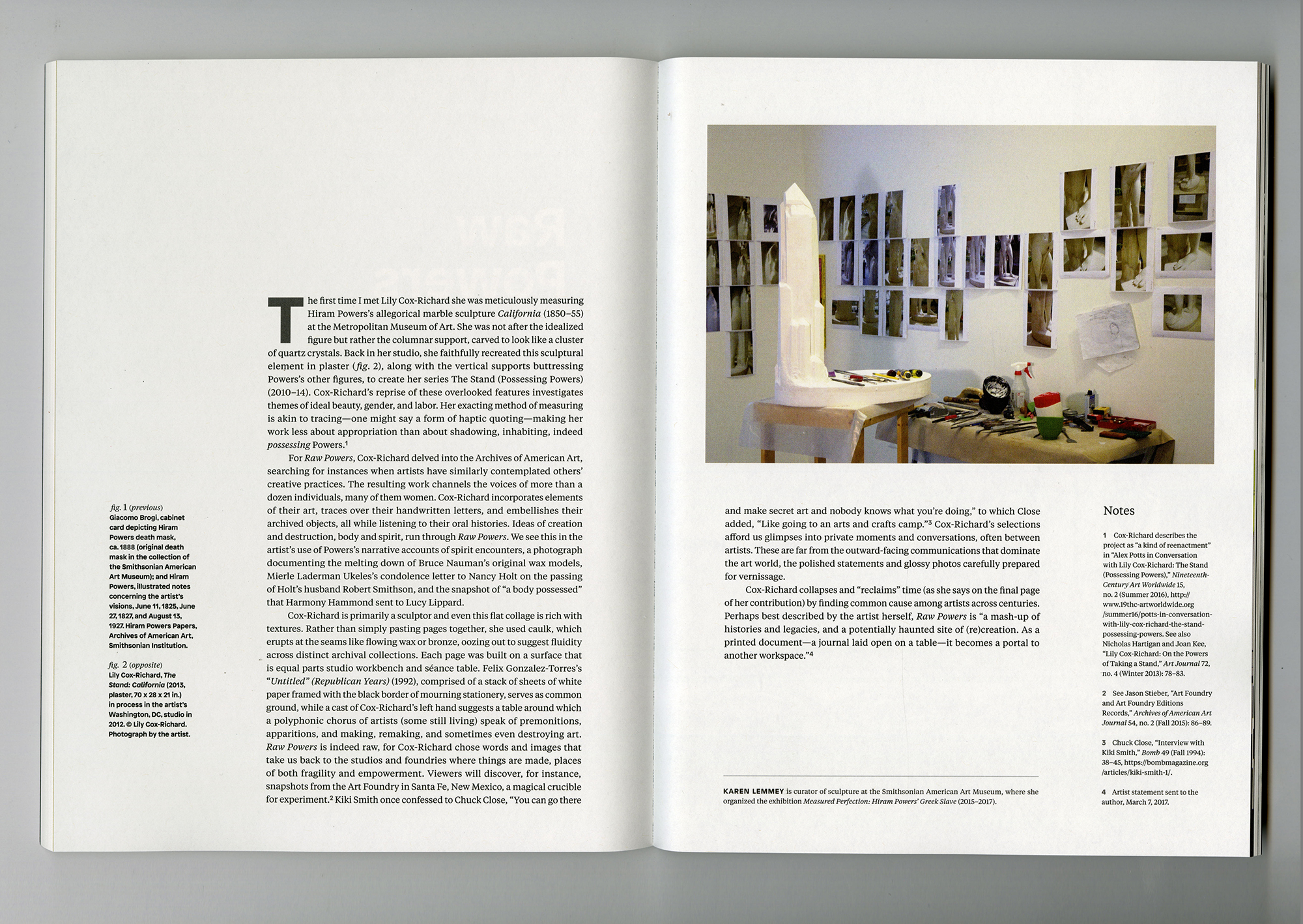
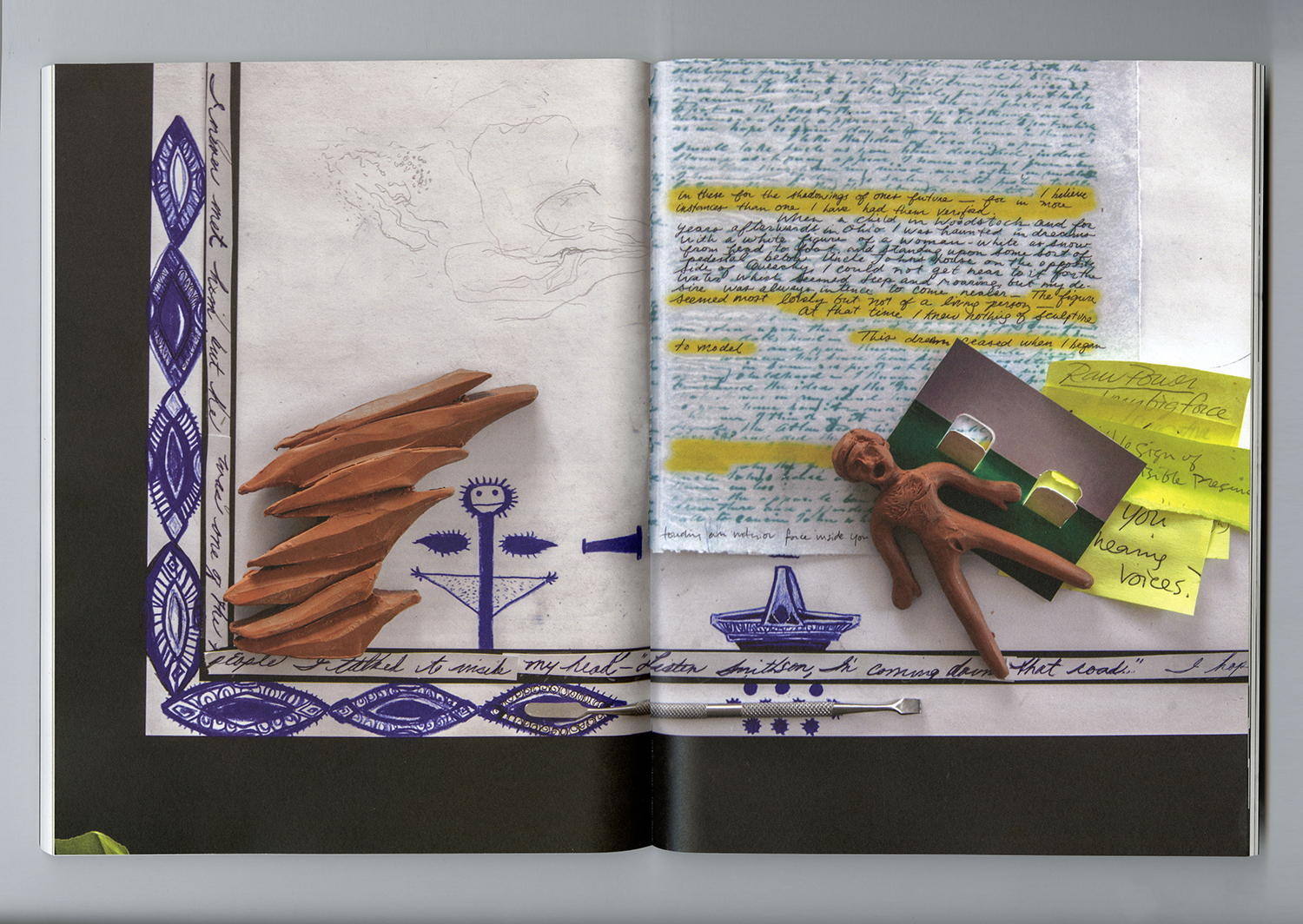
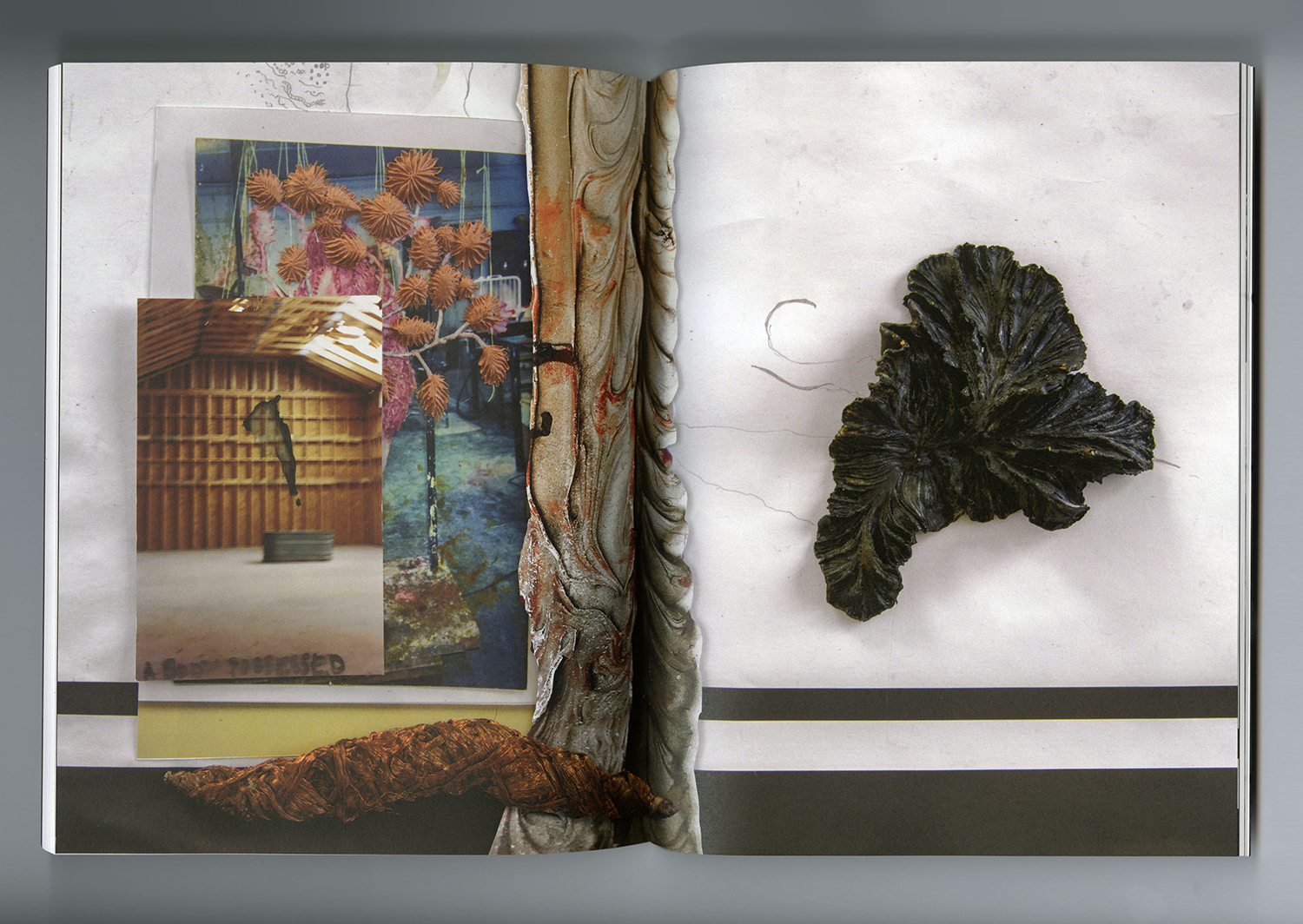
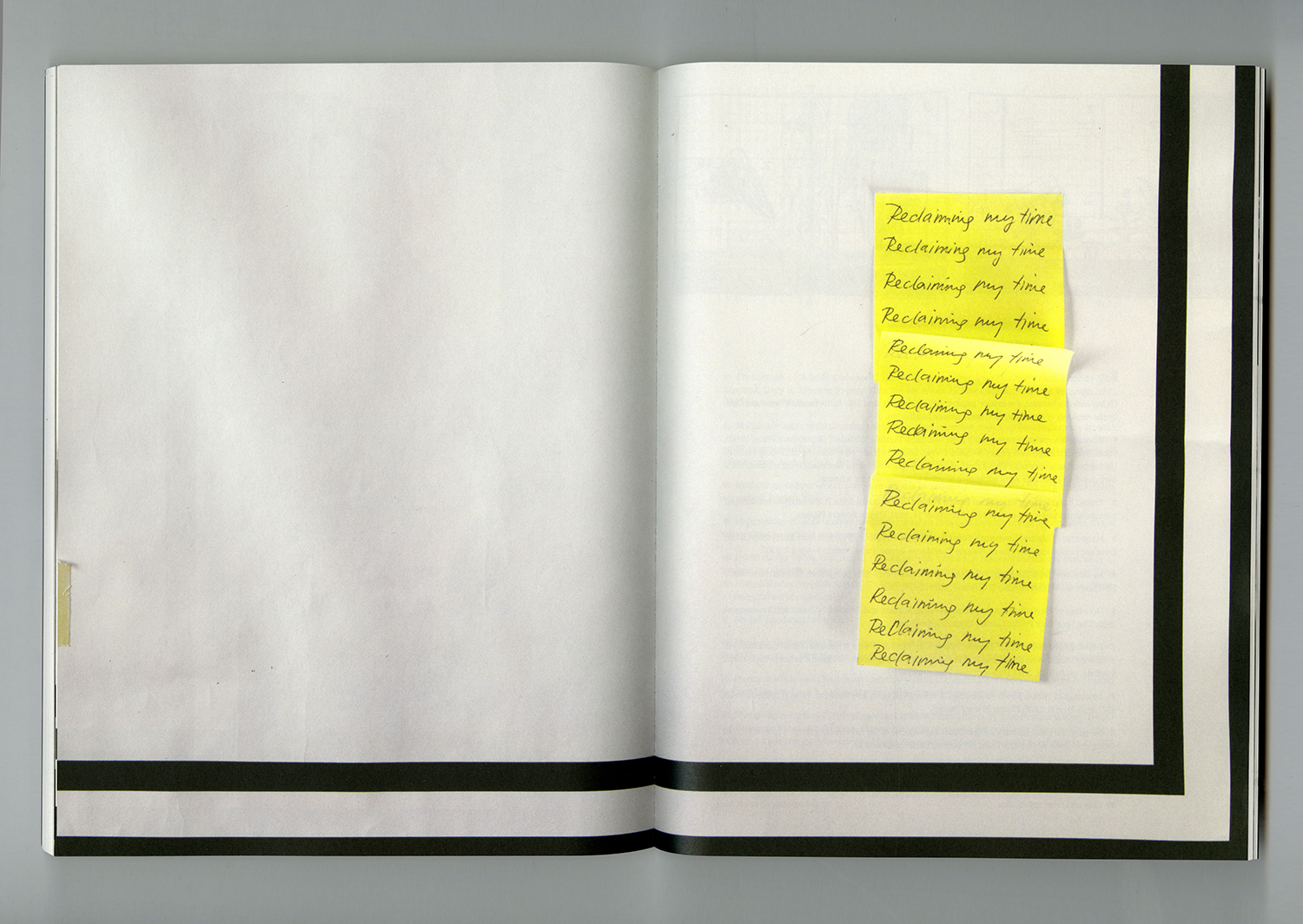
Raw Powers
Spring 2018
Archives of American Art Journal
Introduced by Karen Lemmey
Sculptures the Size of Hailstones, 2018
Sculptures the Size of Hailstones
February 17, 2018 – May 16, 2018
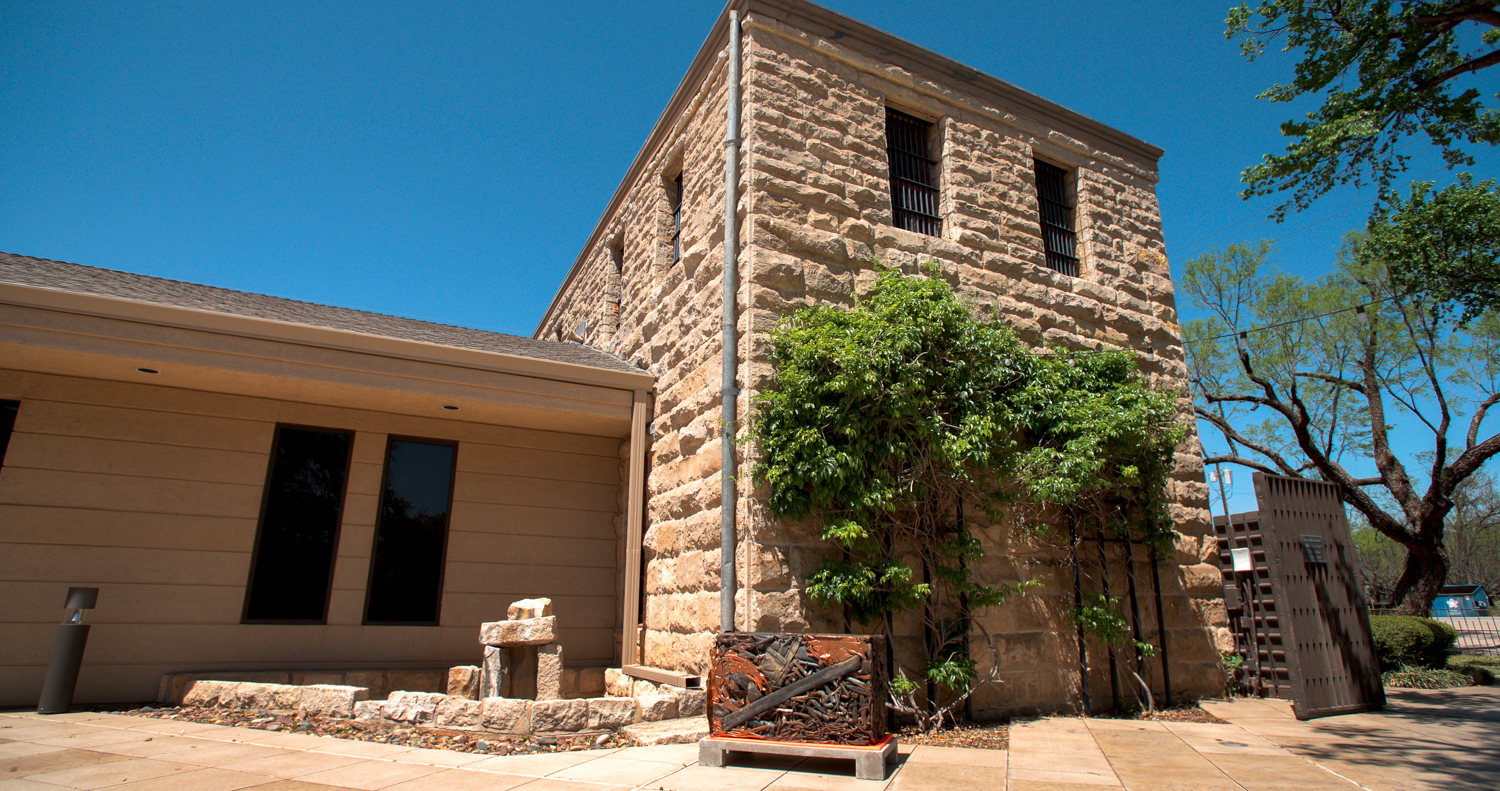
The Old Jail Art Center (Albany, TX)
Related Materials:
Notes:
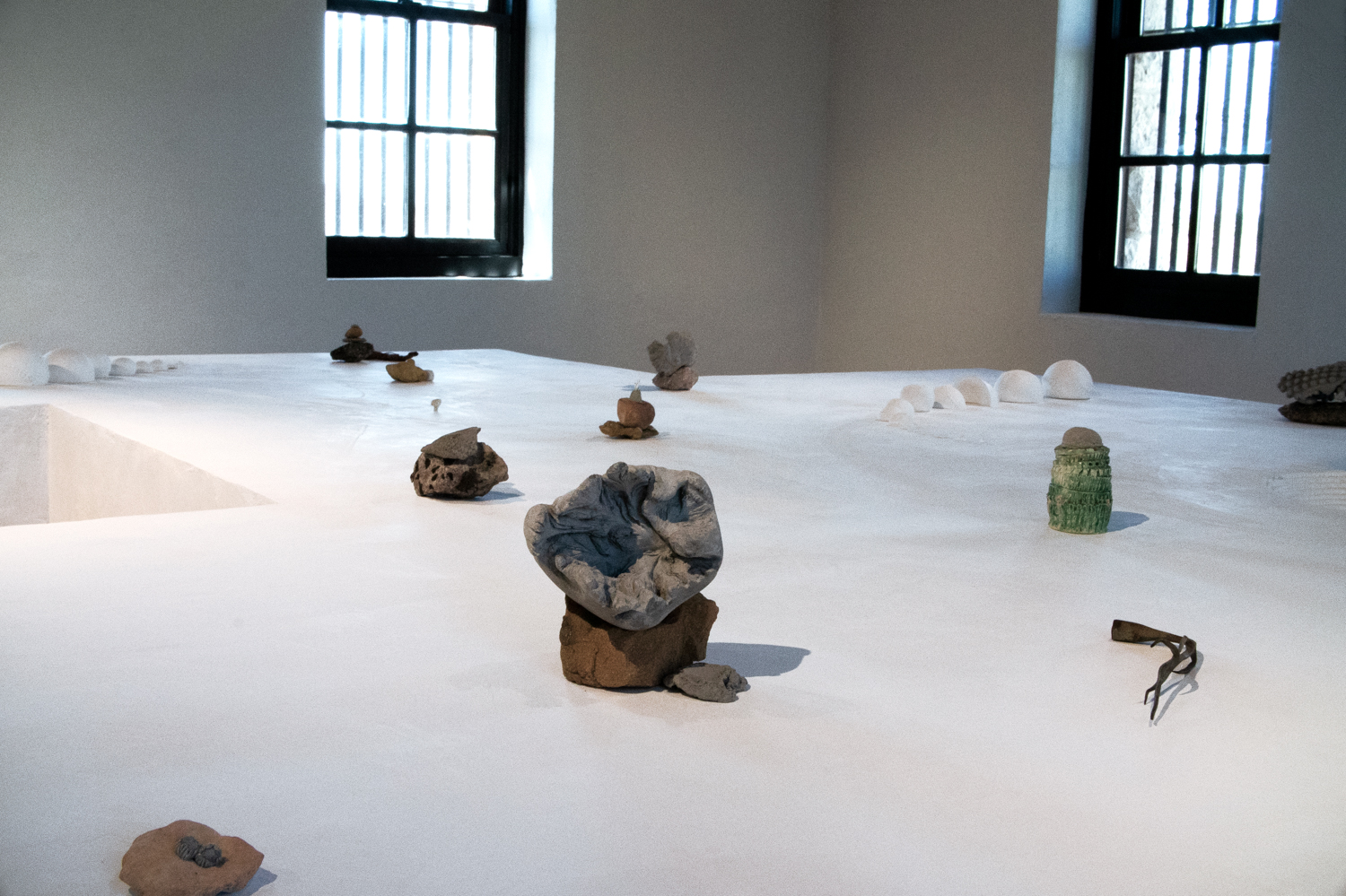
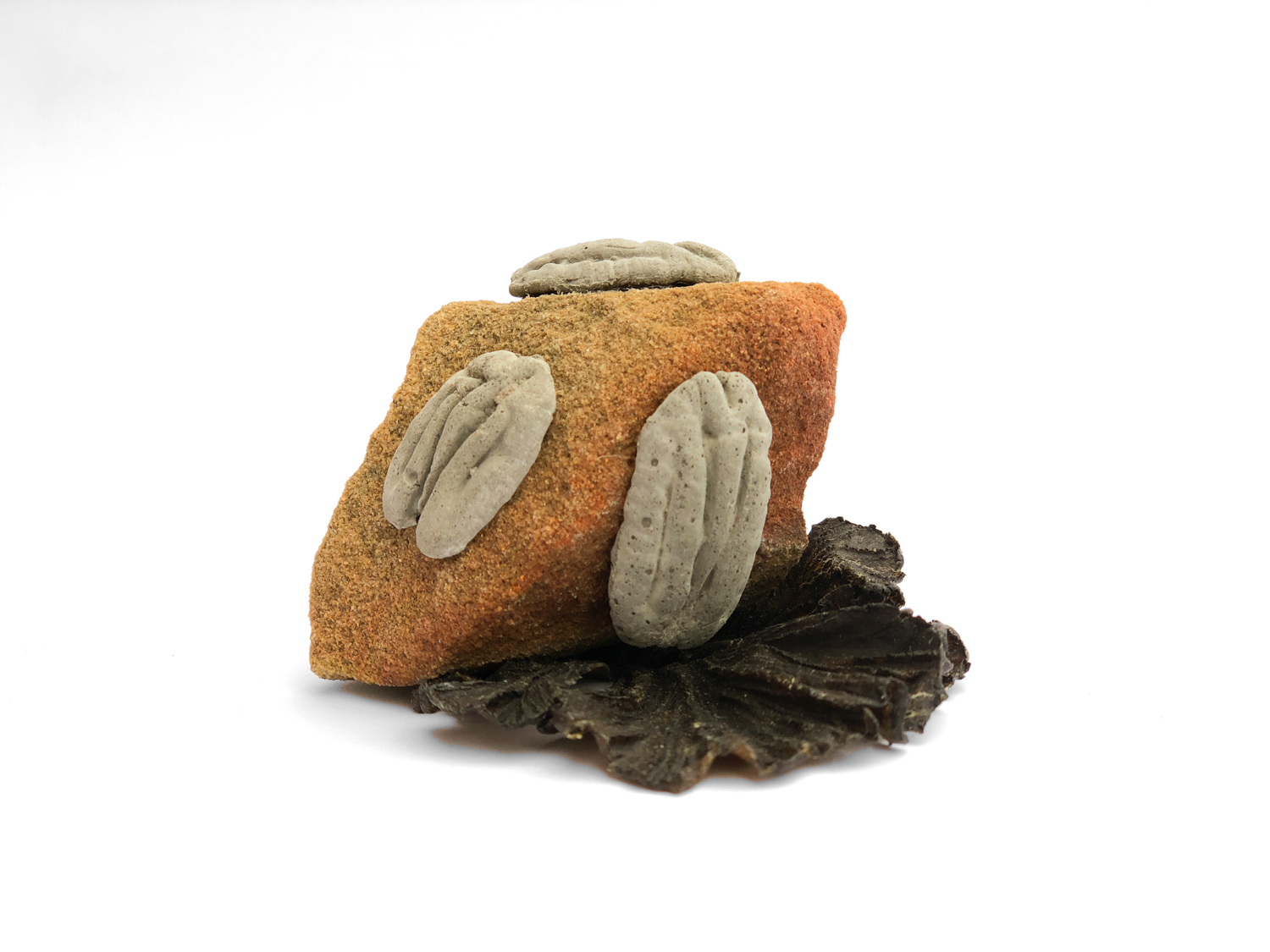
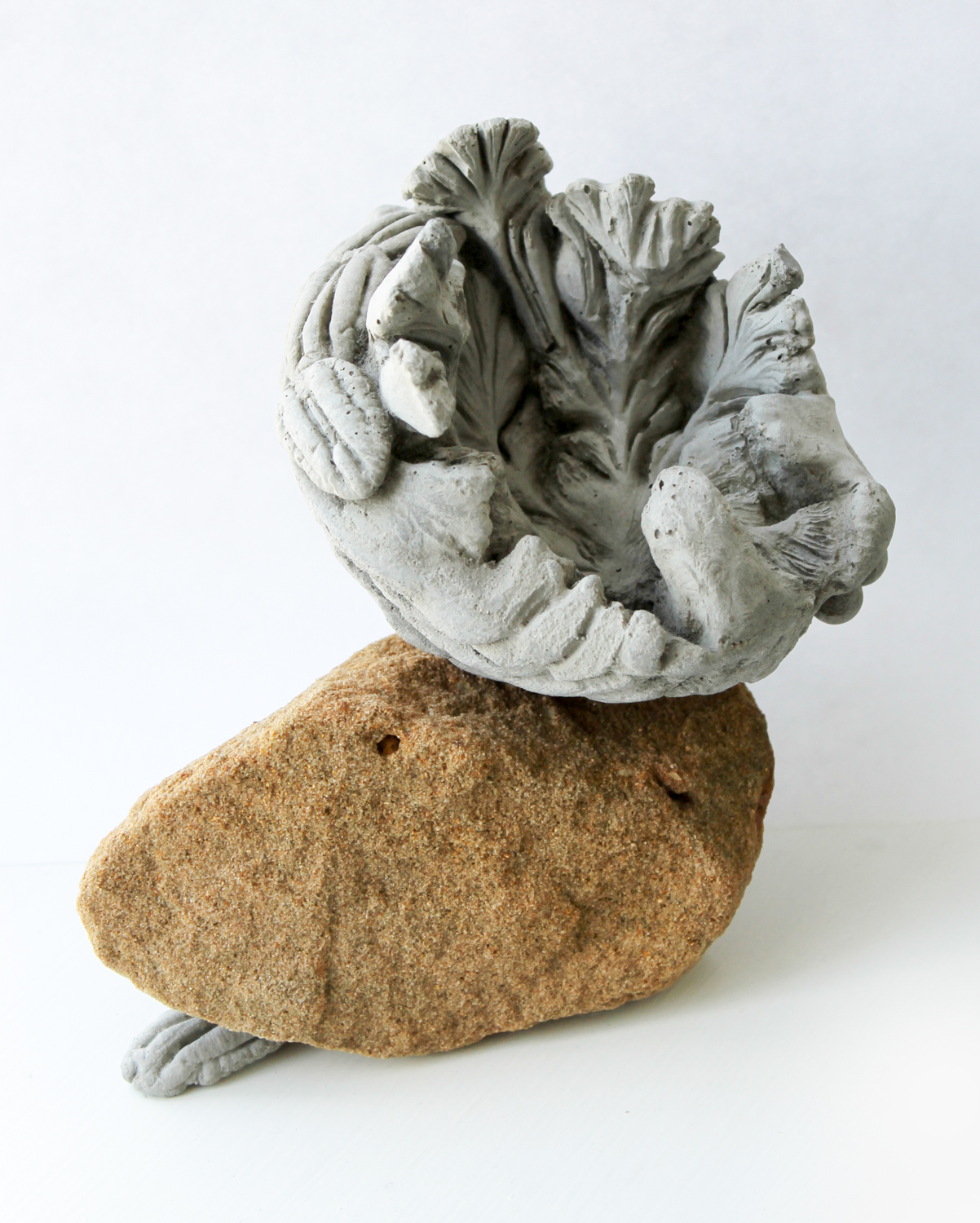
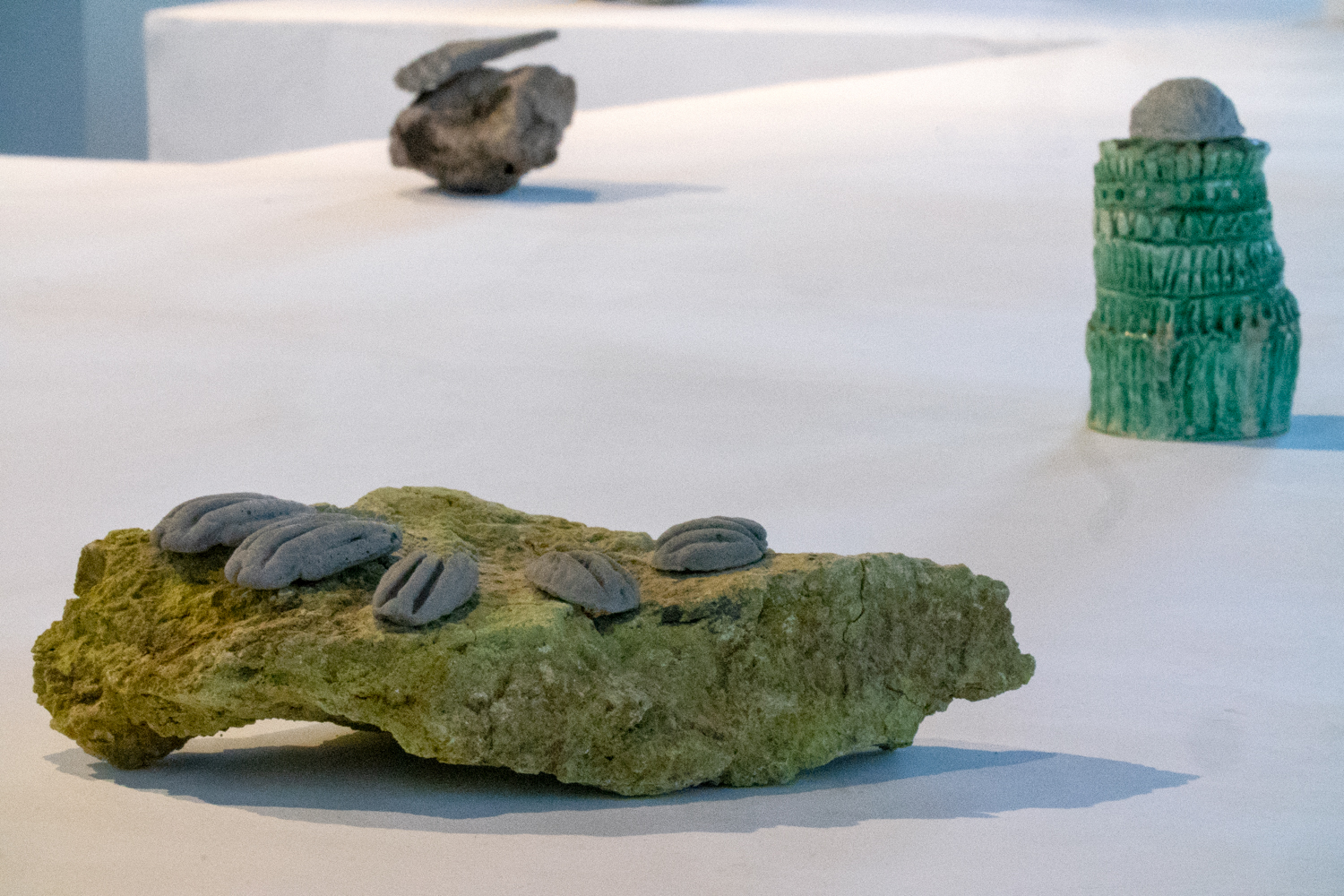
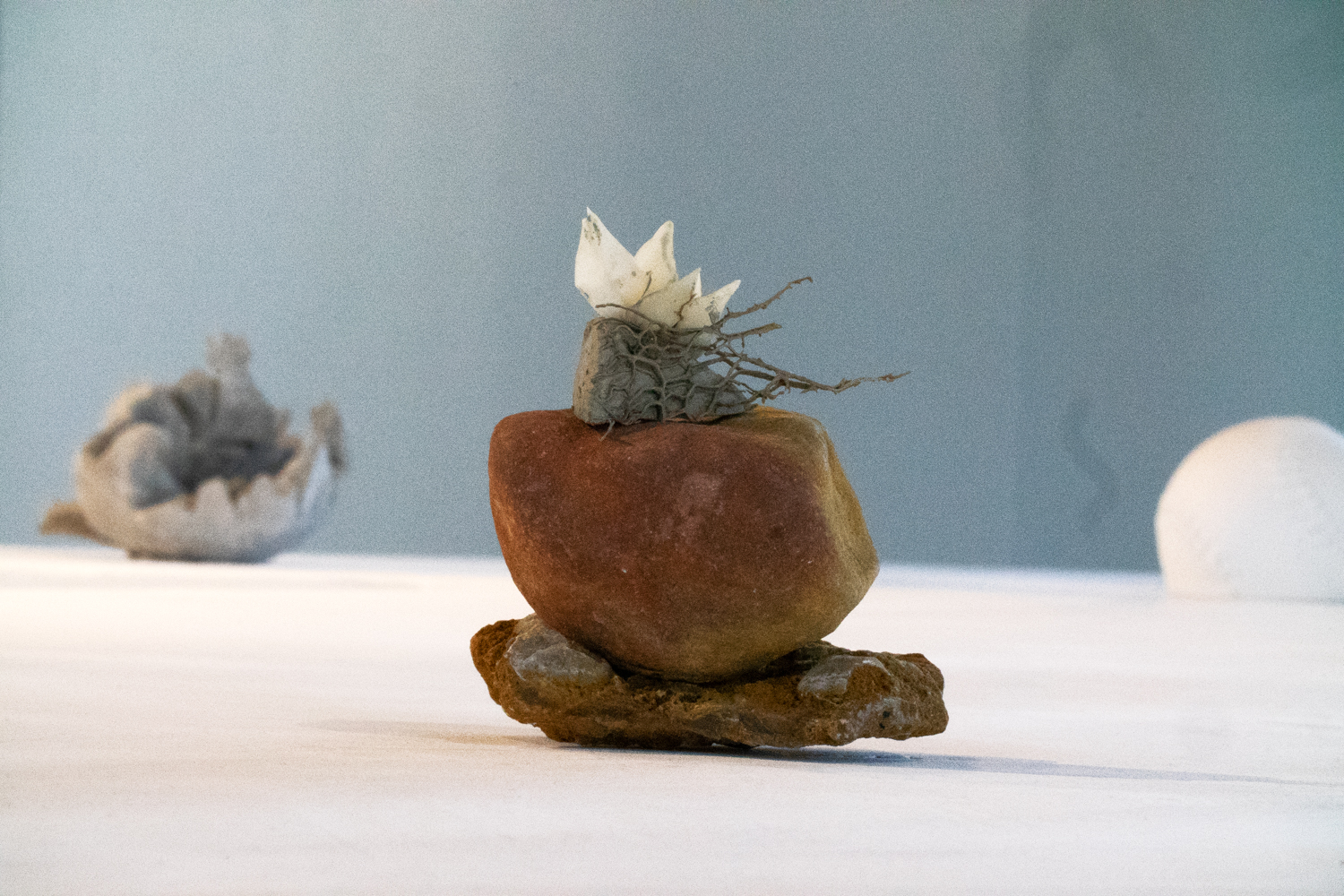
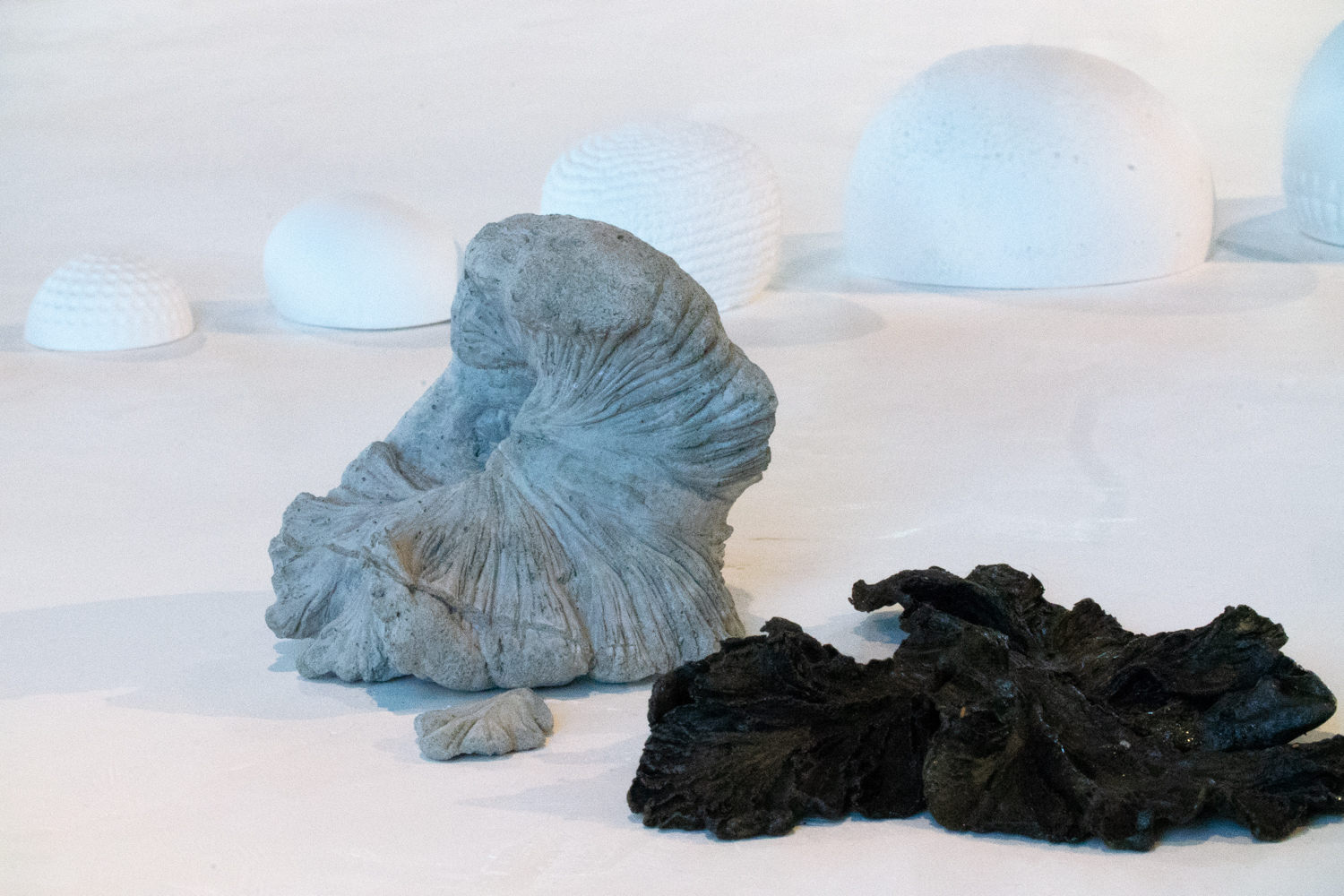
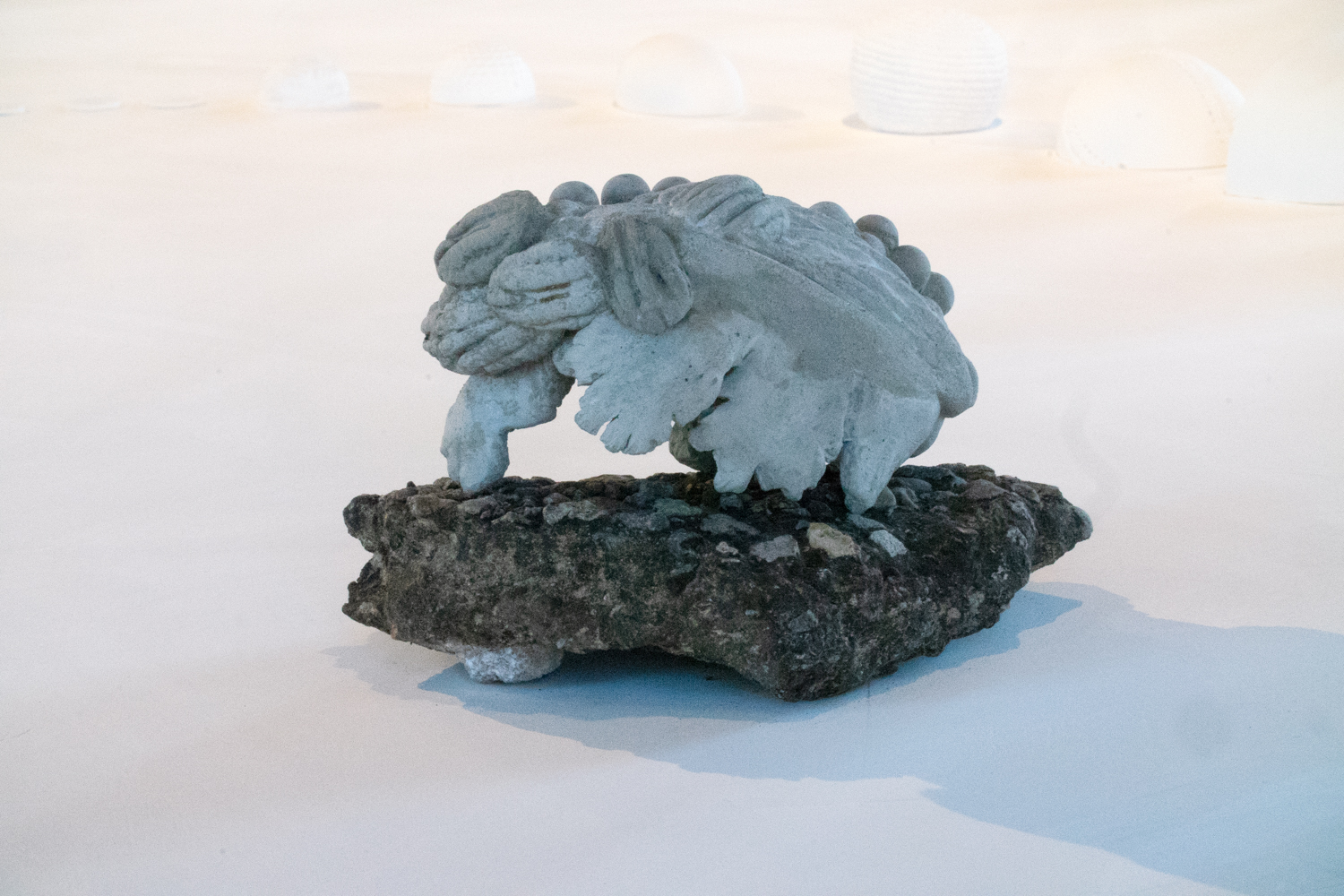
The “hail scale” is used to measure the size of hailstones by comparing them to common objects like a walnut, golf ball, or teacup: hailstones the size of ____. What might be enormous for a hailstone might be a very modest size for a sculpture. Talking about the weather is often considered banal, but lately, the weather has been urgently claiming a lot more space for discussion. What happens when we ignore an important conversation or dismiss small talk (or small sculptures)? I’m interested in zooming in on details and giving them a lot of space and attention.
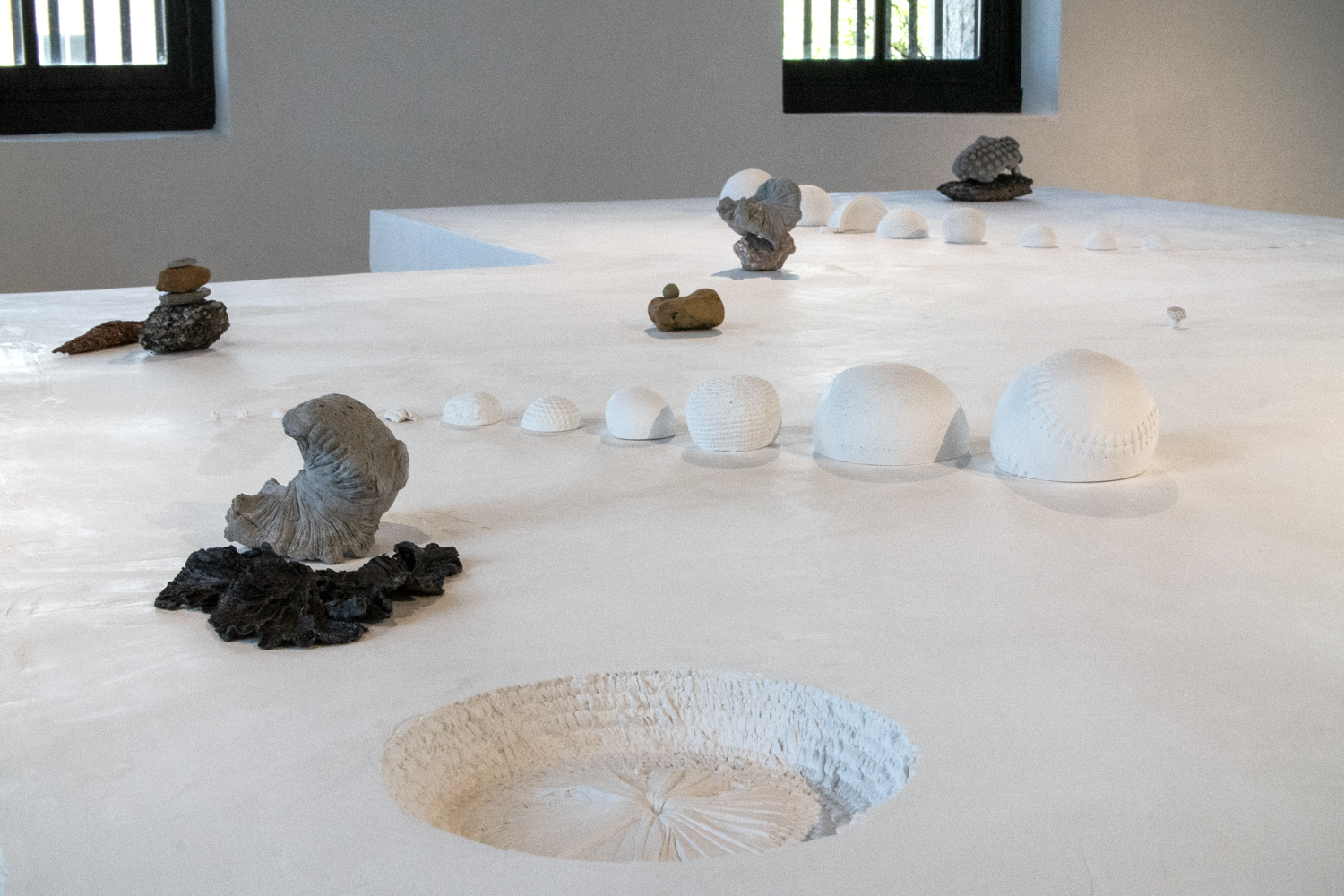
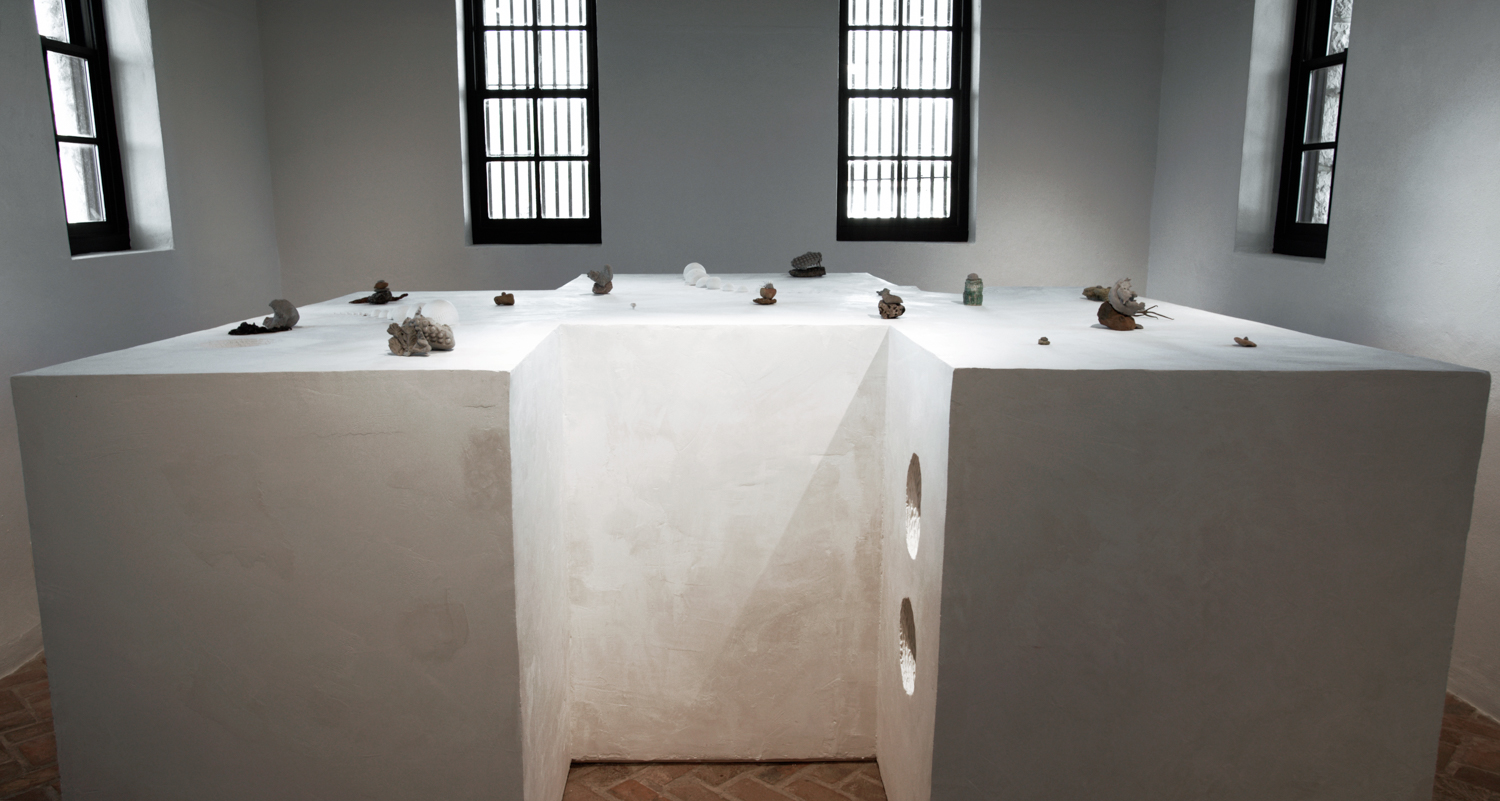
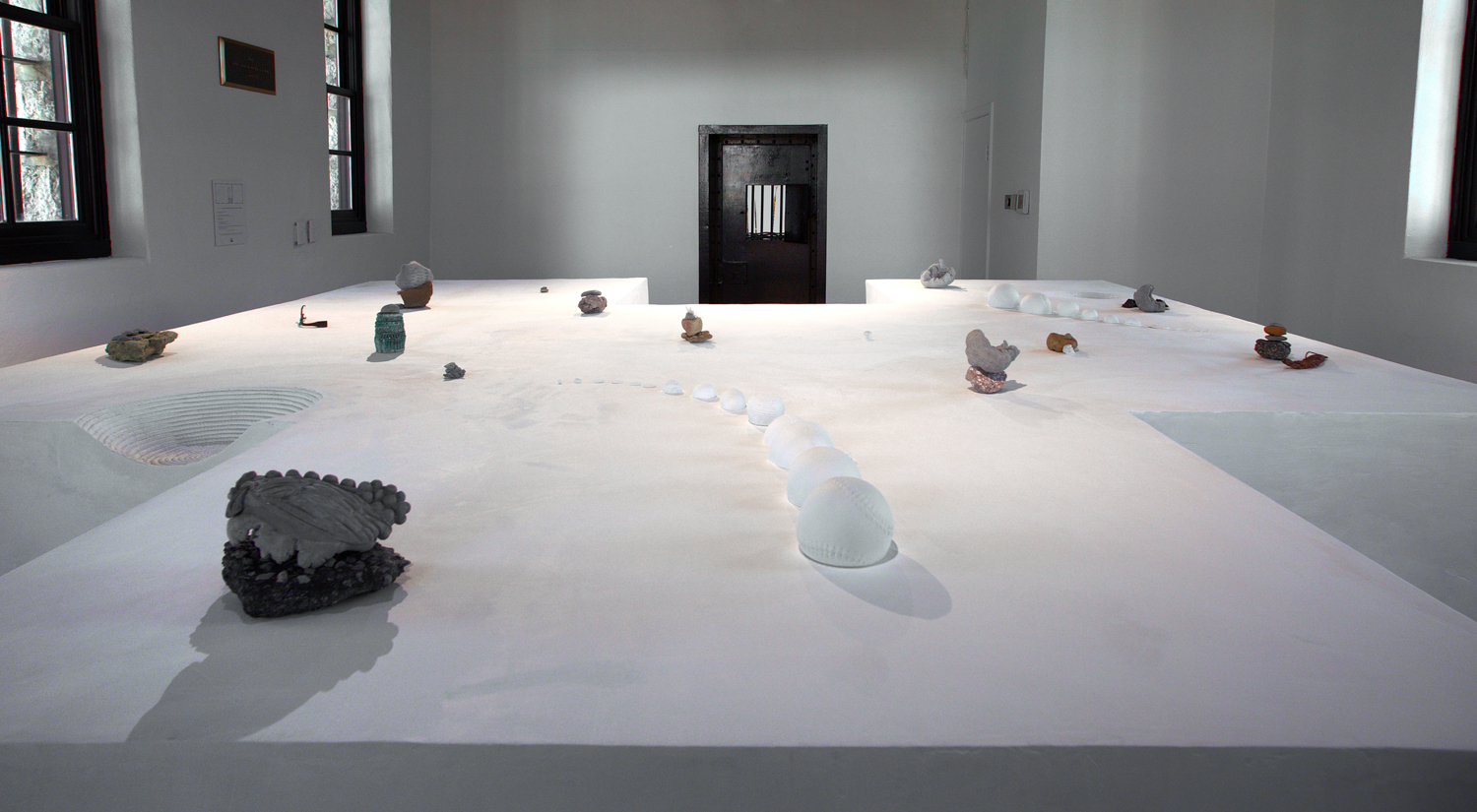
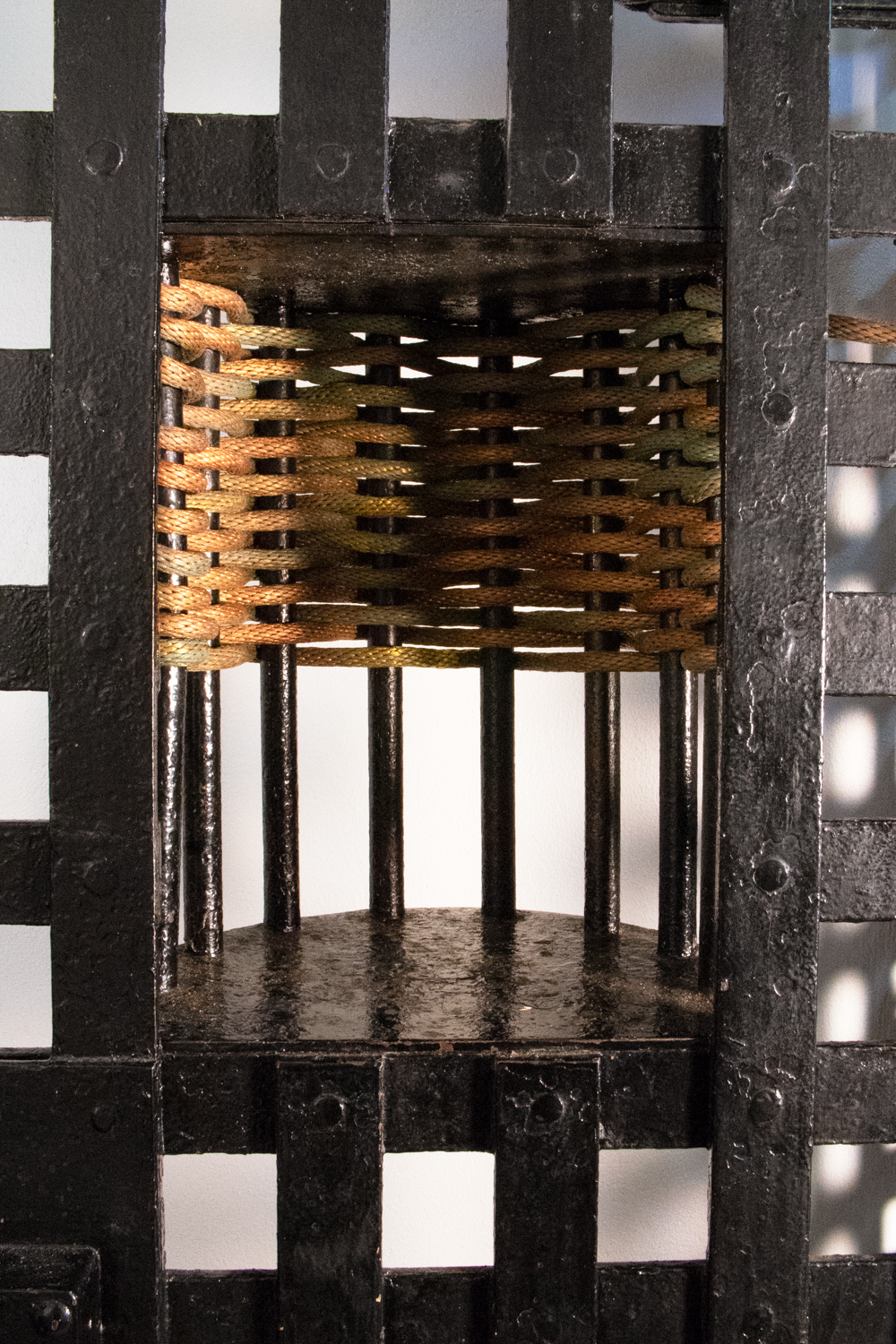
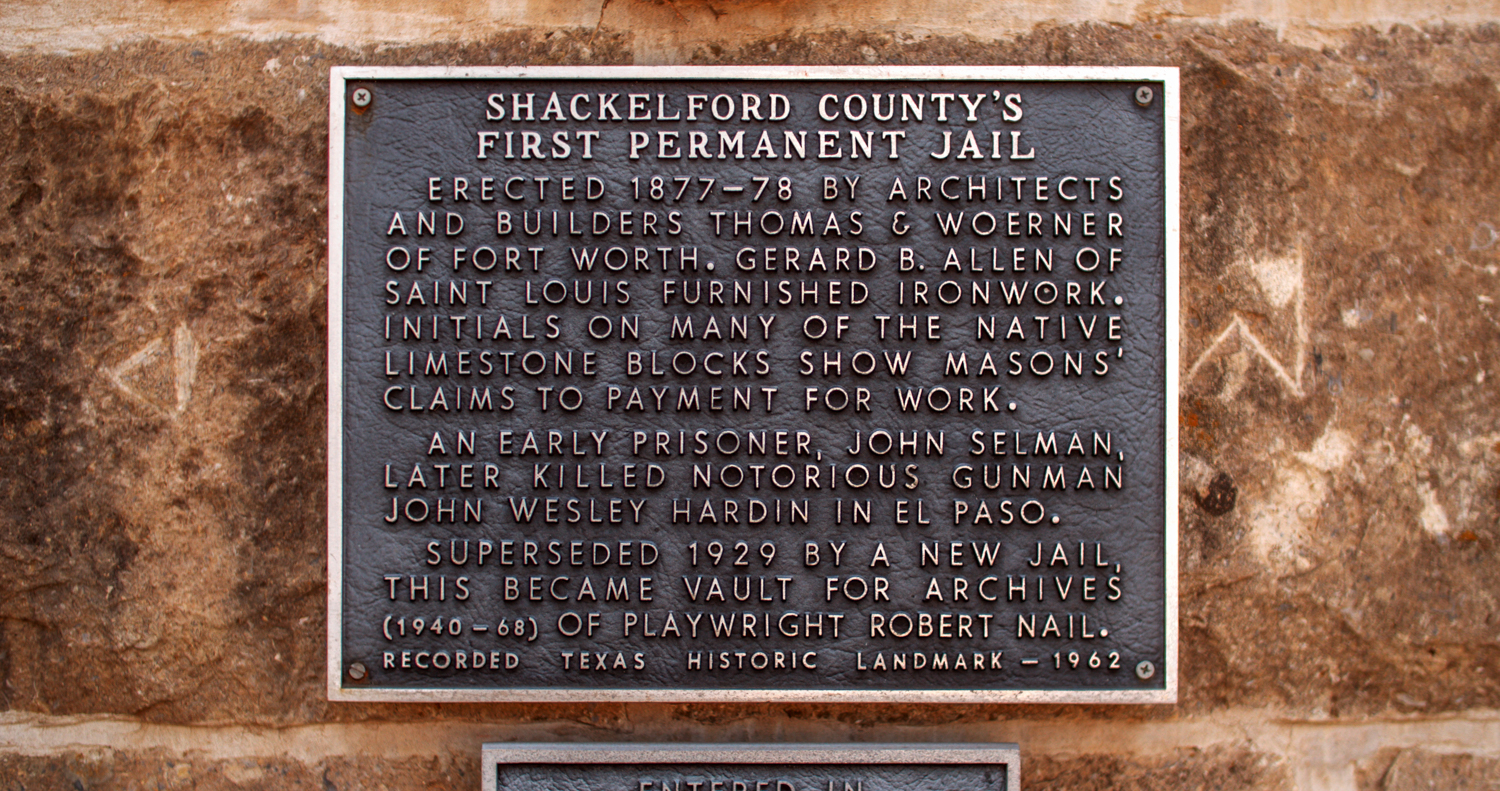
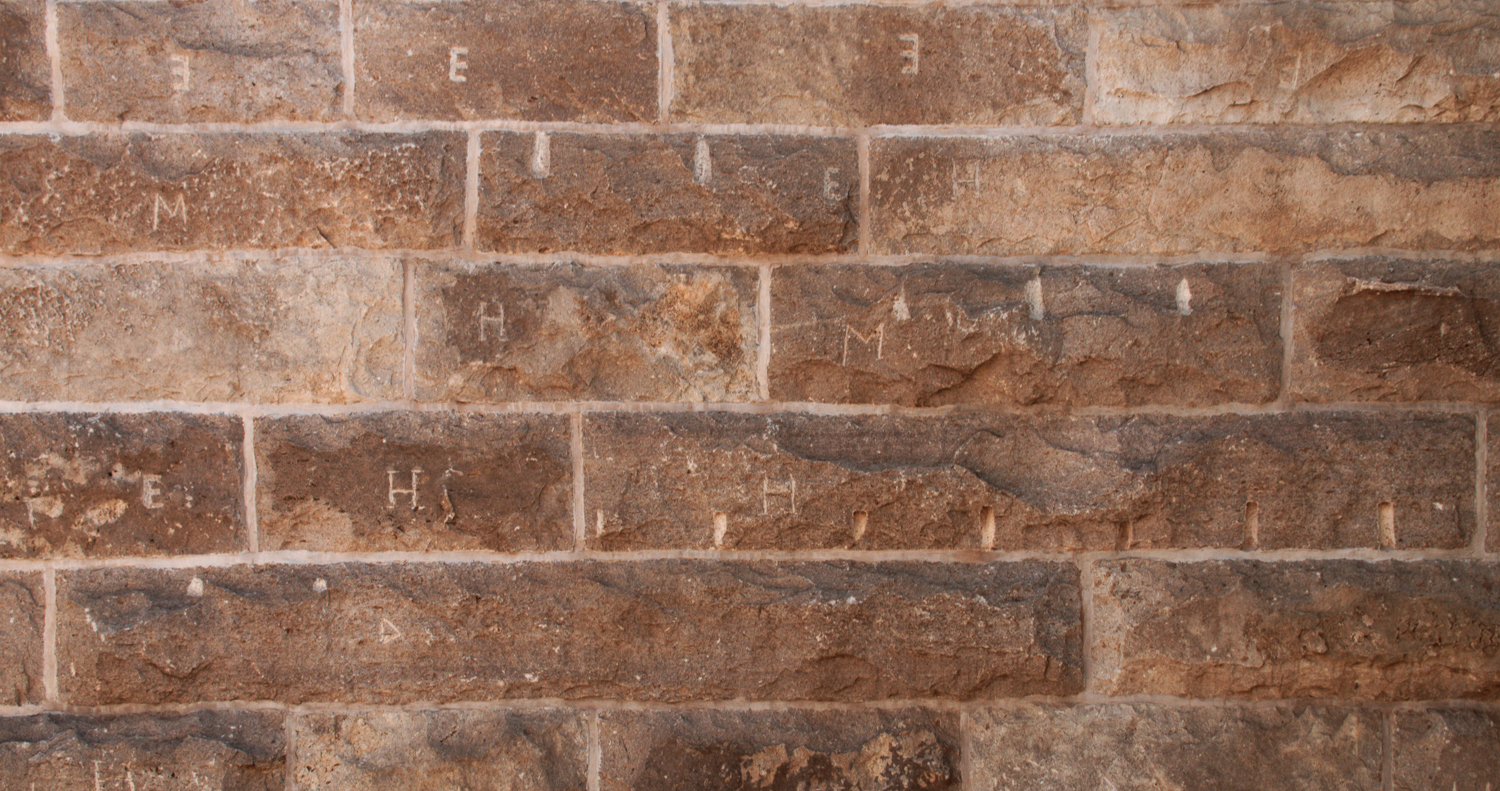
The sculptures the size of hailstones sit on a large plaster plinth that has woven basket forms embedded in it, forming niches and craters. Often pedestals and plinths are made to blend into their surroundings; but of course, they can never disappear. Rather than pretend they are invisible or try to ignore them, I’m interested in calling attention to the extensive volume of space that plinths take up. Focusing on these kinds of supporting roles is an opportunity to engage other kinds of making, and recognize other systems of labor, like the way the letters carved into the limestone blocks of the Old Jail remind us of the labor (and precarious wages) of the stonemasons who cut them.
List of Works:
Wattle and Daub: Plinth, 2018
gypsum cement
Sculptures the Size of Hailstones, 2018
gypsum cement, concrete, found materials, mixed media
Just bigger than a hen egg, 2018
concrete, Texas moss rock, rubber, ink; 2.5 in. 4 in. x 3 in.
Grapefruit I, 2017
concrete, Texas Moss Rock; 7 x 5 x 7 in.
Hail Scale, 2018
gypsum cement
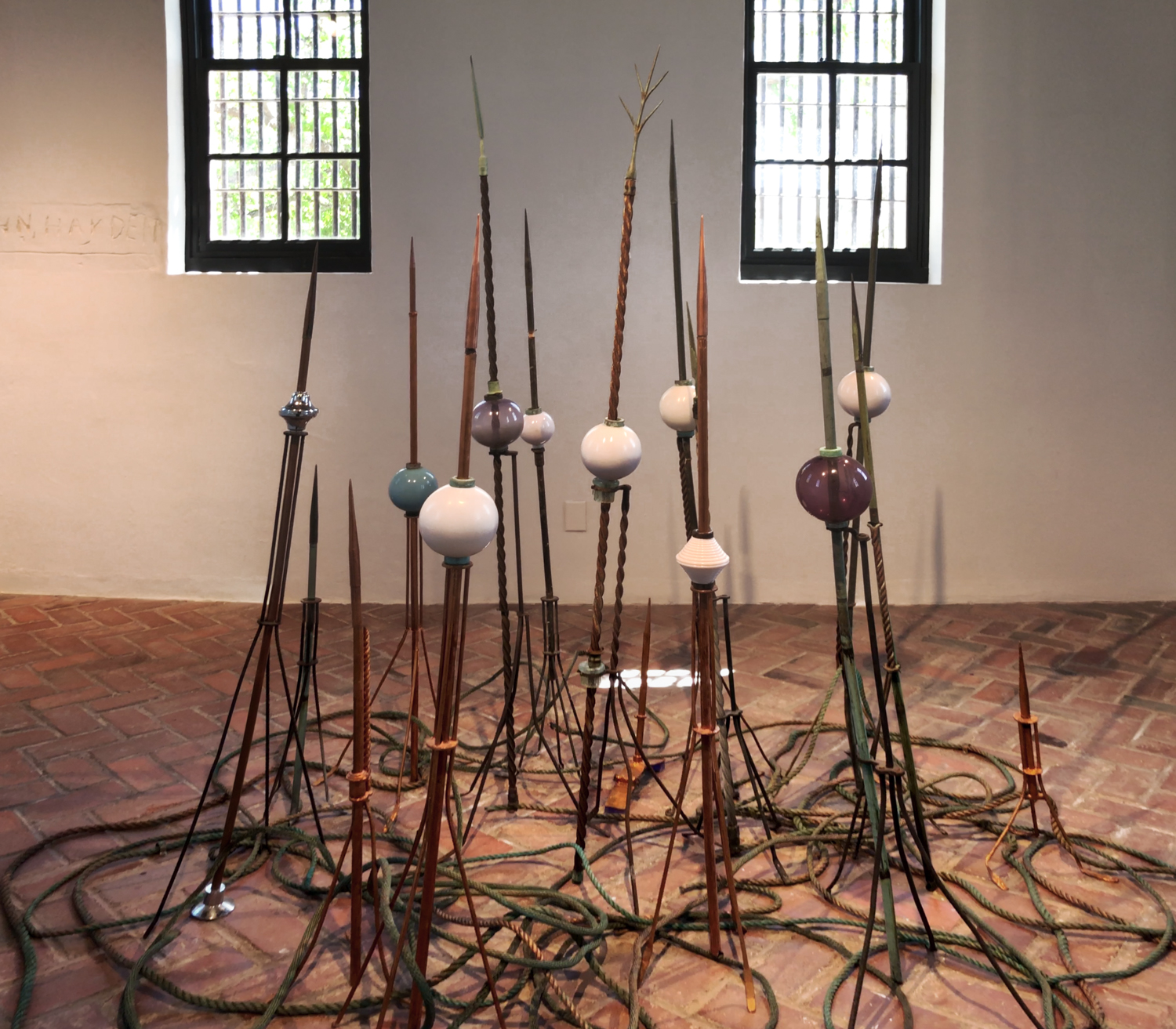
Strike: Solitary Confinement, 2018
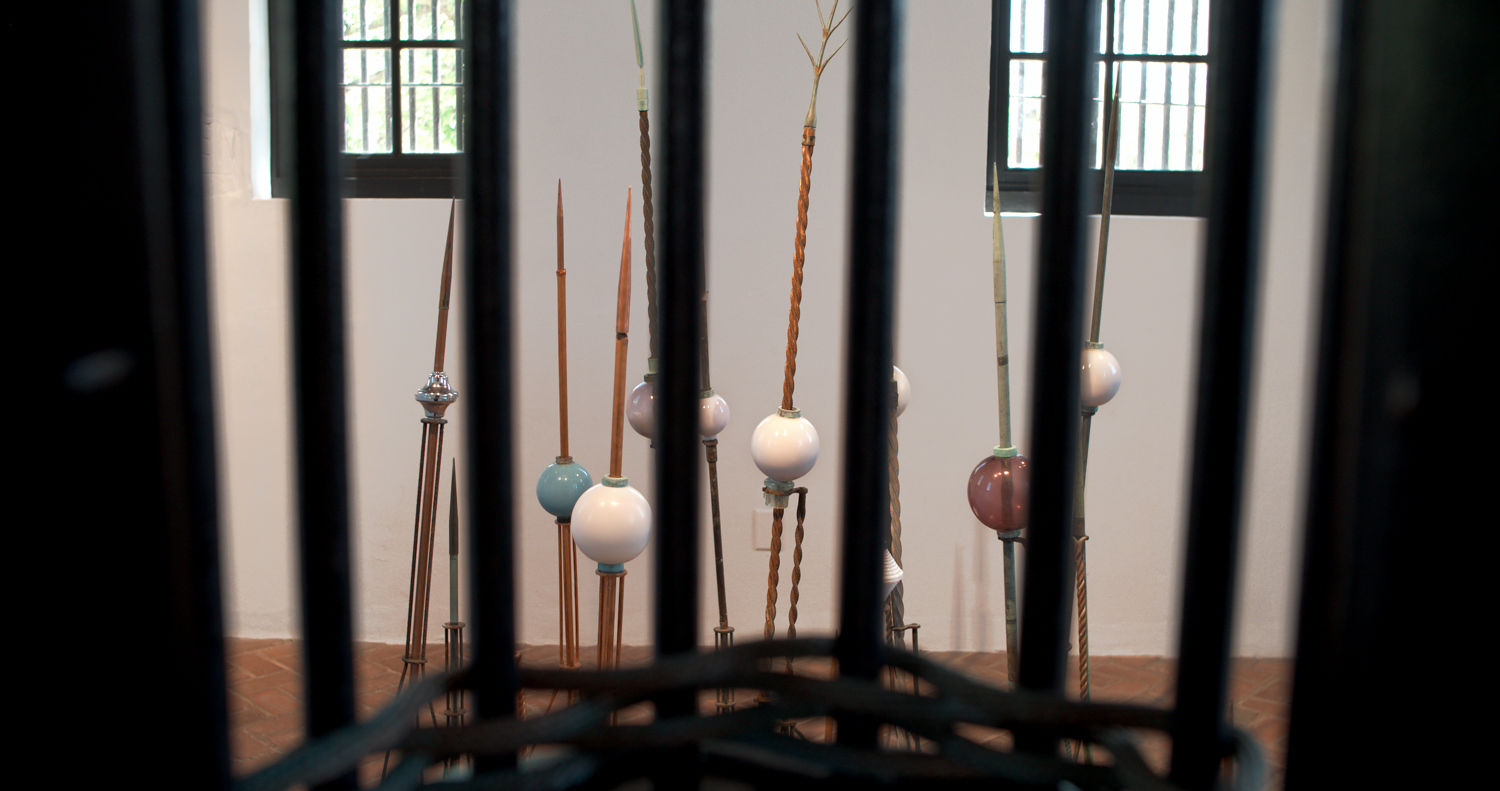
lightning rods, copper, rope
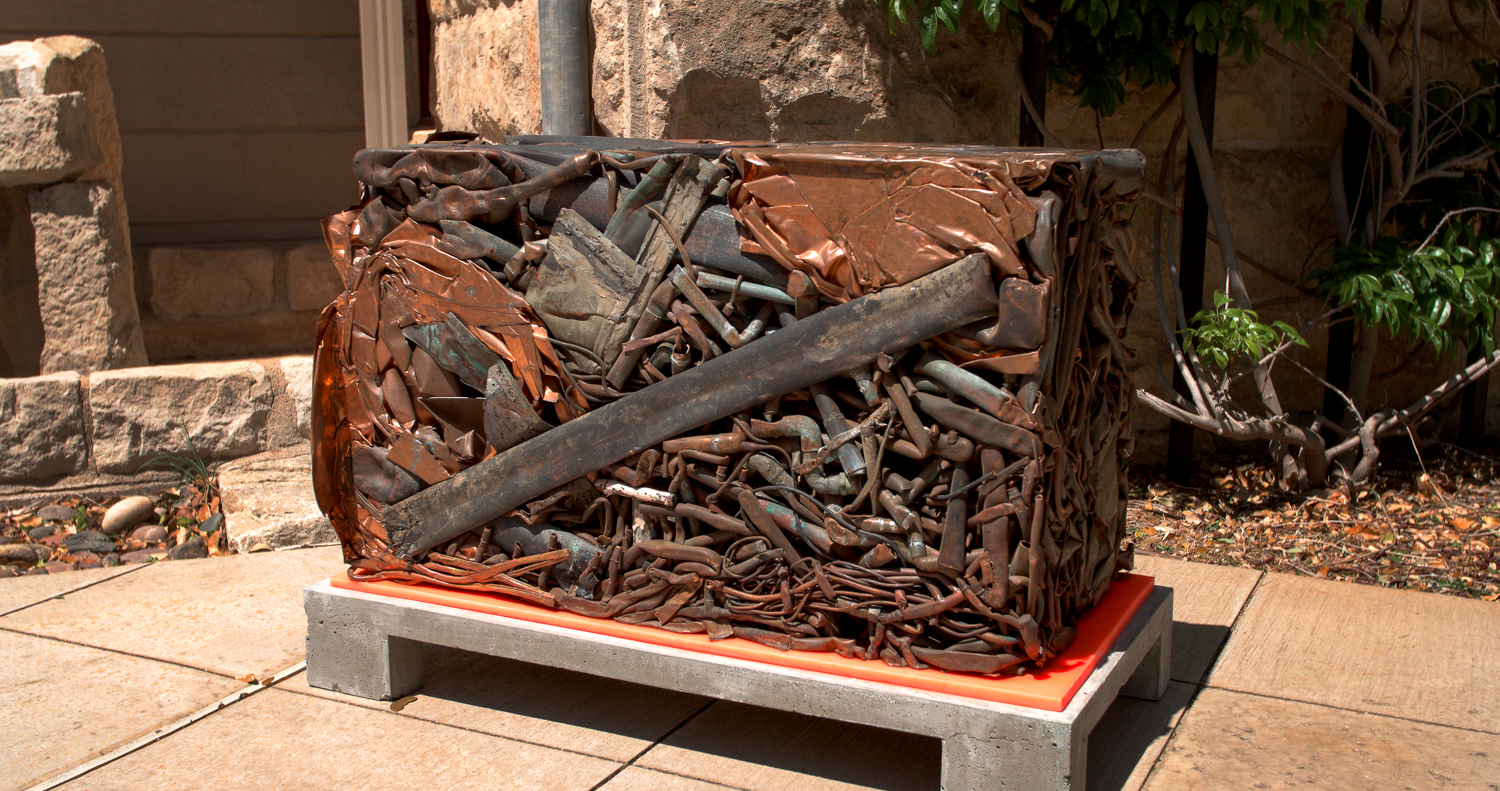
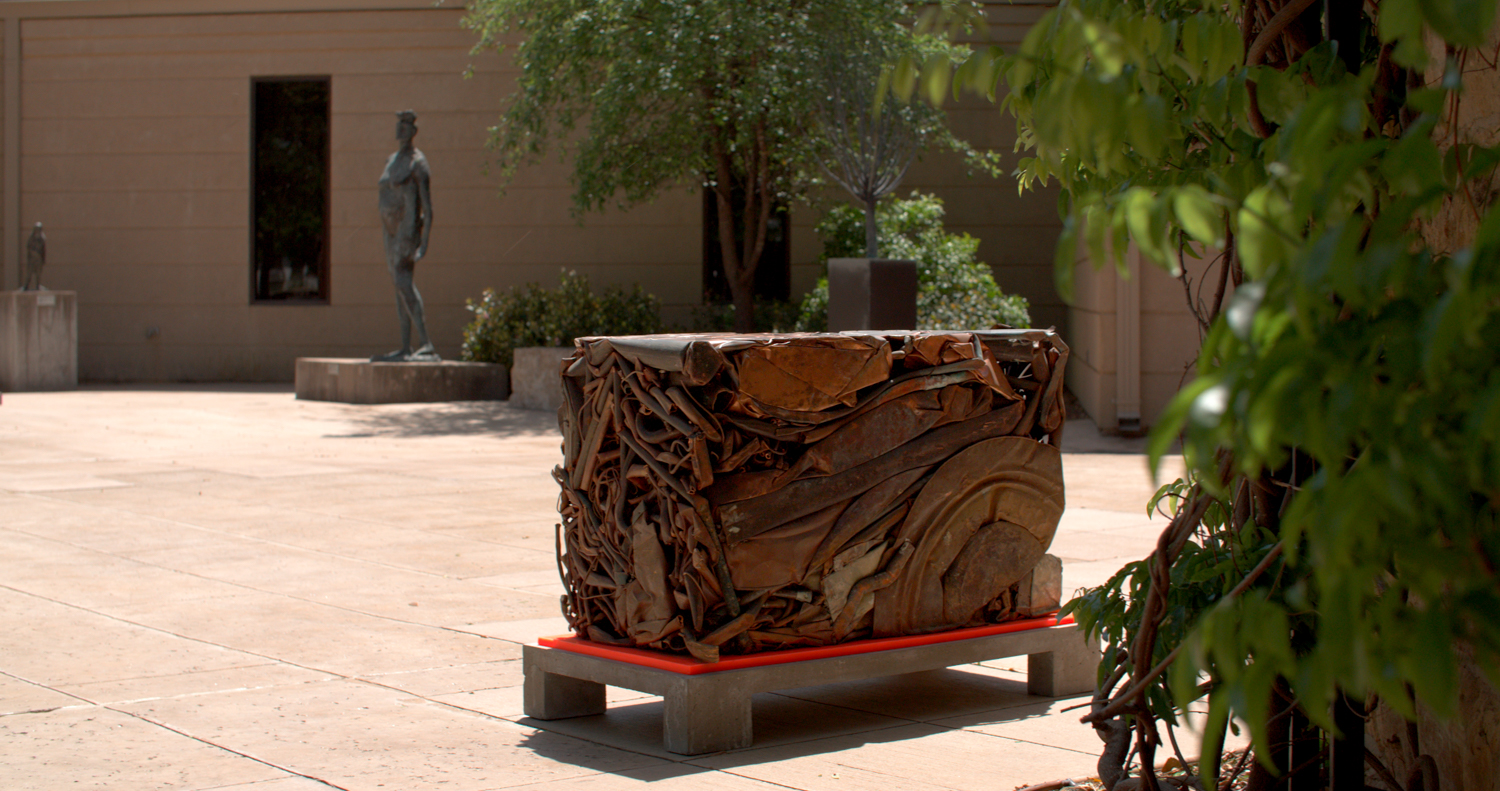
Old Copper Futures: 772 lbs. of #2 scrap copper from R&S Recycling, Corsicana, TX, 2018
copper, concrete, silicone rubber; 30 x 44 x 22 in.
Credits:
Photography and documentation video by Sharad Kant Patel
Forms:
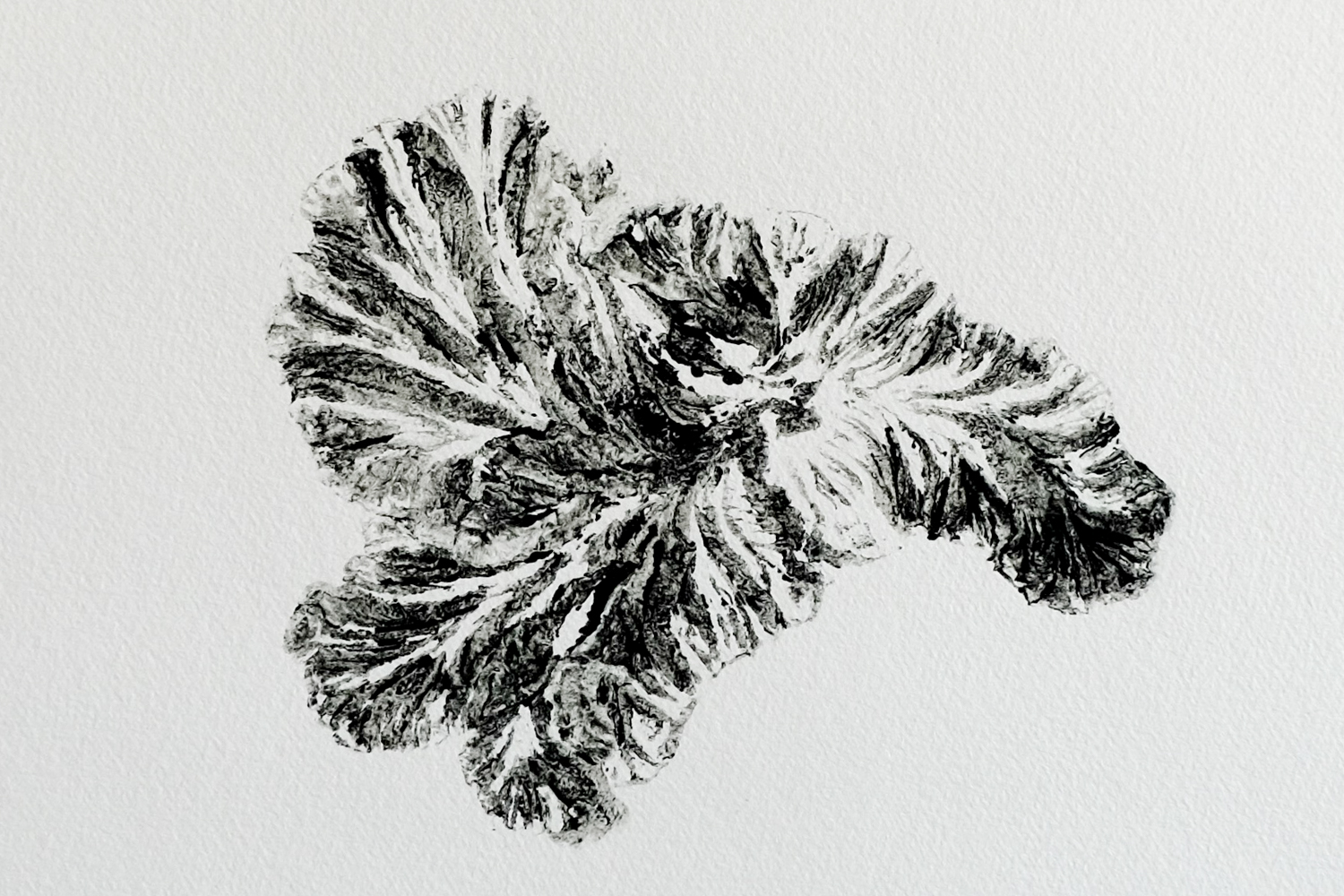
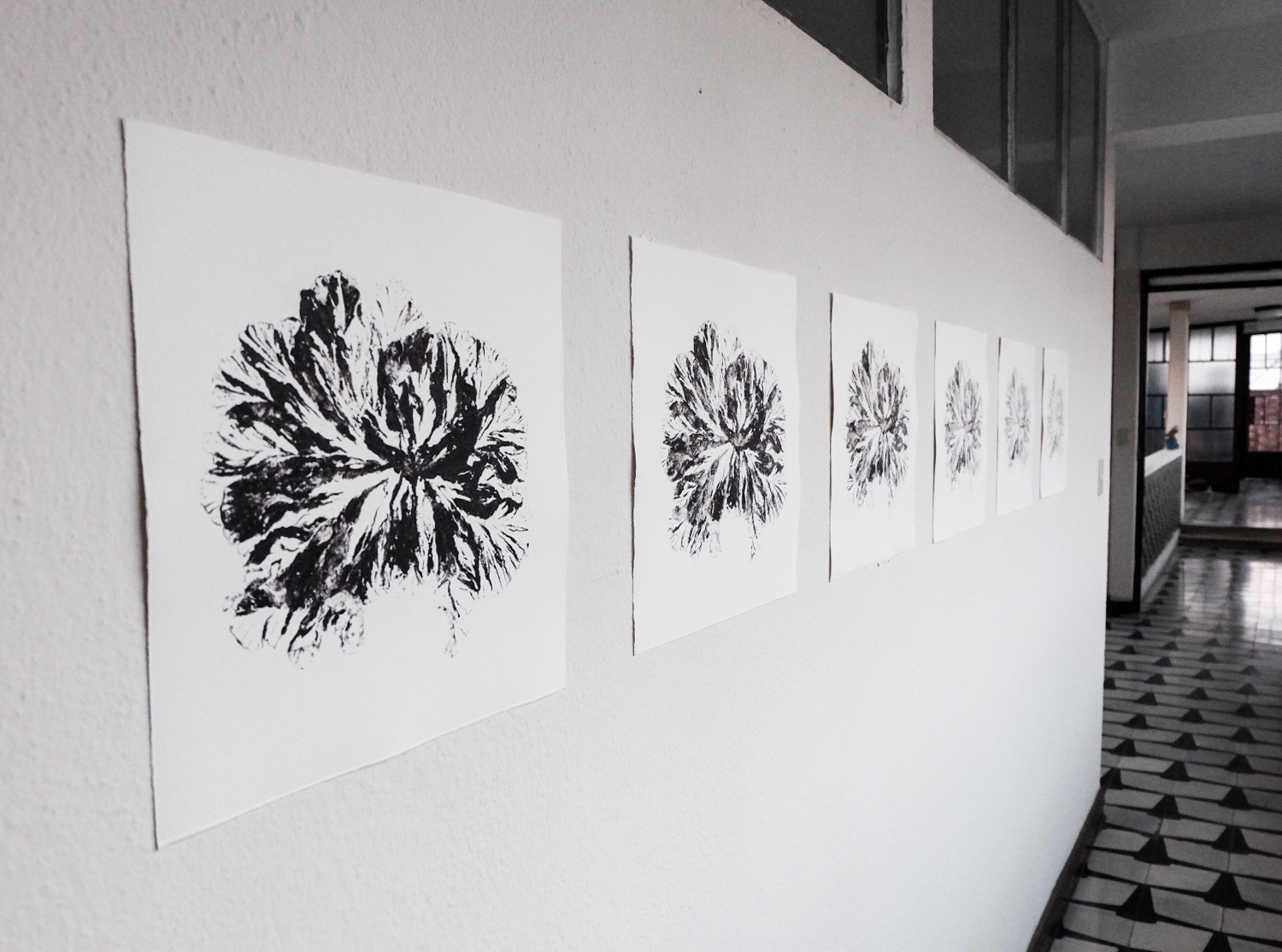
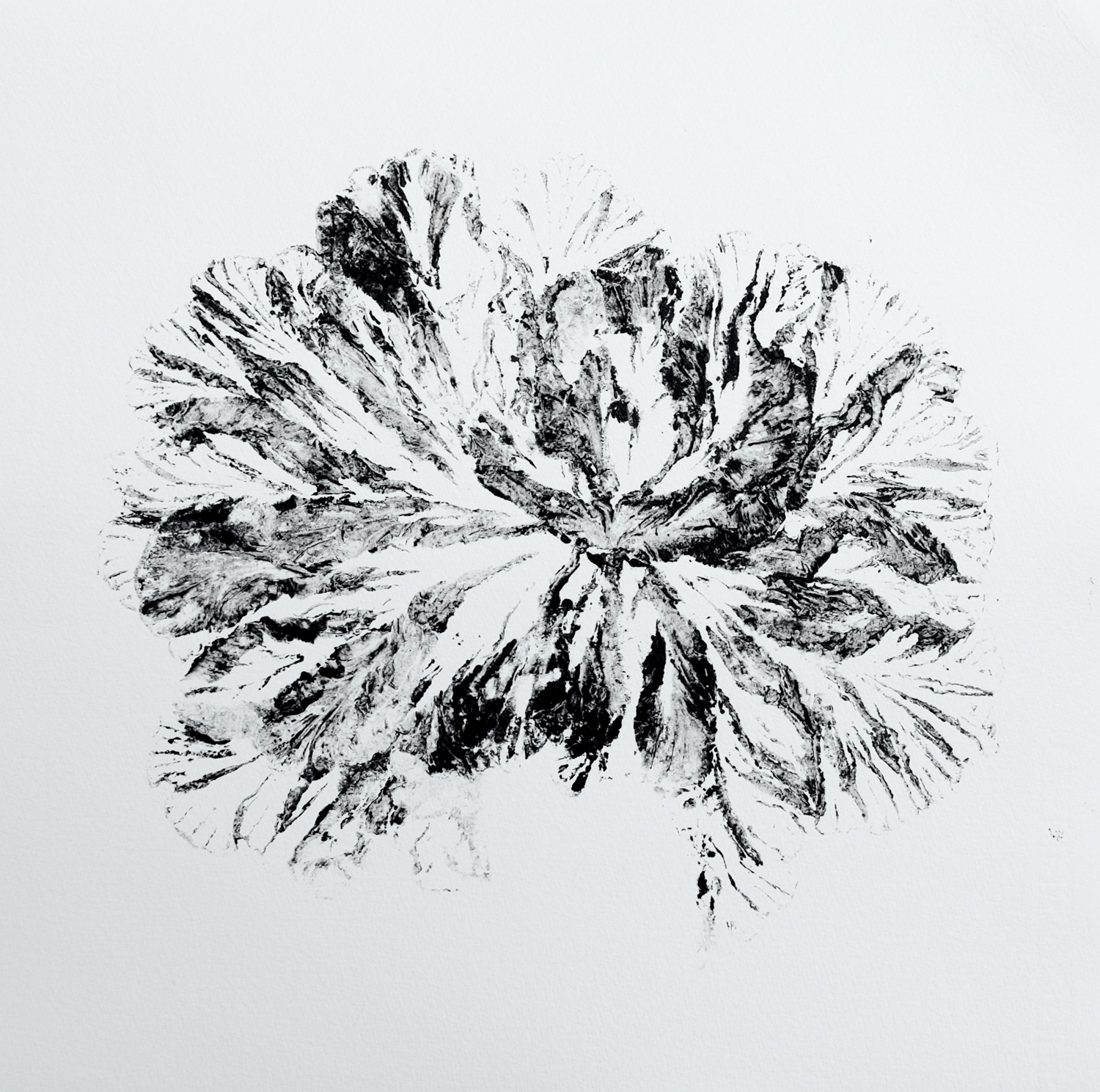
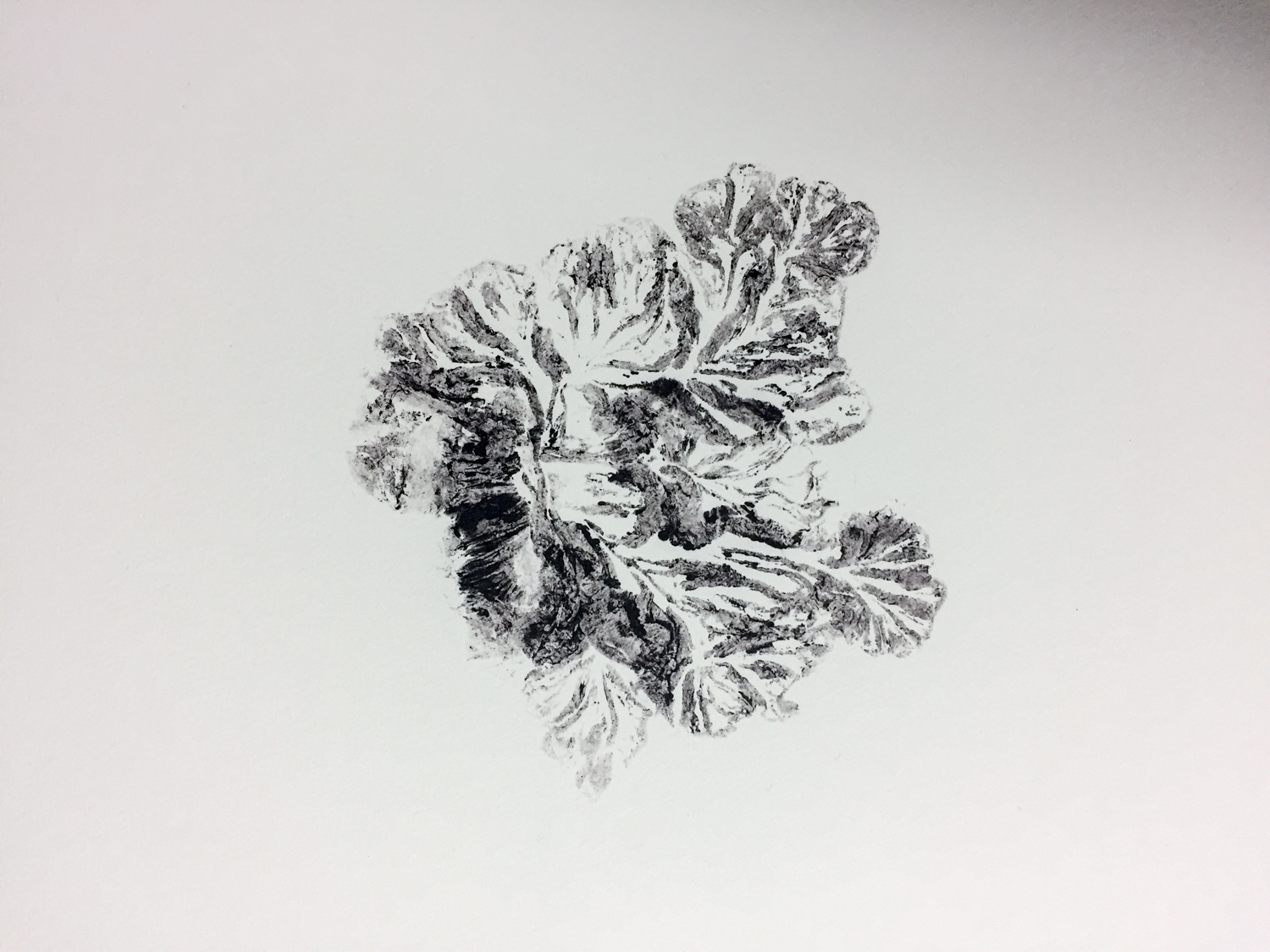
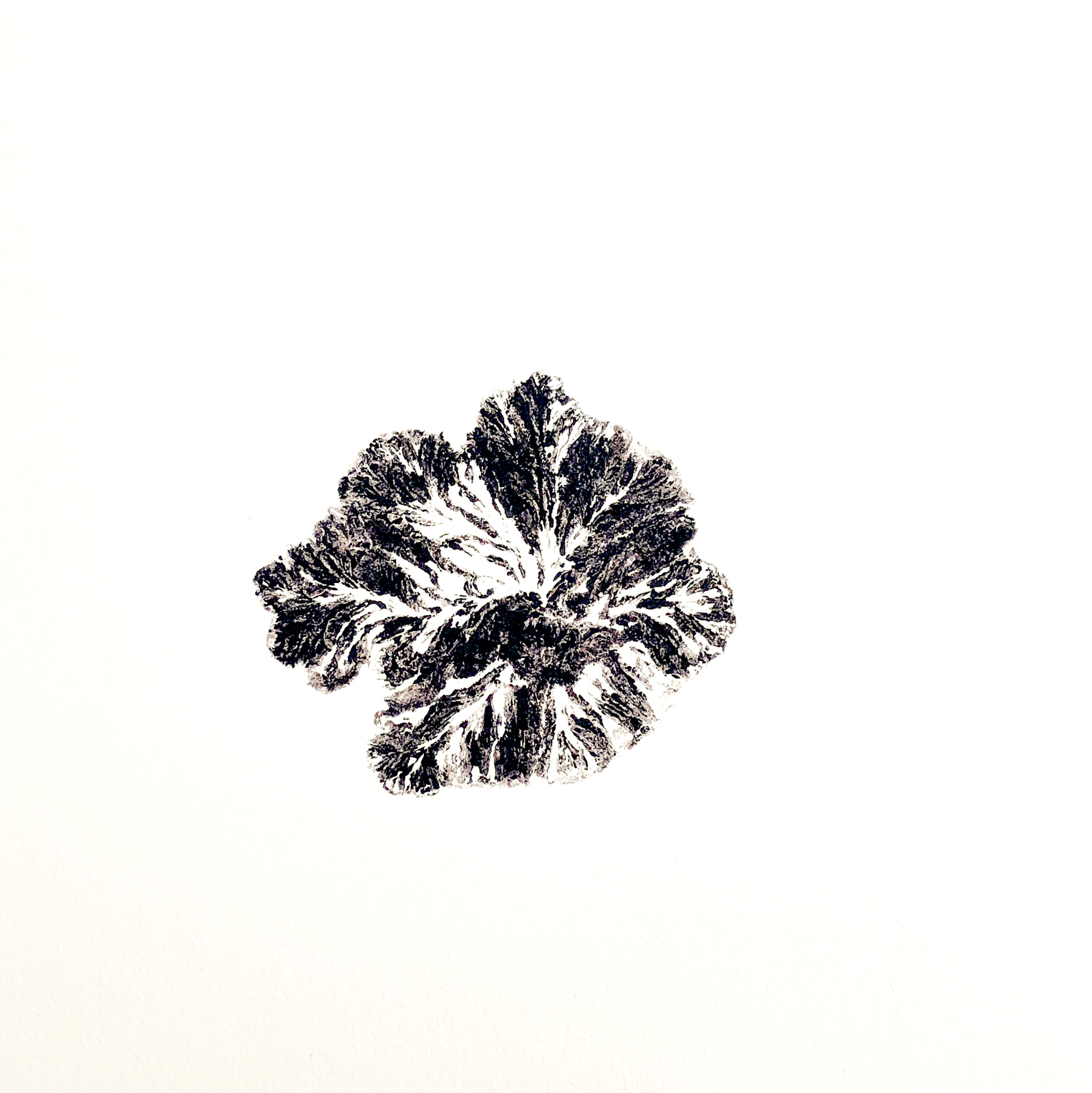
Spore Prints
lilycoxrichard@gmail.com
2017
monoprints
35 cm x 35 cm
If not an hongo // Si no es un mushroom, begins with an investigation of a biological occurrence native to Guatemala: an abnormal growth that occurs on certain trees in response to a parasitic mistletoe. Often mistaken for some kind of mushroom, these intricate woody tumors are collected and sold as decorative curios. As I questioned guest/host dynamics in relation to parasitism and hospitality (and my own role as a visitor) I made a series of concrete sculptures that engage and respond to architectural details throughout Yvonne. Opening the week of the U.S. inauguration, If not an hongo looks for ways to live under threat, finding a model for necessary resistance that fosters the growth of something beautiful.
Many thanks to Taller Experimental de Gráfica de Guatemala (TEGG) for printmaking wisdom.